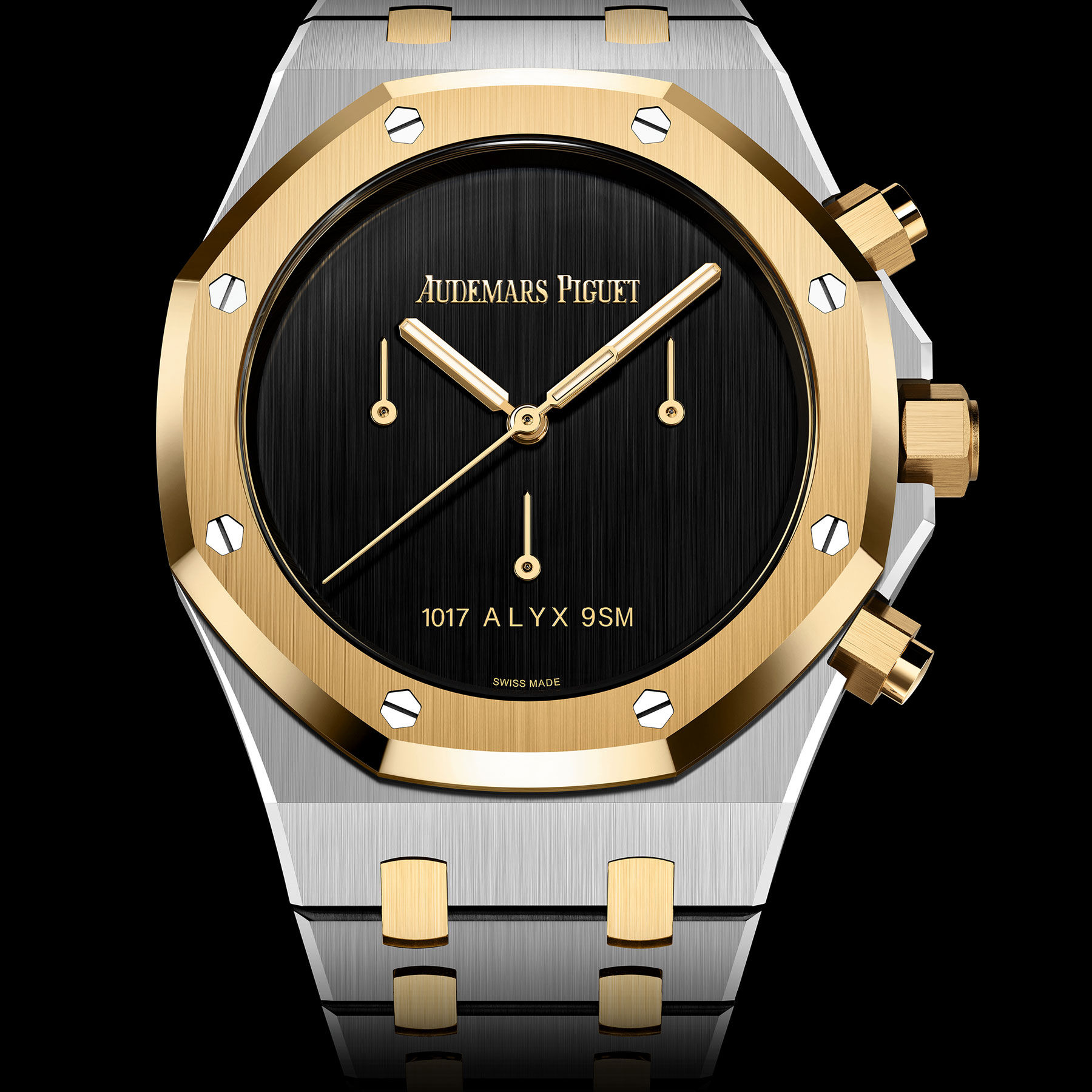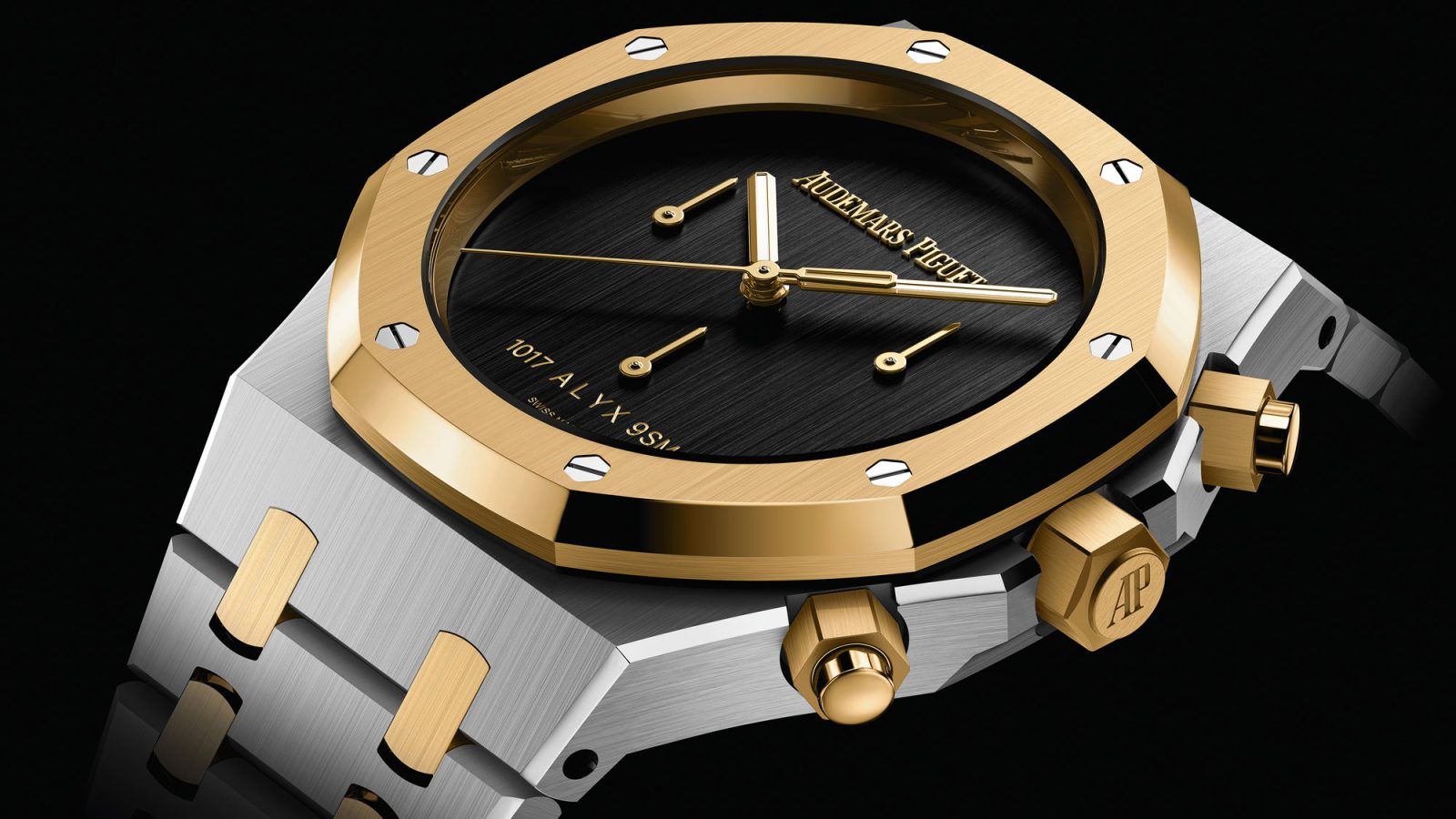
There are collaborations, and then there are collisions—moments where two distinct universes crash into each other with such force that something entirely new is forged. The 1017 ALYX 9SM x Audemars Piguet Royal Oak is precisely that: a philosophical transfer of design language, a handshake between Matthew M. Williams' brutalist vision of luxury and Le Brassus's most iconic octagonal silhouette. This isn't a logo-stamped limited edition designed for the hype cycle. It's a full collection of Royal Oak and Royal Oak Offshore models where the codes of streetwise subculture aren't appended to haute horlogerie—they're woven into its very skeleton.
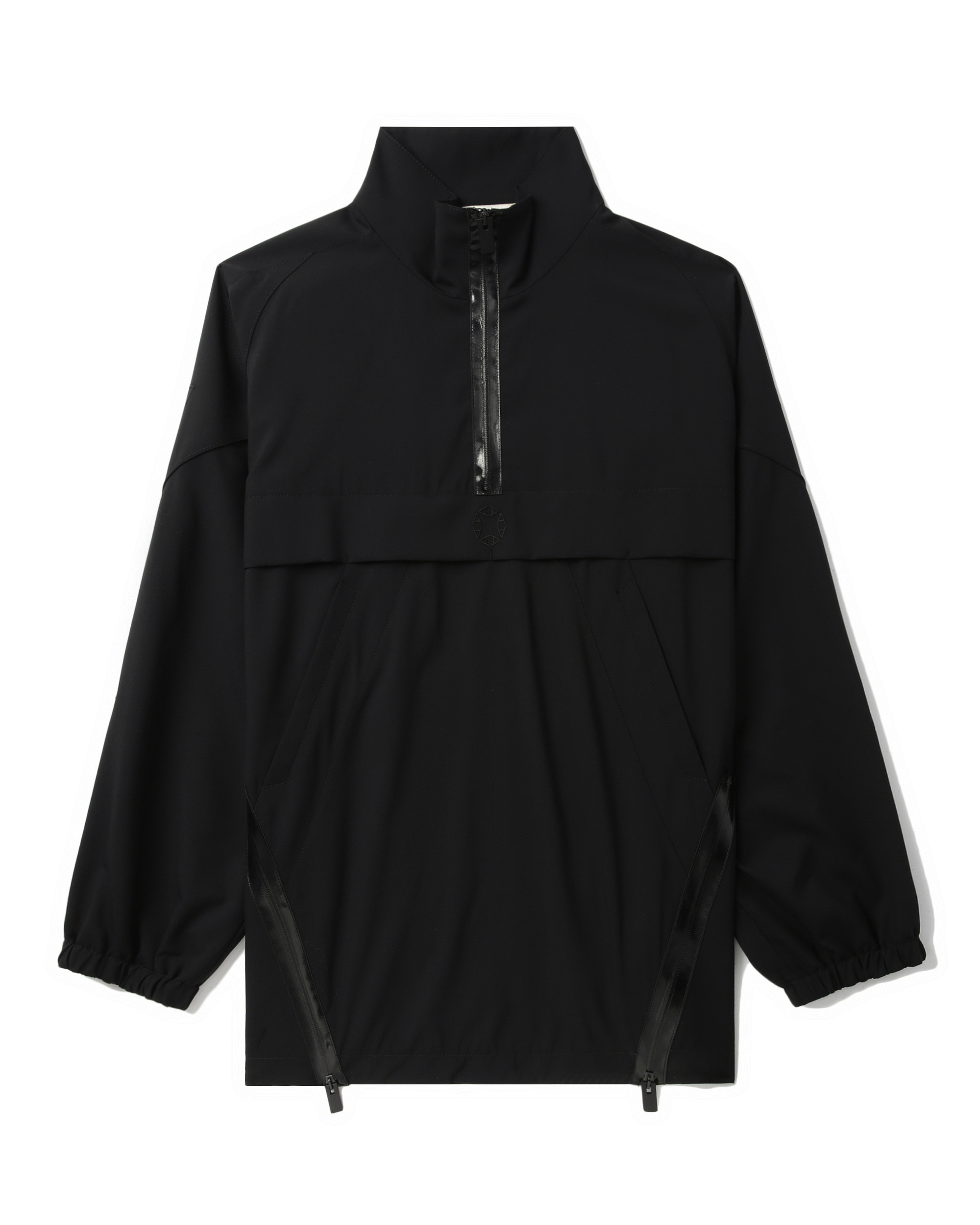
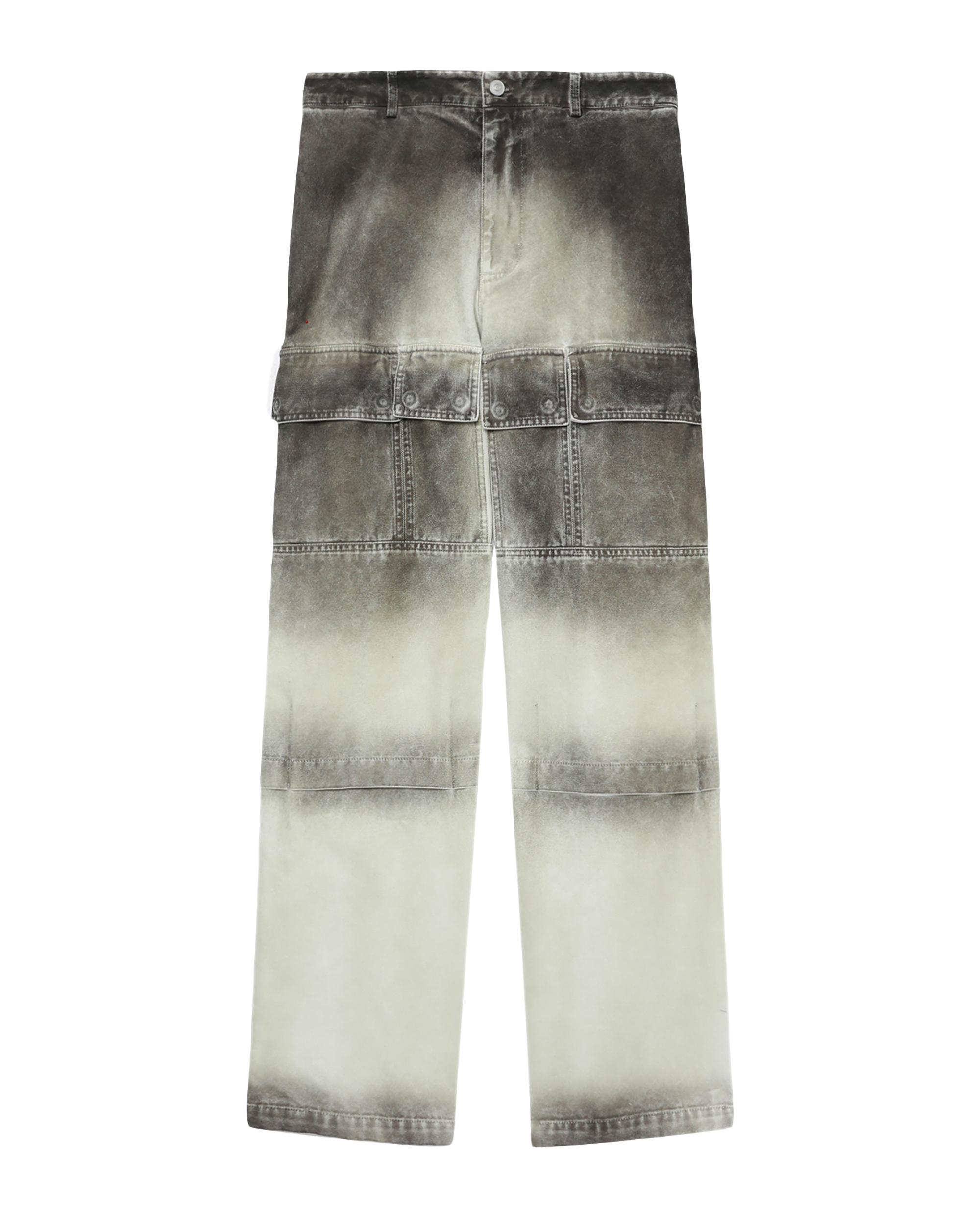
Williams, who has consistently blurred the line between hardware and garment, found his ultimate muse in the Royal Oak's legendary architecture. A case and bracelet design that has remained virtually untouched since Gerald Genta's 1972 masterpiece suddenly feels like it was always waiting for this moment of reinterpretation. The result is a study in contrast—the softness of a shearling bomber against the cold, unforgiving weight of a forged case—yet both share a common DNA of utilitarian purpose and avant-garde intention.
The Materiality of Restraint
The genius of this collection resides in its materiality. Rather than resorting to garish colorways or overt branding, the collaboration strips the Royal Oak down to its essential, textural core. Signature blackened titanium and sandblasted finishes echo the tactile, matte surfaces of ALYX's rollercoaster buckles and industrial webbing. This is a watch that asks to be touched before it asks to be seen.
The integration of Williams' design ethos is evident in the micro-details. A tonal "ALYX" monogram sits subtly engraved on the caseback—a whisper, not a shout. More importantly, the reimagined dials trade the traditional "Grande Tapisserie" pattern for a cleaner, more monolithic grid. It's a visual nod to the stark, architectural minimalism that defines his ready-to-wear, transforming the watch face into something that resembles a facade from a Tadao Ando building—precise, unadorned, quietly commanding.
These timepieces are not simply accessorized; they are treated as the ultimate hard-good. An extension of the same obsession with precision mechanics that drives Williams' use of polished steel and sharp, unforgiving lines in footwear and leather goods. The coldness of the metal against skin, the weight of the case on the wrist—every tactile element has been considered with the same rigor as a garment's construction.
A Strategic Moment of Maturation
To understand why this collaboration matters now, one must look at the broader trajectory of Williams' brand. With recent news of a strategic investment from Hong Kong entrepreneur Adrian Cheng, who has taken a majority stake, and the label's continued evolution toward a more refined, Milanese-led presentation, this watch collaboration signals a definitive maturation.
The 1017 ALYX 9SM x Audemars Piguet Royal Oak arrives at a critical inflection point for the house—transitioning from a darling of the underground club scene to a serious player in the global luxury arena. The timing is impeccable. As the fashion industry pivots away from logomania toward a quieter, more cerebral form of status, this watch—with its hidden details and brutalist elegance—becomes the ultimate signifier for the initiated.
It is the antithesis of the hype-drop. This is a piece meant for a collector who understands that true exclusivity lies not in visibility, but in the provenance of the object and the narrative of its creation. You don't wear this watch to be seen; you wear it for those who know how to look.
The Collector's Artifact
This timepiece is not for the casual observer. It is for the discerning connoisseur who recognizes the cultural weight of Williams' work—the man who served as Givenchy's creative director while simultaneously building ALYX into a powerhouse of subversive design. It is for the individual who appreciates that the Royal Oak's disruptive, non-conformist spirit in 1972 mirrors the disruptive energy of ALYX in the contemporary era.
The collection bridges generations of design rebels, offering a tangible artifact that connects the punk-inflected, industrial ethos of 21st-century streetwear to the revered, high-complication world of traditional watchmaking. There's a certain poetry in that lineage: Genta's original design was itself considered radical, a luxury sports watch in steel that defied the conventions of its time. Williams operates in that same spirit of defiance, albeit with a distinctly modern vocabulary of subversion.
The Permanent Statement
In a market saturated with fleeting collaborations, the 1017 ALYX 9SM x Audemars Piguet Royal Oak stands as a permanent testament to the power of mutual respect. A rare fusion where the integrity of the manufacture is never compromised but rather enhanced by the designer's unflinching vision. The watch commands attention not through noise, but through the sheer force of its material presence—the weight of blackened titanium, the precision of a monolithic dial, the quiet authority of an engraved monogram.
It is a bold statement on the wrist, a piece of wearable art that speaks to a philosophy Williams has championed throughout his career: that luxury need not be loud to be felt, that brutality can coexist with beauty, and that the most enduring designs are those built on a foundation of uncompromising intent. In the end, this is not merely a collaboration between a fashion house and a watch manufacture. It is a meeting of kindred spirits—rebels who found each other across decades, industries, and aesthetics, united by a shared belief that true design is never comfortable, never settled, and never anything less than essential.