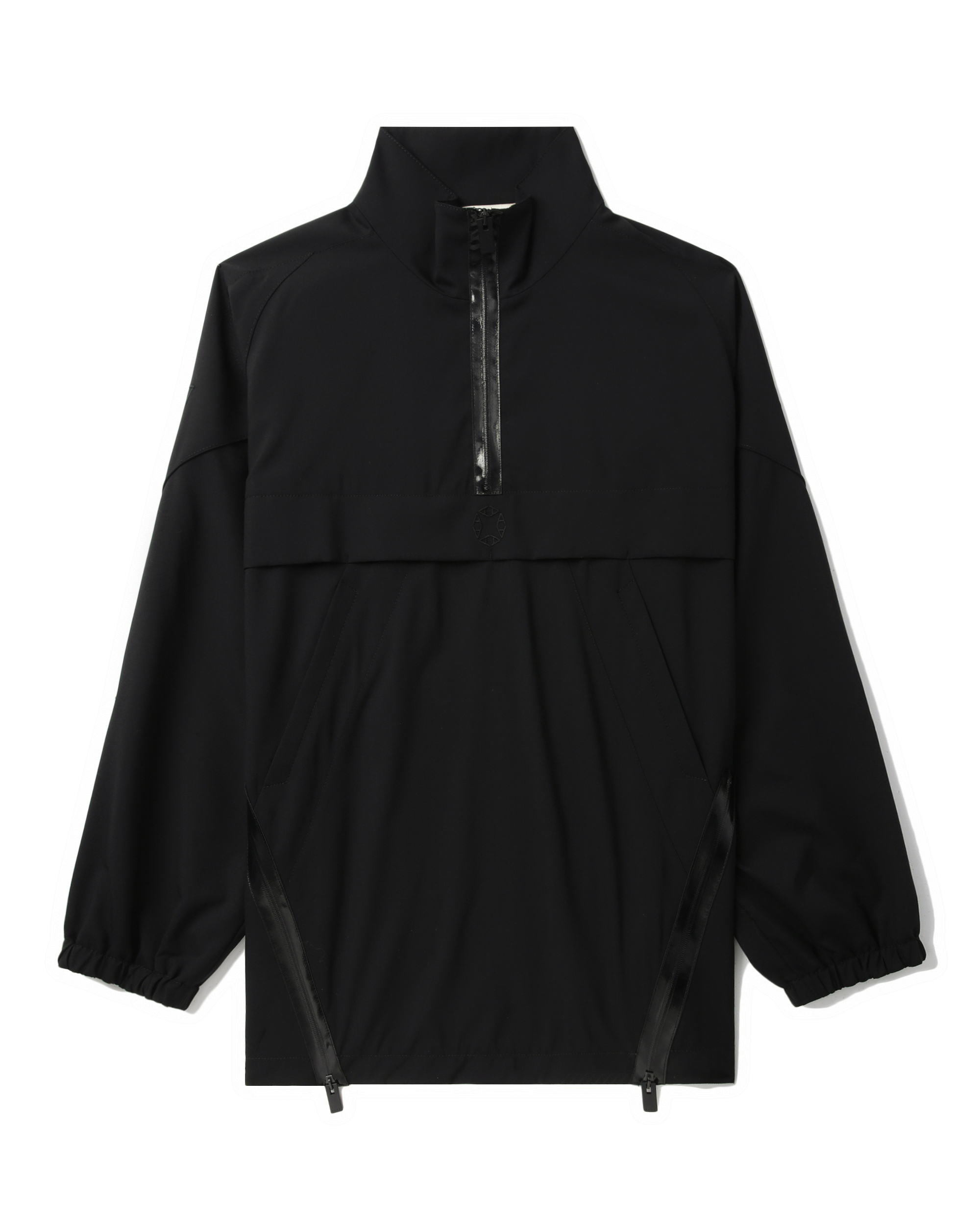
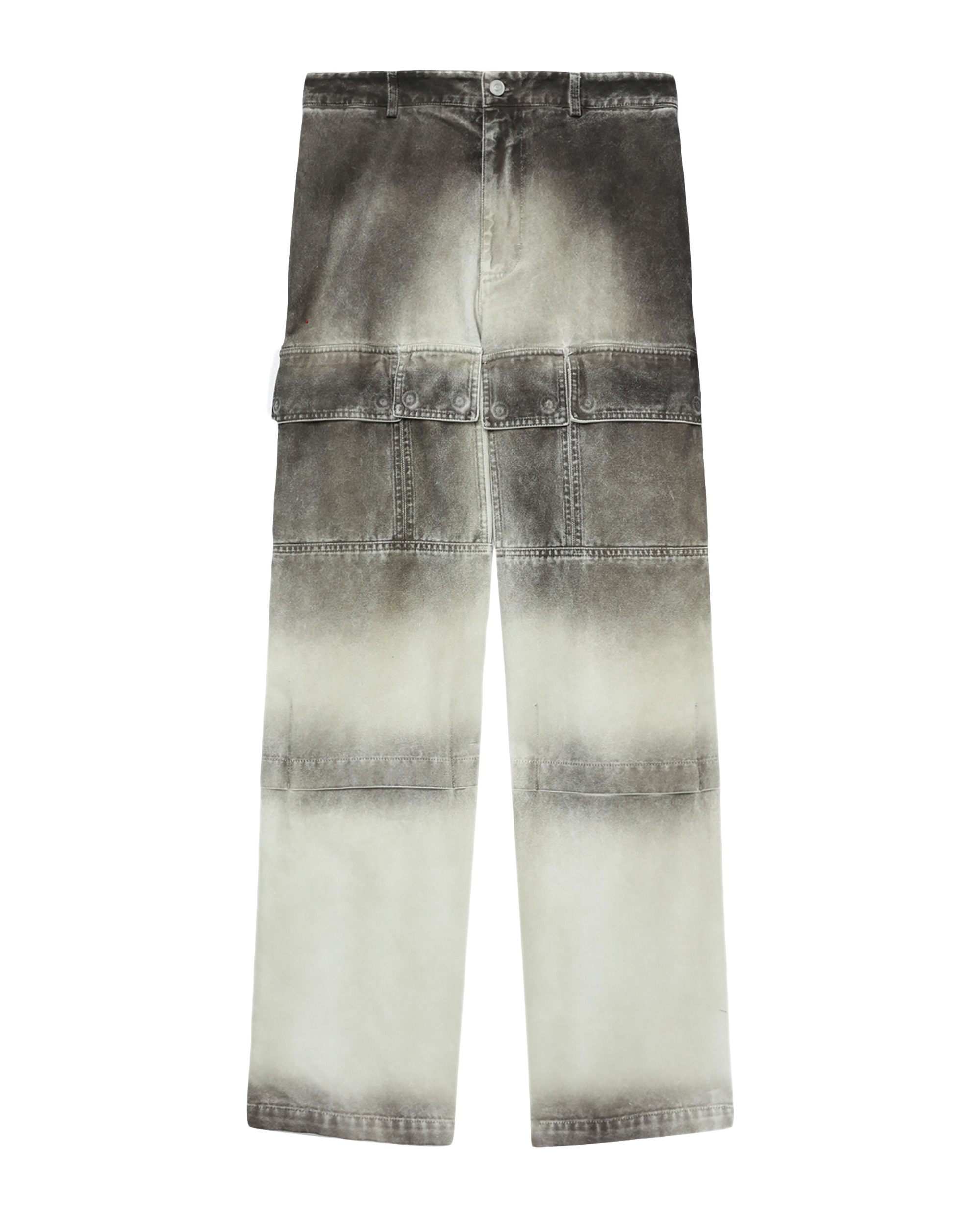
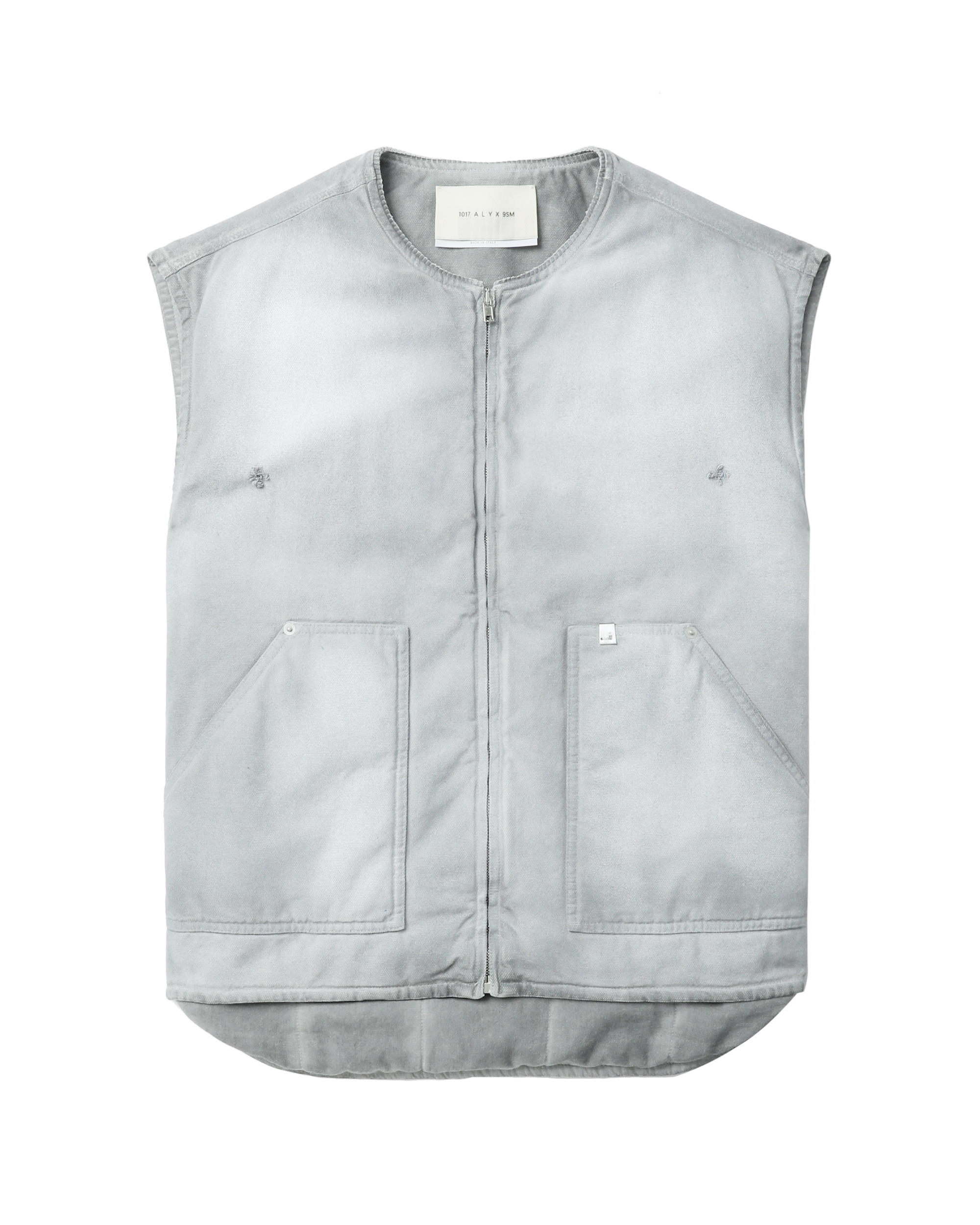
Matthew Williams has spent the better part of a decade building 1017 ALYX 9SM into fashion's most rigorous study in hardware-as-ideology — the rollercoaster buckle, the industrial carabiner, the tactical strap repurposed into a belt. So when Audemars Piguet invited him to reimagine its most sacred object, the Royal Oak, the result was never going to be a decorative exercise. The Audemars Piguet x 1017 ALYX 9SM Royal Oak is a genuine collision of two design languages, and it arrives at precisely the moment the watch world is being forced to reckon with the collectors who came up through streetwear rather than the auction house.
What Williams understood — and what makes this collaboration cohere where so many fashion-watch hookups dissolve into logo swapping — is that the Royal Oak was already brutalist before brutalism had a marketing department. Gérald Genta's 1972 original, with its octagonal bezel and exposed hexagonal screws, was a piece of industrial architecture strapped to the wrist. Williams didn't soften it. He amplified the tension.
Hardware as Ideology
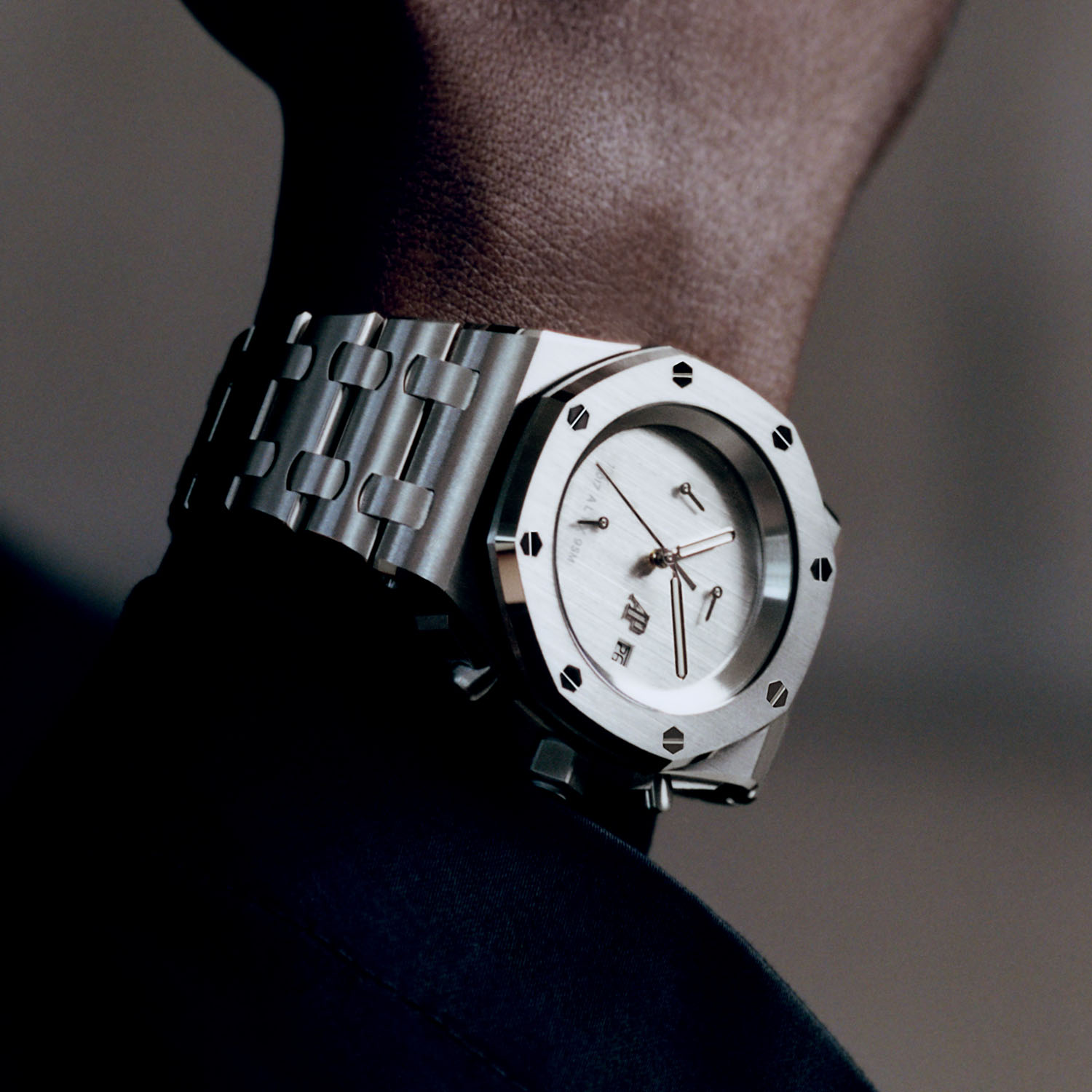
The signature eight-screw bezel is rendered in a matte, almost gunmetal-toned finish that reads closer to machined tooling than jewelry, and the integrated bracelet is executed with a flatness and heft that deliberately echoes the hardware language running through ALYX's apparel. On the chronograph ROO variants, the pushers and crown guards take on a shield-like, utilitarian geometry that feels pulled from a piece of tactical equipment rather than a display case in Geneva.
This is the through-line of Williams's practice — the conviction that a buckle can carry as much meaning as a silhouette — translated into a medium where every surface is scrutinized under a loupe. The hardware doesn't sit on the watch as decoration. It structures the entire object.
Severity Over Sparkle
The materials follow the same logic. This is not a watch that courts high-polish flash; the case and bracelet surfaces lean into brushed, low-luster finishing, with contrast coming from texture rather than sparkle. The dials are restrained to the point of severity — monochromatic, legibility-first, stripped of the guilloché ornamentation that defines so much of the Royal Oak catalogue. Where AP's standard references whisper wealth, this one states function. It is a watch that looks like it was specified by an engineer, signed off by a creative director, and built by hand — which, in a sense, it was.
The Timing Is the Point
The cultural context matters here because the timing is not accidental. 1017 ALYX 9SM has spent recent seasons refining its proposition — the Fall 2023 collections and the Pre-Spring 2025 menswear shows that critics described as "minimalism with soul" trace a line back to the brand's earliest hardware experiments — while the majority investment from Hong Kong's Adrian Cheng and the strategic reset charted by The Business of Fashion have given Williams the capital and runway to operate at a different scale. A partnership with Audemars Piguet is the logical endpoint of that trajectory: proof that a designer who built credibility on buckles and straps can now be entrusted with a five-figure horological icon.
For the Collector Who Reads a Bracelet Like a Midsole
And that is exactly who this piece is for. Not the traditional AP client who buys a Jumbo for the boardroom, but the collector who came of age with 1017 ALYX 9SM's harness bags and technical outerwear, who reads a bracelet the way they read a sneaker midsole, who wants a Royal Oak that matches the register of their wardrobe rather than apologizing for it. It is a watch for people who treat industrial design as a first language, and who understand that the most interesting luxury right now is the kind that refuses to look expensive in the conventional sense.
Why it matters now is simple: the Audemars Piguet x 1017 ALYX 9SM Royal Oak is one of the first collaborations to treat the fashion-watch crossover as a design problem rather than a marketing one. It doesn't decorate the Royal Oak; it reinterprets it through a genuinely coherent aesthetic filter, and in doing so it gives the maison access to a generation of collectors it has been courting for years. For Williams, it's a statement of permanence — the moment his hardware vocabulary graduated from clothing to horology. For anyone who has ever wanted a Royal Oak that feels less like an heirloom and more like a tool, this is the one worth paying attention to.