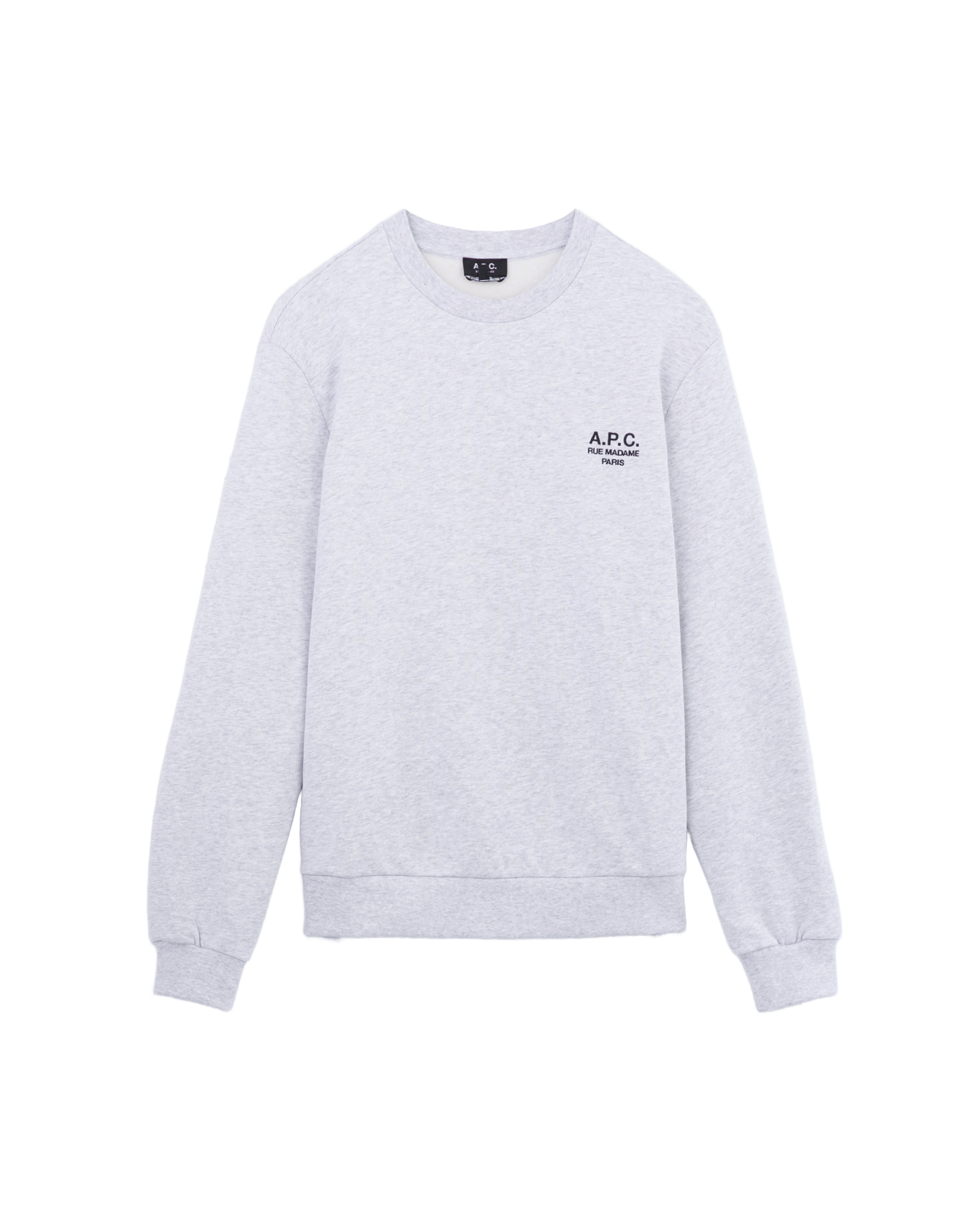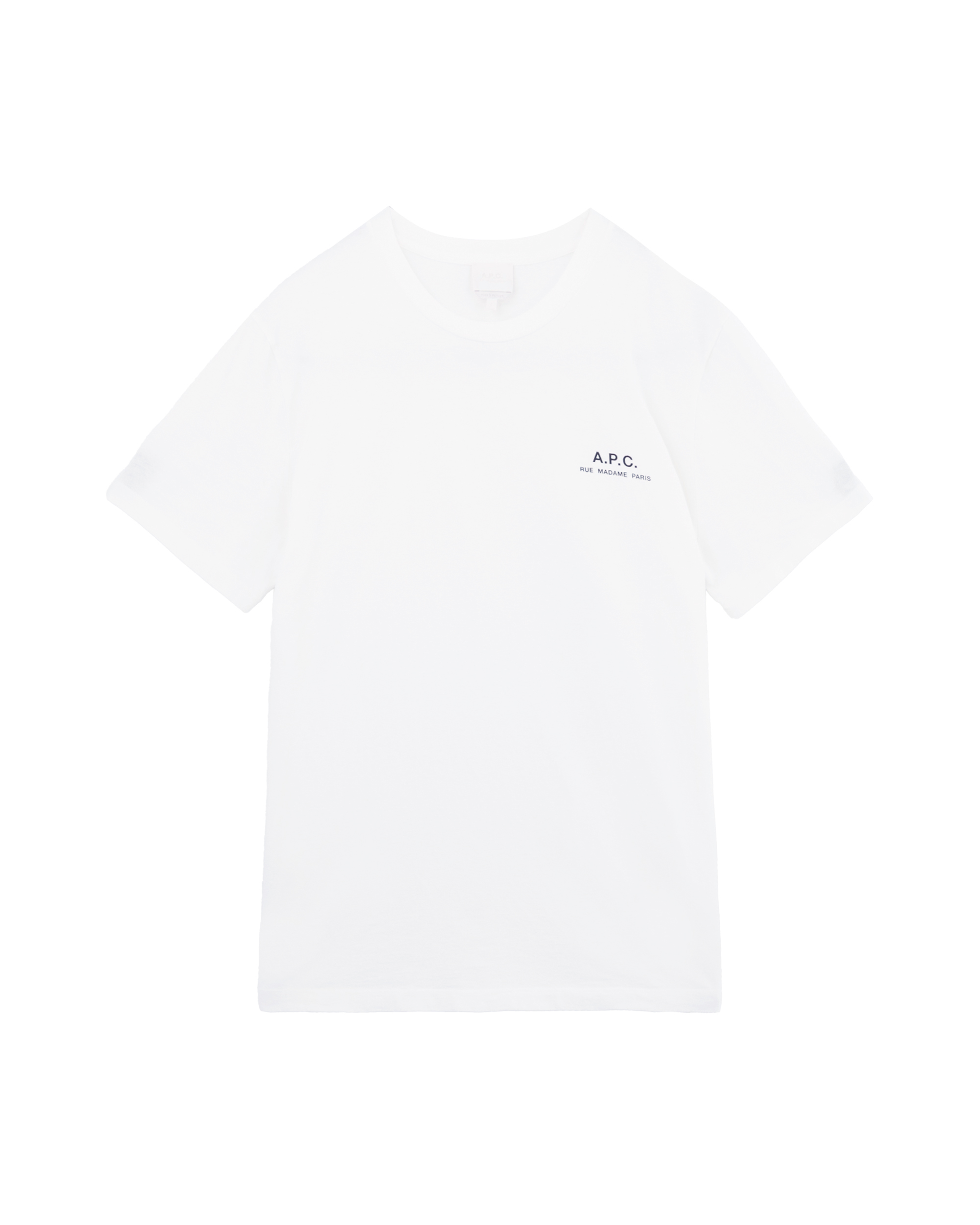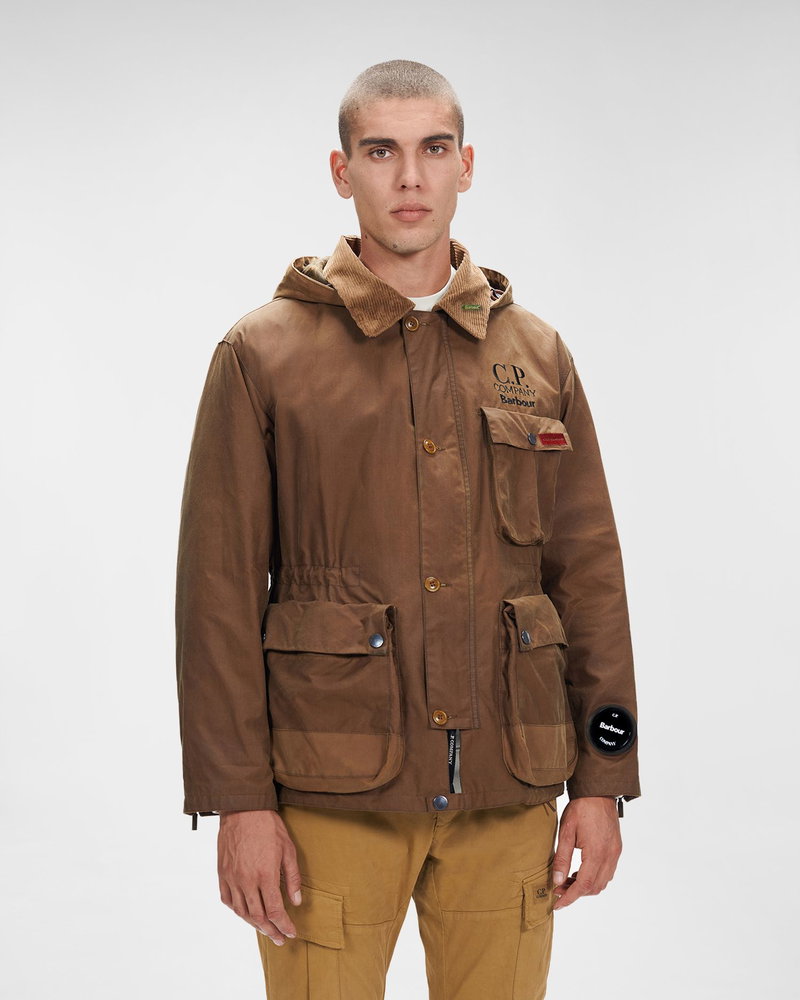
The most compelling piece of outerwear to emerge this season never announced itself. The A.P.C. x Barbour Thornproof Wax Jacket arrived as a study in restraint — a garment that trusts the intelligence of the person wearing it and the eye of the person seeing it. And then, almost as quietly, it sold out.
That scarcity is not a marketing flourish; it is the natural consequence of two houses with unusually disciplined design languages finding the precise point where they overlap. For anyone who measures a wardrobe by longevity rather than velocity, this is the jacket worth understanding, even if acquiring it now requires patience and a saved search.
Where Parisian Restraint Meets British Weather
The collaboration makes structural sense in a way most brand pairings do not. A.P.C., founded by Jean Touitou in 1987, built its reputation on a kind of Parisian anti-spectacle: raw denim cut cleanly, shirting without ornament, a palette that resists trend. Barbour, the South Shields institution dating to 1894, built its reputation on the opposite terrain — wind, rain, mud, and the practical demands of the British countryside.
Where A.P.C. edits, Barbour fortifies. The Thornproof Wax Jacket is the product of that negotiation. The silhouette is trimmed closer to the body than Barbour's traditional Bedale or Beaufort, giving the shape a leaner, more urban line while preserving the field-jacket DNA: the corduroy collar, the four bellows pockets, the studded storm flap, the throat latch that fastens against weather. A.P.C.'s contribution is restraint — a muted, near-monochrome treatment, minimal branding, and a cut that reads as deliberate rather than costume. The result is a jacket that works over a suit shirt in the city and over a knit on a weekend without changing its register.
The Material Is the Argument
The material is where the argument becomes physical. Barbour's thornproof wax cotton is a six-ounce cloth saturated with wax that stiffens slightly in cold, softens with wear, and develops a patina unique to its owner. It is genuinely weatherproof — not a stylized gesture at weatherproofing — and it is repairable, re-waxable, and designed to outlast its first decade and probably its second.
In an era when outerwear is frequently engineered for a single season of relevance, that durability is a quietly radical proposition. The wax finish also means the jacket ages visibly: creases at the elbows, a softening at the collar, a sheen that shifts with use. It rewards the wearer who keeps things.
Heritage, Edited for Now
Culturally, the piece sits at a productive intersection. Waxed cotton has moved well beyond its agricultural origins into the permanent wardrobe of people who value function without forfeiting form — the same territory where heritage workwear and European minimalism have been converging for years. Barbour's own collaborations have accelerated that shift, and A.P.C.'s involvement lends the jacket a particular credibility: it is not heritage-as-nostalgia, but heritage edited for contemporary life.
The sell-out reflects a broader appetite for exactly this — pieces that are distinctive without being loud, expensive without being ostentatious, and built to be worn rather than archived.
Who It's For
It is for the person who has tired of logo-forward outerwear and wants a jacket with a spine. For the traveler who needs one layer to handle a wet city and a cold platform. For the buyer who would rather own one excellent waxed jacket than three compromised ones.
It matters now precisely because it refuses the logic of the moment: no reinvention cycle, no seasonal churn, just a well-cut, weatherproof object with a fifty-year-old material and a forty-year-old design ethos behind it. The A.P.C. x Barbour Thornproof Wax Jacket sold out because it was made to be kept — and in the current climate, that is the rarest quality of all.