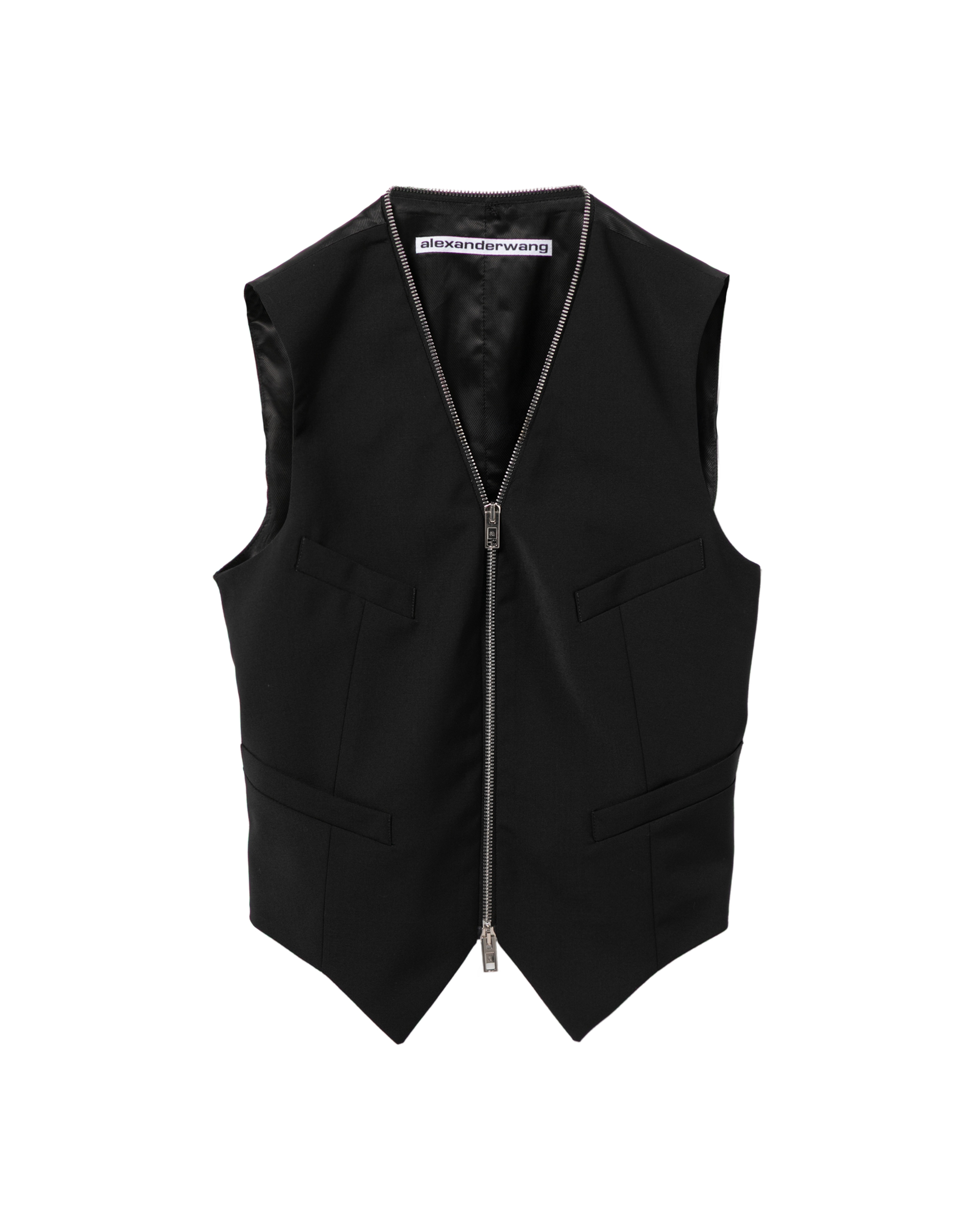
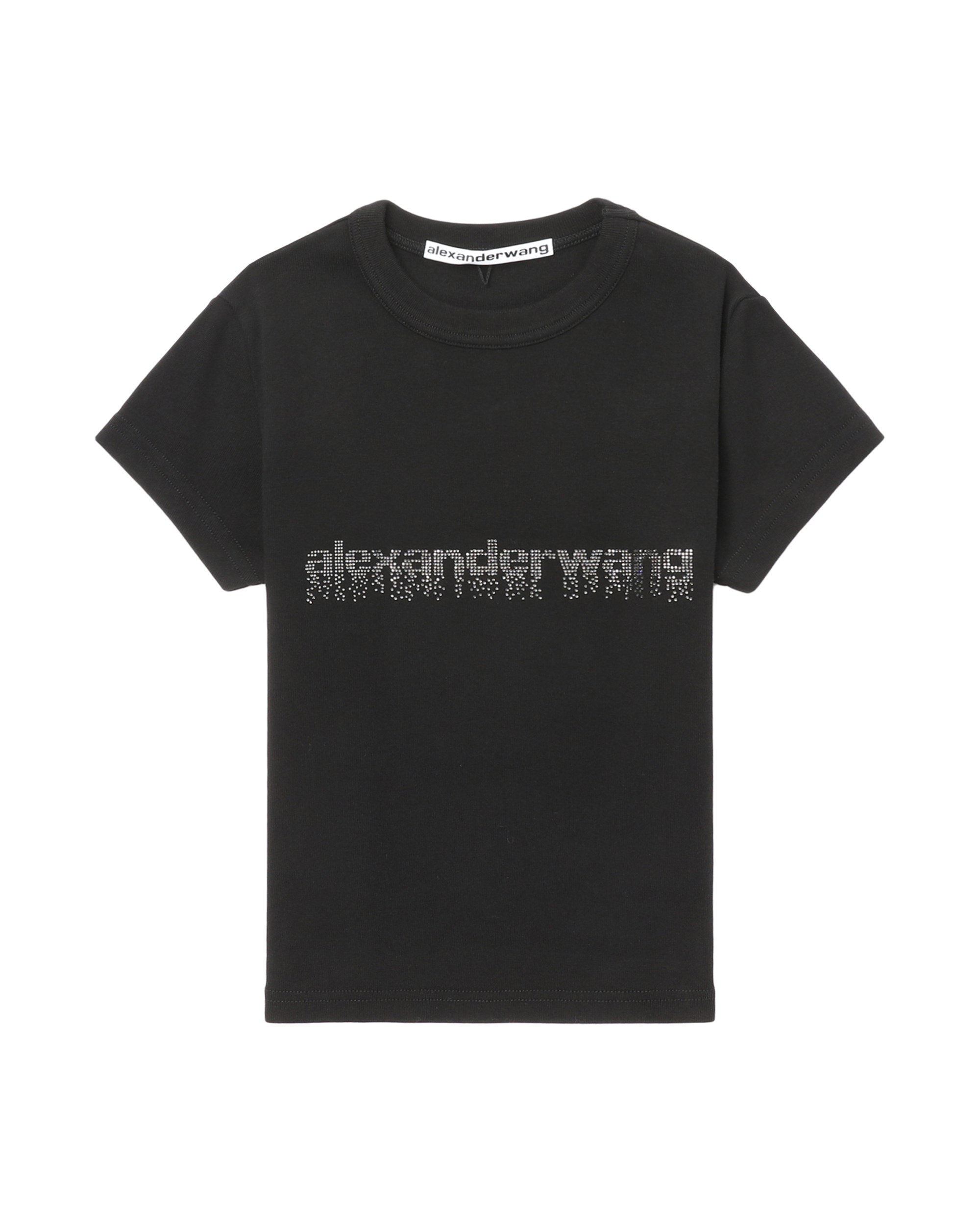
Somewhere between the recycled archival drops and the cautious commercialism clogging the current calendar, Alexander Wang has detonated a quiet technological bomb. The Griphoria 3D printed stiletto—the centerpiece of his Fall 2026 ready-to-wear collection and now confirmed as the first fully wearable, structural 3D-printed heel to hit the luxury market—is not merely a shoe. It’s a manifesto rendered in sintered polymer, proof that couture’s future will be printed, not sewn. At first glance, the Griphoria defies the very logic of footwear: a skeletal cage of interlocking lattices rises from a razor-thin spire, suspending the foot in a web of negative space that reads more like a bridge model than a pump. Yet Wang’s genius lies in making the radical feel inevitable. The name, derived from the Greek *griphos* (riddle) and *phoria* (bearing), says it all: this is a shoe that carries an enigma on its back, challenging the wearer to reconcile industrial precision with the organic fluidity of a bare ankle.
The Material Story: Engineering Meets Ergonomics
The Griphoria transcends gimmickry through its material logic. Each pair is produced via selective laser sintering, a process that fuses fine polyamide powder into a monolithic form—no seams, no glue, no last. This allows Wang’s team to engineer flex points with millimeter accuracy, creating a heel that actually contours to the metatarsal arch rather than forcing the foot into submission. Early testers describe the sensation less like a torture device and more like a supportive exoskeleton. The lattice structure isn’t decorative; it functions as a stress-distribution matrix that reduces impact on the ball of the foot by nearly 40 percent compared to traditional leather pumps. For a designer who built an empire on downtown grit and utilitarian cool, this pivot to computational design feels less like betrayal and more like logical evolution. Wang has always been fascinated by the tension between hard and soft, street and salon—and the Griphoria, with its unyielding shell and airy interior, is the purest expression of that duality to date.
Timing, Culture, and the Post-Scarcity Luxury Economy
Culturally, the timing is impeccable. Wang’s recent announcement of Wang Contemporary, a cross-disciplinary arts hub in a restored Chinatown landmark co-founded with his mother, signals a designer looking beyond the garment to shape broader creative discourse. The Griphoria, unveiled amid this philanthropic and cultural expansion, positions technology not as a cold disruptor but as a craft tool in service of human expression. It arrives at a moment when the industry is grappling with sustainability crises and the environmental toll of mass production. A 3D-printed shoe manufactured on-demand, with zero leather waste and a fully recyclable polymer chassis, offers a tantalizing glimpse of a closed-loop luxury economy. Wang isn’t just dressing the It-girls of 2026—Tyla was spotted reviving studded Wang sandals in Berlin just weeks before the Griphoria’s debut—he’s quietly building the infrastructure for a post-scarcity fashion system.
Who Is the Griphoria For?
The Griphoria is for the collector who owns every limited-edition sneaker collaboration and now craves the next frontier. It’s for the architect who sees footwear as a miniature built environment. It’s for the woman who has worn 100mm heels to gallery openings and underground raves alike, and who understands that the future of glamour won’t be found in a heritage atelier but in a printer’s bed. The shoe’s stark, bone-white finish and skeletal silhouette make it a natural fit for the cyber-goth aesthetic currently dominating runways, yet its ergonomic engineering ensures it remains wearable from cocktail hour to 3 a.m. Wang’s Fall 2026 show, which juxtaposed the Griphoria with slashed knits and oversized tailoring, made clear this is not a novelty piece destined for a museum vitrine. It’s the opening salvo in a new arms race of footwear innovation—one where brands will be judged not by heritage stamps but by computational fluency.
What makes the Griphoria matter now is its refusal to choose sides. In an era of false dichotomies—handmade versus machine, luxury versus tech, comfort versus height—Wang has produced an object that collapses these categories entirely. It honors the couture tradition of bespoke fit while embracing the digital tools that will define the next century of making. It’s a stiletto that looks like a fragment of a future ruin, yet feels like a second skin. As the fashion world debates whether artificial intelligence will replace the designer’s eye, Wang has answered not with a manifesto but with a shoe: a load-bearing, gravity-defying, 3D-printed testament to the idea that the most human thing a designer can do is keep pushing the limits of what a body can wear. The Griphoria is not the end of the stiletto—it’s the first chapter of its reincarnation.