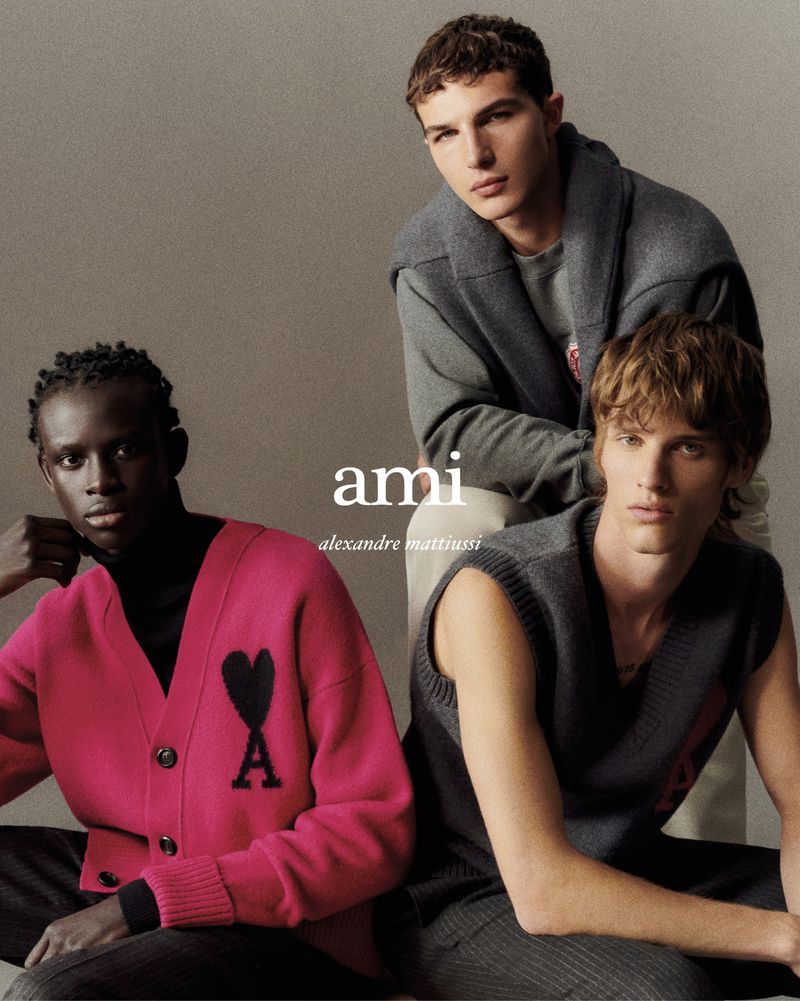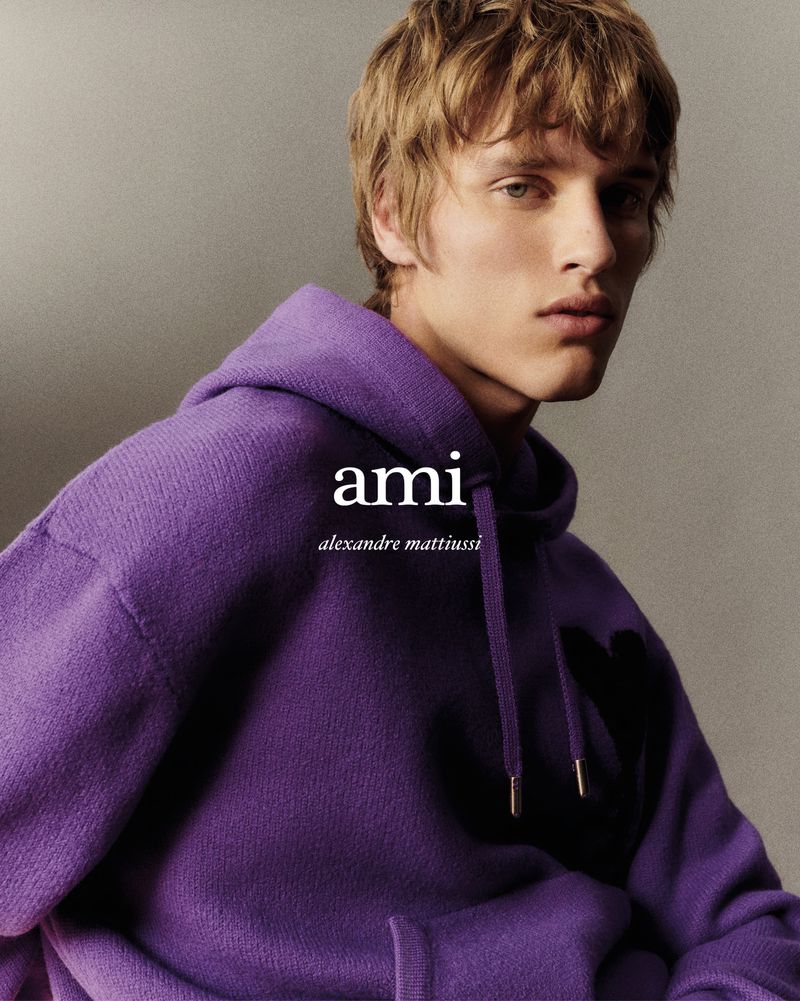
Since 2011, AMI has operated on a disarmingly simple proposition: that real Parisian style needn't be precious, and that the heart — *ami* means friend in French — belongs at the center of everything. Alexandre Mattiussi's house has spent more than a decade dressing adults in that particular blend of Left Bank nonchalance and rigorous tailoring. Now, with the debut of the AMI Paris Kids' Collection, that same sensibility has been scaled down for the smallest members of the family.
It's a natural evolution for a brand built on accessibility, warmth, and the democratization of cool — and it lands at a moment when the childrenswear market has never been more receptive to genuine design authority. Less a spinoff than a continuation, the line extends the house's real design language to people who are only beginning to figure out who they are.
The Codes, Scaled Down
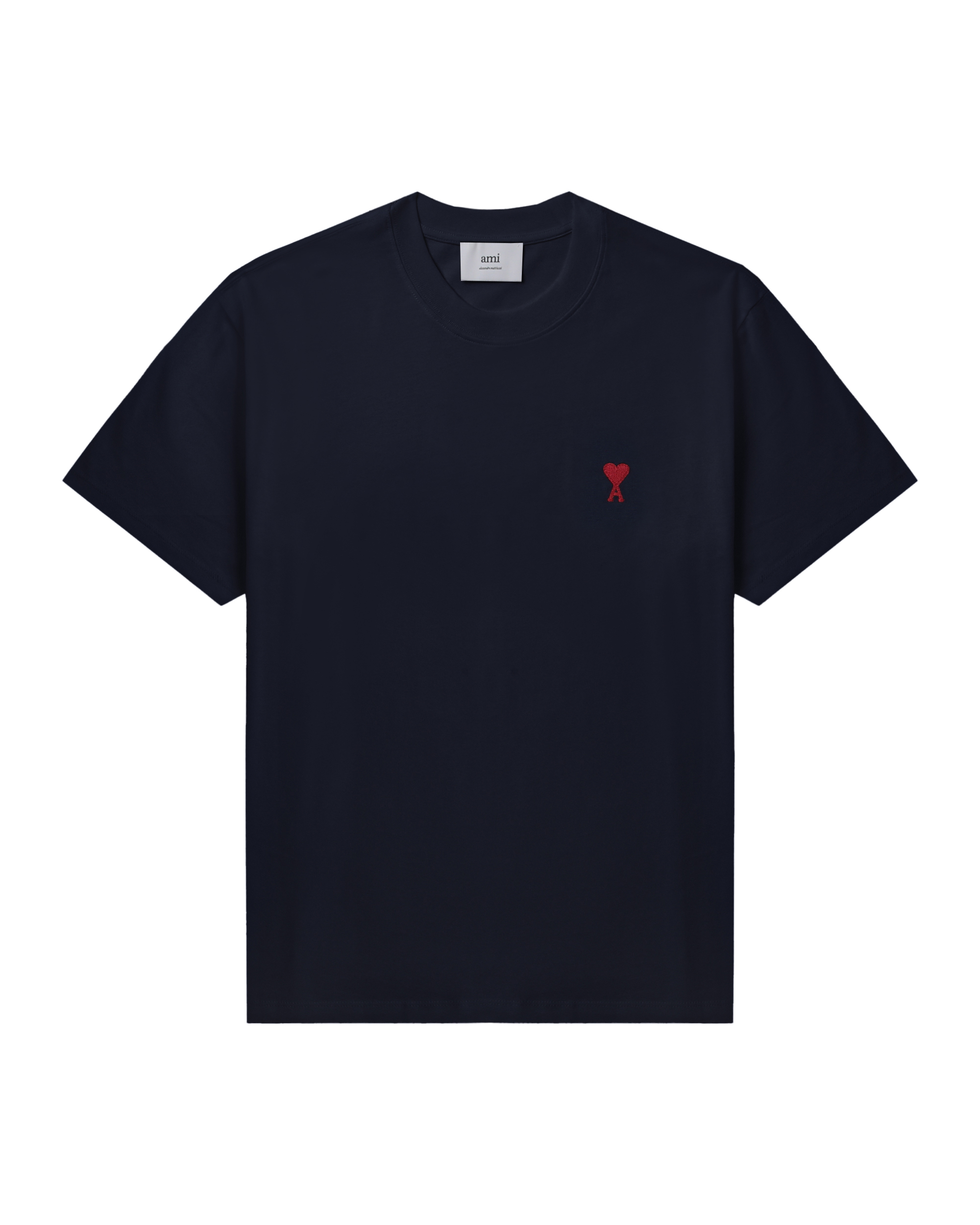
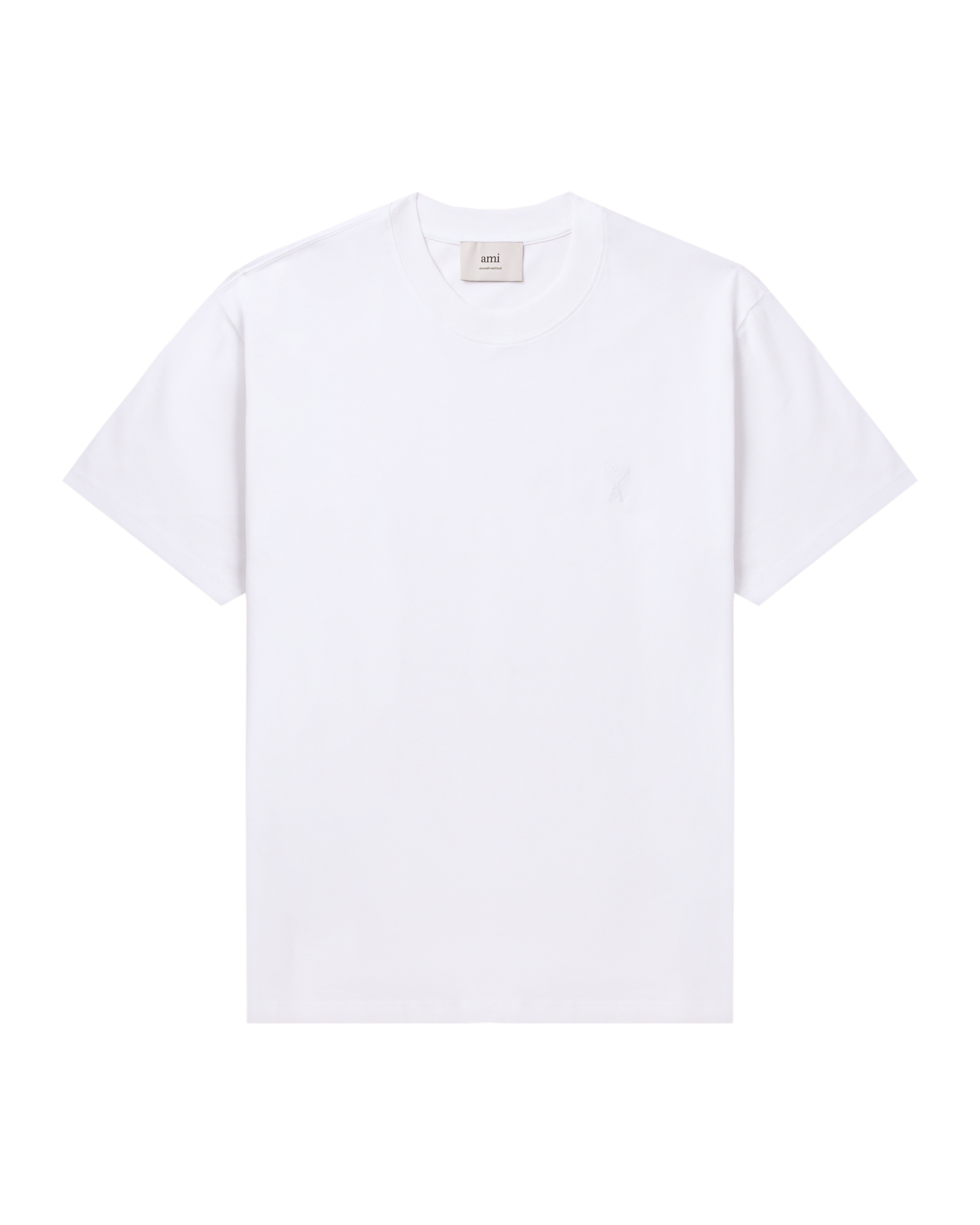
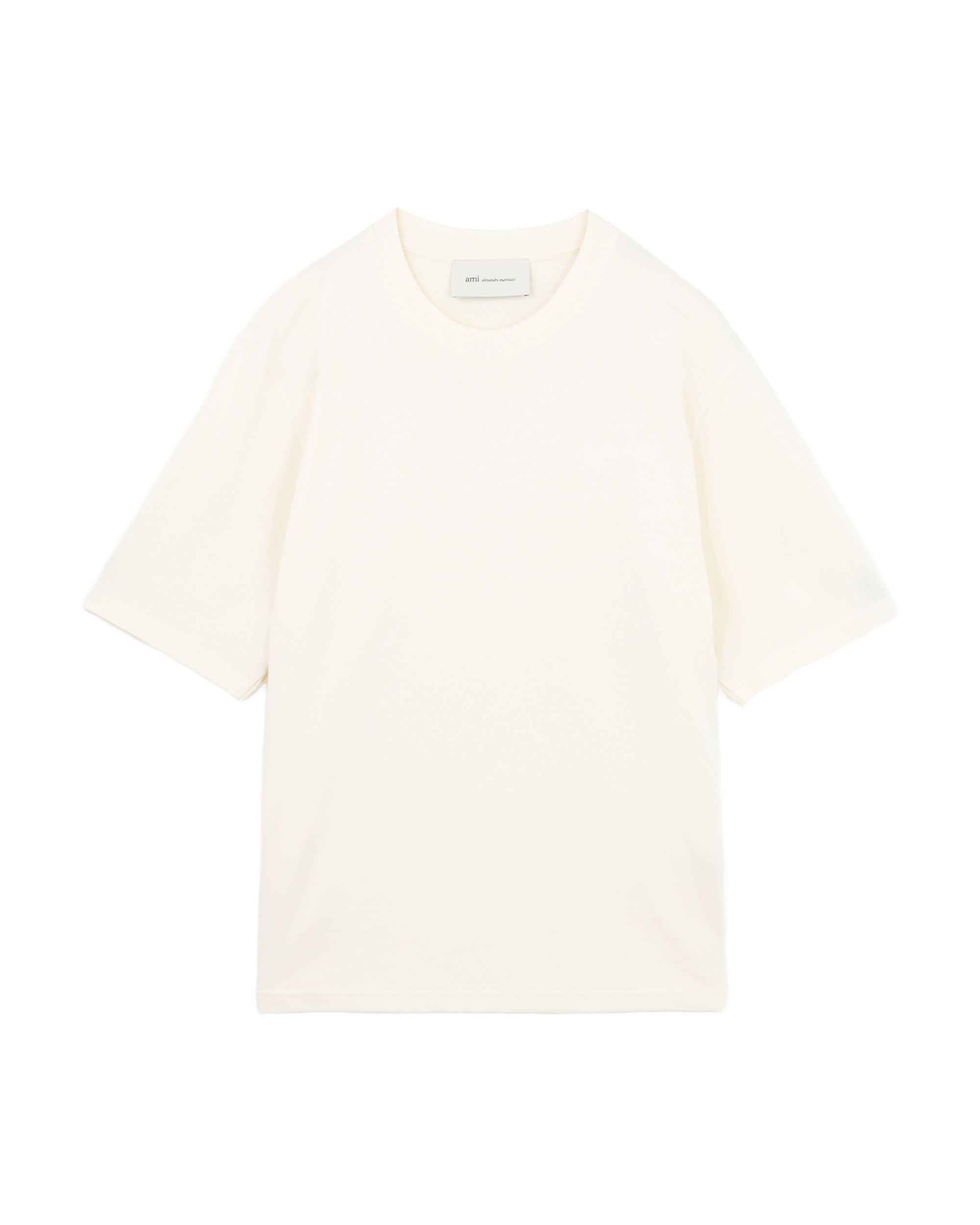
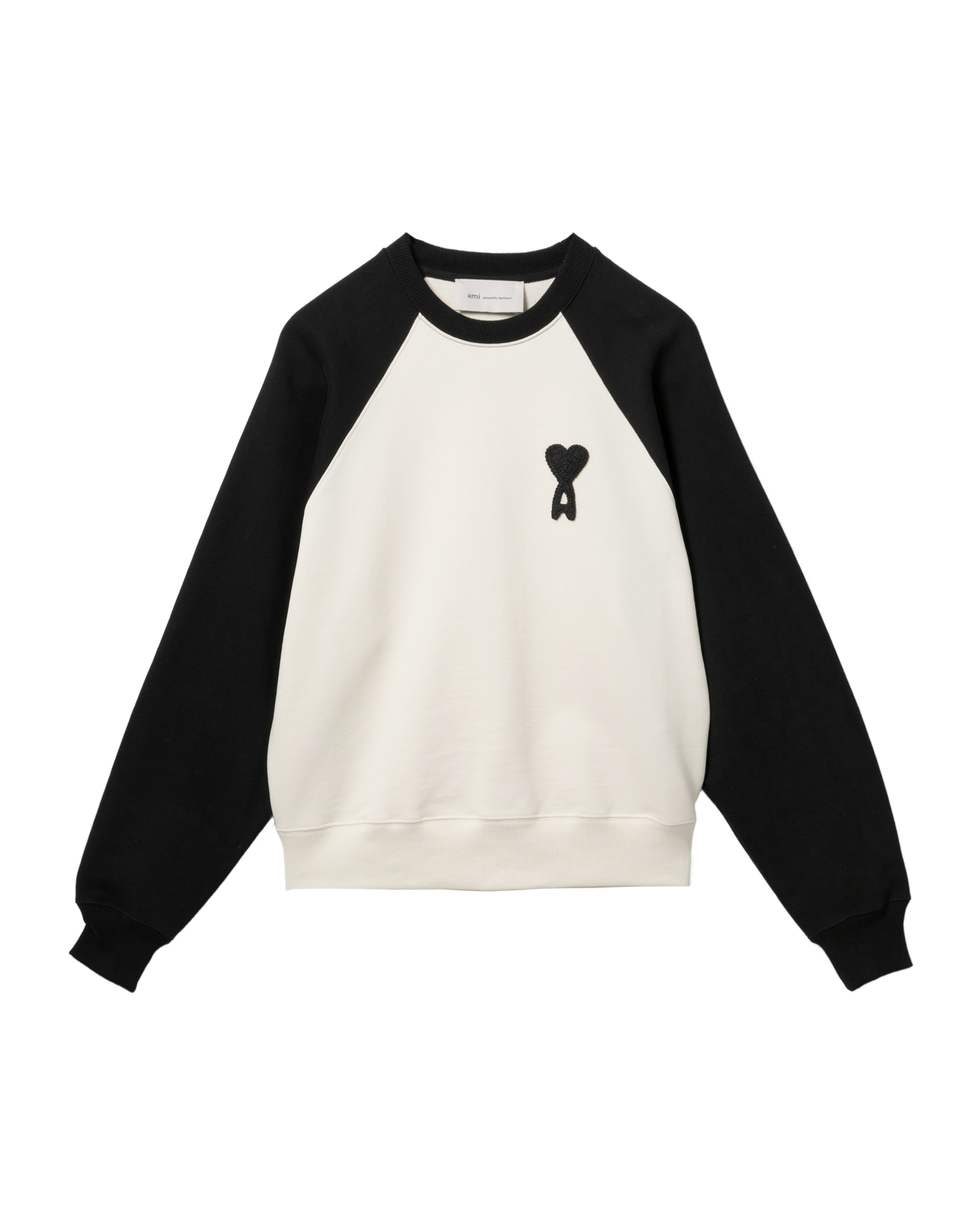
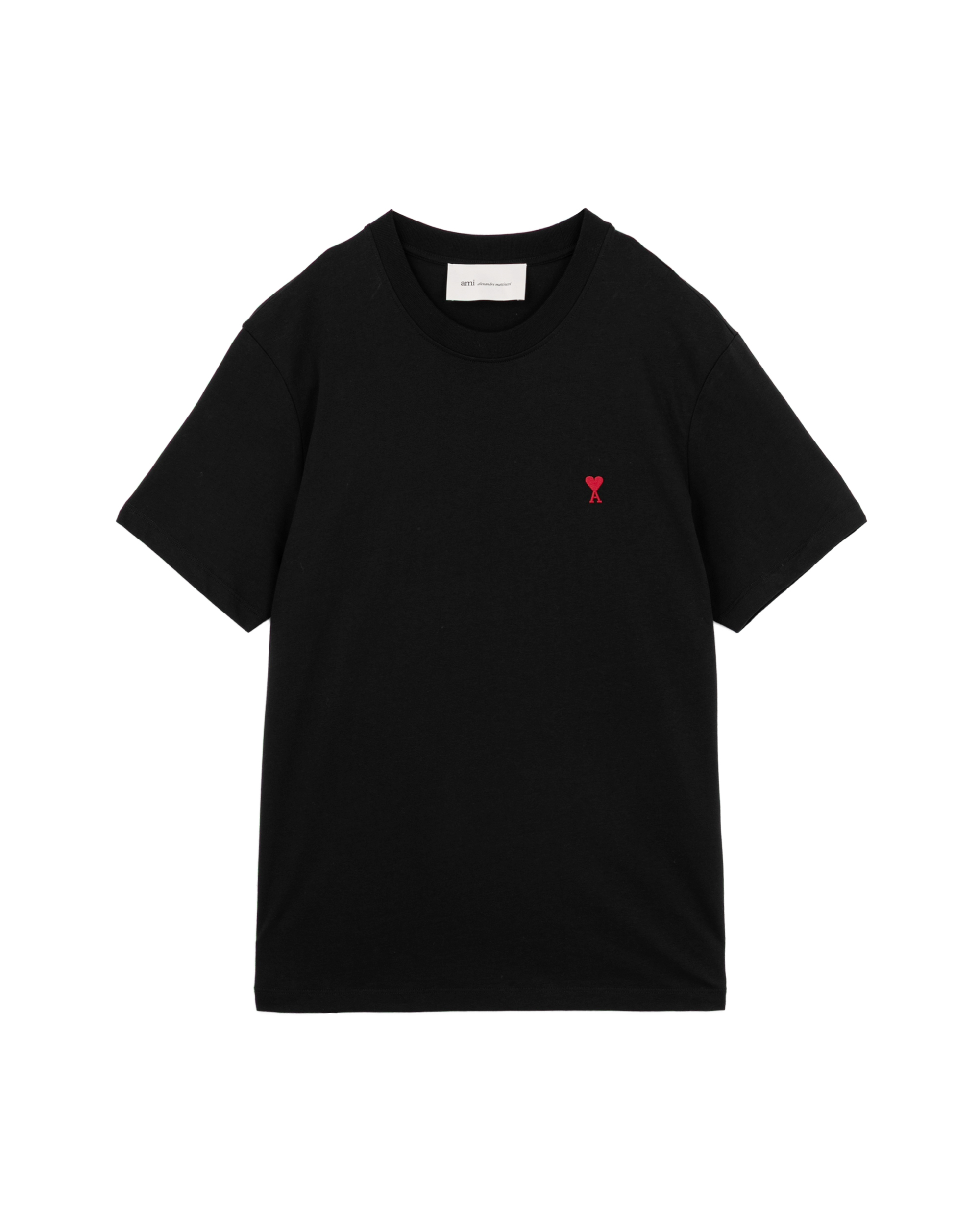
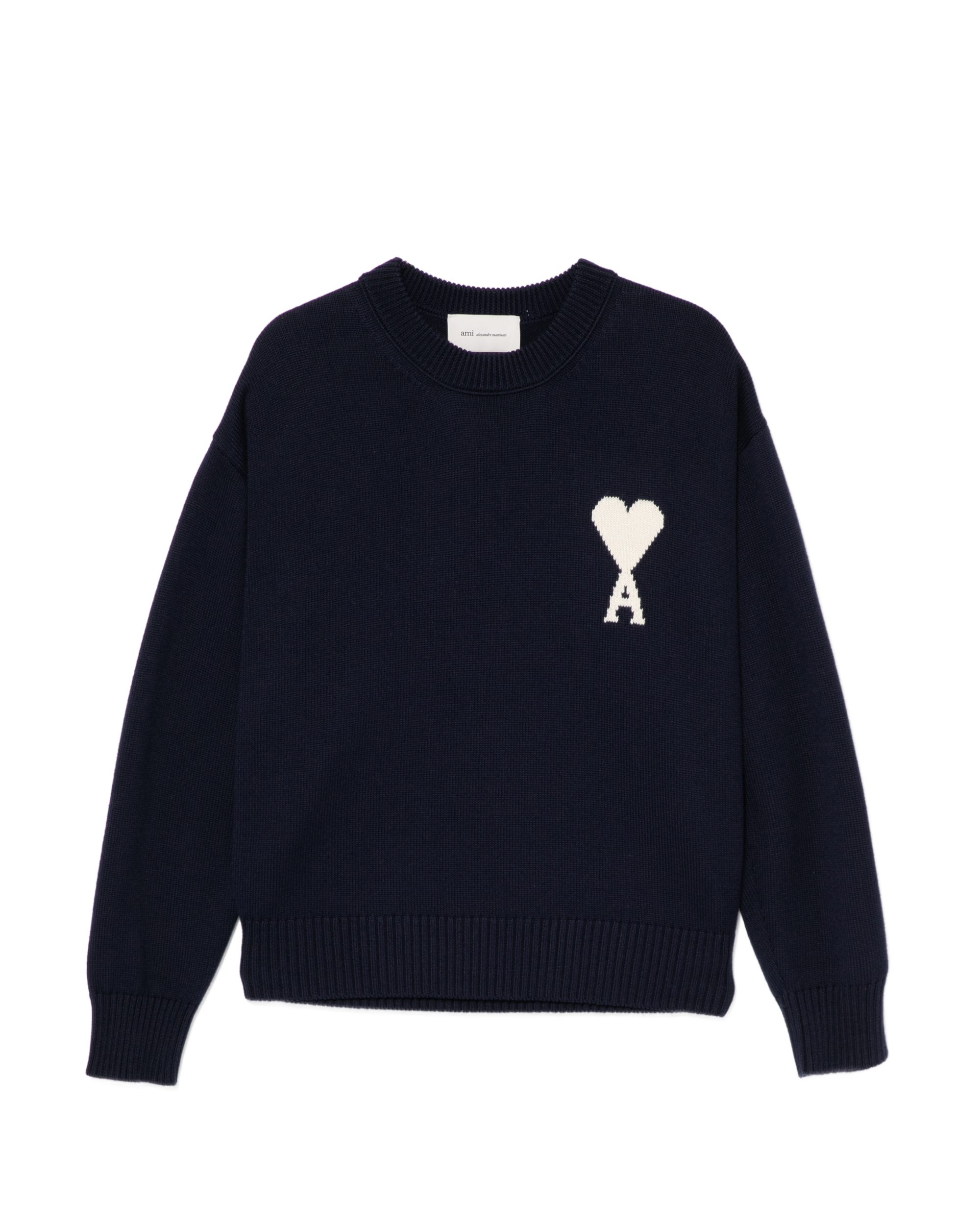
The translation from adult to child is handled with evident care. The Ami de Coeur emblem — that chalk-drawn heart with its arrow, the brand's most recognizable motif — appears embroidered on crewneck sweatshirts and jersey tees, worked in soft, skin-friendly threads rather than the heavier applications used on grown-up garments. The De Coeur cardigan, a staple of the mainline, returns in compact knitwear sized for smaller frames.
Elsewhere: relaxed chinos and easy shirting echo the silhouettes that made Mattiussi's menswear a fixture of contemporary wardrobes. Hoodies come in brushed cotton fleece. Cotton-poplin overshirts get patch pockets. Knit beanies are finished with the same tonal restraint that defines everything else the house does. Nothing here reads as costume or novelty — the pieces cohere as a wardrobe, merely scaled.
Built for Actual Wear
Materials matter enormously in childrenswear, and AMI has approached the category with the seriousness it deserves. Fabrics skew toward soft, breathable cottons, fine-gauge knits, and durable interlock jersey — textiles that survive playground and washing machine alike without losing their hand. Seams are finished to avoid irritation. Waistbands are elasticated. Closures are engineered for small, impatient fingers.
The palette stays close to the house's established vocabulary: cream, navy, heather grey, and the occasional flash of signature red. The result is a child who looks unmistakably of the family — without being dressed as a miniature adult.
A Smart Cultural Bet
Luxury houses have increasingly recognized that childrenswear is not a peripheral licensing exercise but a meaningful extension of brand storytelling — a way to introduce a name to a new generation of consumers and to accompany existing clients through different chapters of their lives. For AMI, the logic is especially sound. The brand's founding ethos was always about friendship, family, and the everyday rituals of dressing well. What could be more consonant with that than clothing made for the children of the people who already wear the heart?
The collection positions itself not as aspirational trophy dressing but as an affectionate continuation of a relationship the house has spent years cultivating. As for who it serves: parents who already live in AMI and want to share that ease with their kids; design-conscious gift-givers looking for something more considered than the usual logo-splashed fare; and, frankly, anyone who has watched the childrenswear category mature and wanted a genuinely well-made option that doesn't condescend.
Sizing spans the early years through pre-teen, and the pieces are built to be worn hard and handed down — an implicit sustainability argument that sits comfortably alongside the brand's unpretentious positioning.
Why It Matters Now
In a market crowded with licensed children's lines that treat small customers as an afterthought, AMI has chosen to do the opposite: to extend its real design language, its real materials, and its real point of view to a new audience.
The AMI Paris Kids' Collection isn't a branding exercise. It's the house doing what it has always done — making well-cut, quietly charming clothes for people who want to feel like themselves. Only now, for people who are just beginning to figure out who that is.