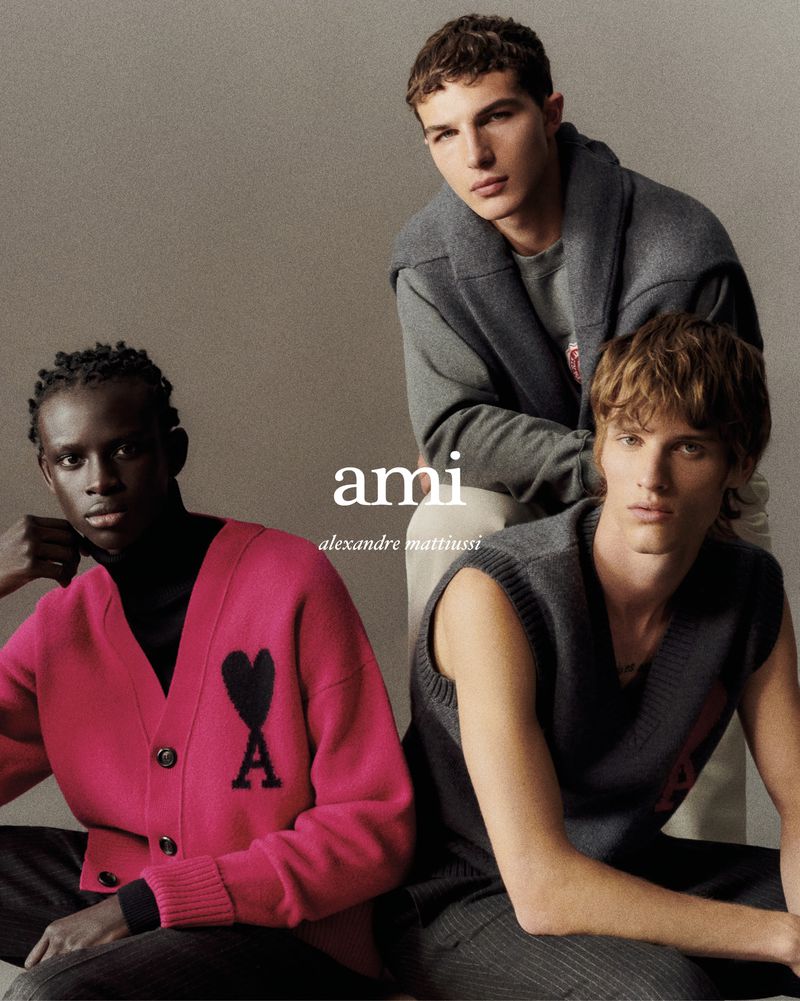
Since Alexandre Mattiussi founded AMI in 2011, the house has built its reputation on a single, disarmingly simple proposition: clothes that feel like they belong to a friend. The smiling Ami de Cœur—that now-ubiquitous heart logo—has always signaled warmth over exclusivity, a democratic vision of Parisian style that prizes ease, humor, and understated confidence above all. It was only a matter of time, then, before the maison turned its attention to the smallest members of its extended family. With its first-ever childrenswear collection, AMI translates nearly fifteen years of menswear and womenswear expertise into a wardrobe for the next generation—and in doing so, quietly reframes what luxury children's clothing can be.
The design language will be immediately recognizable to anyone who has followed the brand. AMI's signature silhouettes—the boxy crewneck sweatshirt, the relaxed trouser, the chore jacket—have been recalibrated for smaller frames without sacrificing the proportions that made them modern in the first place. Expect garment-dyed jersey in muted Parisian tones, miniature renditions of the house's tailored overcoat, and knitwear finished with the same ribbed precision as the adult line.
The Heart, Scaled Down
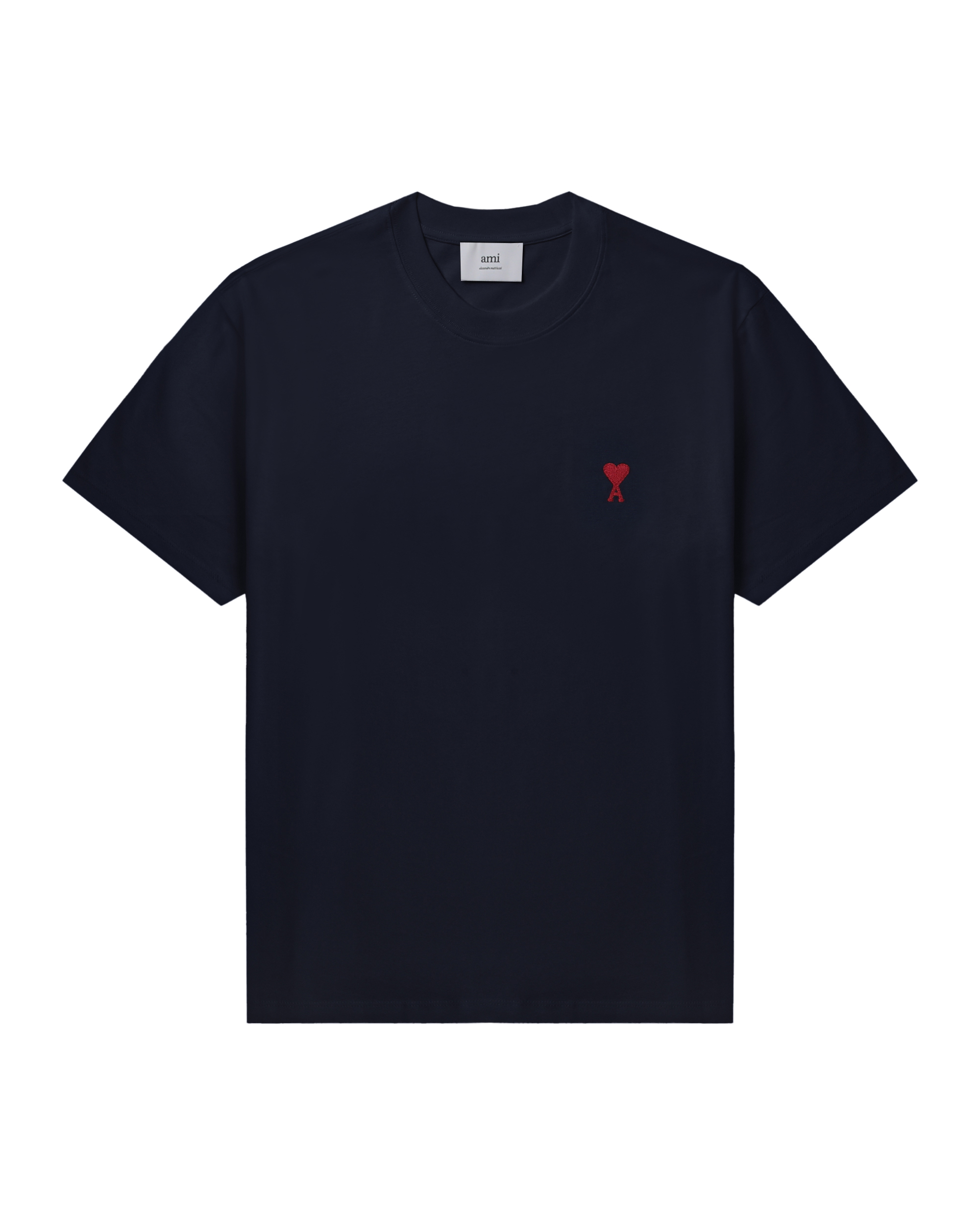
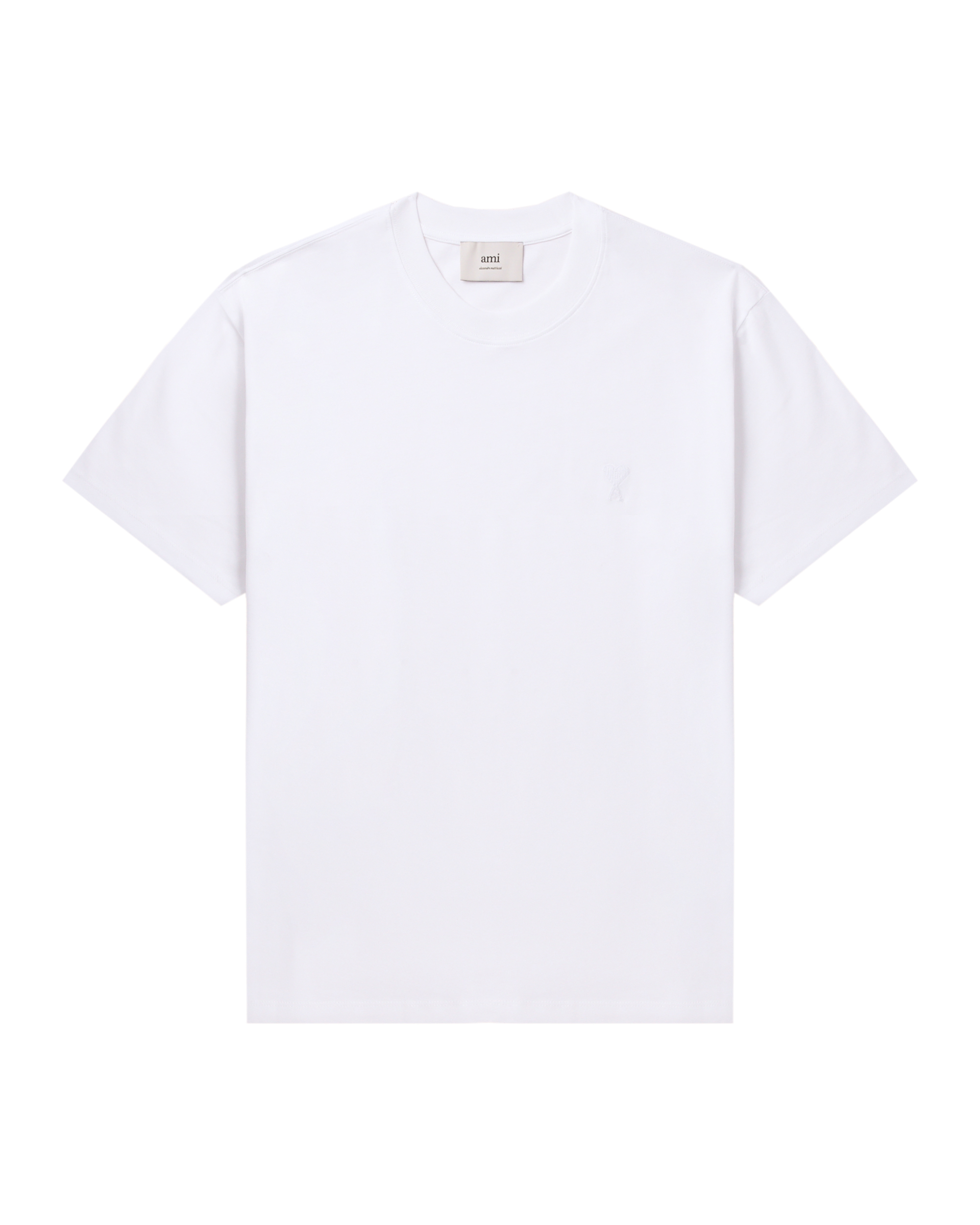
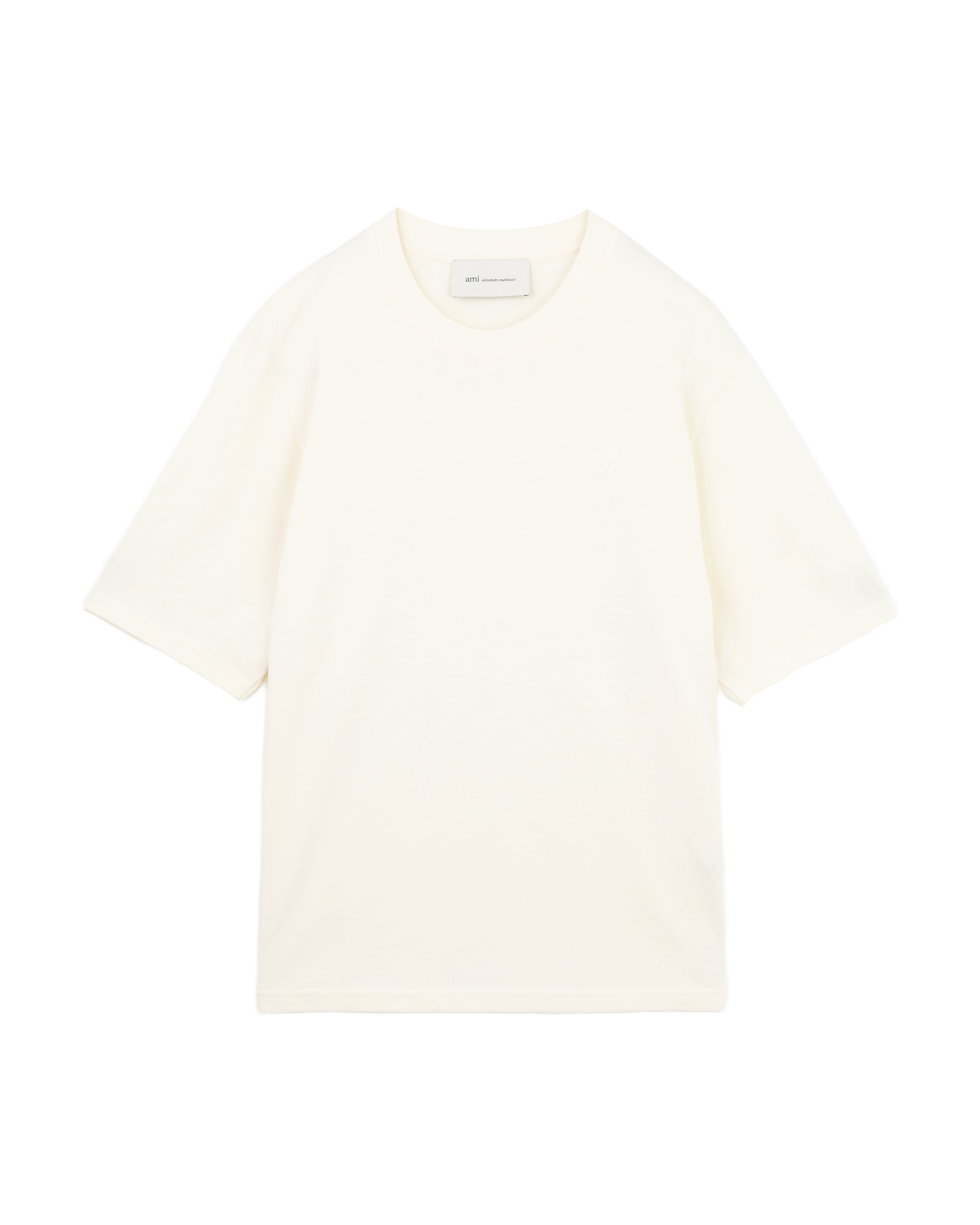
The Ami de Cœur appears throughout, but with restraint: as a discreet chest embroidery, a tonal patch, a single heart at the cuff. This is not merchandise dressed up as childrenswear; it is the brand's actual design vocabulary, scaled with intent. The proportions stay honest, the palette stays quiet, and the logo never shouts louder than it does on the grown-up rails.
Fabric First, Always
Materials matter doubly here, and AMI has approached the category with appropriate seriousness. The collection leans on certified organic cotton, soft brushed fleece, and wool blends selected for durability as much as hand-feel—fabrics that can survive a playground and still look composed at a Sunday lunch. Fastenings are considered rather than decorative: snap closures where small hands need them, elasticated waists that accommodate growth, seams finished to avoid irritation. The result is clothing that respects the realities of childhood while refusing to look like it.
A Natural Next Chapter
Culturally, the launch lands at a resonant moment. Childrenswear has become one of fashion's most dynamic arenas, with luxury houses increasingly treating kids as a genuine design audience rather than an afterthought—and parents, in turn, treating children's clothing as an extension of their own considered wardrobes. AMI's entry feels less like a licensing exercise than a natural expansion of its founding ethos. Mattiussi has always spoken about dressing real people in real life; children, after all, are the most real people there are. There is also something distinctly Parisian about the proposition—the idea that a five-year-old in a perfectly cut little coat is not precocious but simply correct.
Who It's For
First, the AMI loyalist who has built a wardrobe around the brand and wants a coherent aesthetic for the family photograph, not a matching-set gimmick. Second, the design-literate parent who has grown weary of childrenswear that is either disposable or overdecorated, and who wants pieces that can be handed down rather than thrown out. Third, and perhaps most interestingly, the gift-giver: a miniature AMI cardigan or heart-embroidered sweatshirt carries the unmistakable weight of a real designer object, with none of the preciousness that usually accompanies it.
Why it matters now is straightforward. AMI has spent more than a decade proving that accessible Parisian cool is not an oxymoron, and the childrenswear line extends that argument to its logical conclusion: that good design should begin early, and that the next generation deserves the same thoughtfulness the brand has always given its adults. In a market crowded with noise, AMI has done what it does best—kept it simple, kept it warm, and put a heart on it.