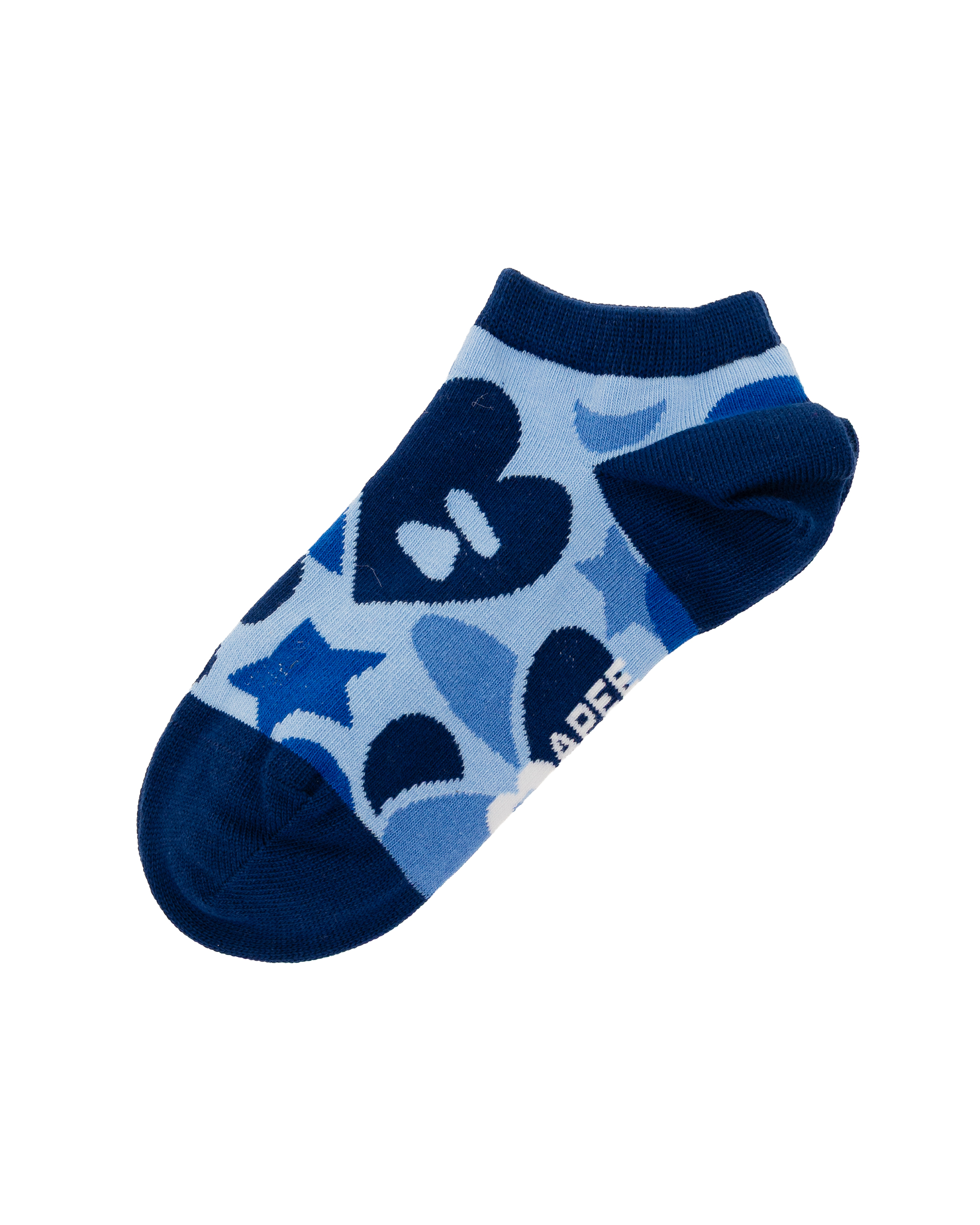
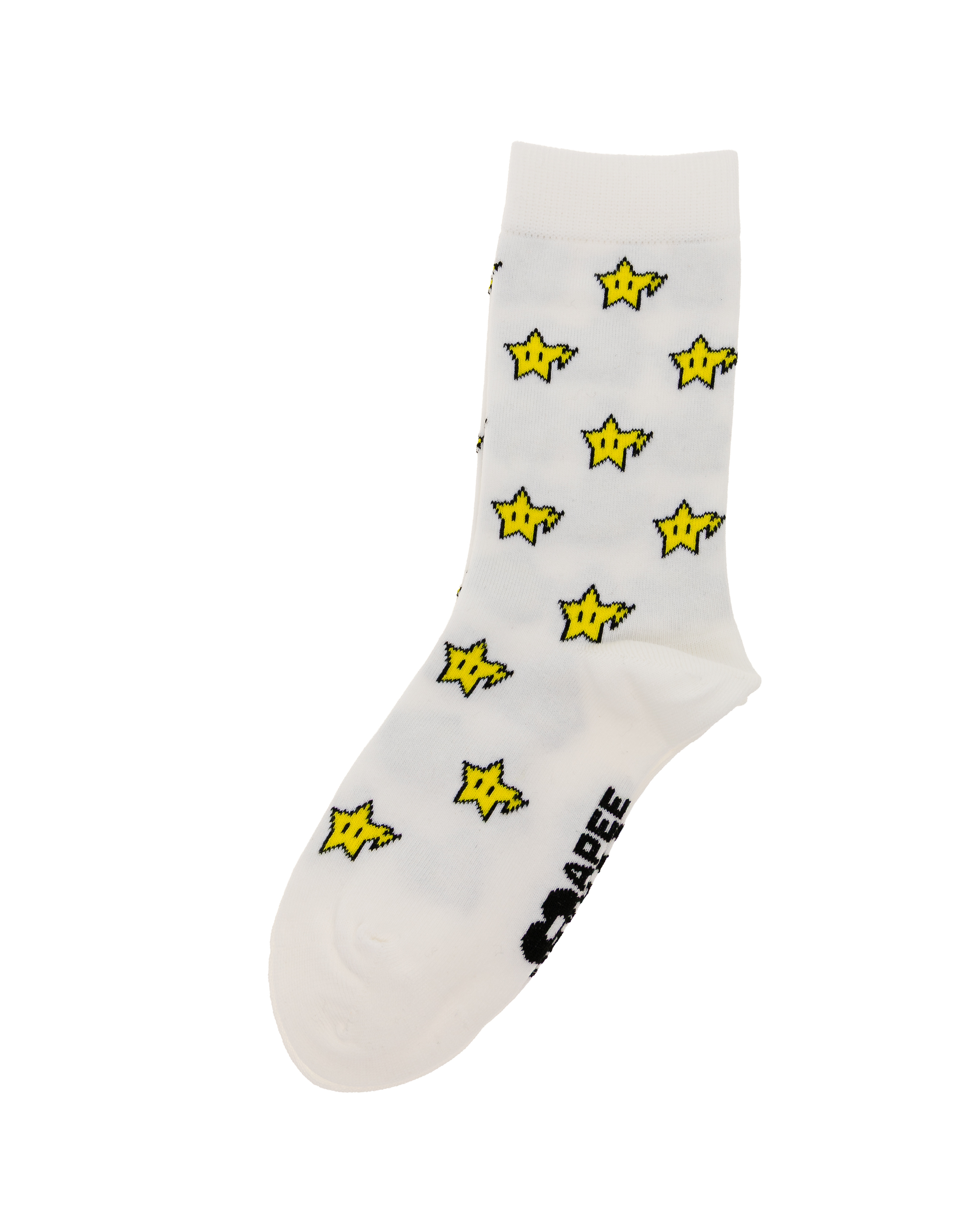
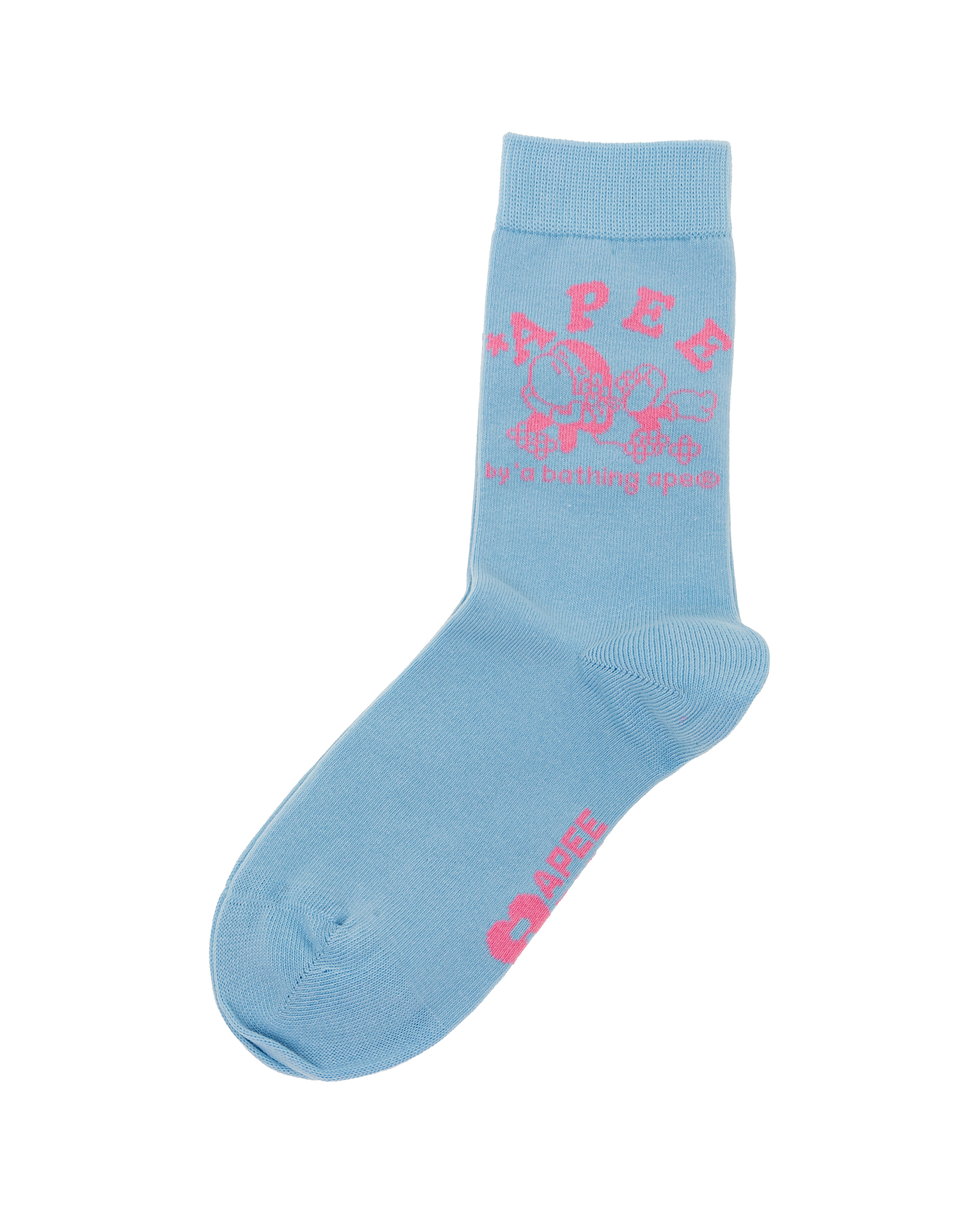
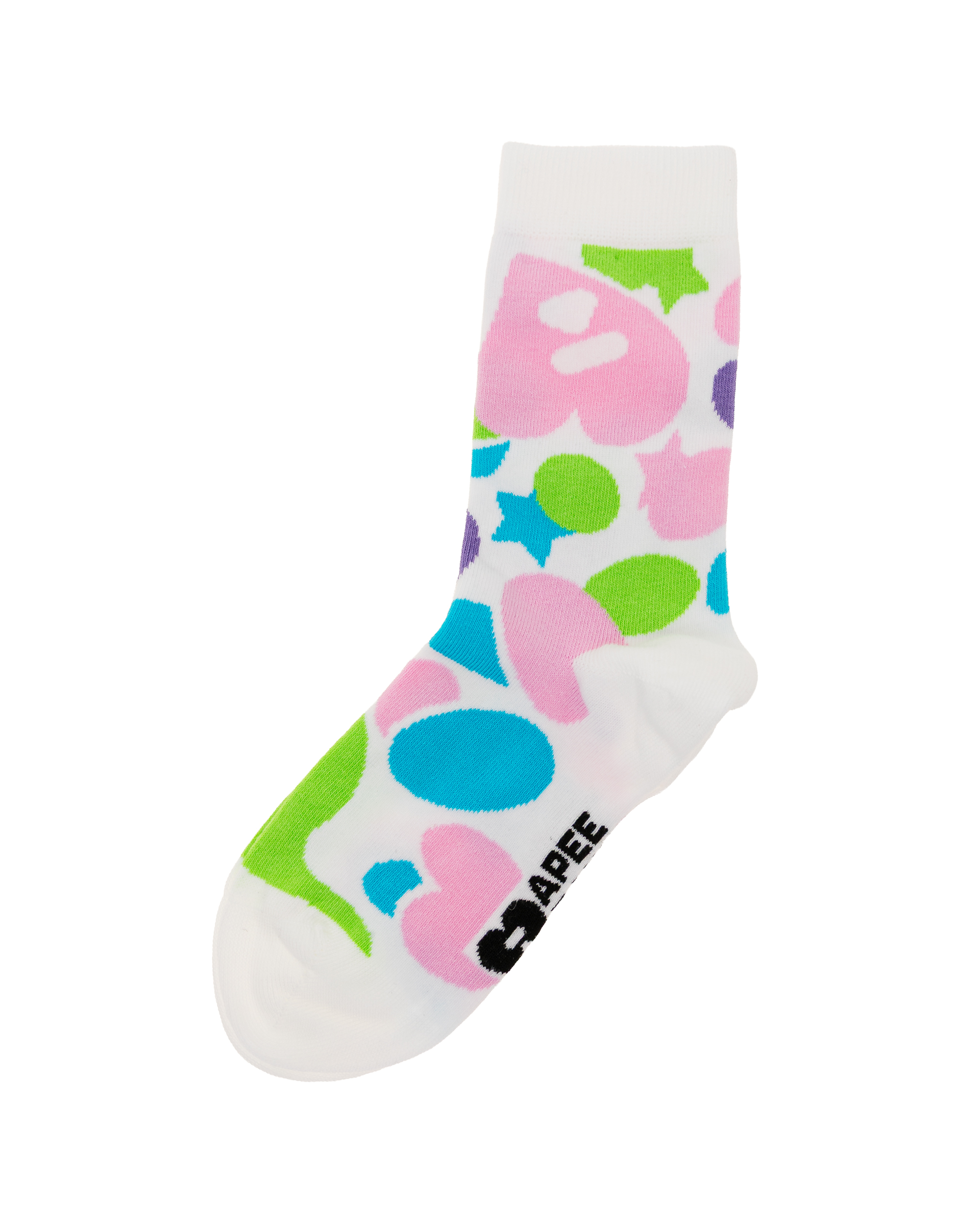
When A Bathing Ape announced it was reviving APEE, its long-dormant women's sub-label, the streetwear world took notice — and for good reason. APEE originally emerged in the mid-2000s as BAPE's dedicated women's line, a rare gesture from a brand whose roots in Ura-Harajuku menswear culture had long skewed masculine. Now, with the APEE Women's Relaunch Collection, the label returns not as a nostalgic curio but as a deliberate play for Gen Z consumers who have spent the past several years excavating the aesthetics of the early 2000s and reinterpreting them through a distinctly contemporary lens.
The timing is sharp. The Y2K revival has moved from niche internet subculture to mainstream retail strategy, and BAPE — a brand that actually lived through the era — enters the conversation with archival legitimacy that trend-chasers simply can't manufacture. This isn't borrowing Y2K style. It's reclaiming it.
The Aesthetic: Rhinestones, Baby Tees, and the Mall-Rat DNA
The collection's design language is unmistakably rooted in the Y2K mall aesthetic — the era of rhinestone-encrusted logos, baby tees, low-rise everything, and the particular kind of glossy, hyper-feminine consumerism that defined suburban shopping centers between 1999 and 2005.
But APEE doesn't simply reproduce those codes. It refines them. The signature APE HEAD motif, one of the most recognizable icons in streetwear history, appears across cropped hoodies, fitted tees, and accessories in scaled-down, almost jewelry-like proportions. Where the mainline BAPE graphic is loud and monumental, APEE's treatment is subtler — a nod to the way young women have historically adapted menswear-derived streetwear into their own wardrobes, often through fit, styling, and scaling rather than wholesale reinvention.
Fabric First: Soft Cotton, Brushed Fleece, and the Athleisure Shift
Materials matter here. The relaunch leans into soft cotton jersey, brushed fleece, and stretch-blend knits — fabrics that prioritize comfort and drape over the rigid structure of traditional streetwear.
This is a deliberate shift. The original APEE line, for all its charm, was constrained by the manufacturing conventions of its time. The new collection reflects a decade of evolution in women's casualwear, where athleisure and loungewear sensibilities have permanently reshaped what consumers expect from everyday pieces. The result is a wardrobe that moves easily between the dorm room, the coffee shop, and the kind of coordinated group photos that define Gen Z social media culture.
The Hong Kong Flagship and the K-Pop Signal
The Hong Kong flagship opening underscored the brand's ambitions. The event drew significant attention, with appearances from BABYMONSTER, the K-pop group whose association with the launch signals a clear strategic direction: APEE is positioning itself at the intersection of streetwear heritage and global pop culture.
K-pop's influence on Gen Z fashion consumption is well documented, and aligning the relaunch with one of the genre's rising acts places APEE directly in the visual vernacular of its target audience. The flagship itself functions as more than retail space — it is a physical statement of intent, a branded environment designed for the kind of content creation that drives contemporary fashion discovery.
Who It's For — and Why It Matters Now
Who is this collection for? Primarily, it speaks to Gen Z women who came of age after the original Y2K moment but have absorbed its imagery through TikTok, Tumblr archives, and the persistent afterlife of early-2000s celebrity style. They are consumers who value brand history but demand contemporary fit and fabric. They want pieces that photograph well, layer easily, and carry cultural weight without requiring a lecture in streetwear genealogy. APEE delivers on all three fronts.
Why it matters now extends beyond aesthetics. The relaunch represents a broader recalibration in streetwear, where the women's segment — long treated as an afterthought or a licensing opportunity — is finally receiving dedicated creative attention from heritage brands. APEE is not a diffusion line or a capsule; it is a full commitment to a demographic that has been shaping fashion's direction for years while being underserved by its most influential labels.
For BAPE, that commitment carries risk, but it also carries the potential for significant reward. The APEE Women's Relaunch Collection is, at its core, an argument that the future of streetwear is not exclusively masculine — and that the past it draws from was never quite as one-dimensional as it appeared.