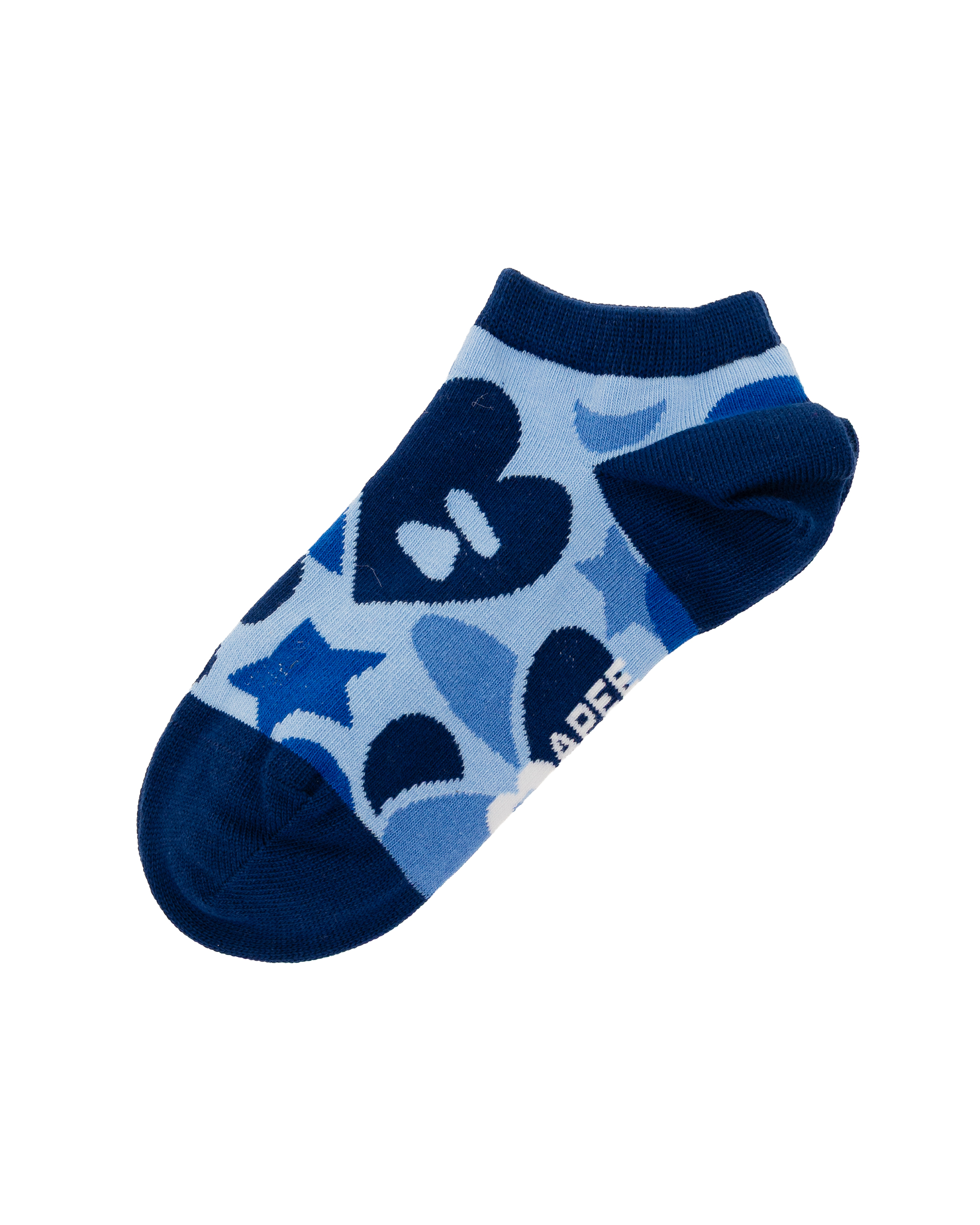
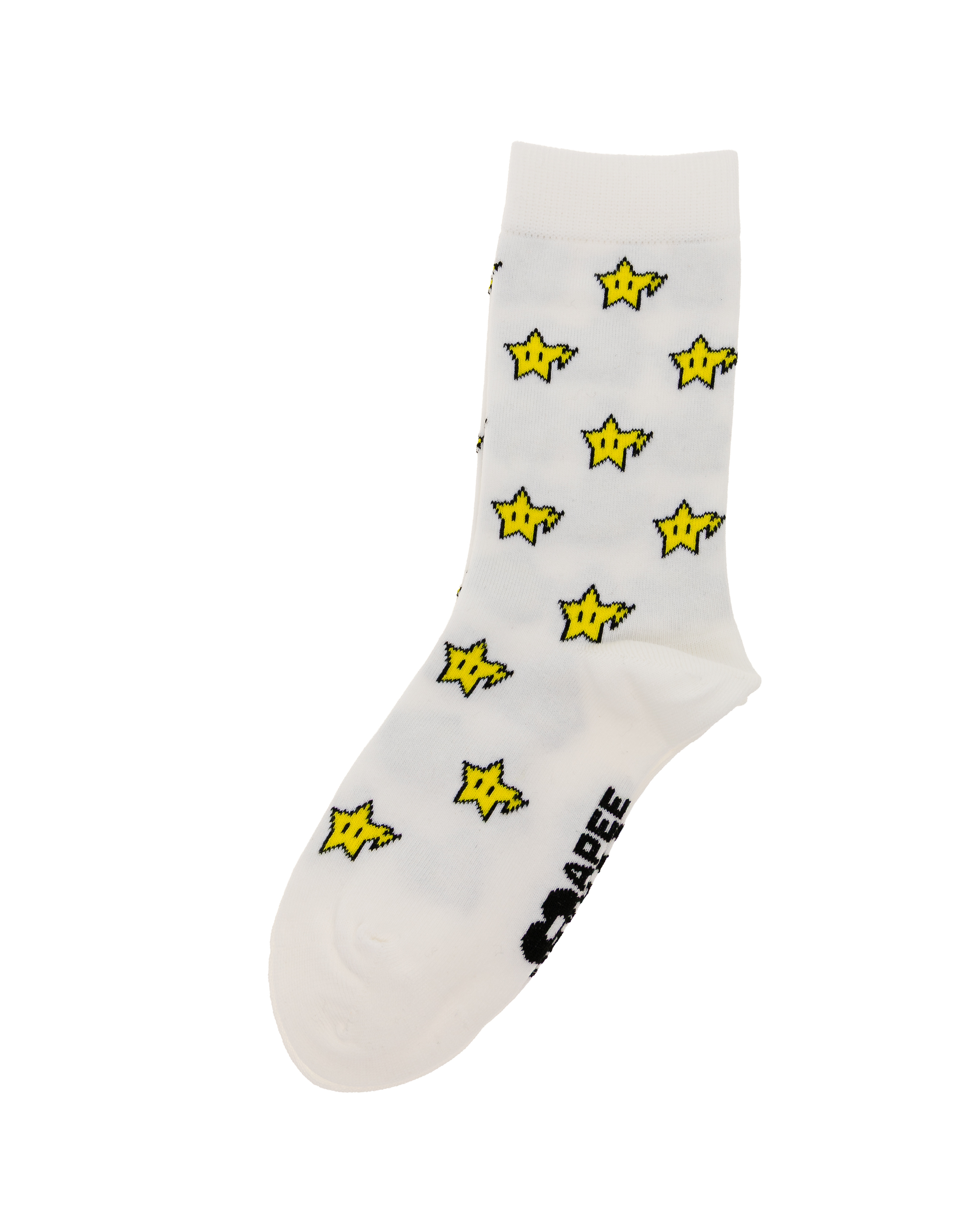
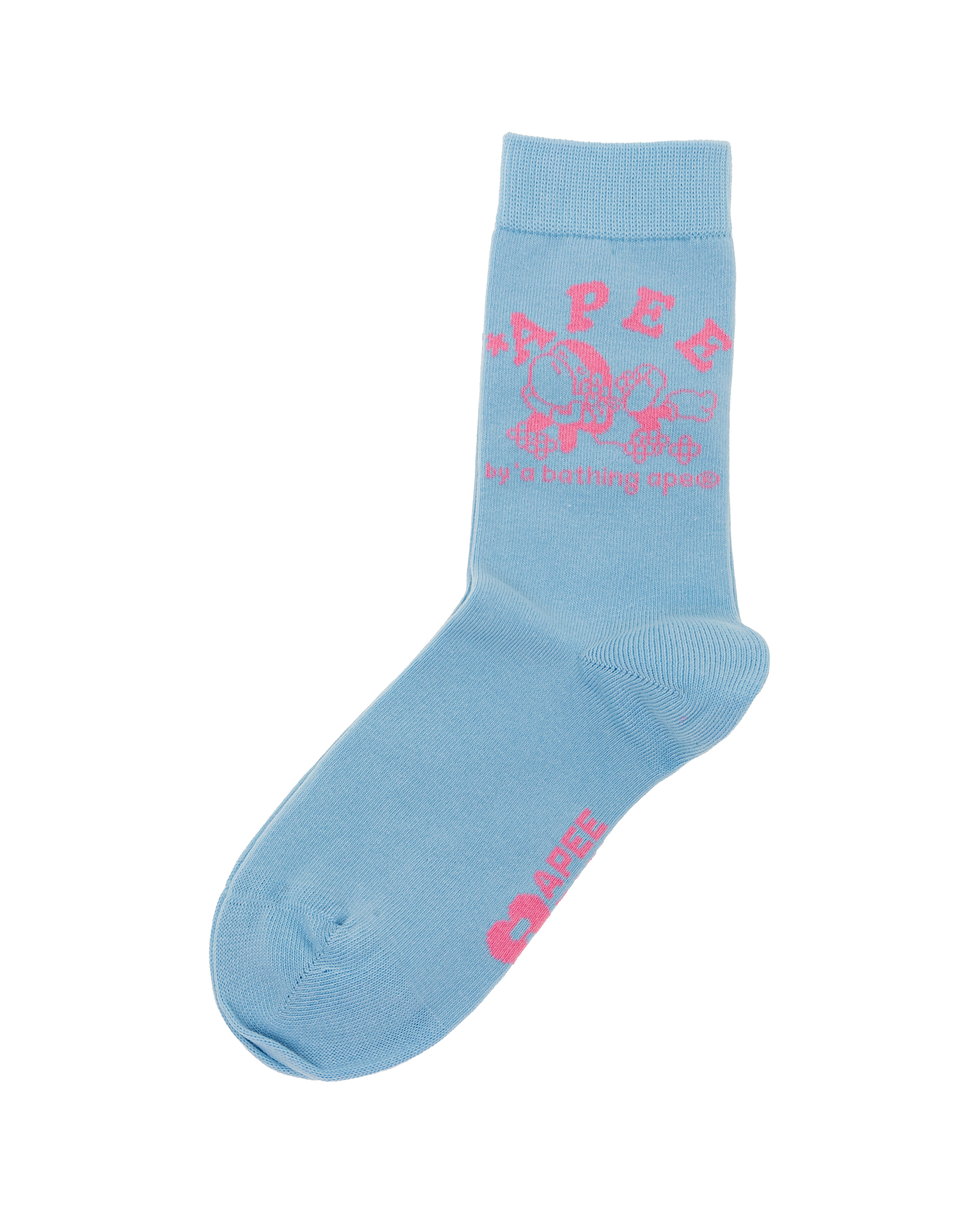
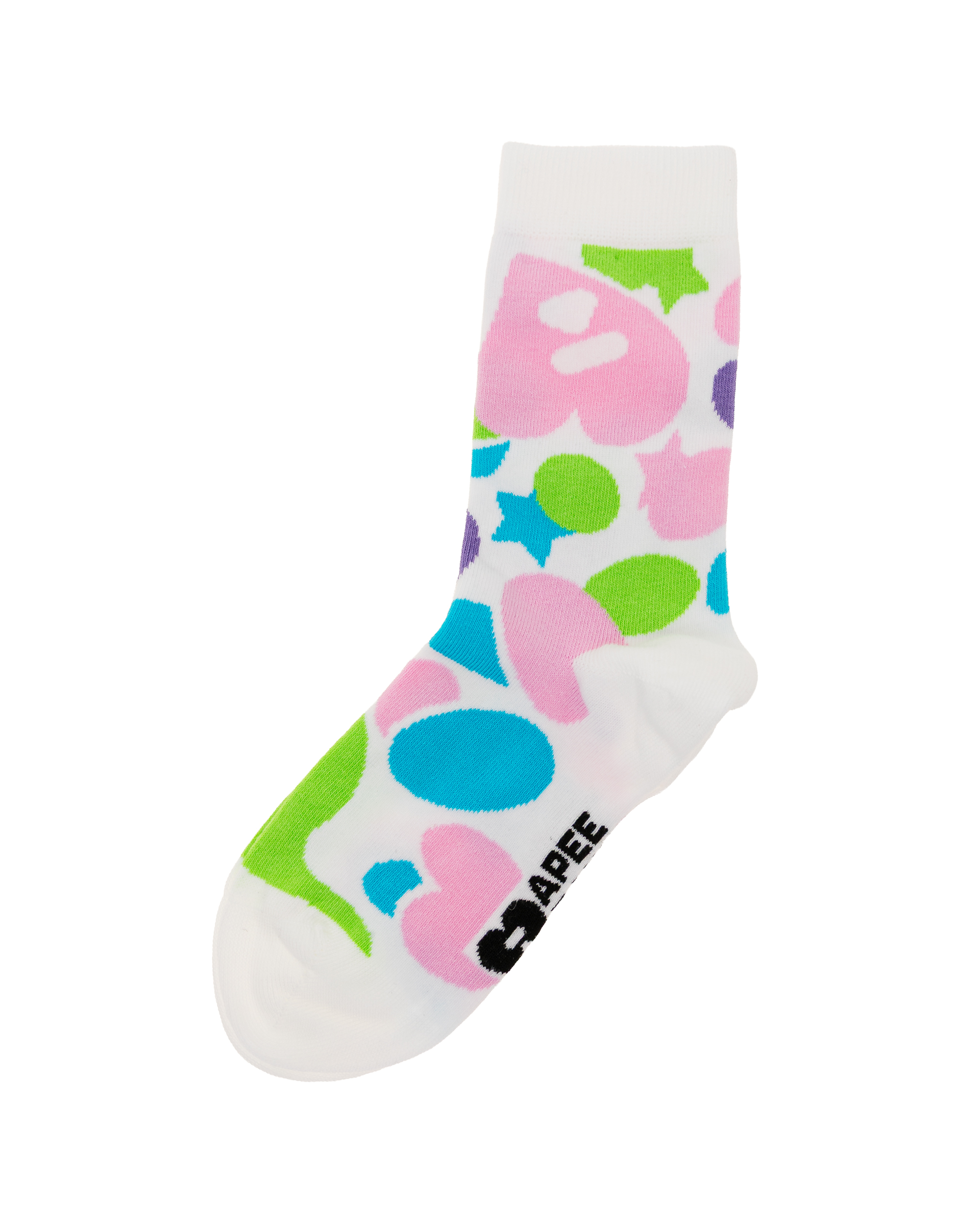
When A Bathing Ape first introduced APEE in the mid-2000s, it was a curious experiment — a feminine counterpart to the roaring ape empire, one that traded the brand's signature camo aggression for something softer, sweeter, and unapologetically girly. Then it disappeared. For years, APEE existed only in the memories of those who had scoured Japanese boutique racks or stumbled upon it in the halcyon days of mid-2000s mall culture. Now, under the stewardship of BAPE's parent company, the label has returned with the APEE Women's Relaunch Collection — the brand's first fully realized women's line, and a deliberate bid to capture the attention of a generation that never experienced the original Y2K moment firsthand.
The collection's design language reads like a love letter to that era, filtered through a contemporary lens. Think cropped baby tees stamped with the APEE wordmark in rhinestone-studded lettering. Low-rise velour track pants in pastel iterations of BAPE's iconic camouflage. Mini skirts with contrast stitching, zip-up hoodies in candy-colored terry cloth, and accessories that lean heavily into the logomania that defined the early aughts.
A Palette Built on Nostalgia
The palette is deliberately nostalgic — bubblegum pink, baby blue, butter yellow — but the cuts are sharper, the fabrics more considered, and the proportions adjusted for a generation that has grown up with both the irony and the earnestness of Y2K revivalism. This is not a costume. It is a recalibration.
What makes the relaunch particularly savvy is its timing. The APEE Women's Relaunch Collection arrives at a moment when Gen Z has fully embraced the aesthetics of the early 2000s — not as kitsch, but as a legitimate mode of self-expression. The rise of Y2K-inspired fashion on TikTok, the resurgence of low-rise silhouettes, the renewed appetite for brands that once defined mall culture — all of it has created a fertile landscape for a label like APEE to reassert itself. And BAPE, which has spent the last several years expanding its sub-label ecosystem, clearly sees APEE as a vehicle for reaching a female audience that has long been underserved by the parent brand's more testosterone-heavy output.
Designing for Women, Not Shrinking for Them
The collection also reflects a broader shift in how heritage streetwear labels are approaching women's design. Rather than simply shrinking men's pieces or slapping pink on existing silhouettes, the APEE Women's Relaunch Collection is built from the ground up for its intended wearer. The fits are considered, the detailing is intentional, and the overall aesthetic is cohesive without feeling derivative. There is a clear point of view here — one that understands the difference between nostalgia and pastiche, and that treats its audience as participants in a cultural conversation rather than passive consumers of a trend.
Who is this collection for? On the surface, it speaks directly to Gen Z women who have grown up scrolling through archival fashion imagery and who gravitate toward brands with a story. But it also resonates with millennials who remember APEE the first time around — those who may have coveted a piece in high school and now find themselves with the disposable income to finally buy in. The collection bridges that gap without pandering to either demographic. It is, in essence, a homecoming — one that acknowledges the past while making a compelling case for its relevance in the present.
A Long-Term Bet, Not a Nostalgic Lark
The launch of the APEE Women's Relaunch Collection also coincides with BAPE's broader strategic push into new markets, including a dedicated APEE flagship in Hong Kong aimed squarely at Gen Z consumers. That move signals that this is not a one-off capsule or a nostalgic lark. It is a long-term investment in a women's line that the brand believes can stand on its own.
And based on the strength of this debut, that belief seems well founded. APEE has returned not as a footnote to BAPE's history, but as a chapter of its own — one that feels both timely and, in the best possible way, overdue.