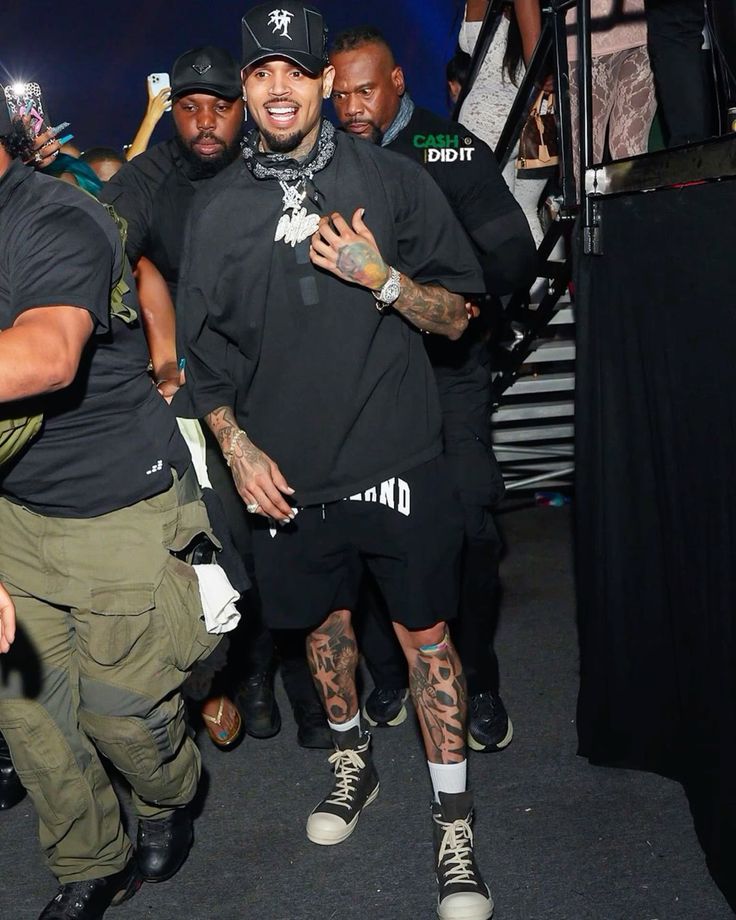
When A Bathing Ape carved out its black-label subline in 2006, it was an exercise in restraint—a quieter, more tailored counterpoint to the brand’s signature shark hoodies and technicolor camo. BAPE BLACK never shouted; it whispered in premium fabrics, monochromatic palettes, and the kind of understated Japanese craftsmanship that felt like a secret handshake for those in the know. Now, nearly two decades later, the label has made a decision that is anything but quiet: Chris Brown is its new face. The announcement, which rippled through streetwear forums and tabloid feeds alike, raises a provocative question that cuts to the very heart of contemporary fashion—is this a savvy rebranding for a heritage label seeking relevance, or a cynical sellout that trades authenticity for celebrity wattage?
The immediate reaction from the streetwear purist camp is predictable, and not entirely without merit. BAPE BLACK was built on a foundation of exclusivity and subtlety, a deliberate departure from the loud, logo-drenched output of its parent brand. Its aesthetic has always leaned toward the architectural, the minimal, the kind of pieces that whisper *I know* rather than scream *I bought*. Attaching Chris Brown—a figure whose name carries as much controversy as commercial pull—feels, to many, like a jarring juxtaposition. The label that once stood for quiet luxury is now borrowing from the playbook of every fast-fashion giant that has ever slapped a celebrity on a billboard to move units. It smacks of desperation, a legacy brand clutching at the coattails of pop culture relevance in an era where attention is the only currency that matters.
The Mechanics of Survival in Modern Streetwear
Yet, to dismiss this collaboration as mere sellout is to ignore the complex mechanics of how streetwear actually survives in the modern landscape. BAPE, as a whole, has spent the last decade navigating a precarious tightrope between its underground roots and its global, mainstream ubiquity. The parent brand has long understood that survival requires evolution, and BAPE BLACK’s decision to tap Brown is less a betrayal of its ethos than a strategic recalibration. Brown brings with him an undeniable, cross-generational audience—a fanbase that spans hip-hop heads, R&B loyalists, and a younger demographic that may have never set foot in a BAPE store but knows every lyric to *Forever*. In a market flooded with collaborations, from the BAPE x adidas soccer drops that dominated the pitch this season to the Reebok Club C pairings, a singular, high-profile ambassador cuts through the noise in a way that a seasonal lookbook simply cannot.
The Thorny Optics of Celebrity Association
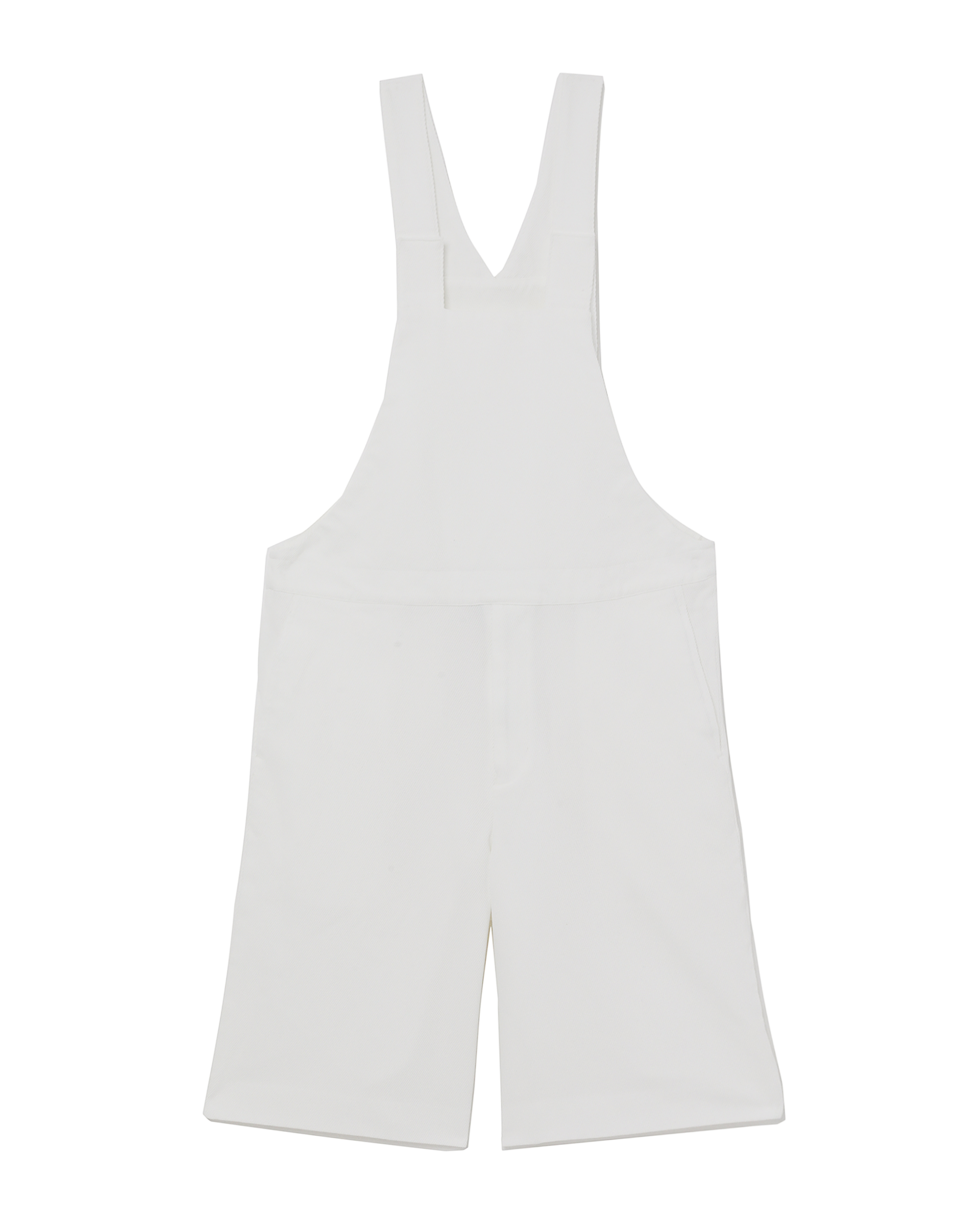
The optics, however, remain thorny. Fashion has always had a complicated relationship with the personal lives of its muses, and the industry has repeatedly shown a willingness to separate the art from the artist when the bottom line demands it. Brown’s history is well-documented, and for every fan thrilled to see him front a luxury streetwear campaign, there is a consumer who feels alienated by the association. BAPE BLACK’s SS25 collection, which recently went full biker mode with leather-heavy silhouettes and chateau-inspired tailoring, is a bold, masculine statement—a fitting backdrop for Brown’s own brash, unapologetic persona. The clothes themselves are not the issue; they are sharp, confident, and arguably the most interesting work the subline has produced in years. The issue lies in the message this partnership sends: that in the age of the attention economy, even the most rarefied brands are willing to trade their carefully curated mystique for the glow of a headline.
The Blurring of Celebrity and Designer
What this ultimately represents is the continued blurring of lines between celebrity and designer, between branding and artistry. The old model, where a star merely wore the clothes, has been replaced by a more symbiotic relationship—the celebrity becomes the brand, and the brand becomes the celebrity. Chris Brown is not just modeling BAPE BLACK; he is interpreting it, lending it his swagger, his history, and his controversies in equal measure. For a label that once prided itself on anonymity and precision, this is a seismic shift. It is a gamble that could pay off handsomely in sales and cultural cachet, or it could dilute the very essence that made BAPE BLACK a coveted name among collectors in the first place.
The answer, as with most things in fashion, lies in the eye of the beholder—and in the receipts. But one thing is certain: BAPE BLACK has made its choice, and the silence of that once-whispered secret handshake has been replaced by a voice that demands to be heard. Whether that voice resonates with the collectors who built the label’s mystique or the new generation discovering it through Brown’s lens will define the next chapter of this storied subline. In a culture that increasingly equates visibility with value, the gamble might just be the most honest move a heritage brand can make.