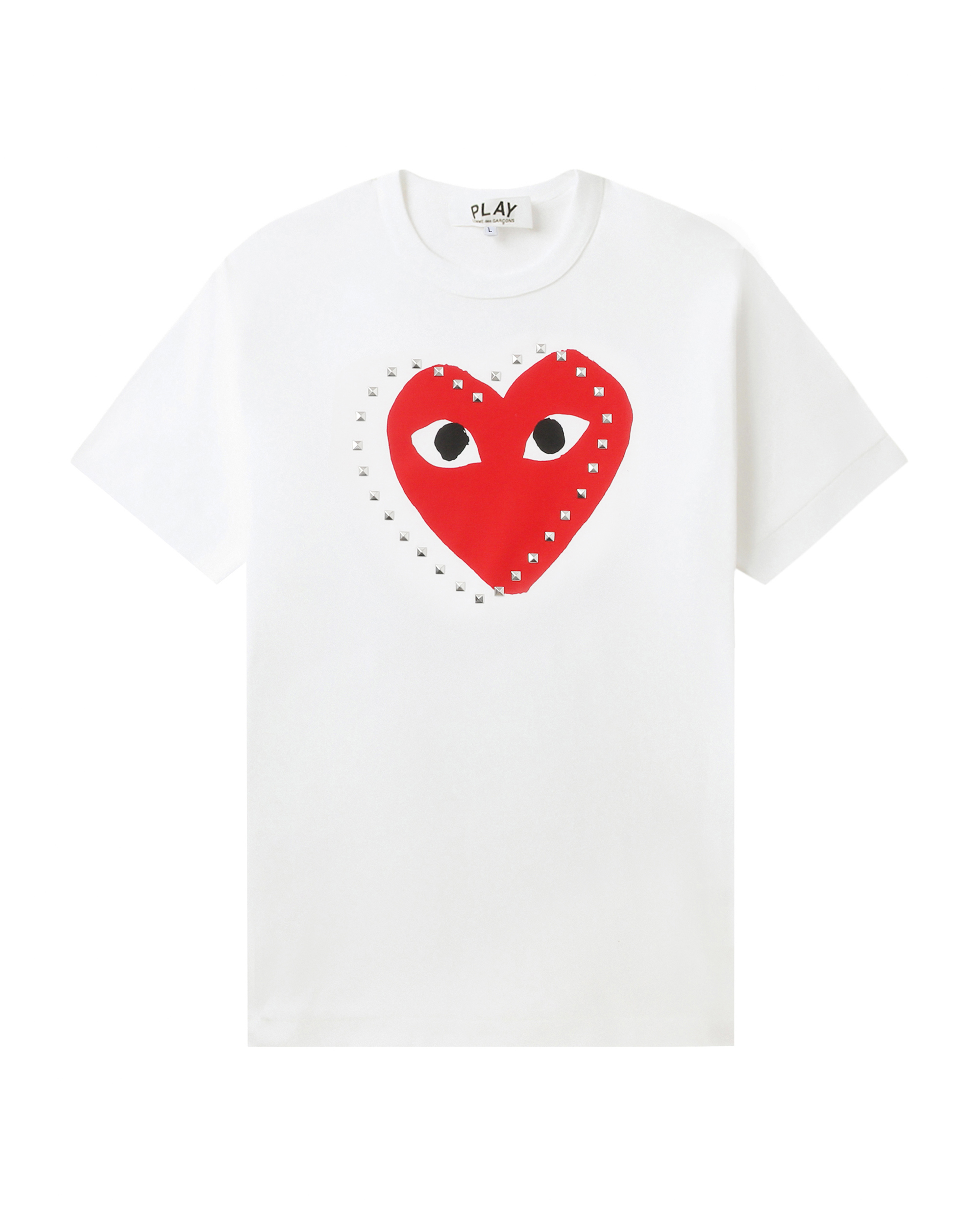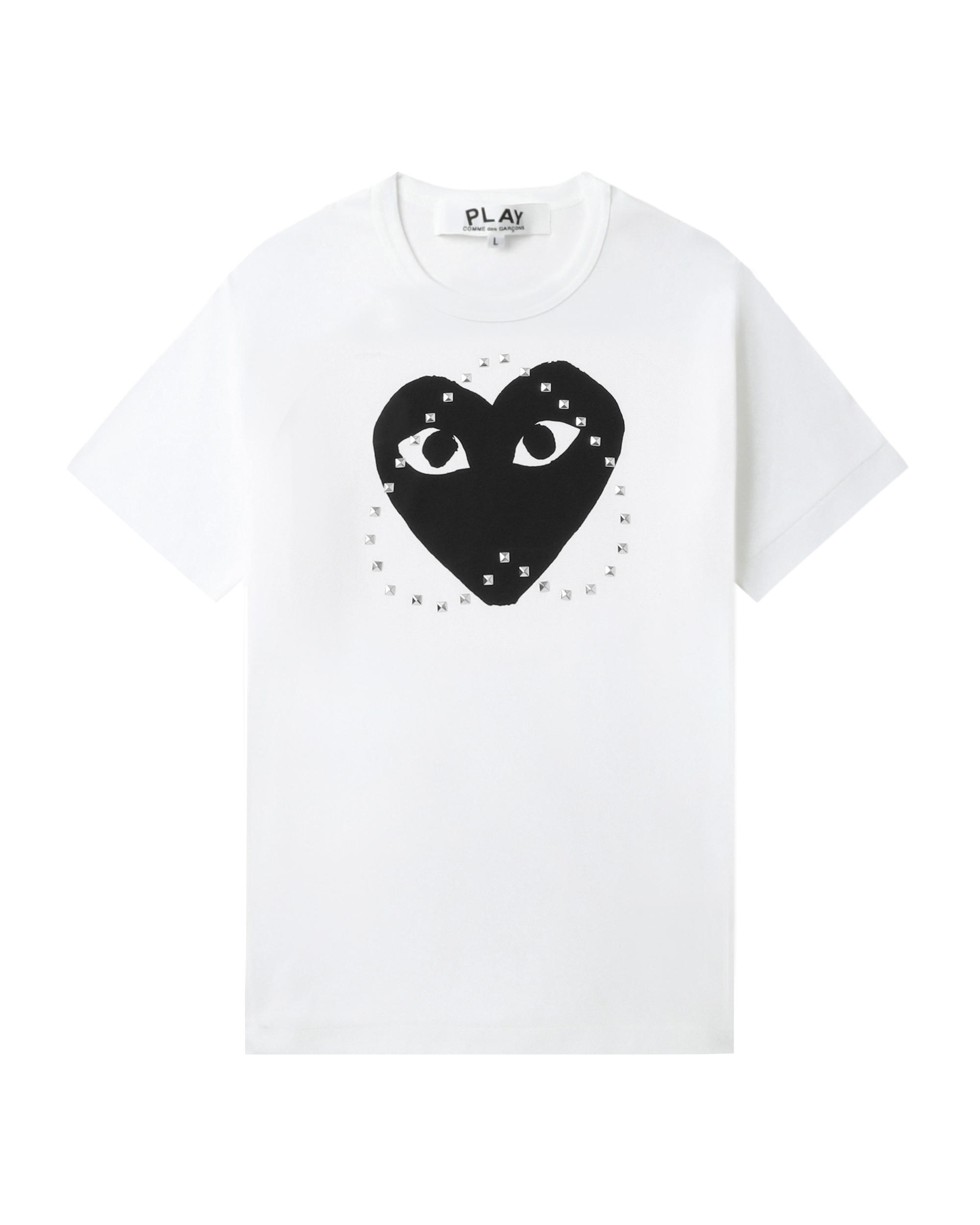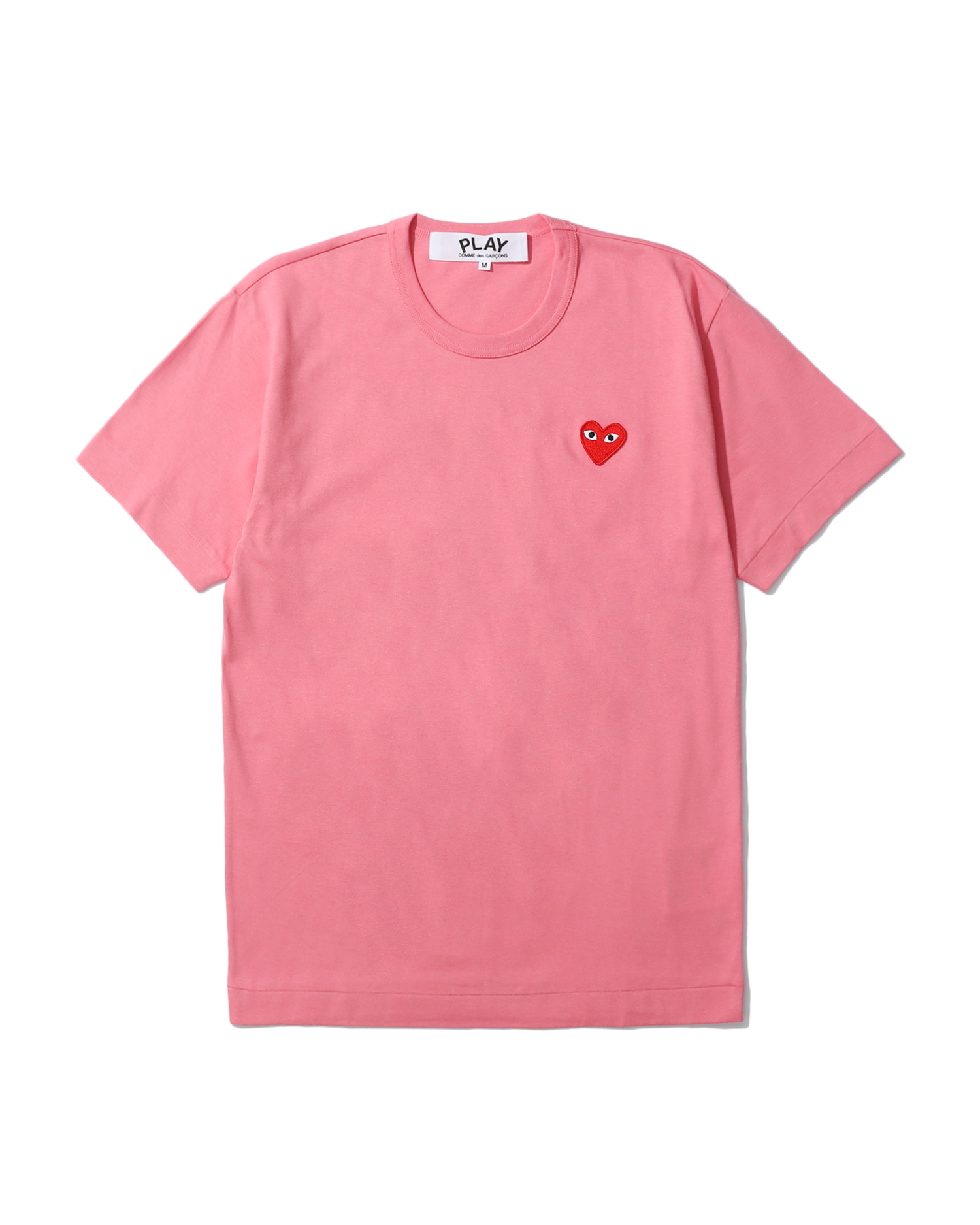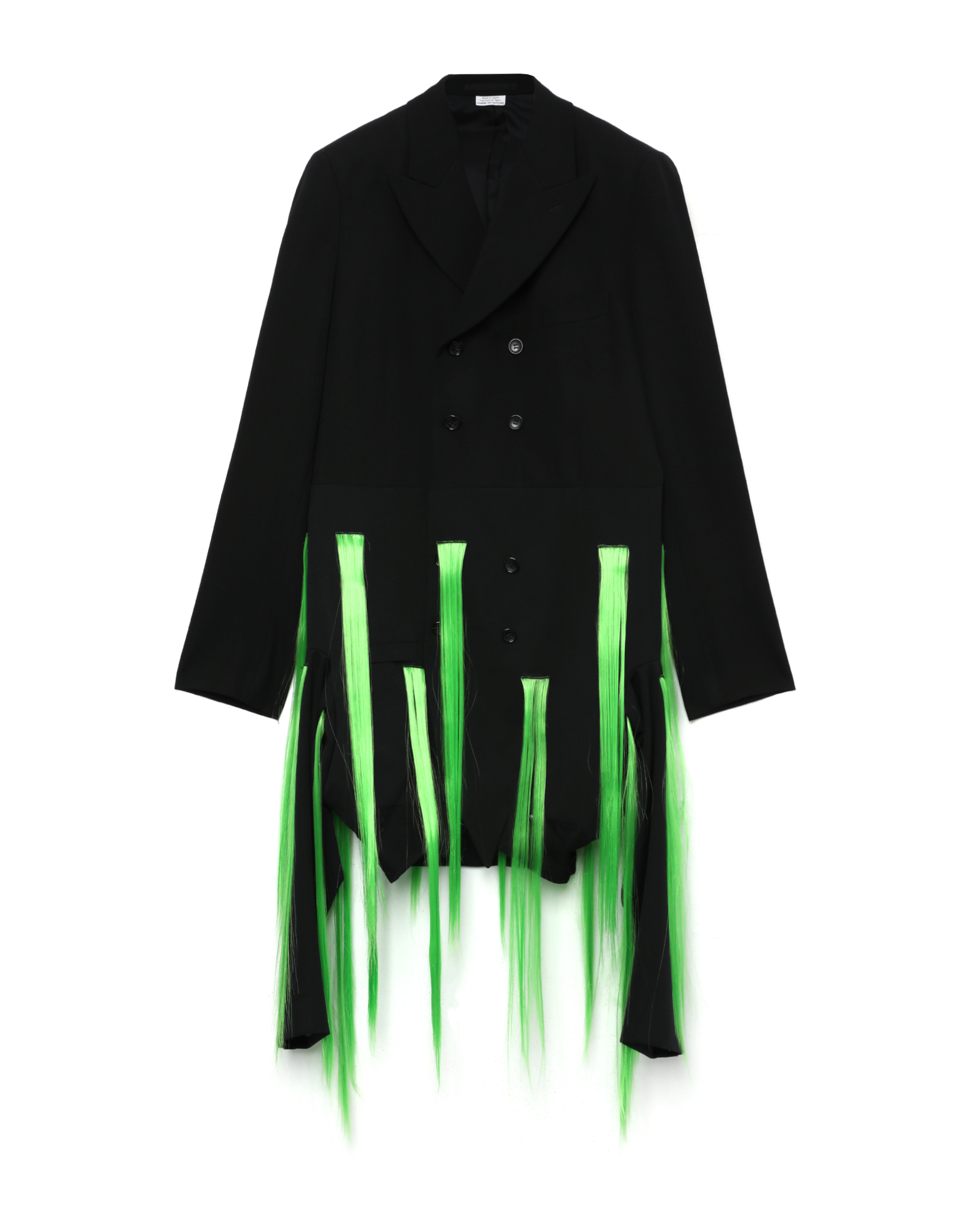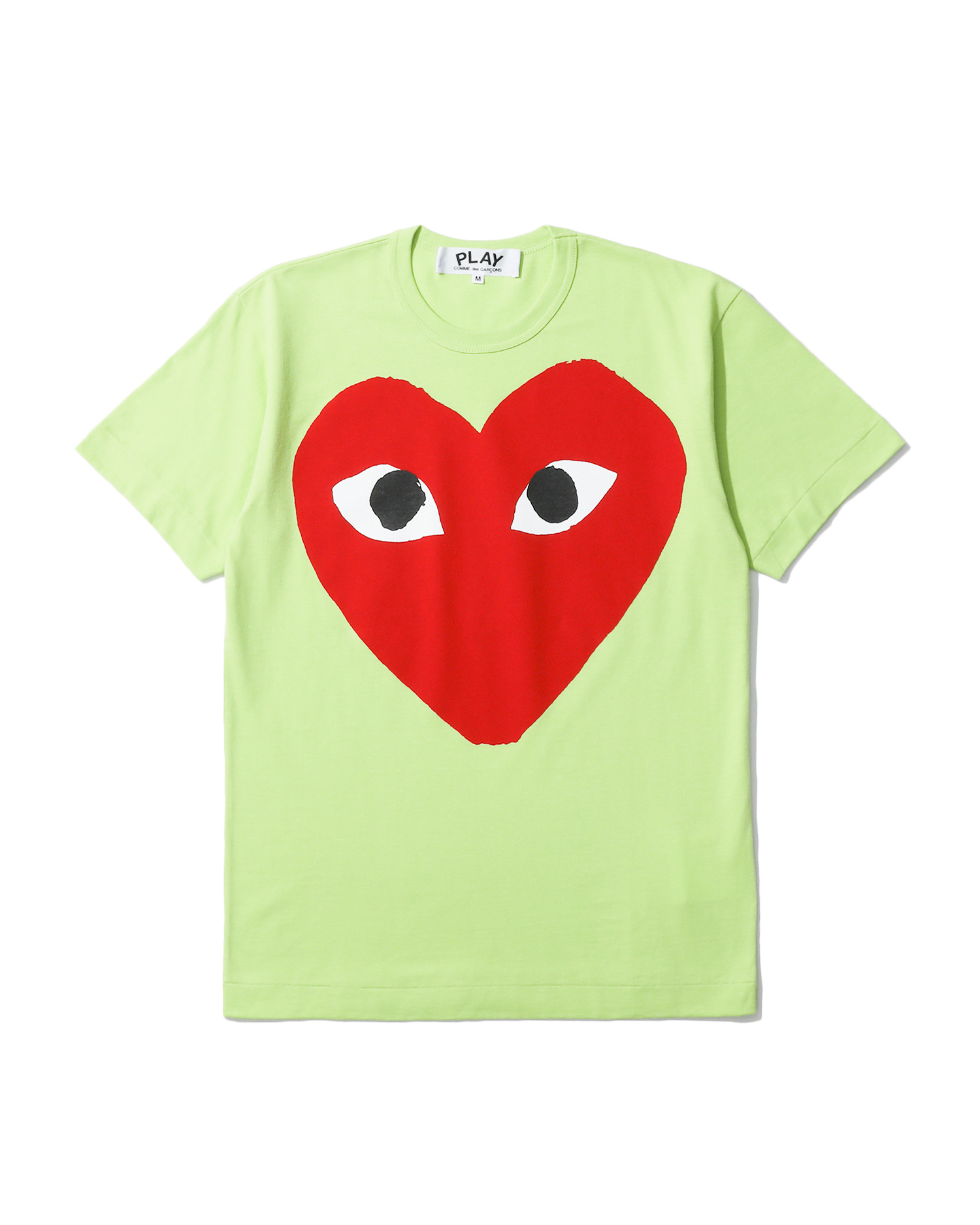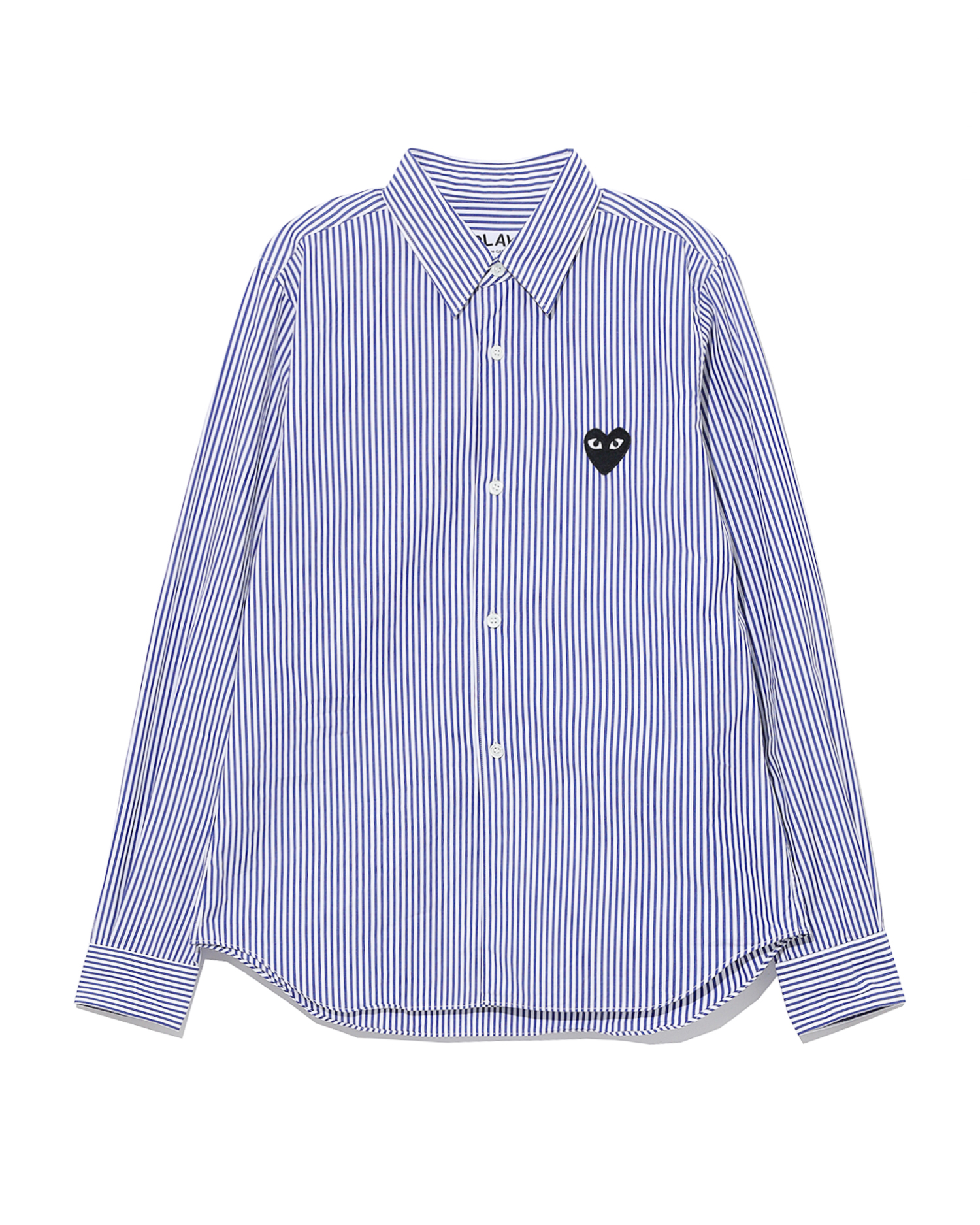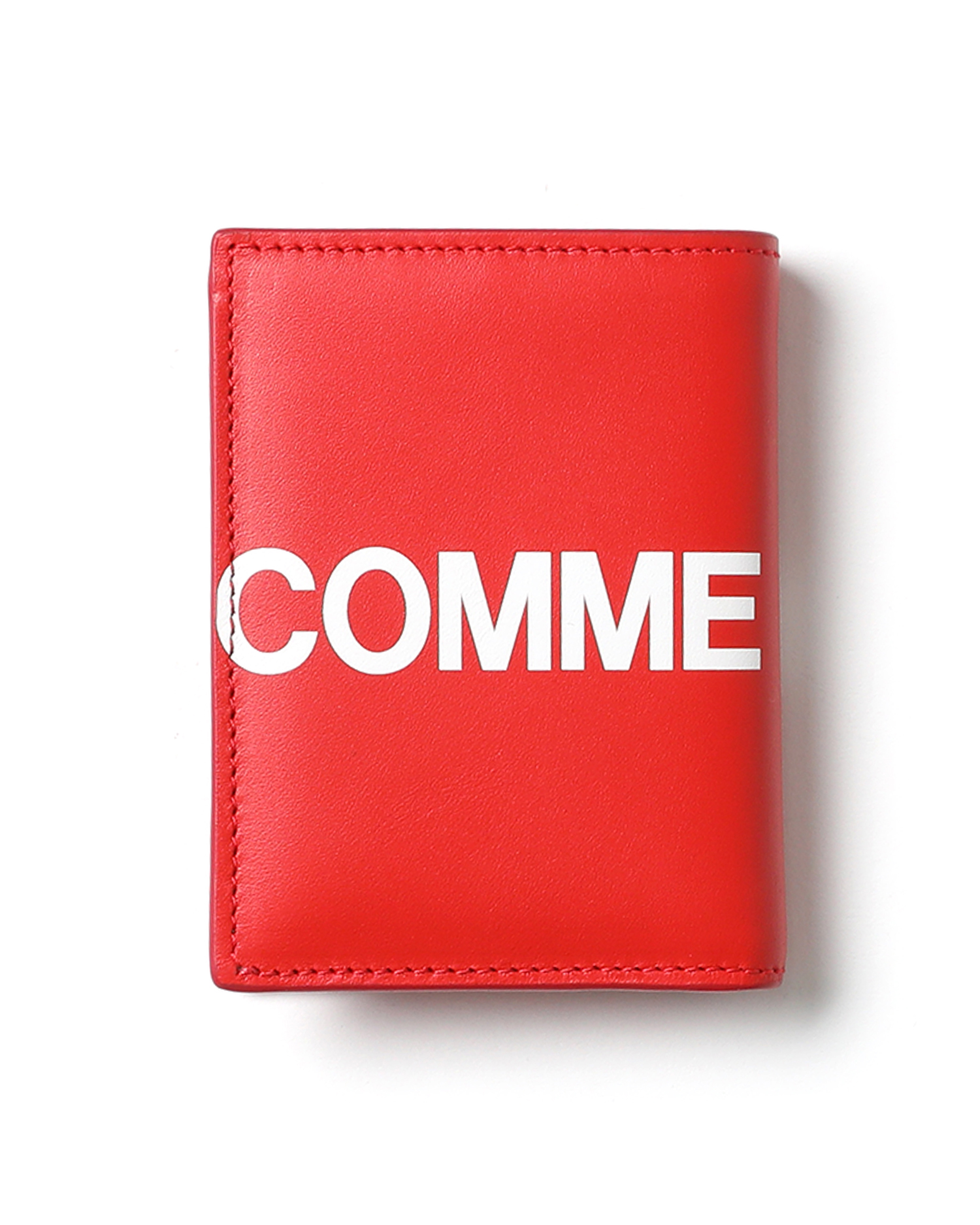
For decades, Rei Kawakubo has operated on a singular premise: fashion need not obey the calendar, the silhouette, or even the body itself. But as the maison enters its most curious chapter yet, the logic of her subversion has inverted into something stranger and more potent. The future of Comme des Garçons is no longer arriving on the runway; it is being excavated from the archive.
This season, a cascade of landmark auctions and private sales has transformed the maison’s past into the industry’s most urgent currency. From the dot COMME sale of 265 pieces sourced from a Tokyo collector’s obsessive vault to the headline-grabbing release of the Comme des Garçons Homme Plus x Air Jordan 11, the brand’s trajectory reveals a radical truth: the most forward-thinking thing a fashion house can do today is to stop producing and start preserving.
The Archive as Currency
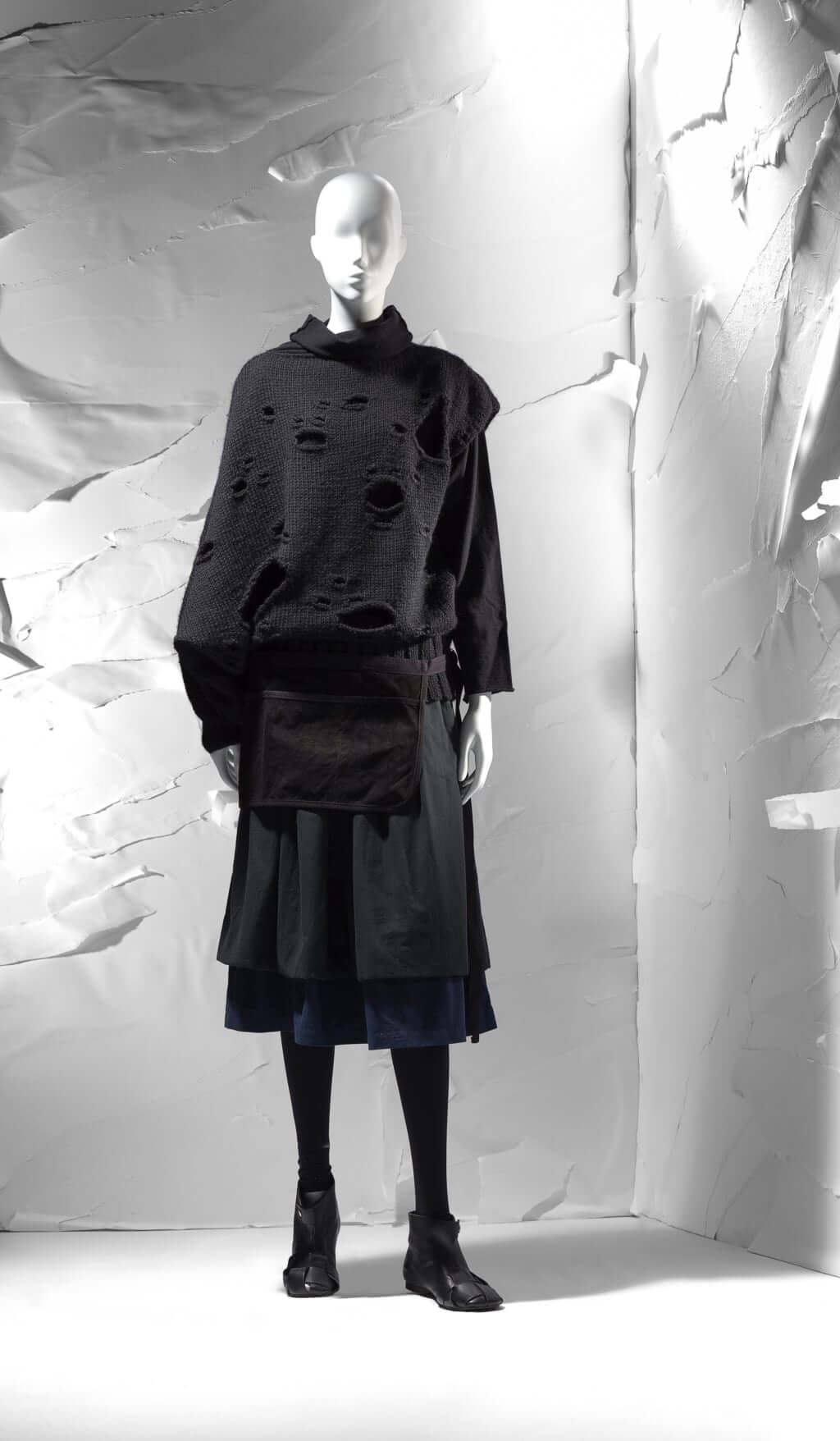
The market’s feverish appetite for archival CDG is not mere nostalgia. It is a sophisticated recalibration of value, one that rewards the rare, the damaged, and the conceptually dense over the merely new. Consider the collector at the center of the recent Vogue and Highsnobiety features, a man who has spent decades amassing some of Kawakubo’s most radical experiments—the deconstructed tailoring of the early 1990s, the bulbous protrusions of the 2000s, the shredded, almost geological textiles that defy categorization.
His decision to sell is not a retreat but a consecration. By releasing these pieces into the secondary market, he is effectively arguing that Kawakubo’s work functions less like seasonal merchandise and more like fine art: objects whose meaning deepens with distance from their origin. The auction house becomes a gallery; the collector becomes a curator; and the garment becomes a relic of a designer who has always refused to bow to the tyranny of the present.
Reading the Present Through the Past
This archival turn also recalibrates how we read Kawakubo’s current output. Her recent Homme Plus collection, which asked what comes after war, felt less like a statement and more like a meditation on erasure—a fitting companion to a moment when her own past is being systematically unboxed. The Air Jordan 11 collaboration is the most overt sign of this temporal collapse. Here, the streetwear behemoth meets the anti-fashion deity, producing a sneaker that is simultaneously a collector’s item, a runway artifact, and a bridge between the 1990s and the 2020s.
It is a strange alchemy, but one that underscores a broader point: Comme des Garçons has always existed outside linear time. Kawakubo’s design philosophy never recognized the distinction between old and new, only between the inert and the alive. The archive, it turns out, is the most alive place of all.
The Lived, Messy Afterlife
What makes this moment genuinely transformative, however, is how it democratizes the CDG experience. David Sedaris, in his recent GQ and W profiles, offers a delightfully human counterpoint to the auction-house hysteria. His essays on wearing Comme des Garçons are not about investment or provenance; they are about the sheer, terrifying joy of putting on a garment that refuses to behave. Sedaris treats his pieces as companions rather than commodities, wearing them until they fray, fade, and fold into his own biography.
This is the other afterlife of Comme des Garçons—not the sterile, climate-controlled vault, but the lived, messy, gloriously imperfect life of a garment that has been worn. The auctions may set prices, but Sedaris reminds us that the true value of Kawakubo’s work lies in its capacity to disrupt the wearer’s daily existence, to make the mundane feel momentarily strange.
The Future Is a Deep Well
As the fashion industry accelerates toward AI-generated collections and algorithm-driven trend cycles, the CDG archive offers a counterargument. It proposes that the future is not a blank page but a deep well, and that the act of looking backward can be more radical than any leap forward. The upcoming auctions, the Jordan drop, the flood of editorial retrospectives—these are not signs of a brand resting on its laurels. They are evidence of a maison that has become its own myth, endlessly reinterpreting its past to unsettle the present.
For those lucky enough to own a piece, the message is clear: do not preserve it in plastic, do not hang it in a museum. Wear it, tear it, live inside it. That is the only future Kawakubo ever cared about.