There is a particular kind of quiet that descends when a collection doesn't need to shout. CFCL's Spring 2027 Ready-to-Wear showing in Paris was that kind of moment — a debut that felt less like an arrival and more like a long-overdue introduction. The Japanese label, founded by designer Yusuke Takahashi and backed by the textile machinery company Fukui Tateami, has spent years refining a proposition that sits at an unusual intersection: garments knitted entirely by computer-controlled machines, engineered to near-finished form with virtually no cutting waste, and positioned not as a niche experiment but as everyday clothing. Paris, as reported across WWD, Vogue, and The Impression, was the moment that proposition met its widest audience yet.
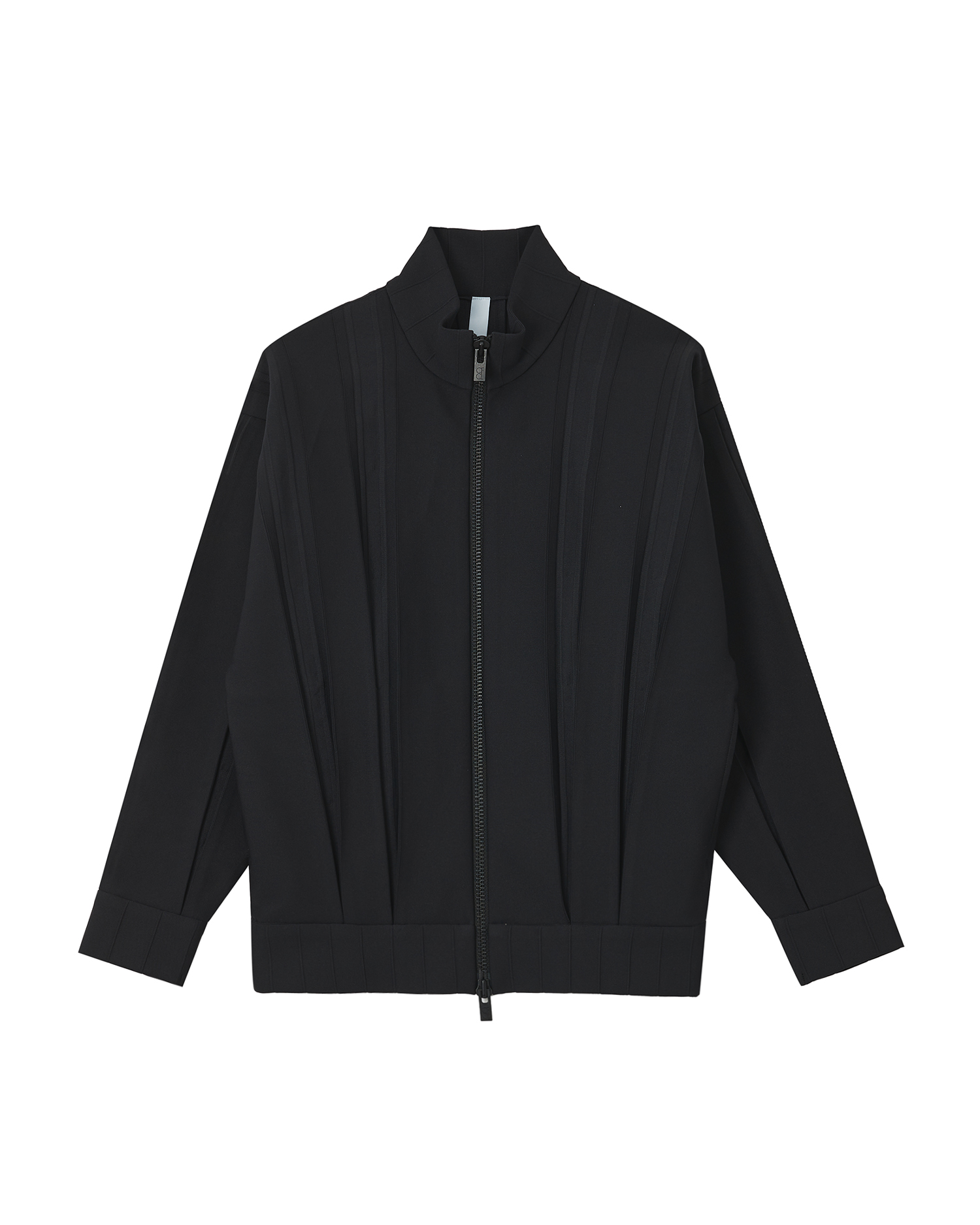
What the audience saw was knitwear that behaves almost like architecture. CFCL — an acronym for Clothing for Contemporary Life — builds each piece from whole-garment knitting technology, meaning a dress or a trouser emerges from the machine in three dimensions rather than being cut and seamed from flat cloth. The result is a silhouette that feels soft and slightly sculptural at once: seamless, with ribbed panels and subtle textural shifts doing the work that seams and darts would normally do. It is the kind of construction you notice second, after you've already registered the shape.
The Clothes: Restraint as a Statement
For Spring 2027, the palette leaned into quiet, wearable tones — chalk whites, pale greys, muted blues, warm neutrals — while the forms moved between relaxed tailoring and fluid knit separates. There were fine-gauge cardigans and polo-collared knits, easy trousers with a gentle taper, and dresses that read as almost architectural in their simplicity. Nothing shouted. Everything resolved.
That restraint is the collection's real strength. These are clothes designed to be worn repeatedly rather than photographed once — pieces that travel, layer, and hold their shape across a working week. The fine-gauge knits in particular carried a tactile appeal that photographs only partially capture: the slight give of a ribbed cuff, the way a seamless shoulder falls cleanly without a seam to interrupt it.
The Argument: Sustainability as Structure, Not Decoration
What distinguishes CFCL from the broader field of "sustainable fashion" is that its environmental case is structural rather than decorative. Because the garments are knitted to shape, there is minimal offcut waste. Because the production is machine-driven and standardized, the brand can scale responsibly without relying on artisanal handwork that cannot meet global demand. This is knitwear as engineering, and it carries an implicit social argument: that considered design and responsible manufacturing need not be confined to limited editions or luxury price points.
The Paris presentation, staged during the womenswear calendar with a parallel menswear outing that WWD praised for its "summertime sharpness," positioned the label as a genuinely international proposition rather than a domestic curiosity. The brand's recent collaboration with Veja on a minimalist sneaker made from responsible materials extends the same logic into footwear, reinforcing a coherent worldview rather than a scattered set of gestures.
The Context: Why Paris Mattered
Paris Fashion Week remains the industry's most scrutinized platform, and a Japanese knitwear specialist earning runway coverage from Vogue and WWD signals a shift in what the establishment considers worthy of attention. CFCL is not trading on nostalgia or heritage branding; it is trading on process. That aligns with a broader appetite among informed consumers for garments whose value is legible — traceable materials, reduced waste, construction you can understand by looking at it.
The timing feels deliberate. As the fashion conversation continues to oscillate between spectacle and substance, CFCL offers a third path: technical innovation presented without fanfare, on a global stage, in clothes ordinary people might actually wear. It is not a rebellion against the runway system so much as a quiet renegotiation of what the runway can be used for.
The Customer: Who This Is For
Realistically, the CFCL customer is someone who has moved past logos and novelty and wants clothing that performs quietly. The Spring 2027 lineup speaks to that person directly: a wardrobe of adaptable knits rather than statement pieces. It also speaks to a younger, environmentally literate audience that reads a garment's backstory as part of its appeal — not as a marketing add-on but as a genuine factor in whether a piece earns its place in a closet.
The clothes themselves make the case. A pale grey trouser that tapers gently. A chalk-white dress with no visible seam. A fine-gauge cardigan that could go from a morning meeting to an evening flight without a wrinkle. These are not pieces that demand attention. They are pieces that reward it.
The Paris debut did not need to be loud. It needed to be good — and by most accounts, it was. In a season often defined by spectacle, CFCL's arrival felt like a reminder of what fashion can do when it stops performing and starts engineering.