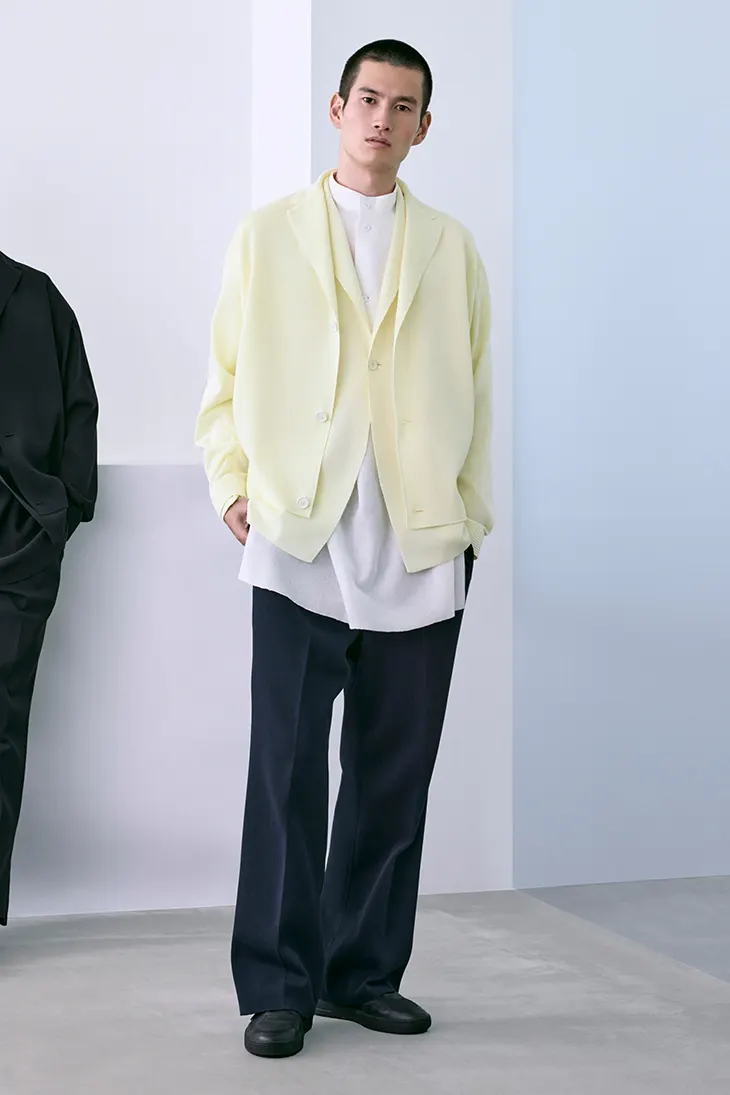
The fashion calendar rarely pauses long enough for a collection to settle into the conversation, but the CFCL Spring/Summer 2027 showing in Paris has done precisely that—lingering in the critical imagination weeks after the last look left the runway. Under the steady hand of designer Yusuke Takahashi, the brand has built its reputation on a deceptively simple premise: that knitwear, properly engineered, can do the work of tailoring.
This season, that proposition reached its most articulate expression yet, with a collection that treated form and construction not as finishing touches but as the entire argument. Outlets from WWD to Vogue and dscene magazine have duly taken notice, and the consensus is difficult to ignore—here is a designer thinking in three dimensions while much of the industry thinks in flat lays.
The Method Behind the Making
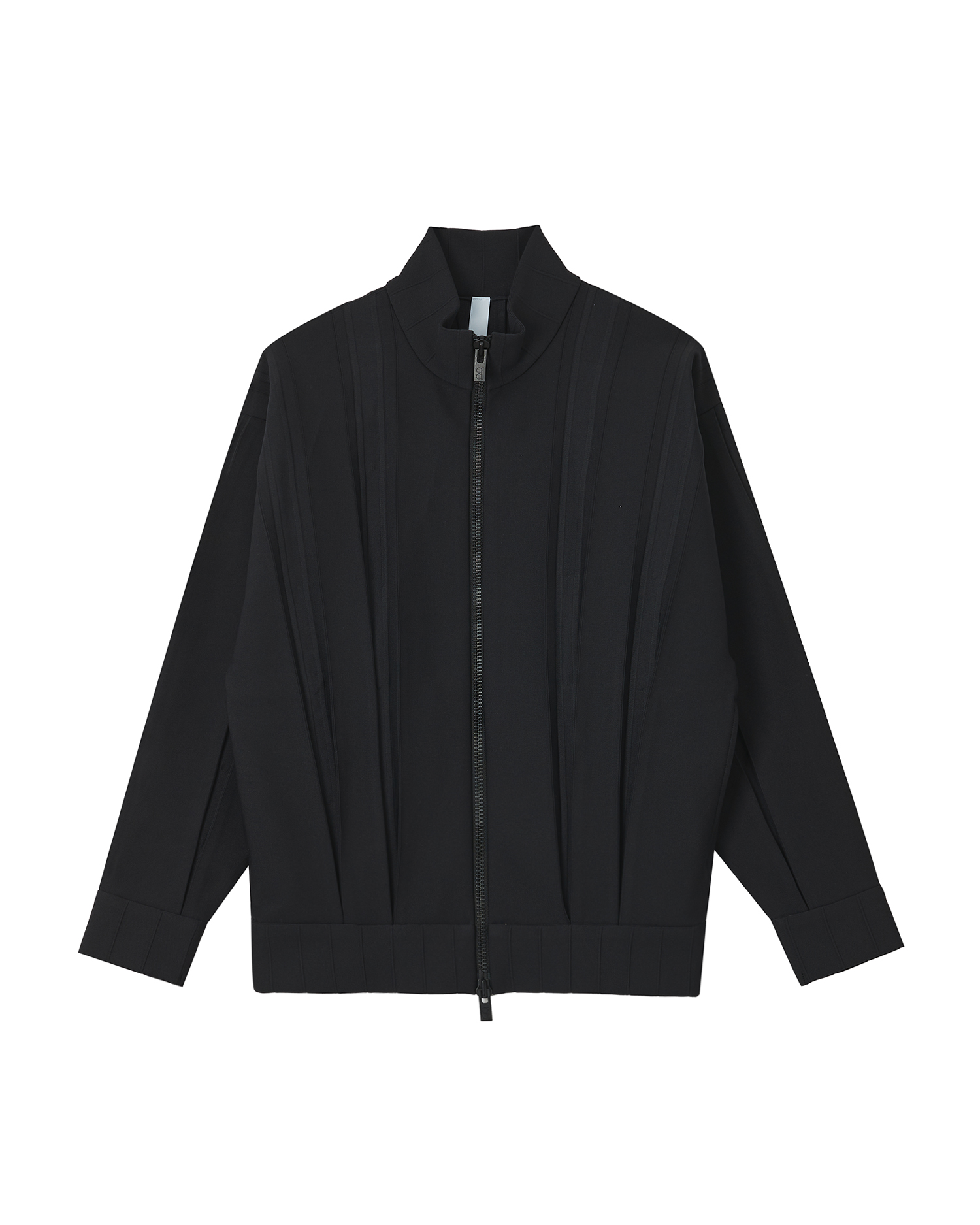
What distinguishes CFCL at its core is a refusal of the decorative shortcut. The house is built on computer-programmed knitting, a process that allows garments to be shaped panel by panel, stitch by stitch, rather than cut from woven cloth and sewn together after the fact. The result is clothing with an almost architectural integrity—seams that follow the body's logic, volumes that hold their shape without interfacing or padding, and a sense of purposeful reduction that recalls the discipline of industrial design as much as the romance of the atelier.
For Spring/Summer 2027, that methodology translated into pieces that felt at once rigorously considered and effortlessly worn: fluid column dresses whose ribbing shifts direction mid-body, lightweight layering pieces with a papery crispness, and menswear—shown alongside and reviewed separately by WWD under the banner "Summertime Sharpness"—that brought a welcome precision to warm-weather dressing.
Clothing for Contemporary Life
The cultural context here matters. CFCL stands for Clothing for Contemporary Life, and the name is not incidental branding but a genuine design brief. In an era when the industry is grappling openly with overproduction, seasonless dressing, and the environmental cost of disposable fashion, a label that invests in programmable knitting machinery and builds its identity around engineered rather than assembled garments is making a quiet but pointed statement.
This is clothing conceived for longevity—pieces that resist trend cycles because their interest lies in structure, proportion, and the subtle intelligence of a well-resolved seam. The Spring/Summer 2027 collection extends that philosophy into warmer months without diluting it, proving that lightness of fabric need not mean lightness of thought.
Who It's For
As for whom this collection serves: it will resonate most with the wearer who thinks about clothing the way a collector thinks about objects—someone who values the tactile honesty of a knit that behaves, who appreciates a shoulder line resolved through mathematics rather than muslin, and who is unmoved by the loudness of logo culture.
The menswear offering, in particular, should appeal to those seeking an alternative to the shapeless ease that dominates summer wardrobes; WWD's framing of "summertime sharpness" captures the tension well, a crispness achieved through construction rather than stiffness. And the womenswear, with its sculptural drape and restrained palette, offers a template for the kind of understated authority that reads as modern precisely because it isn't trying.
Why It Matters Now
Why it matters now is a question the collection answers implicitly. Paris has spent recent seasons awash in retrospect and reinvention, and against that backdrop CFCL's insistence on forward engineering feels almost radical—a reminder that innovation in fashion need not announce itself with spectacle. The critical notice the show attracted, from the trade press through to FashionNetwork USA, suggests the industry recognizes what it is seeing: a designer who has made knitwear into a genuine design language rather than a category.
For anyone following the evolution of contemporary dressing, CFCL Spring/Summer 2027 is less a seasonal proposition than a continuing thesis—one that grows more persuasive with each precise, considered stitch.