For nearly a decade, the Chopova Lowena carabiner skirt has lived as a rumor made tangible only through a screen—a piece passed between devotees like contraband, sighted on the likes of Björk and Alexander Skarsgård, and chased through endless restock refreshes. Now, with the opening of Clubhouse, the London brand's first bricks-and-mortar store, the cult folkloric designs that built its reputation are finally something you can touch, try, and carry home. The store-exclusive pieces released alongside the shop mark a genuine threshold moment: the point at which a digital phenomenon becomes a physical place, and the clothes become objects rather than images.
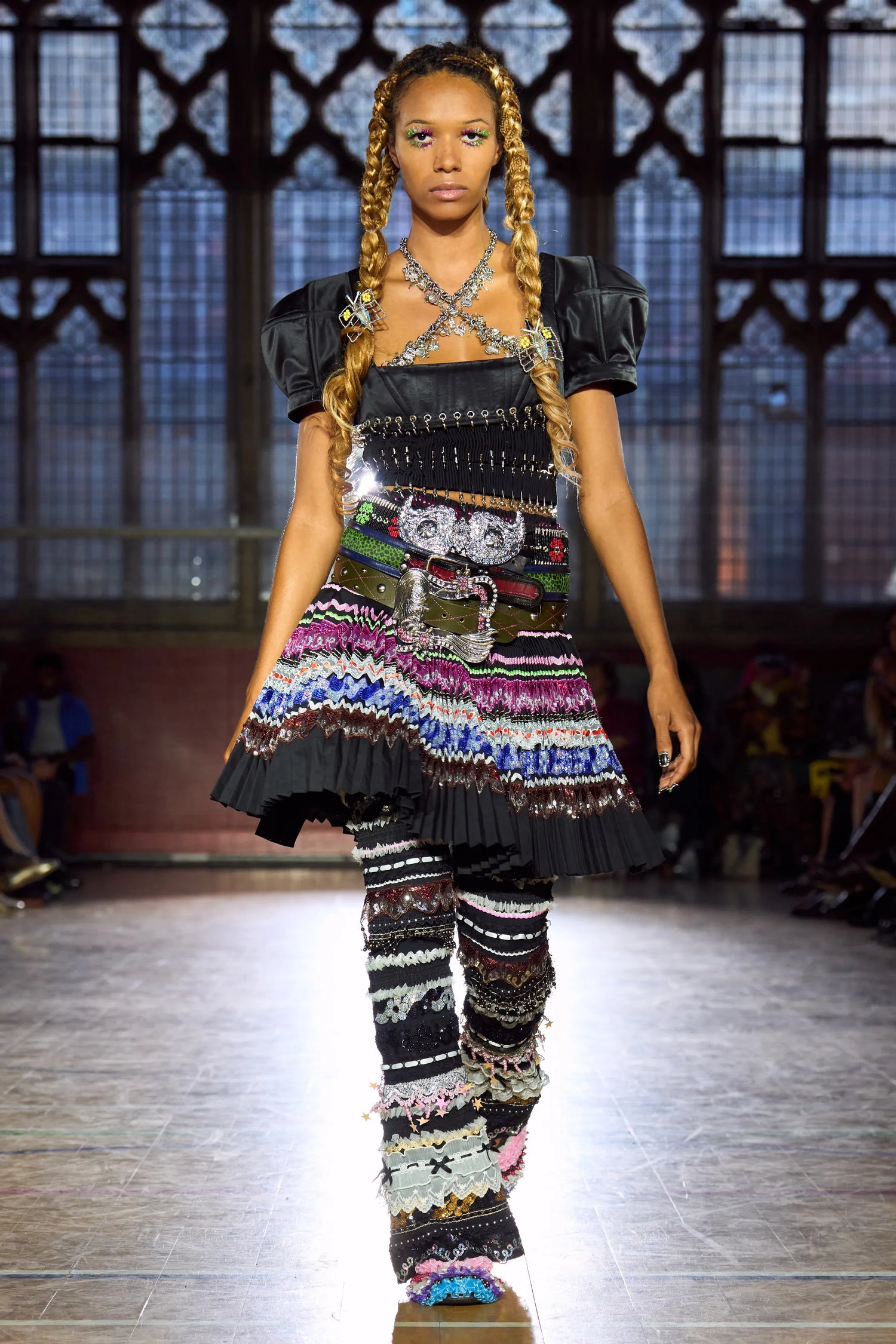
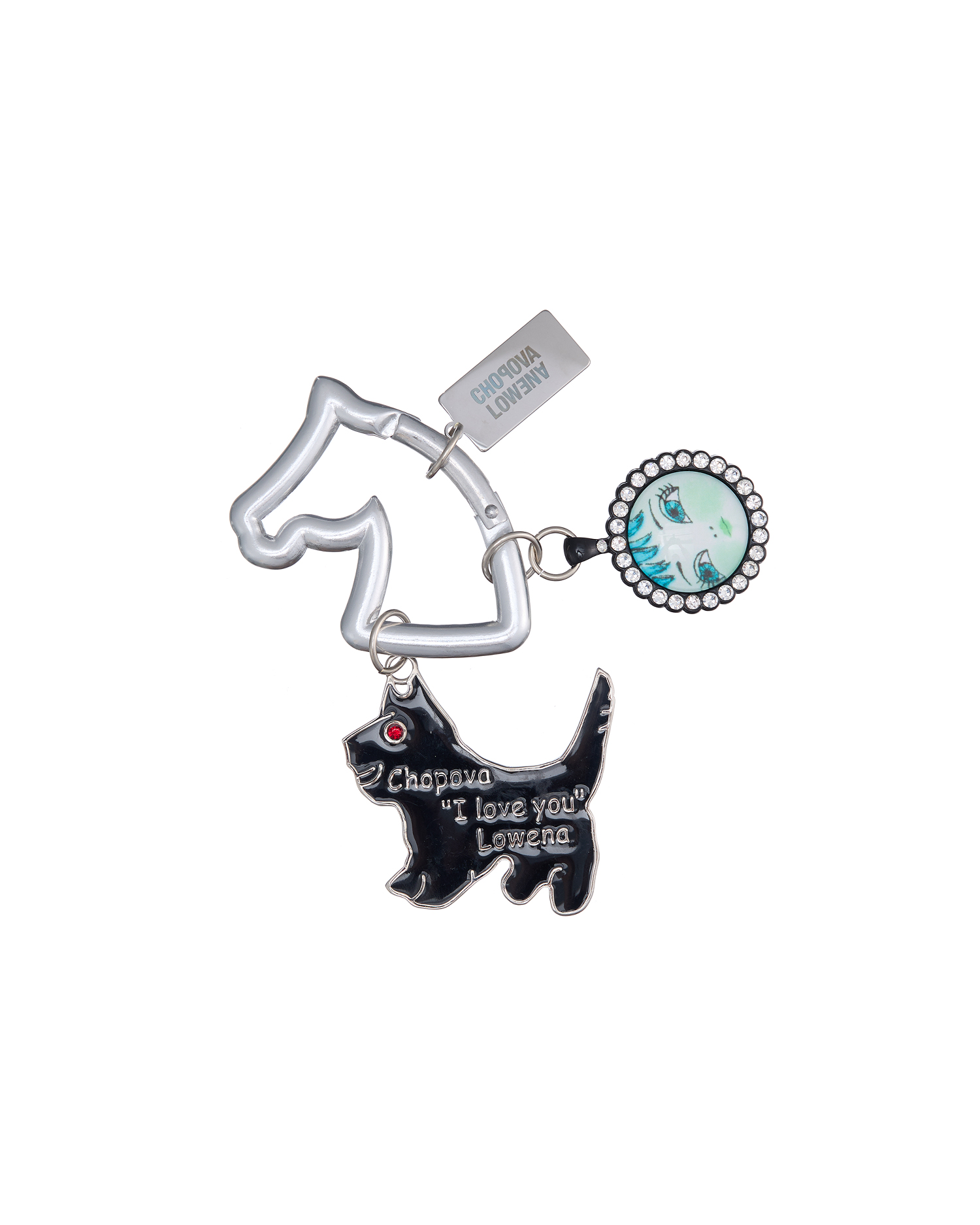
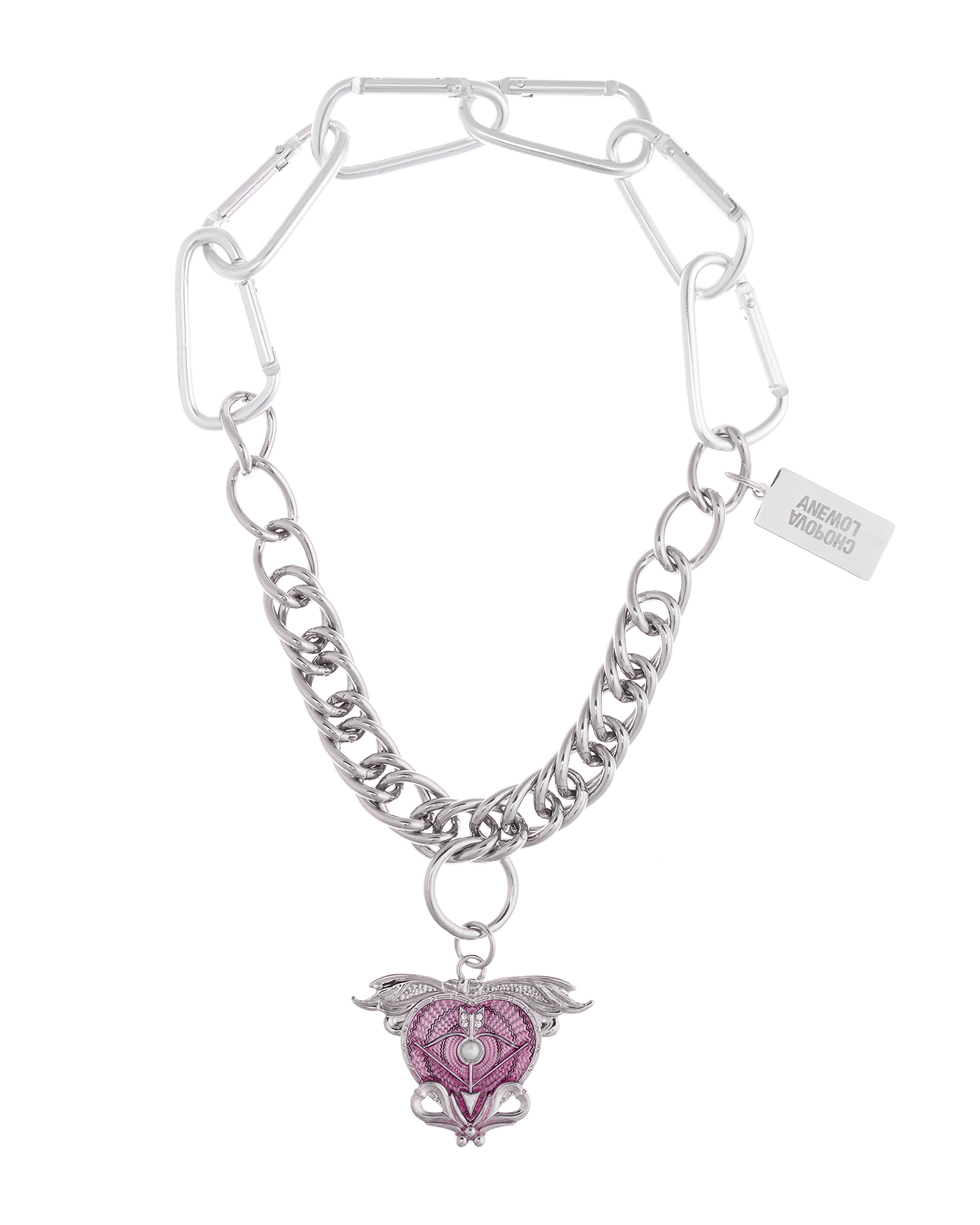
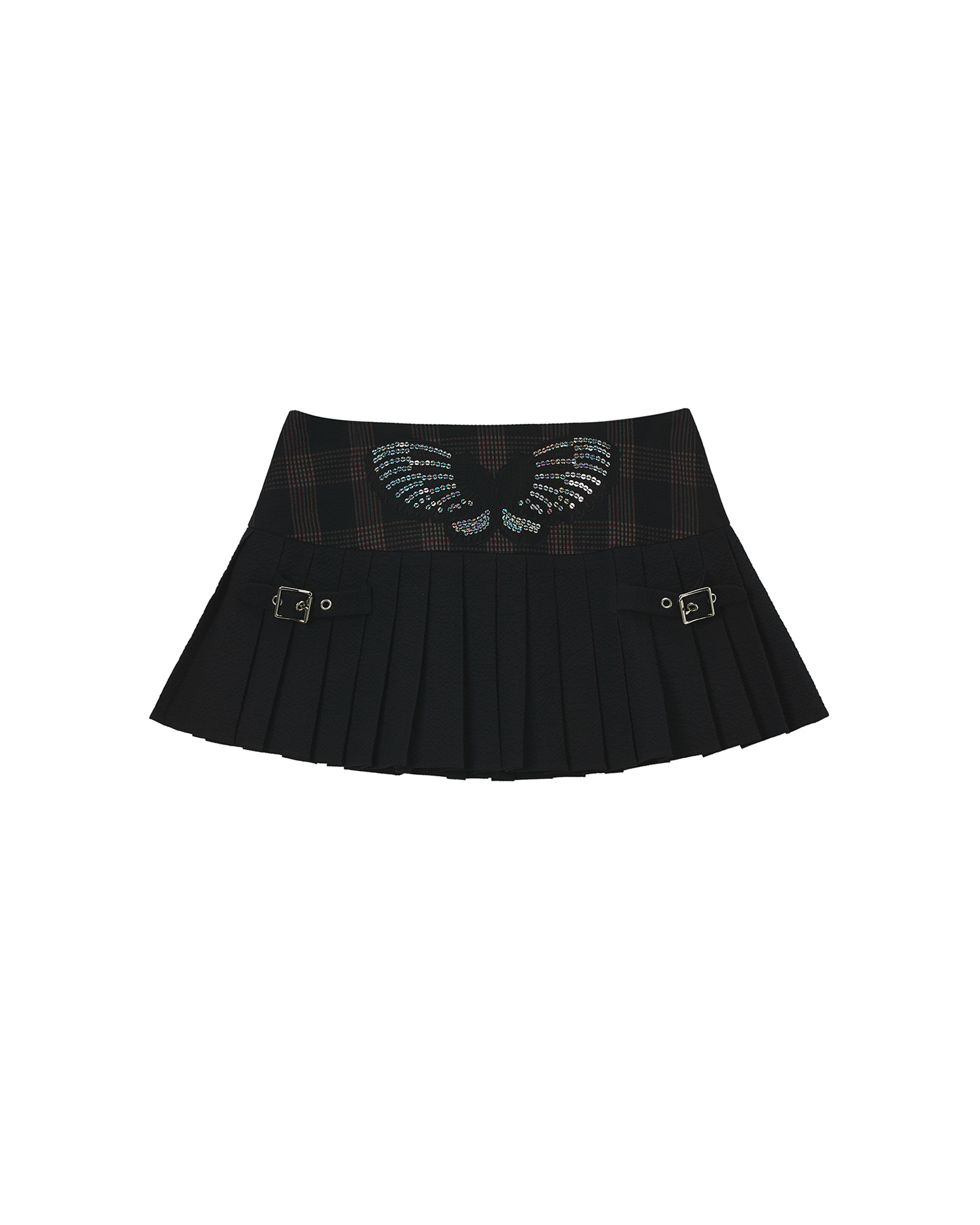
The Clubhouse exclusives are not a greatest-hits reissue. Each piece carries the signatures that define the brand—pleated kilts suspended from climbing-grade carabiners, patchworked Bulgarian and British textiles, hardware that reads as both harness and heirloom—but rendered with a specificity reserved for the shop itself.
Folk Collage, Sharpened
Designers Emma Chopova and Laura Lowena-Irons have long described their process as a form of folk collaging: sourcing deadstock aprons and traditional fabrics from Emma's native Bulgaria, then rebuilding them into garments that feel at once ancestral and unmistakably now. The exclusives sharpen that logic. Every pleat is set by hand, every carabiner rated for load, every panel a one-of-one cut from vintage cloth that will never be replicated. This is slow, almost archaeological production masquerading as streetwear—and the exclusivity is structural, not merely marketing.
From Outsider to Prophecy
The cultural context matters here. Chopova Lowena emerged from Central Saint Martins as an outsider proposition—too ornate for minimalism, too athletic for folklore revival, too sincerely weird for the irony economy. That position has aged into prophecy. In an era when luxury has flattened into logo repetition, the brand's carabiner skirt has become a genuine signifier, worn by men and women alike and famously sported full-look by Skarsgård on a red carpet. The recent Spring 2027 show, staged as a bowling night for the brand's self-described coven, and a campaign fronted by Violet Grohl, confirm that the label's reach now extends well beyond the fashion-insider bubble. Clubhouse is the natural conclusion: a physical headquarters for a community that previously existed only in comment sections and waitlists.
Wearable Artifacts
The store-exclusive pieces are best understood as wearable artifacts of that community. Heavy cotton poplin, washed to a lived-in hand, sits against raw-edged tartan and lace trims in combinations that reward close inspection rather than algorithmic scrolling. The carabiner hardware—functional, not decorative—anchors each silhouette with the brand's signature tension between utility and ornament. Sizing runs deliberately generous and adjustable, an acknowledgment that these clothes are meant to be worn hard and worn long, layered and re-clipped and handed down. Nothing here is precious in the fragile sense; it is precious in the sense of being protected, kept, and passed on.
Who It's For
Who these pieces are for is refreshingly clear. They are for the collector who has watched every drop sell through in minutes and wants the version that cannot be bought secondhand at a markup. They are for the folklorist who understands that a pleated kilt assembled from a 1970s Bulgarian apron is a document as much as a garment. And they are for the newcomer who has admired the carabiner skirt from afar and wants to understand, in person, why it has become one of the defining garments of its generation. The Clubhouse exclusives reward exactly that curiosity.
Why it matters now is simple: Chopova Lowena has spent years proving that radical, handmade, deeply personal clothing could thrive in a fashion system built for the opposite. Opening a physical store and releasing exclusive pieces is the brand betting on its own conviction—that people still want to stand in a room, touch a hem, and feel the weight of something made with intention. The Clubhouse store-exclusive pieces are the proof of concept, hung on a rail and waiting to be tried on. For a label that began as a cult, this is the moment the cult gets a home.