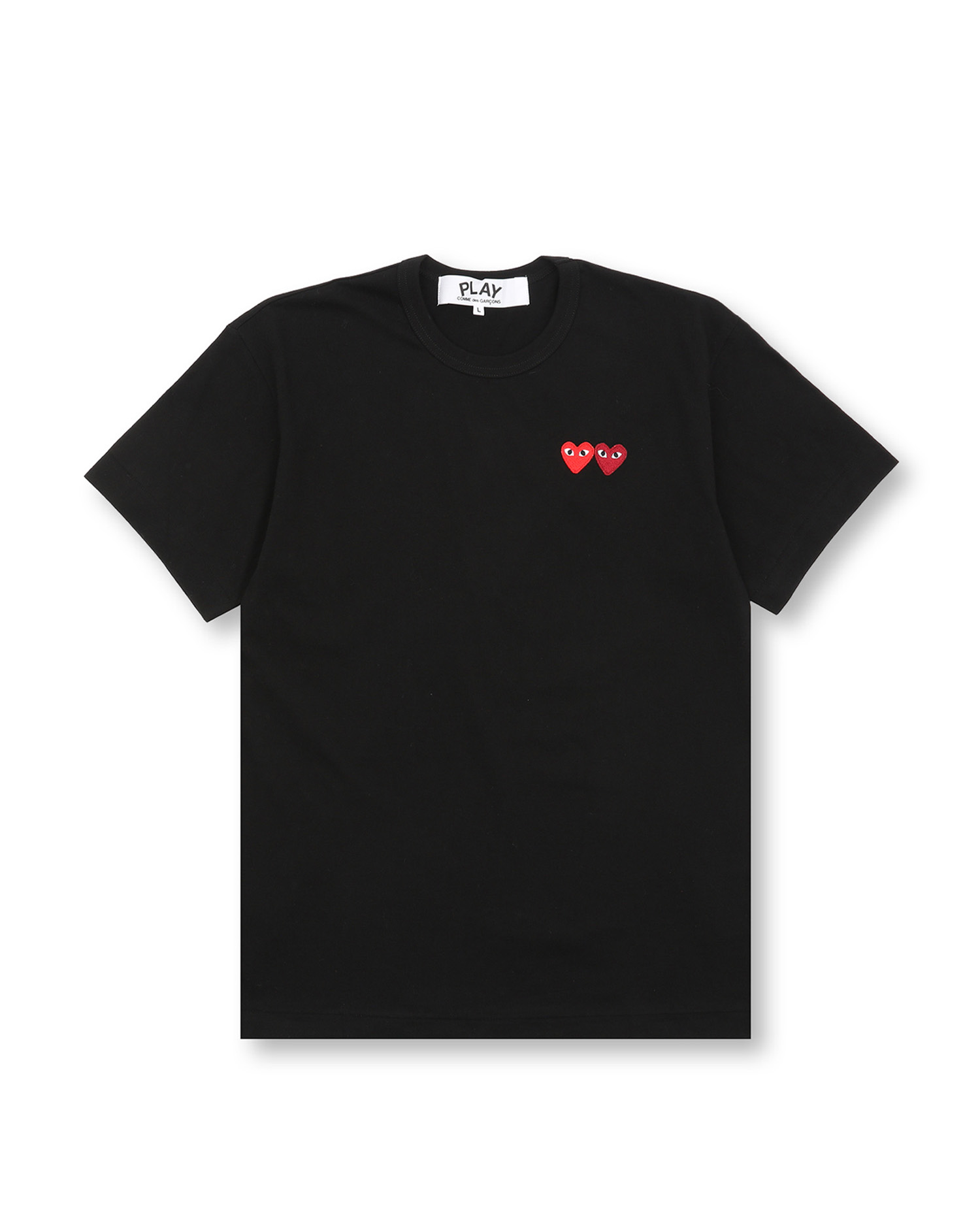
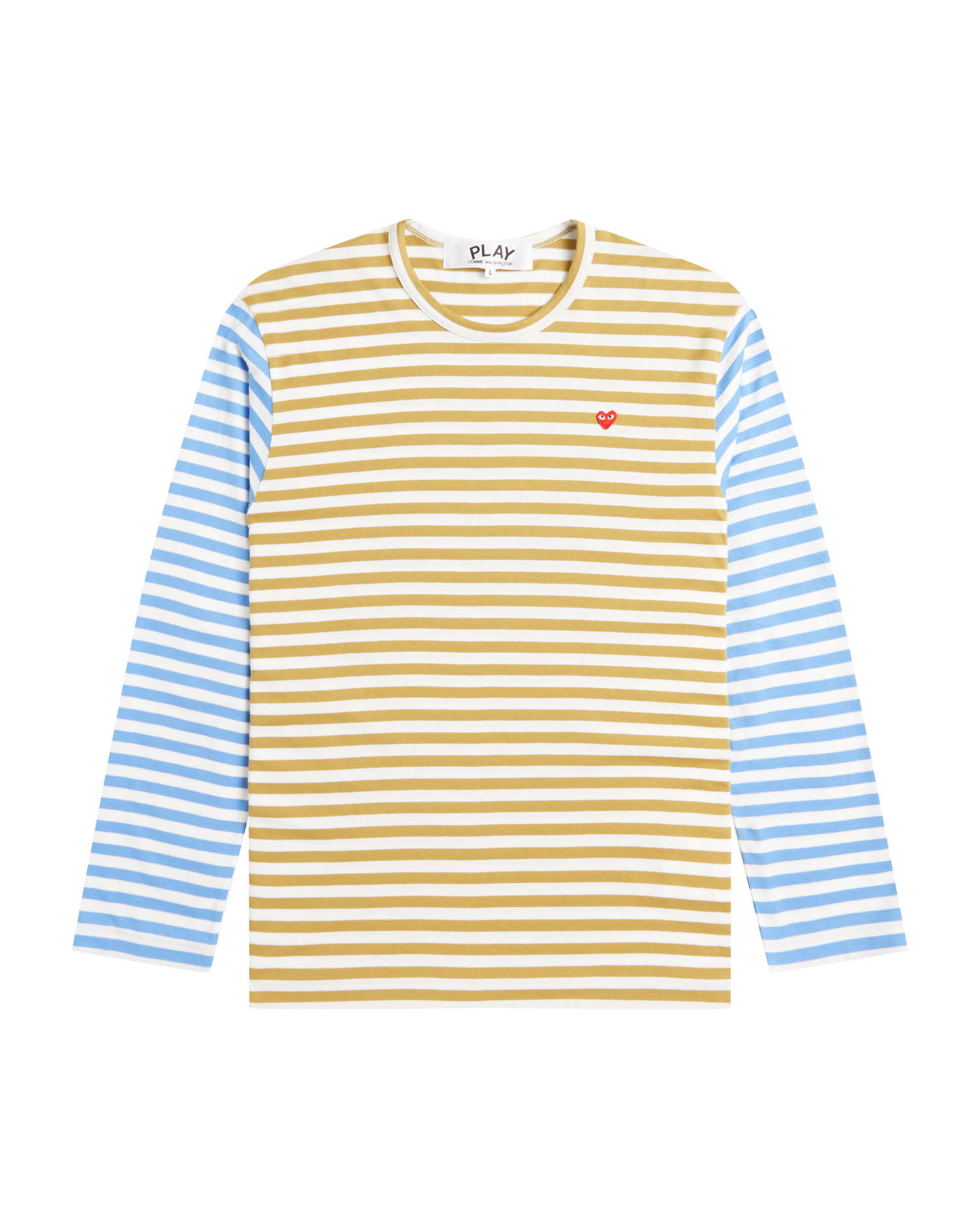
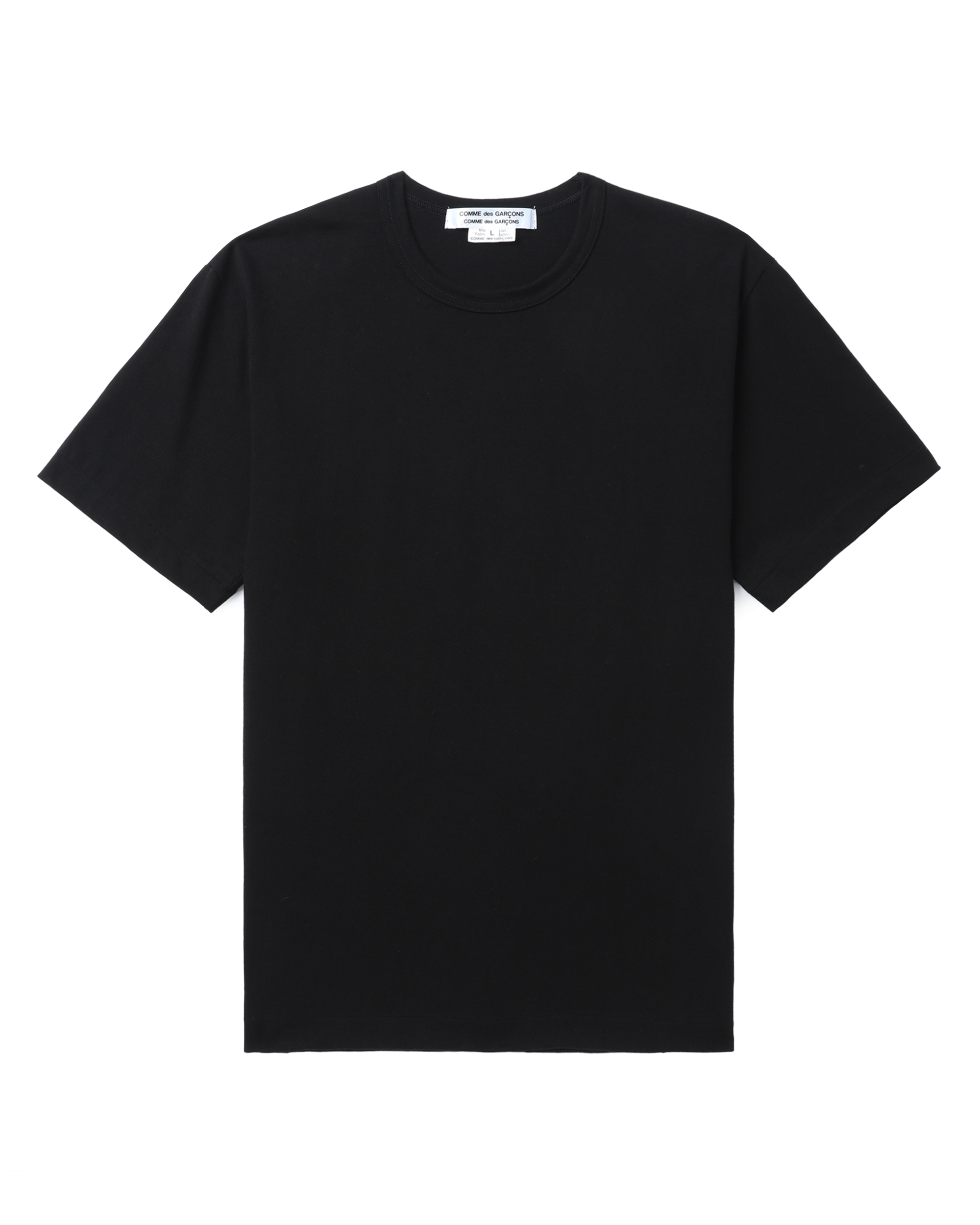
Rei Kawakubo has never been interested in making things easy to find. For decades, the founder of Comme des Garçons has treated scarcity not as a marketing tactic but as a philosophical stance—a conviction that clothing should resist the logic of endless availability. That conviction returns in its purest form with the reopening of a Comme des Garçons Guerrilla Store on the outskirts of Tenjin, Fukuoka, where a selection of exclusive items available only at this location will be offered for a limited window. It is a revival of one of fashion's most quietly subversive retail formats, and for collectors, it represents something increasingly rare: an encounter with the brand that cannot be replicated online, resold at scale, or found anywhere else.
The Guerrilla Store concept dates to 2004, when Kawakubo began opening temporary shops in unexpected, often unglamorous urban locations—Berlin, Reykjavik, Warsaw, Los Angeles—each stocked with prior-season inventory and special pieces, each designed to vanish after roughly a year. The premise was anti-retail at its core: no flagship spectacle, no permanent address, no promise of return. The stores operated on the idea that fashion's value lies partly in its impermanence, and that discovery should require effort. The Fukuoka iteration carries that lineage forward, planted deliberately away from the polished commercial corridors of Tenjin and toward the city's less conspicuous edges—a geographic decision that is itself part of the design.
A Store Designed to Disappear
There is no marble, no gleaming vitrine, no choreographed welcome. The Guerrilla Store model strips retail down to its essentials and lets the clothing carry the weight. Each outpost is conceived as a temporary occupation rather than a destination, and the Fukuoka space follows suit: a location that asks to be found rather than stumbled upon. The premise was anti-retail at its core—no flagship spectacle, no permanent address, no promise of return—and that spirit persists here, where the store's impermanence is not a caveat but the entire point.
The Clothes Inside
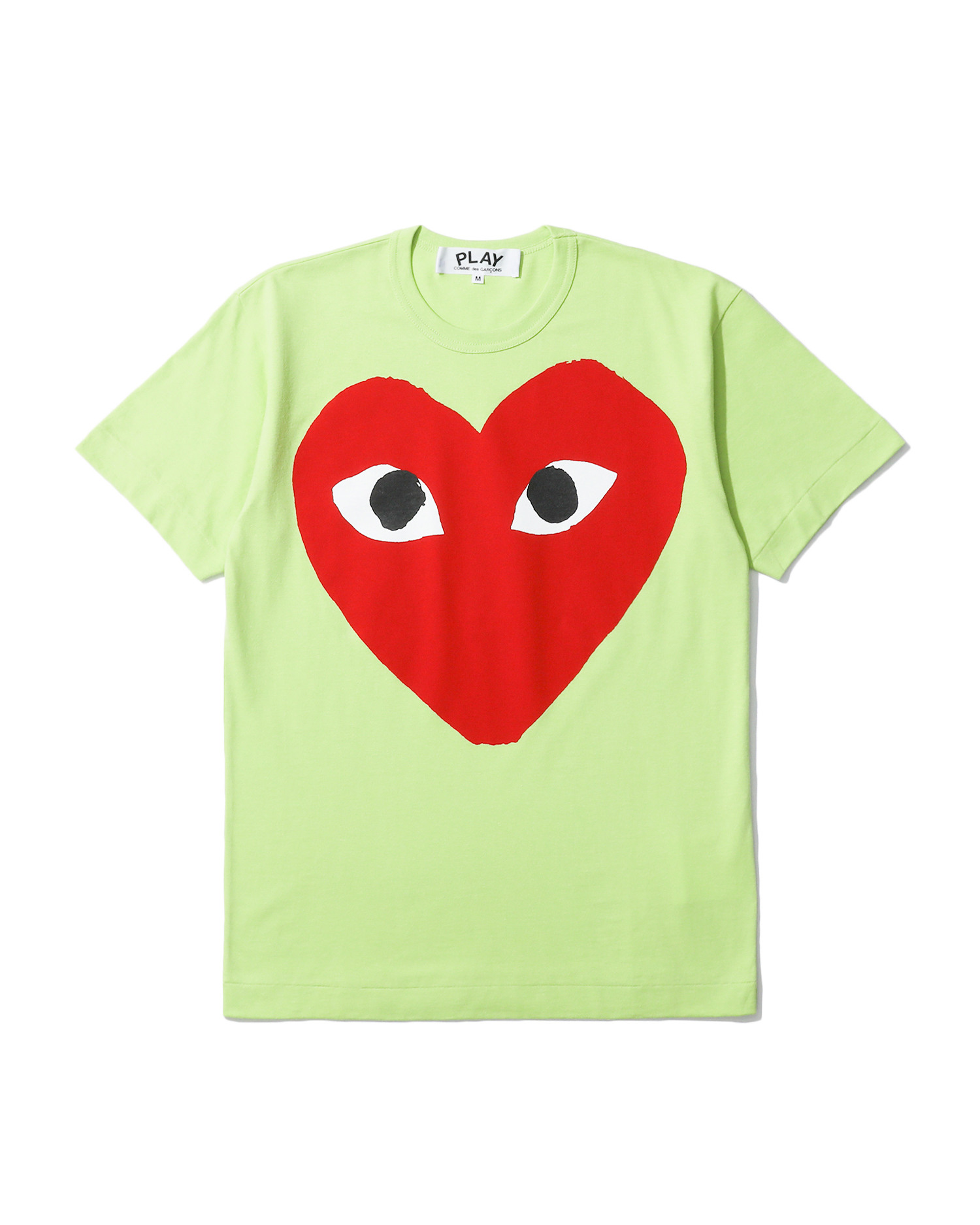
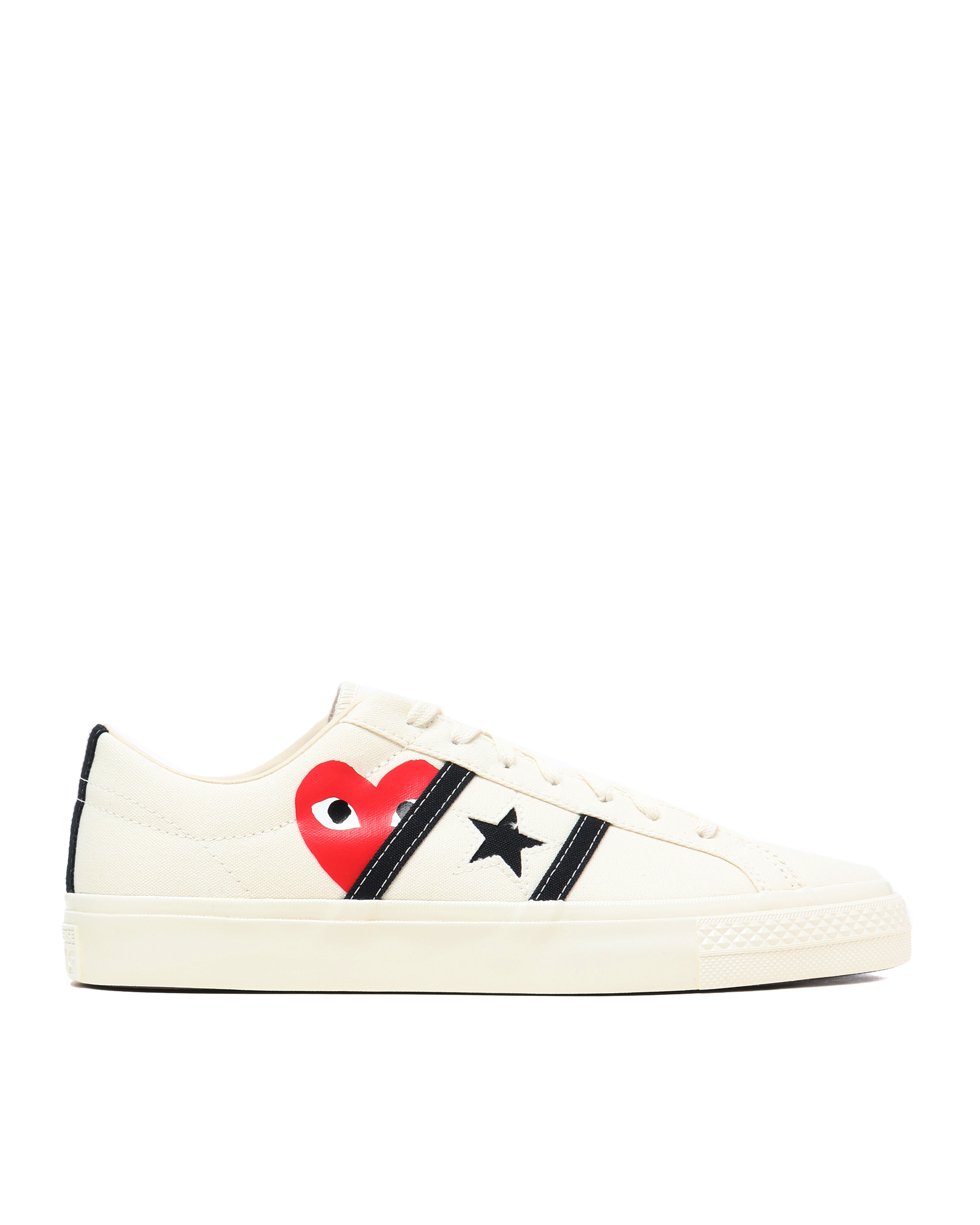
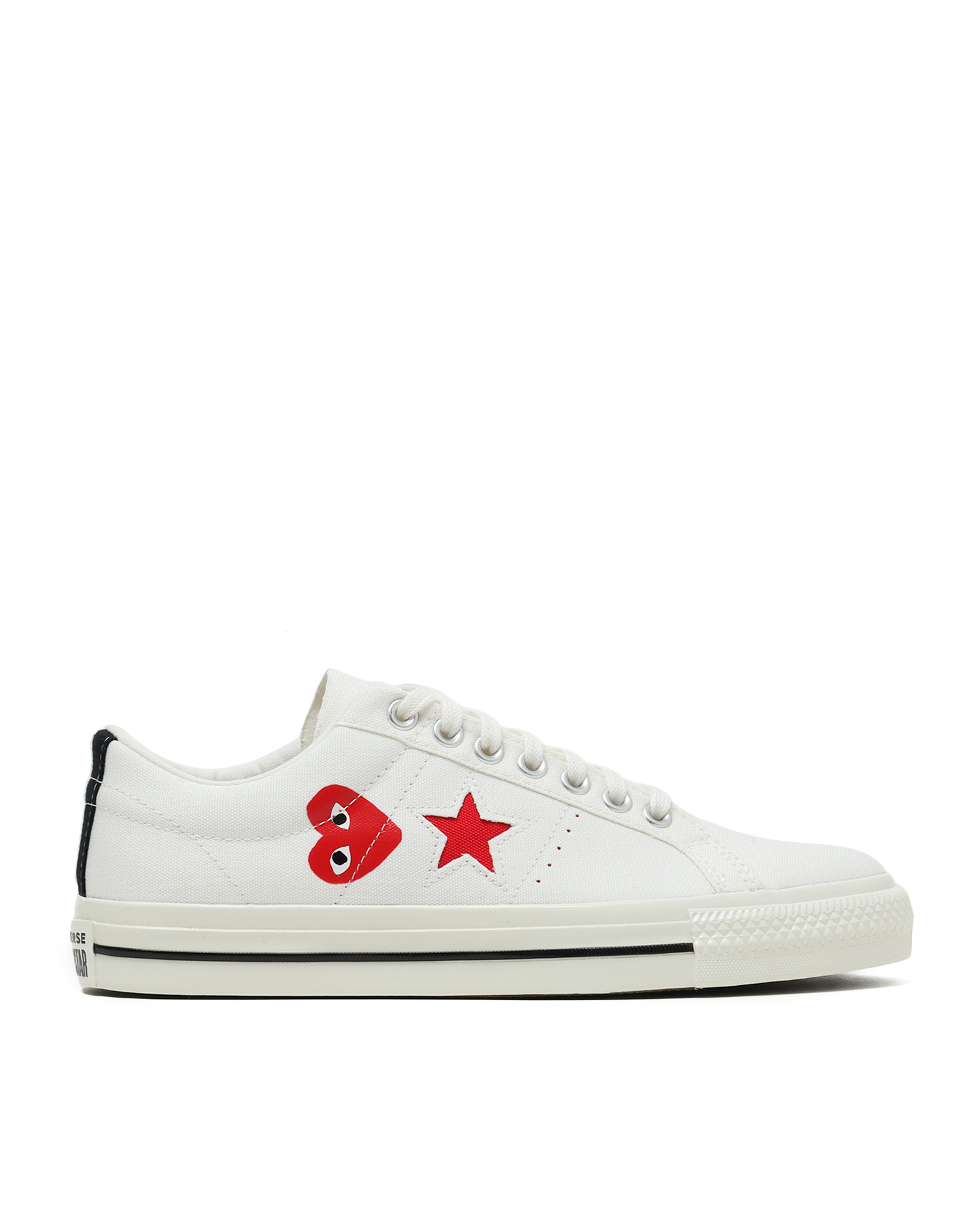
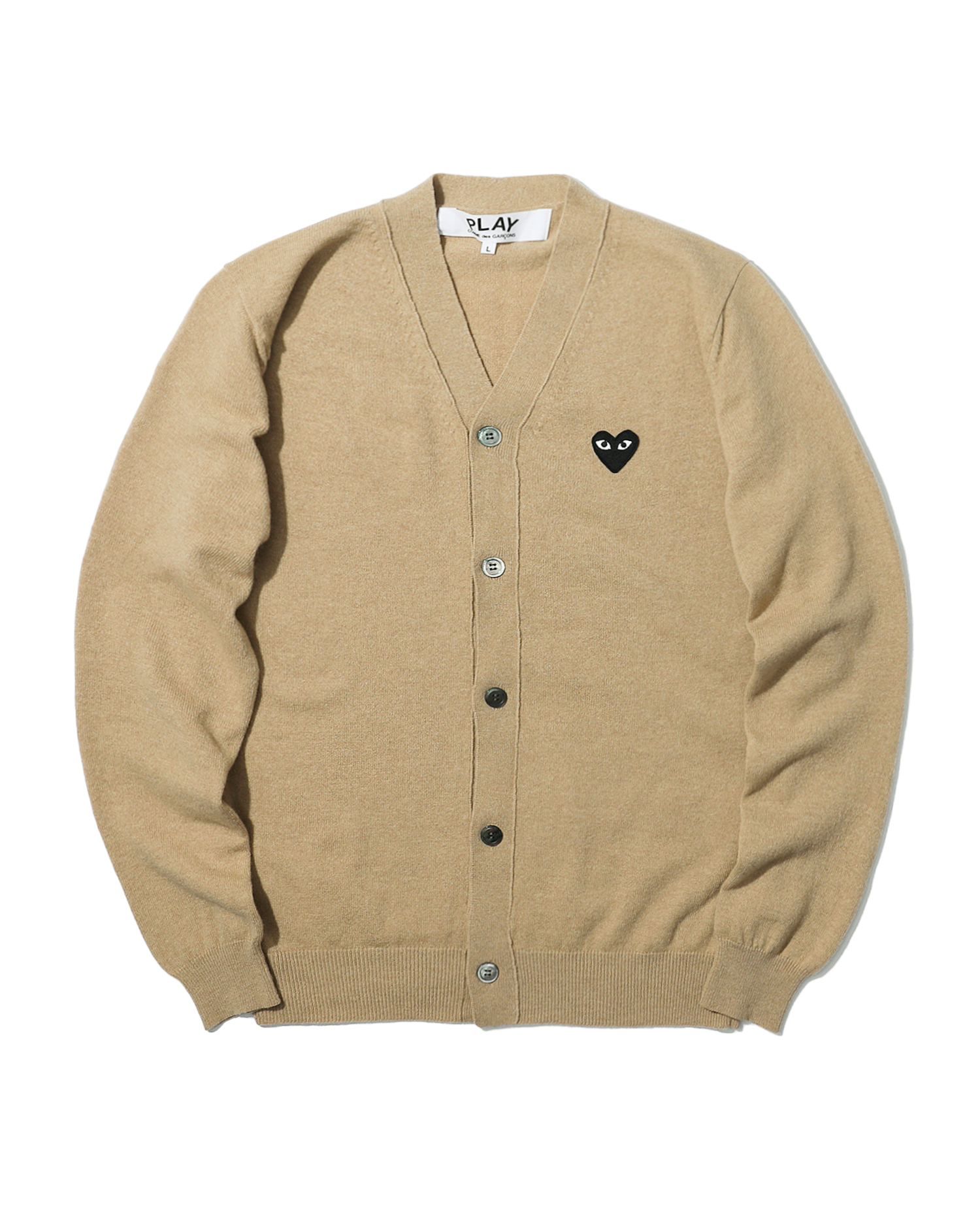
The exclusive pieces themselves reflect the dual identity of Comme des Garçons Comme des Garçons, the women's diffusion line that serves as the most wearable expression of Kawakubo's vocabulary. Expect the line's signature deconstruction softened into daily garments: asymmetric shirting, dropped-shoulder tailoring, garments cut with the quiet irregularity that distinguishes the label from its minimal peers. The materials follow the house's established discipline—wool suiting with a dry hand, crisp cotton poplin, jersey that drapes rather than clings—rendered in the restrained palette of black, navy, ivory, and the occasional unexpected print. What separates these items from the mainline offering is not quality but circumstance: each piece exists only within the store's walls, functioning as a wearable edition of one.
Expansion and Its Counterweight
Culturally, the timing is pointed. The past year has seen Comme des Garçons expand aggressively on the global stage—a flagship in São Paulo marking its first Latin American outpost, a POCKET shop-in-shop in Athens, an otherworldly new Paris store that drew architectural attention, and a holiday collaboration with Onitsuka Tiger that pushed the brand further into the mainstream conversation. Against that backdrop of expansion, the Guerrilla Store reads as a corrective gesture: a reminder that Kawakubo's enterprise still holds a space for the small, the local, and the deliberately hard to reach. It also arrives as the diffusion line's own legacy is being reassessed—recent archival attention to collections like Spring 2018 and Fall 2019 has renewed interest in Comme des Garçons Comme des Garçons as a serious design project rather than merely an entry point.
For the Committed
This is a collection for the committed: the collector who understands the difference between the mainline and the diffusion lines, the traveler willing to build a trip around a store that may not exist next season, the wearer who values a garment partly because others cannot easily obtain it. It matters now precisely because fashion retail has become frictionless to the point of numbness—everything available, everywhere, instantly. The Fukuoka Guerrilla Store reintroduces friction as a feature. It asks something of its audience: attention, effort, and an acceptance that the best things are often the ones that refuse to wait for you.
In the end, the Guerrilla Store is less a shop than a statement of belief—that impermanence sharpens desire, that effort deepens attachment, and that a garment worth wanting is one that demands something of the person who finds it. Kawakubo has built a career on that conviction, and in Fukuoka, for a limited window, she asks her audience to prove it.