Denim has always been fashion's great democrat — born in workwear, sanctified by rebellion, worn by everyone from miners to movie stars. So when Rei Kawakubo decides to give denim what AnOther Magazine has aptly called the royal treatment, the gesture is neither decorative nor nostalgic. It is a quiet act of category disruption.
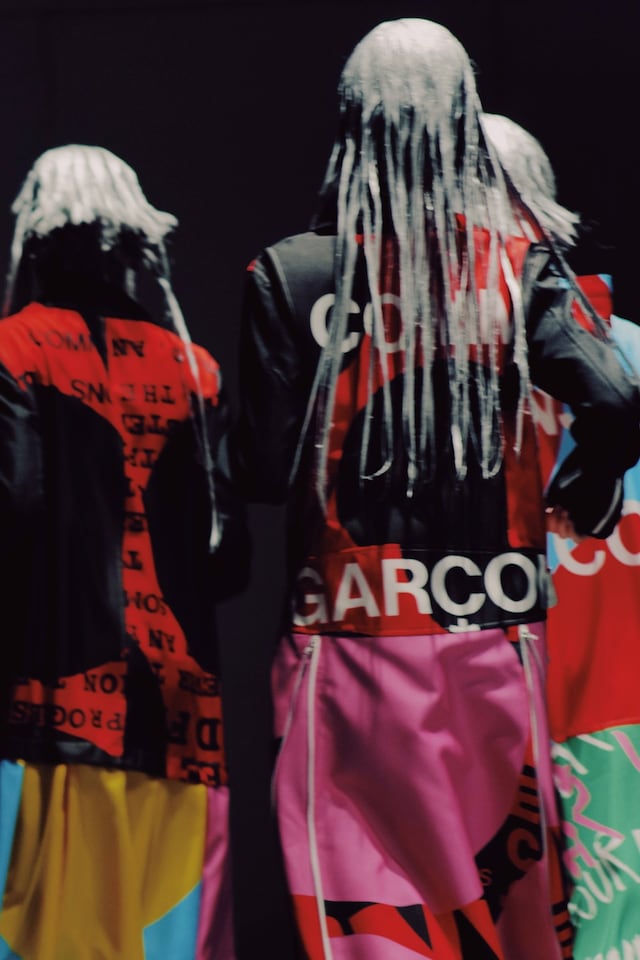
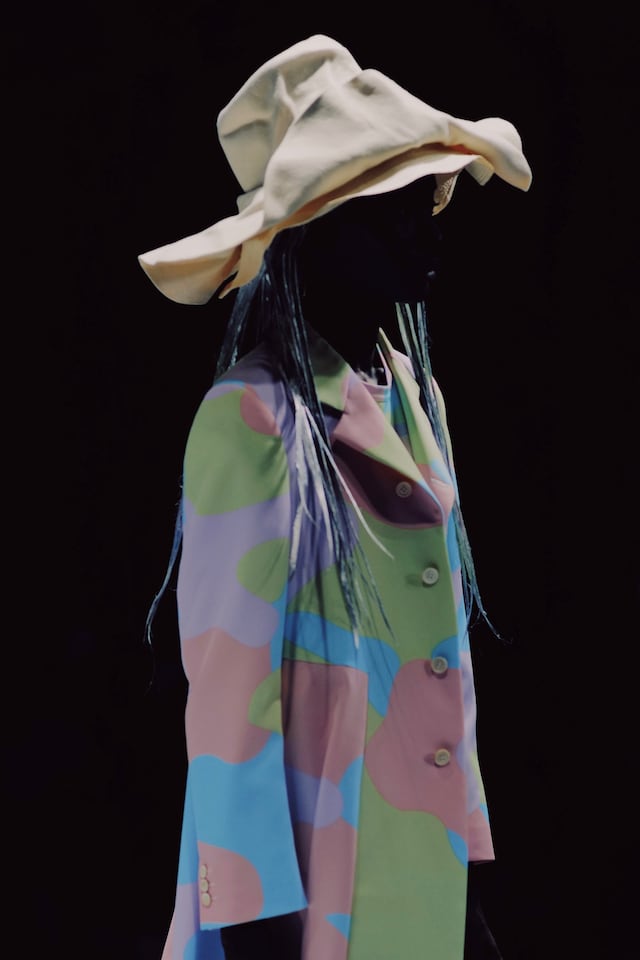
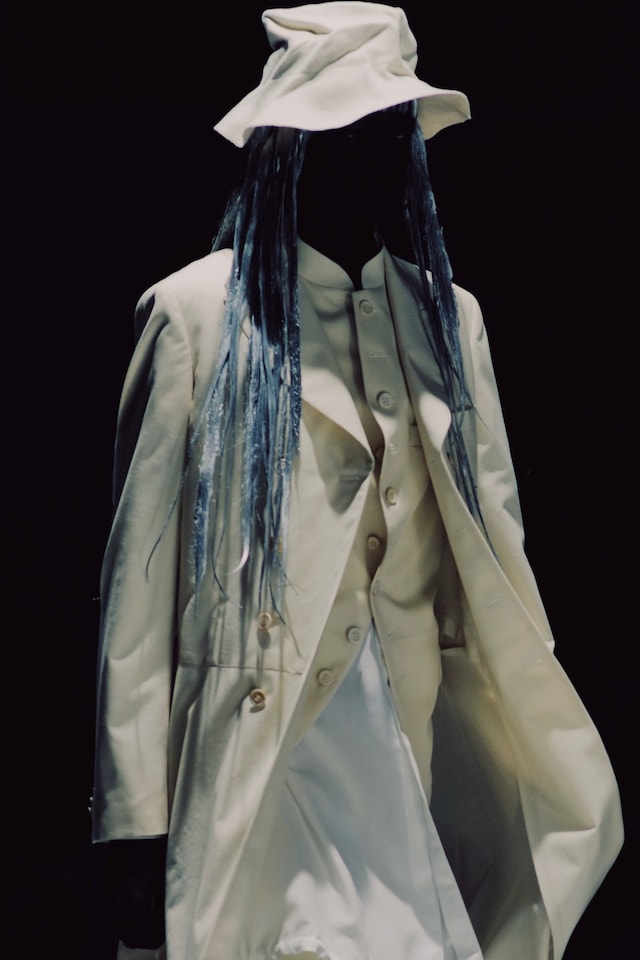
The COMME des GARÇONS Spring 2027 denim collection takes the most ordinary fabric in the Western wardrobe and subjects it to the same sculptural rigor, material interrogation, and conceptual severity that Kawakubo has applied to tailoring, lace, and bonded wool across five decades of relentless reinvention. The result, spotlighted this season by AnOther Magazine, is denim as coronation — cloth elevated not through embellishment but through conviction.
The Architecture of a Seam
The design language is unmistakably Kawakubo's. Silhouettes are reconsidered from the seam outward: waistbands migrate, legs are re-proportioned, and the familiar five-pocket grammar is dismantled and rebuilt with the precision of a couture atelier. Washes are treated as surfaces rather than states — indigo deepened, faded, or interrupted in ways that read as patina earned rather than distress applied. Hardware is rendered with unusual restraint, letting the architecture of the garment speak.
This is denim that refuses to perform casualness; it asks to be looked at, the way one looks at a garment in a museum vitrine. And yet it remains wearable, which has always been the paradox at the heart of Kawakubo's practice — radical ideas delivered in garments that people genuinely live in.
Cloth With a Memory
The material story matters as much as the shape. Elevated denim demands elevated cloth, and the collection's fabrics carry the density, hand, and structural memory that separate serious textiles from commodity cotton.
"We'll Never Be Royals"
The cultural context here is significant: the Spring 2027 collection arrived under the banner "We'll Never Be Royals," as WWD reported, a typically double-edged Kawakubo provocation. The phrase nods to the aristocratic posturing of fashion's hierarchies while simultaneously insisting that the brand's own community — the devotees who, as ELLE recently documented, treat fashion as something closer to faith than consumption — constitutes its own kind of nobility.
Denim becomes the perfect vehicle for that argument: the fabric of the people, granted ceremonial weight, worn by anyone who understands that elevation is a matter of intent rather than birthright.
A Season of Inquiry
This is not an isolated gesture but part of a remarkably generative season for the house. Dover Street Market has mounted a beautifully chaotic exhibition of Comme des Garçons, as Wallpaper* described it, while simultaneously unveiling a 3D reimagining of the cult magazine Six in collaboration with Kawakubo herself — the publication's revival covered widely by Hypebeast and Hube magazine. Vogue's review of the Spring 2027 ready-to-wear collection and The Impression's show analysis both positioned the season as a continuation of what nippon.com rightly calls Kawakubo's half-century of continuous revolution.
Even the wider cultural conversation — David Sedaris at the altar of Comme des Garçons in GQ, the New York Times redefining glamour, the brand's boundary-defying fragrance work profiled by The Globe and Mail — reinforces the same truth: everything this house touches is treated as a site of inquiry. Denim, in that light, is not a departure. It is the logical next frontier.
Who is this collection for? It is for the collector who has long understood that a Comme des Garçons garment is an object of contemplation as much as a piece of clothing. It is for the denim purist willing to reconsider what the category can hold. And it is for anyone who has felt, as the brand's fans told ELLE, that fashion is about more than clothes — that what we wear can be a position, a philosophy, a refusal.
Why it matters now is simple: in a season saturated with quiet luxury and safe nostalgia, Kawakubo has taken the safest fabric in the world and made it strange, regal, and new. The crown, as ever with this house, is worn by those who never asked permission to claim it.