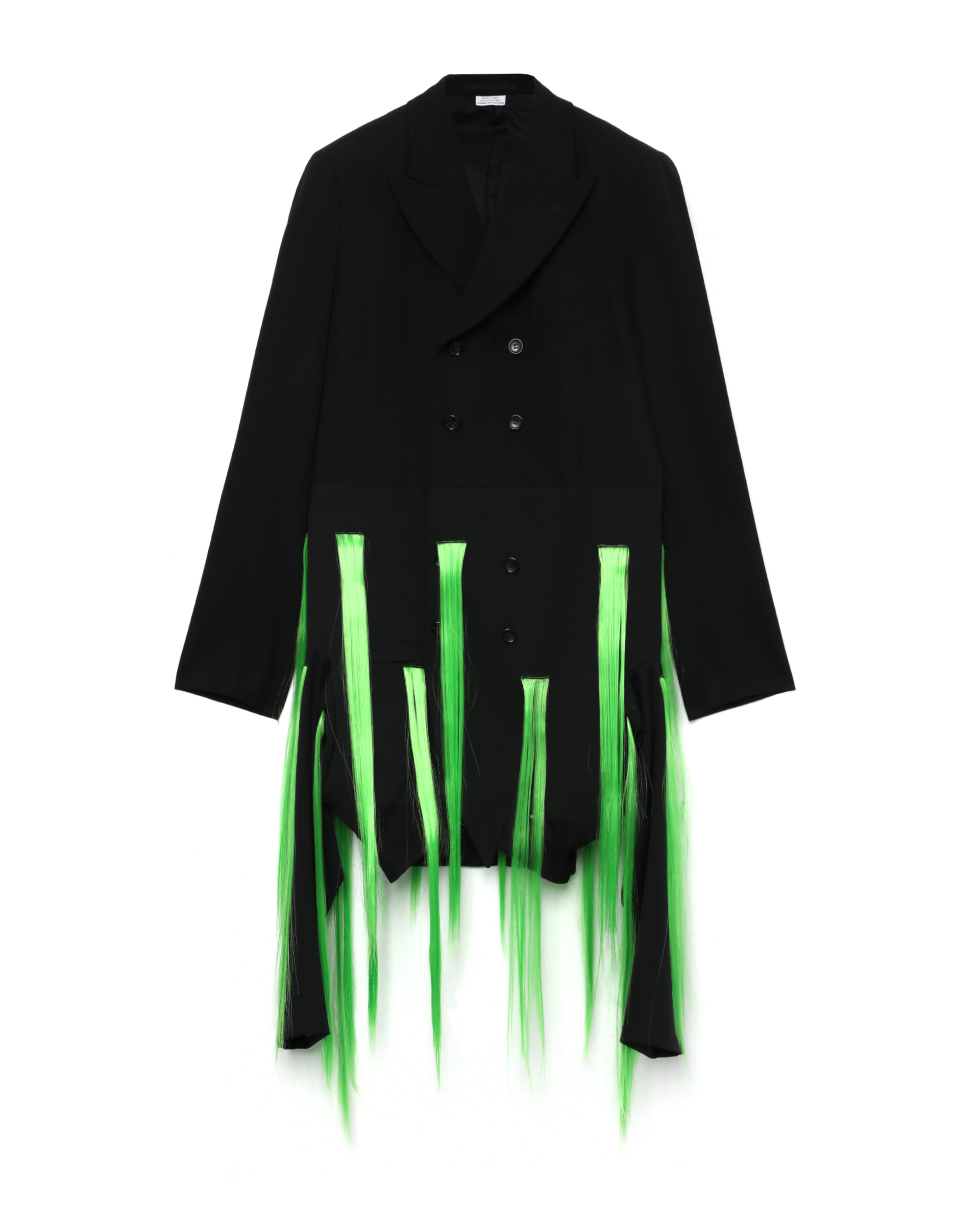
For four decades, Rei Kawakubo has built her empire on the proposition that clothing should unsettle. Her main line sends models down runways in lumps and voids and sculptural interventions that seem to argue with the human body itself. And yet some of the most quietly subversive work to emerge from the Comme des Garçons universe this season arrives in the form of a garment so unassuming it practically disappears: the Comme des Garçons Shirt Spring 2027 collection, a study in what the house does when it decides to be — almost — normal.
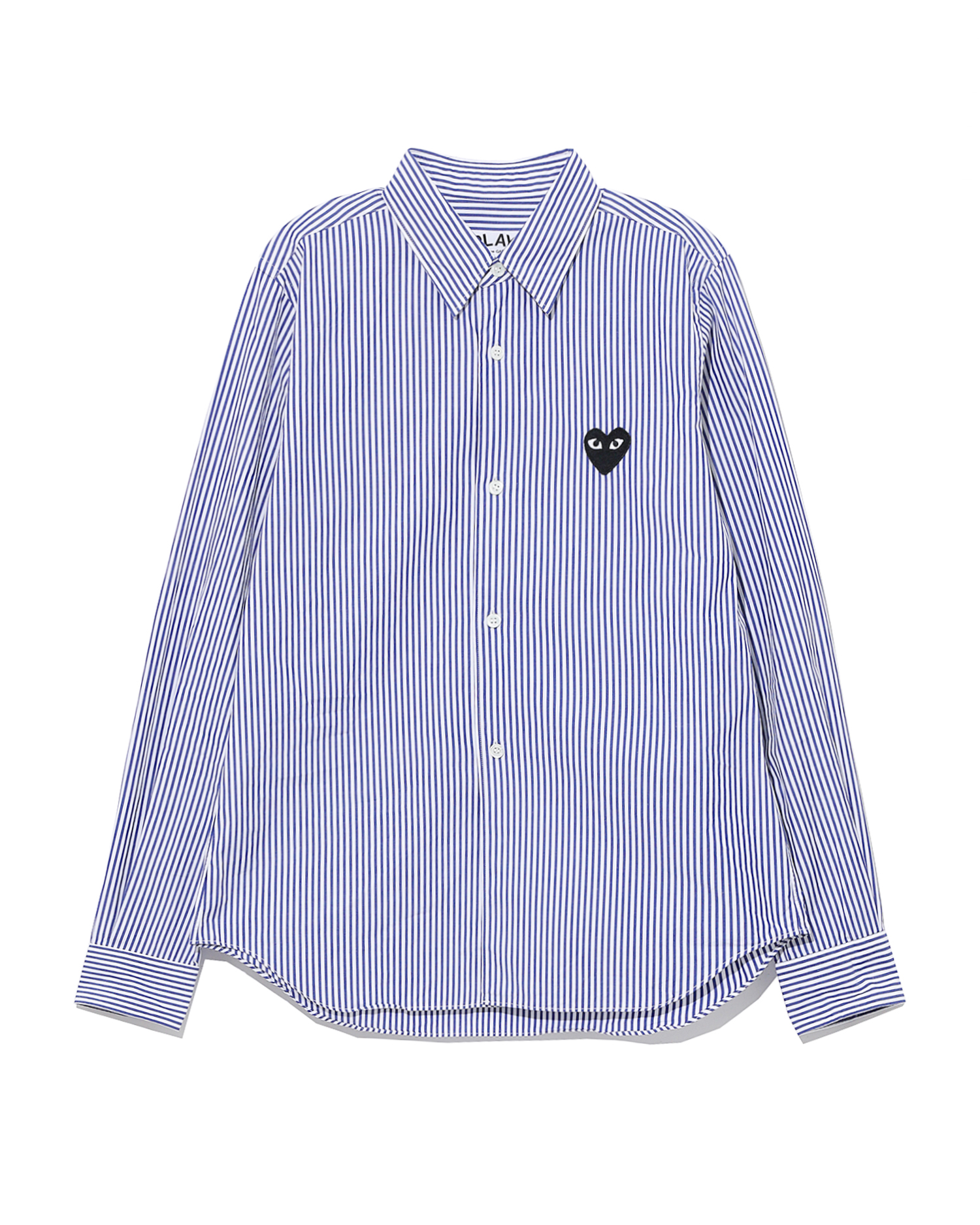
Highsnobiety put it bluntly, declaring the brand had "made a shirt so normal your dad would wear it," and that apparent insult is, in Kawakubo's hands, the highest possible compliment. The premise of Comme des Garçons Shirt has always been a deliberate paradox. This is the label's dedicated shirting line, a laboratory where the codes of the button-down — collar, placket, cuff, yoke — are treated not as fixed architecture but as raw material.
The Platonic Ideal, Disrupted at the Margins
For Spring 2027, as documented in Vogue's menswear coverage, Kawakubo strips the form back toward its platonic ideal, then introduces her disruptions at the margins: a collar set at a fractionally wrong angle, a hem cut a centimeter too short, a fabric that drapes with an unexpected stiffness or softness. The palette stays resolutely adult — chalk, ecru, faded indigo, a sober navy — because the point isn't to shout. The point is to make you look twice, then a third time, and only then understand that nothing about this shirt is accidental.
The Hand of the Cloth
Materials matter enormously here. The line has long been a showcase for Kawakubo's exacting approach to cotton — poplins with a dry, almost papery hand; oxfords woven with a weight that reads as archival rather than contemporary; the occasional experimental blend that behaves unlike anything in a conventional menswear store. Construction is where the subversion hides in plain sight: seams placed where seams don't belong, a back yoke that shifts the shoulder line, buttons that sit slightly off their expected axis. Worn casually, the effect is uncanny — the shirt looks like the one you already own, until it doesn't.
A Quiet Counterpoint to the Noise
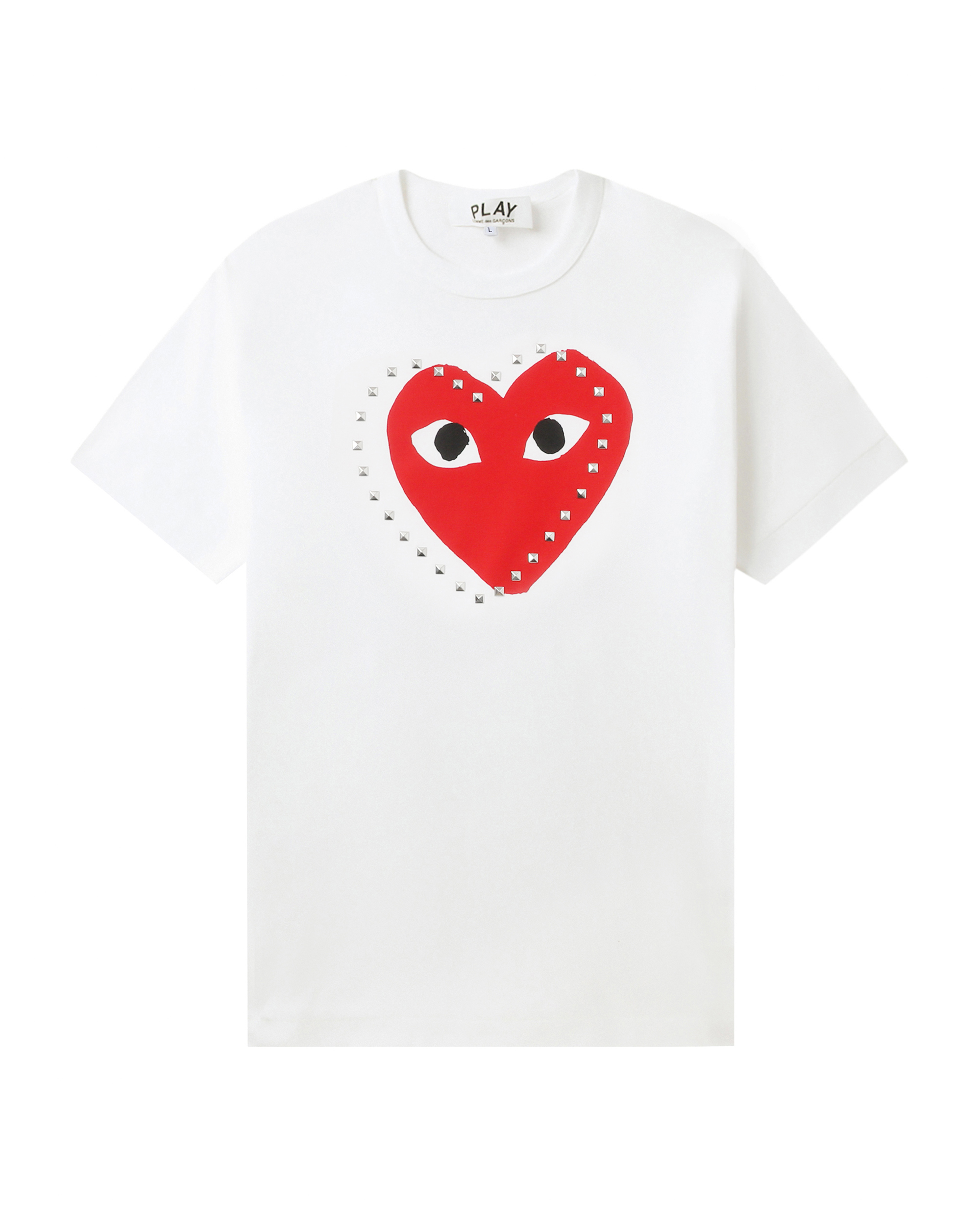
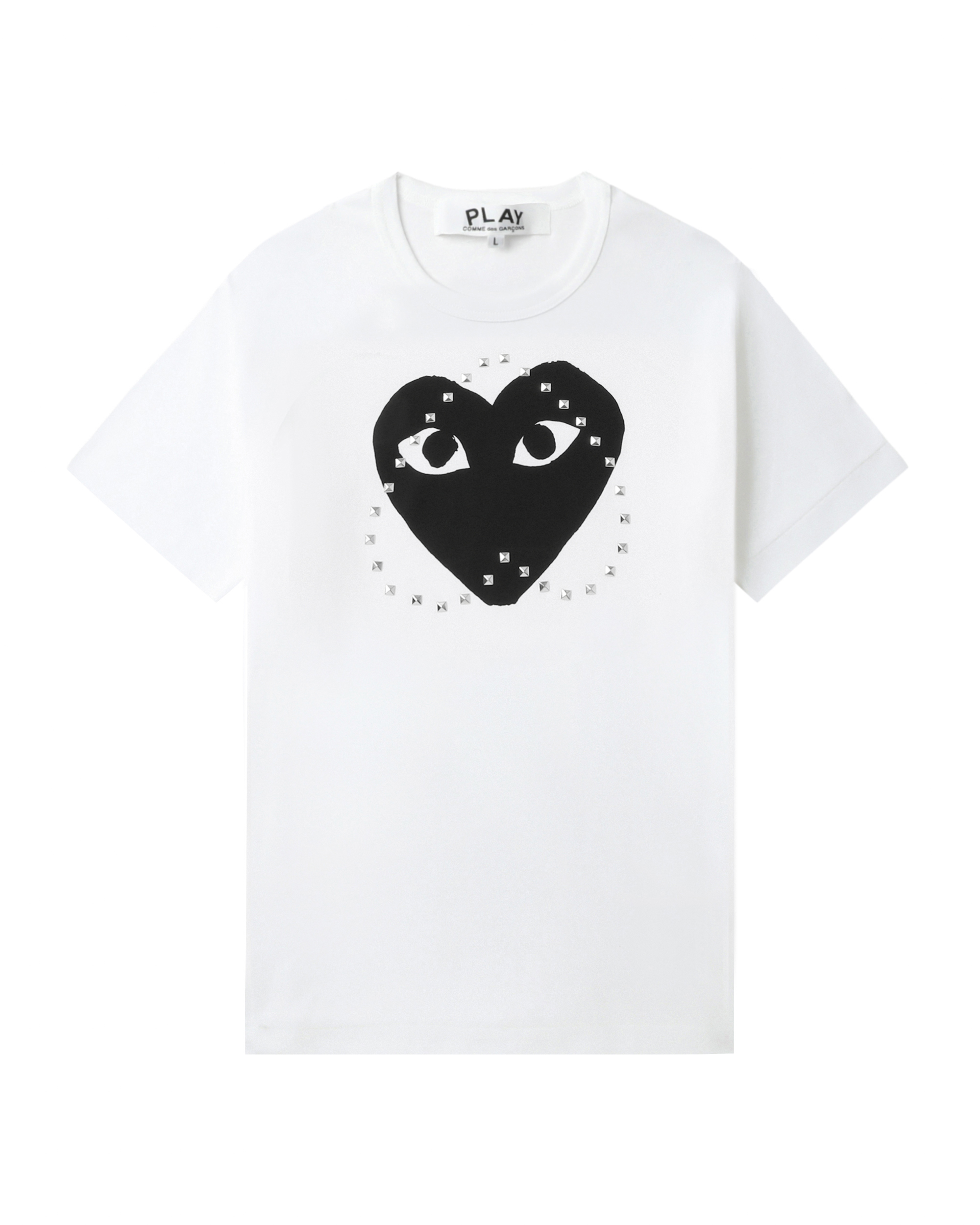
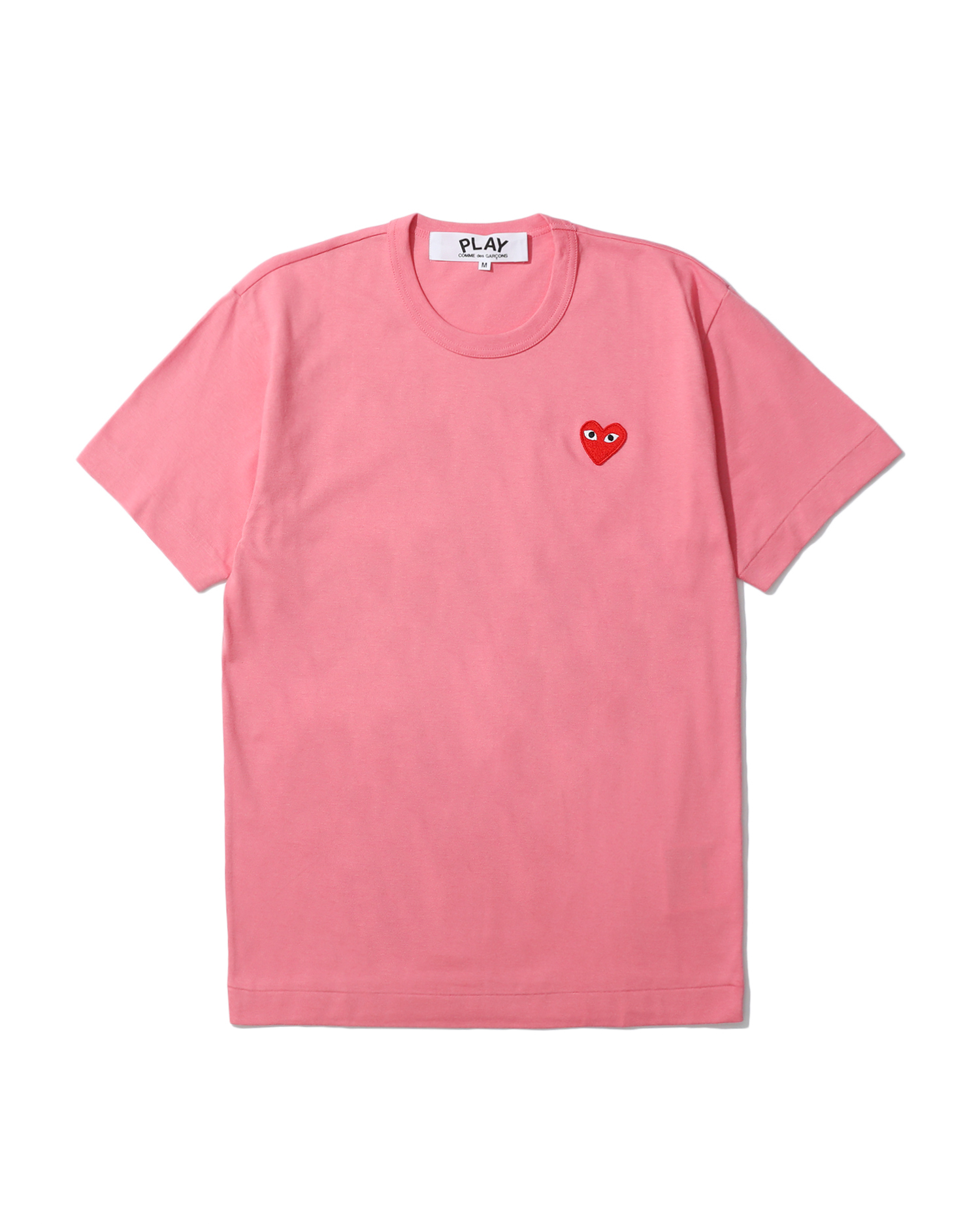
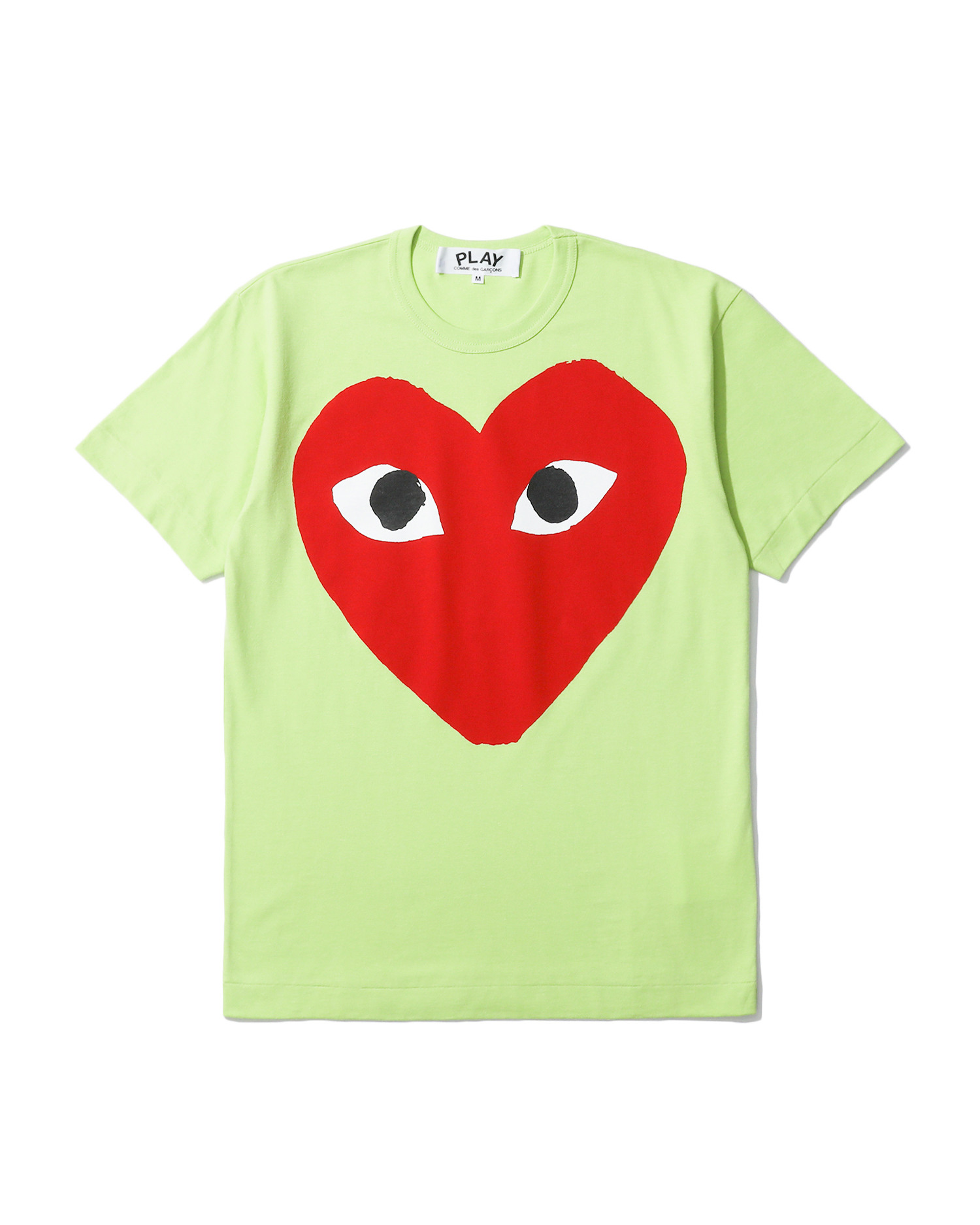
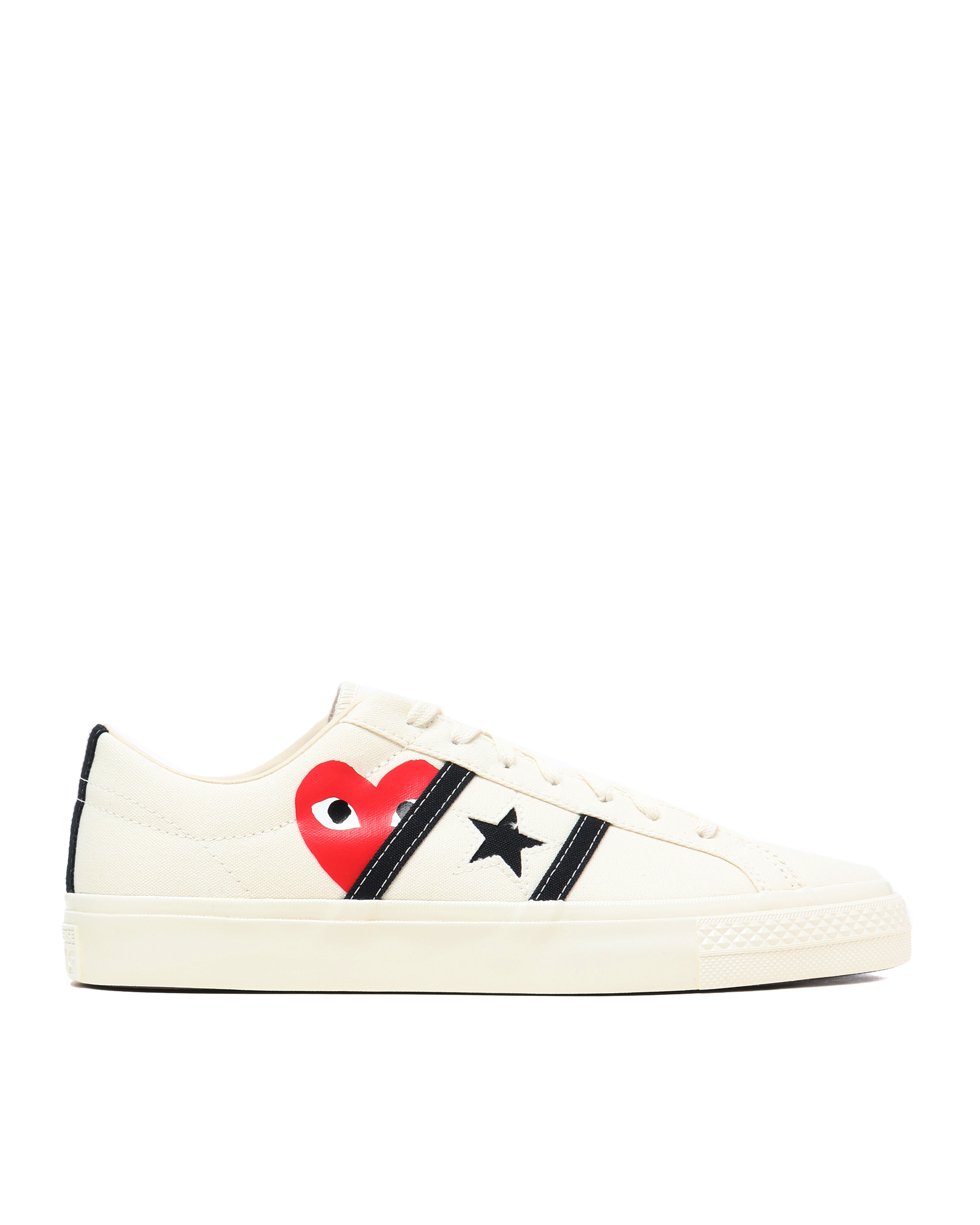
The timing feels pointed. This is a moment when the broader Comme des Garçons ecosystem is being loudly reconsidered. The house revived its legendary GUERRILLA STORE in Fukuoka with archive pieces, resurrected its cult magazine *Six* under the stewardship of Adrian Joffe, and watched a new generation — led, improbably, by Timothée Chalamet — drive a revival of the heart-logo'd PLAY line. A landmark auction of rare pieces and David Sedaris's devotional GQ pilgrimage have only deepened the mythology. Amid all this noise, Comme des Garçons Shirt offers something quieter and arguably more radical: the proposition that radical fashion need not announce itself. As ELLE's conversations with devotees suggested, the brand's audience understands that the clothes are about more than clothes — and a shirt this disciplined is a thesis statement delivered in a whisper.
For the Eye That Reads Millimeters
Who is it for? Not the collector chasing runway spectacle, and not the shopper who wants a logo to do the talking. It is for the man who has refined his eye to the point where a millimeter of collar placement registers as a full sentence — the architect, the editor, the designer, anyone who understands that the most sophisticated gesture in menswear right now is restraint deployed with precision. It is everyday clothing for people who find everyday clothing slightly boring, and who trust Kawakubo to make the familiar strange without making it unwearable.
That is the quiet genius of Comme des Garçons Shirt Spring 2027. In an industry addicted to novelty, Kawakubo has engineered a collection that rewards the opposite of novelty: attention. The shirt your dad would wear, cut by the most exacting hand in fashion, becomes something your dad could never quite have owned — proof that normality, executed with total control, is its own form of rebellion.