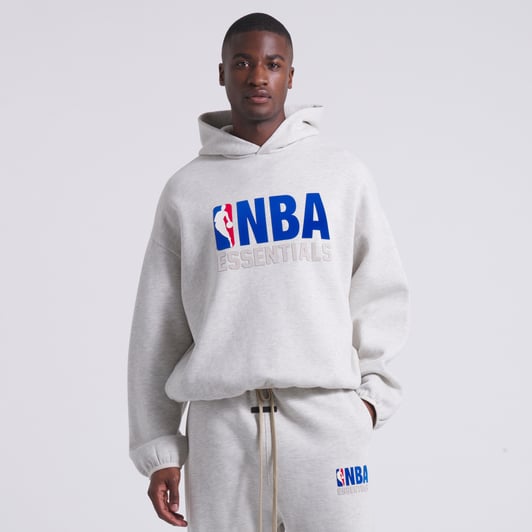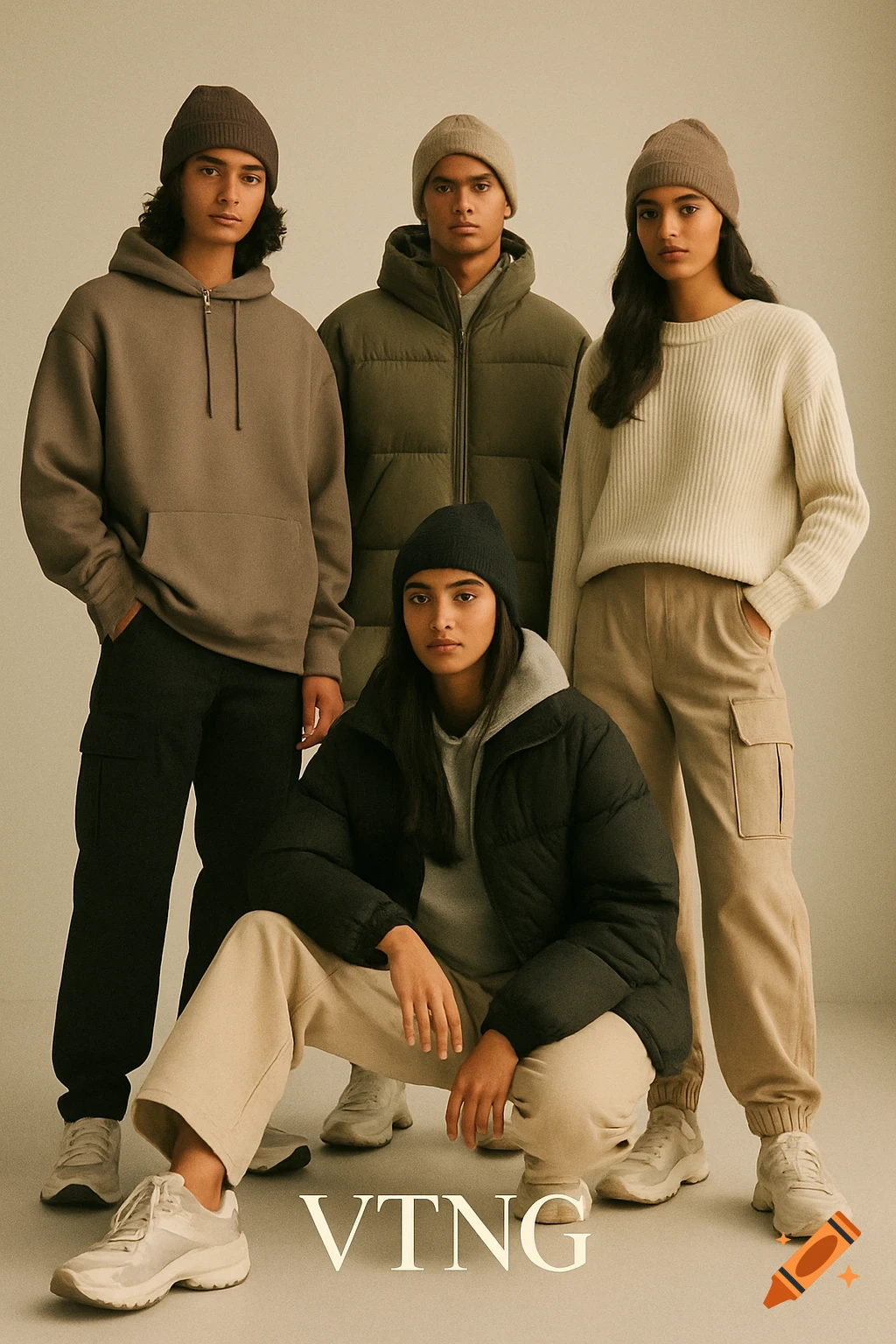
The NFL and the NBA have spent decades as separate kingdoms—different calendars, different mythologies, different licensed universes guarded by competing league offices and wary brand partners. That border has finally been crossed. With the Fear of God Essentials NFL x NBA Unified Wardrobe Collection, Jerry Lorenzo's quiet powerhouse becomes the first label to bring both leagues under a single apparel banner, a feat of licensing diplomacy as much as design.
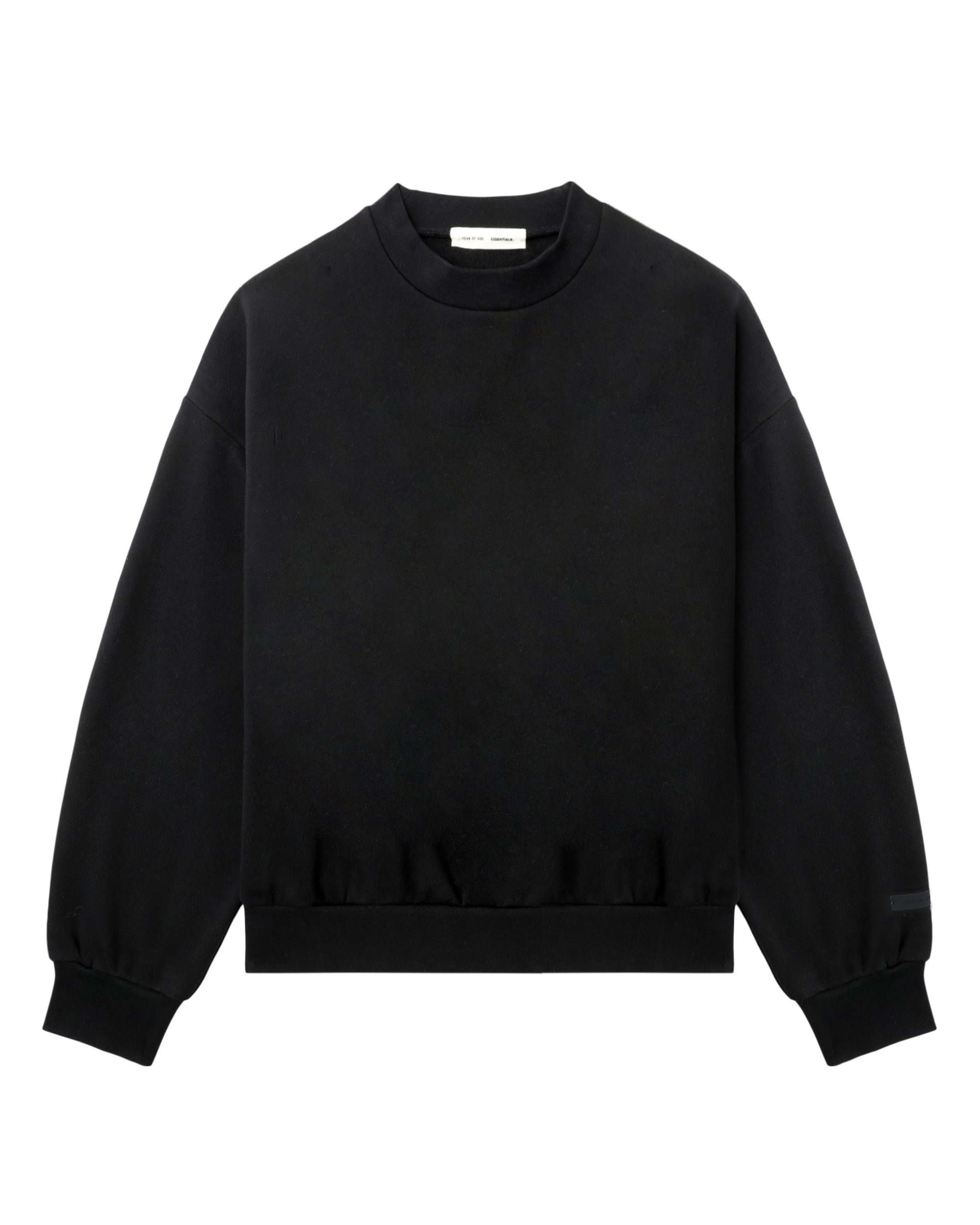
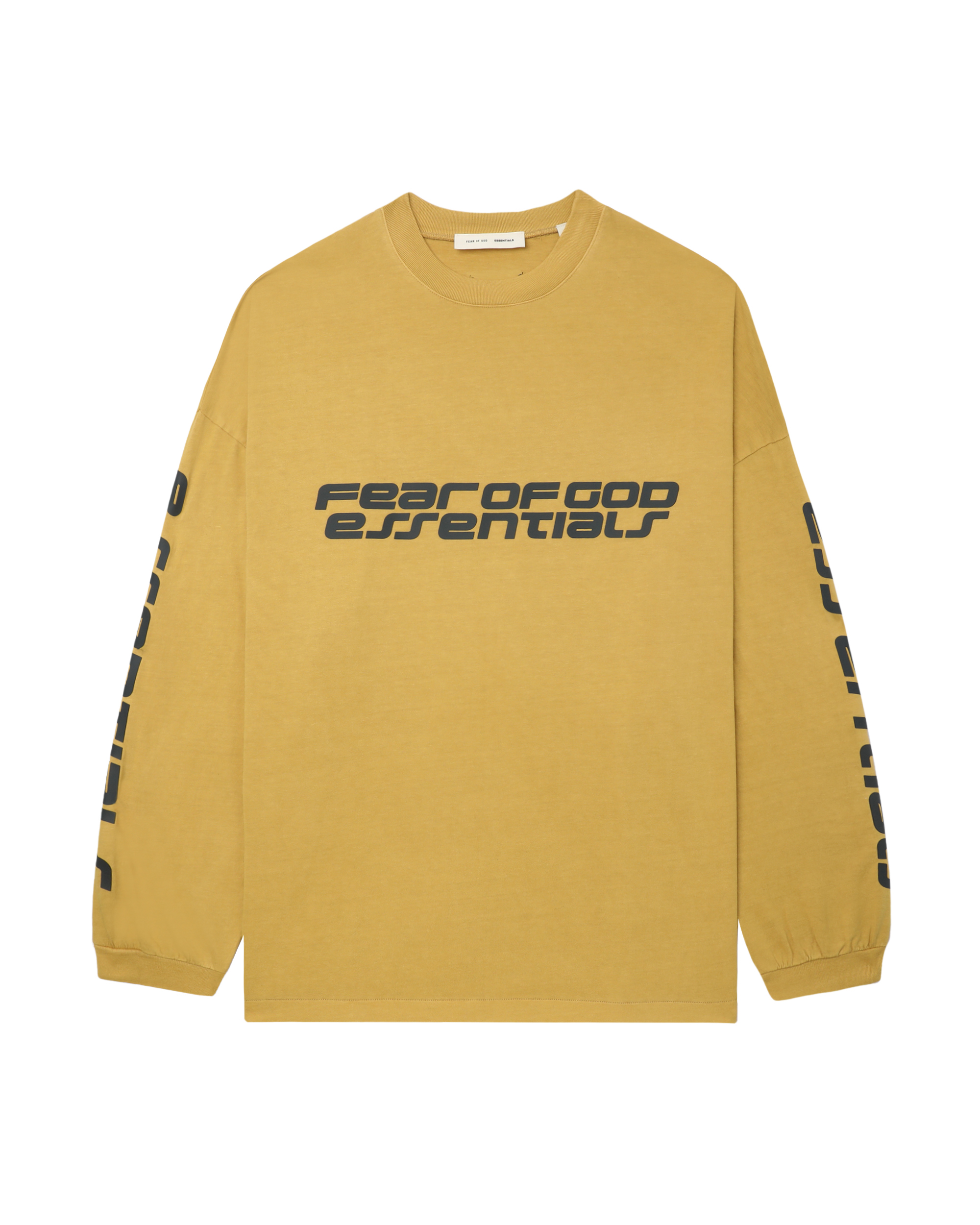
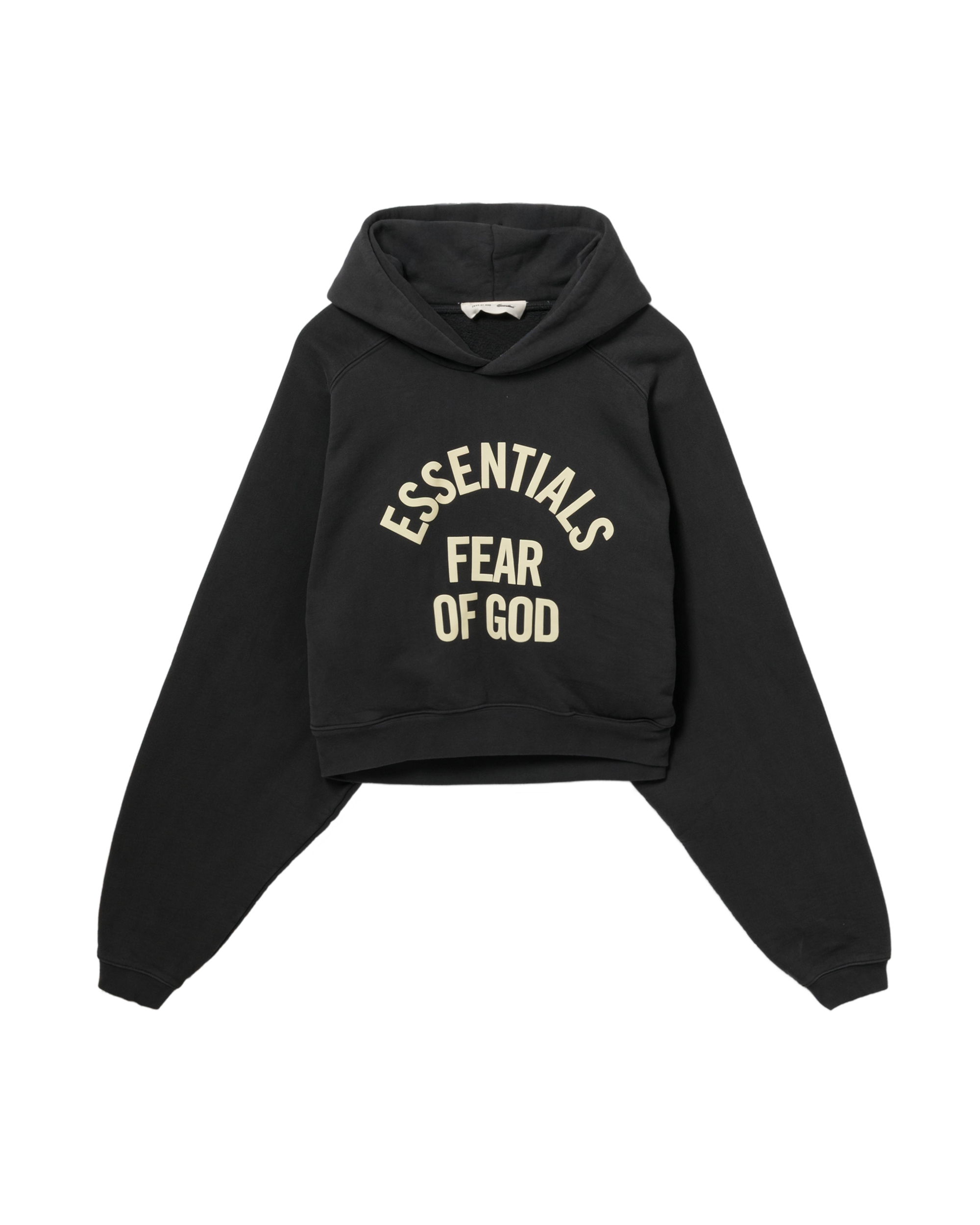
This isn't a team-by-team merchandise drop in the conventional sense, and it isn't a novelty mashup. It's a coherent wardrobe: hoodies, crewneck sweatshirts, oversized tees, and relaxed fleece bottoms, each rendered in the muted, earthy palette that has become the Essentials signature—washed heather greys, faded olives, bone whites, deep blacks—with league marks and team insignia applied with a restraint that borders on the architectural.
The Design Language: Proportion Over Ornament
Anyone who has followed Lorenzo's ascent will find the vocabulary instantly legible. The Fear of God Essentials line has always been built on proportion rather than decoration: dropped shoulders, boxy bodies, garment-dyed cotton fleece with a soft, broken-in hand from the first wear. Here that framework absorbs the iconography of two leagues without being overwhelmed by it.
NFL and NBA wordmarks sit small and centered; team logos appear as understated chest hits or subtle sleeve embroidery. The effect is less "fan gear" than "fan uniform"—clothing that reads as a considered outfit first and a piece of sports affiliation second. Materials lean on heavyweight cotton fleece and jersey knits, with the rubberized Essentials logo tab and the label's characteristic relaxed fit serving as connective tissue across the range.
Two Leagues, One Hanger
Culturally, the collection lands at a fascinating inflection point. Sports licensing has spent the past decade chasing streetwear credibility, and streetwear has spent the same decade chasing the cultural ubiquity of the leagues. The NFL x NBA Unified Wardrobe is where those two pursuits finally meet on equal footing.
It arrives, too, at a moment when the language of "essentials" has never been more loaded. In the wider culture, the word has become a kind of shorthand for necessity and scarcity alike—the vocabulary of fundraisers and food-price charts as much as of carry-on packing lists. Against that backdrop, a collection that reclaims Essentials as a marker of taste rather than mere survival carries a certain quiet irony, and a certain confidence. This is not about having less; it is about having the right thing.
Who It's For
The answer is broader than the traditional jersey buyer. It speaks to the collector who wants a piece that acknowledges both leagues without pledging allegiance to a single franchise; to the fashion-literate fan who has long found official merchandise aesthetically lacking; and to the Essentials devotee who simply wants the brand's familiar silhouette in a new context.
It is equally at home courtside, in the stadium concourse, or on a city street in February—which is precisely the point. The unified wardrobe is designed to be worn as a wardrobe, layered and mixed without regard for which league claims which garment. A bone-white hoodie under a faded olive crewneck doesn't ask which sport you follow. It assumes you follow both, or neither, and looks good either way.
The Precedent Problem
Why it matters now is a question of precedent. Once a single label has proven that two leagues can share a hanger, the licensing architecture of American sport looks considerably less rigid than it did a season ago. The walls between the kingdoms were never natural laws; they were contracts, and contracts can be rewritten.
That is the deeper story here. The Fear of God Essentials NFL x NBA Unified Wardrobe Collection is, on its surface, a very good set of sweats—garment-dyed, generously cut, quietly branded. Beneath the surface, it is a small piece of institutional history: proof that the most enduring essentials are the ones that quietly redraw the map. Lorenzo's line has always argued that restraint is a form of confidence. This collection extends that argument from the garment to the league office—and wins it.