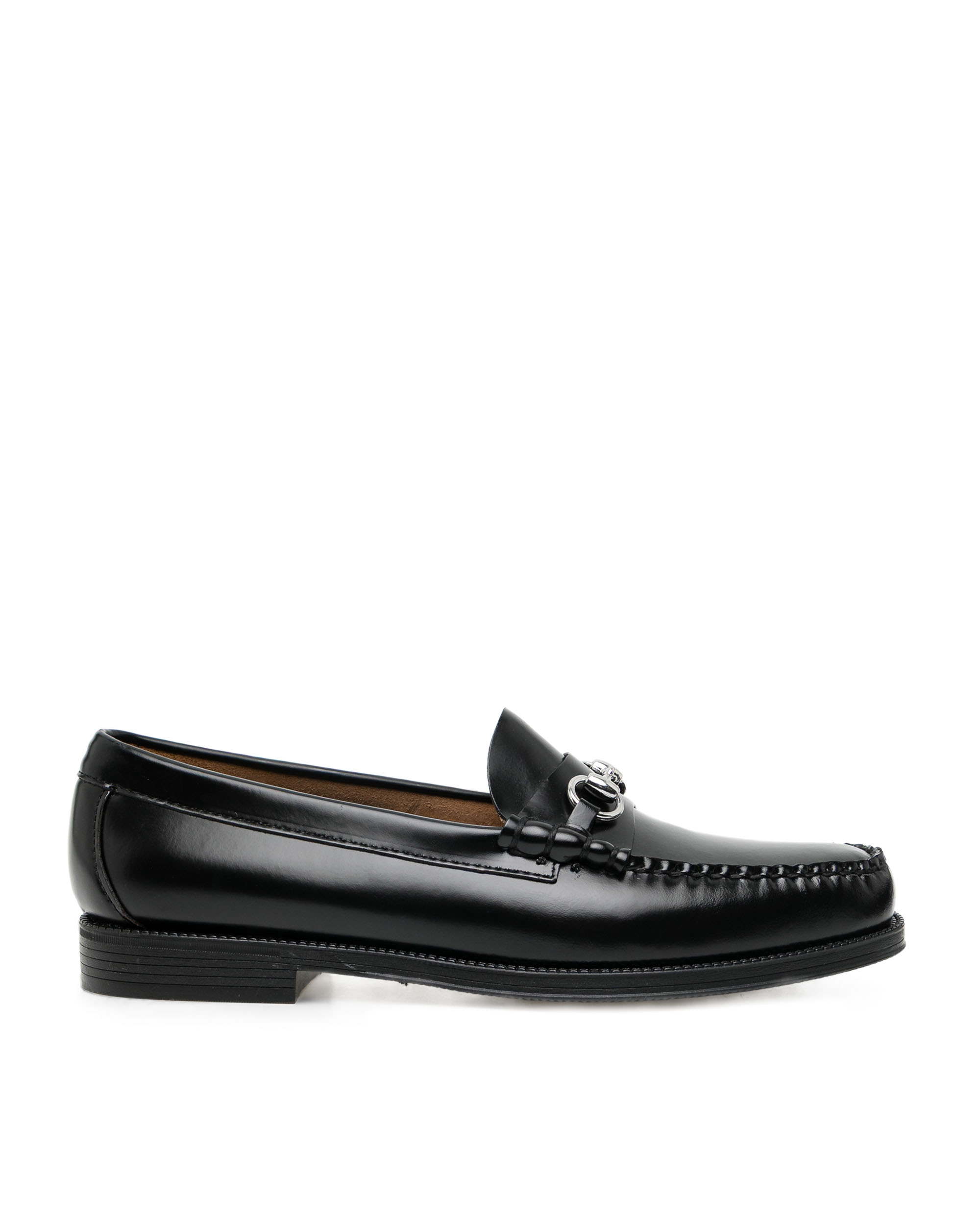
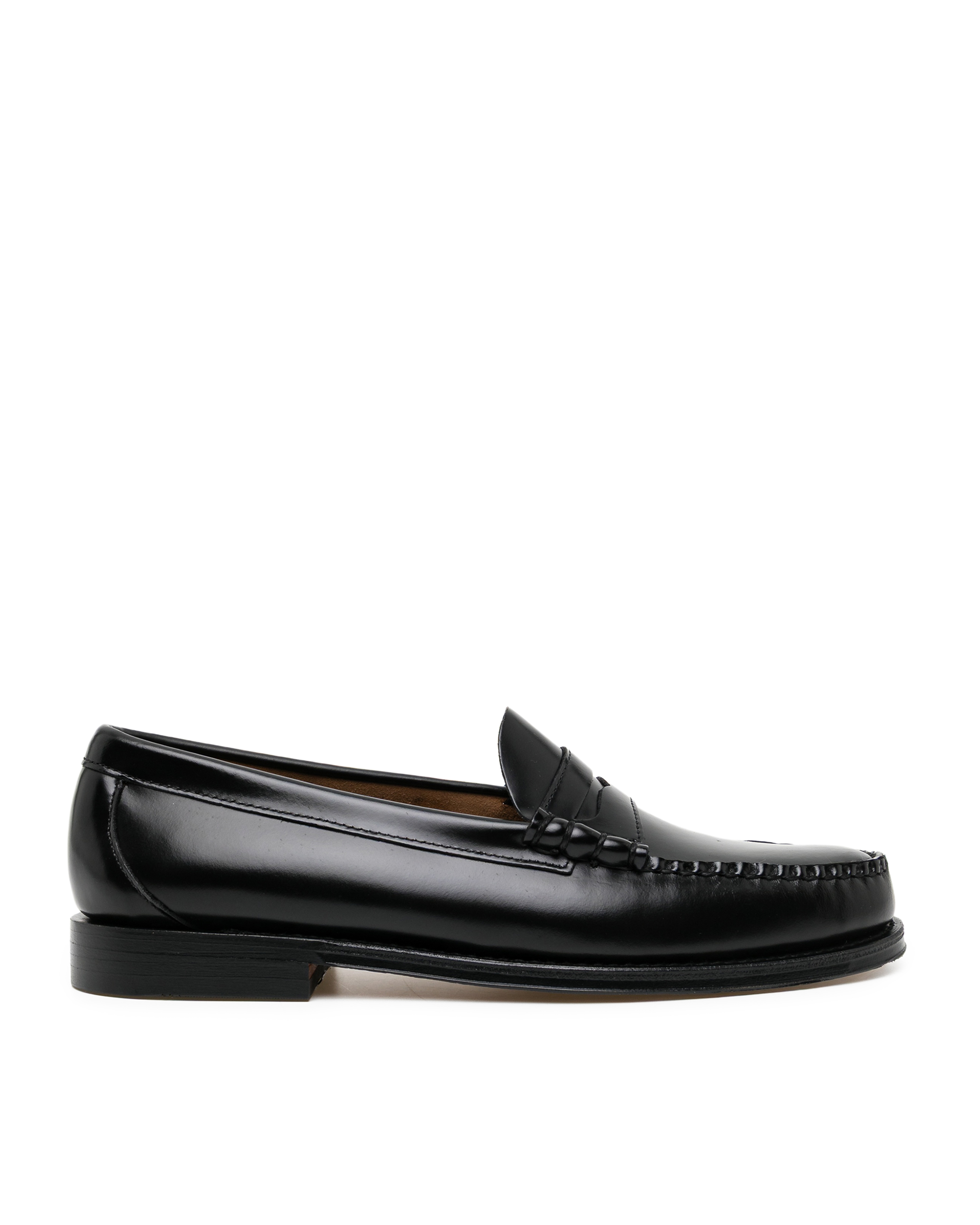
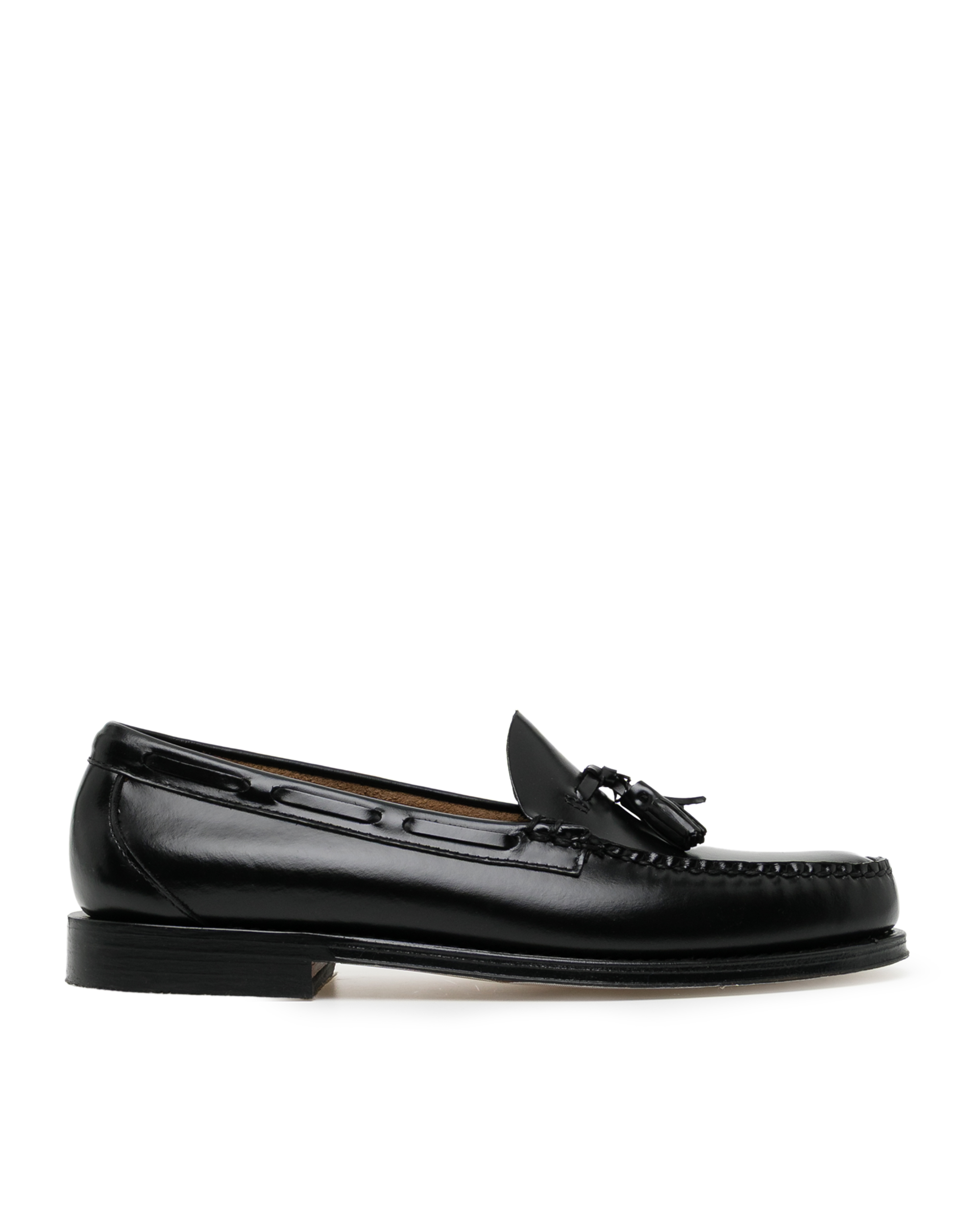
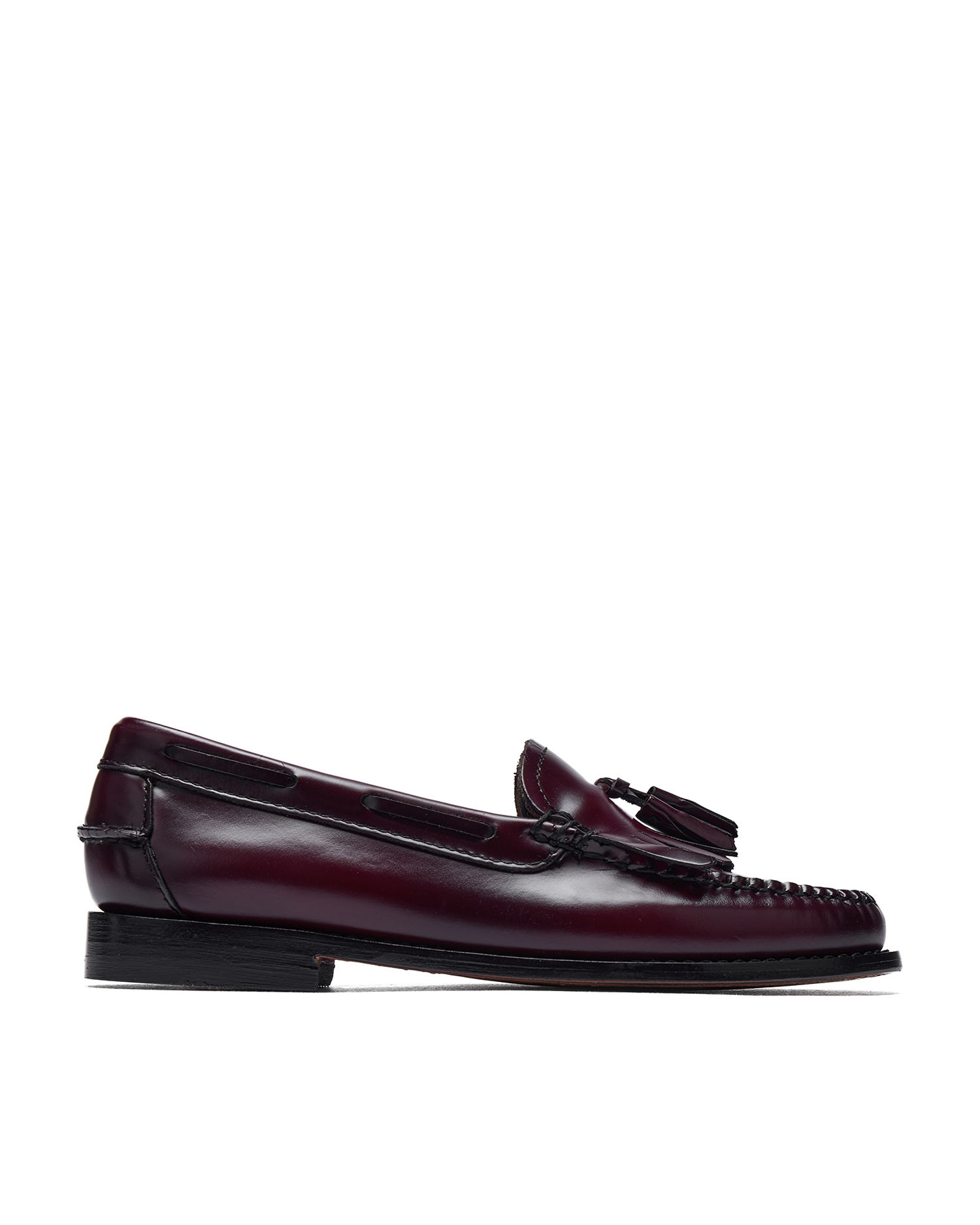
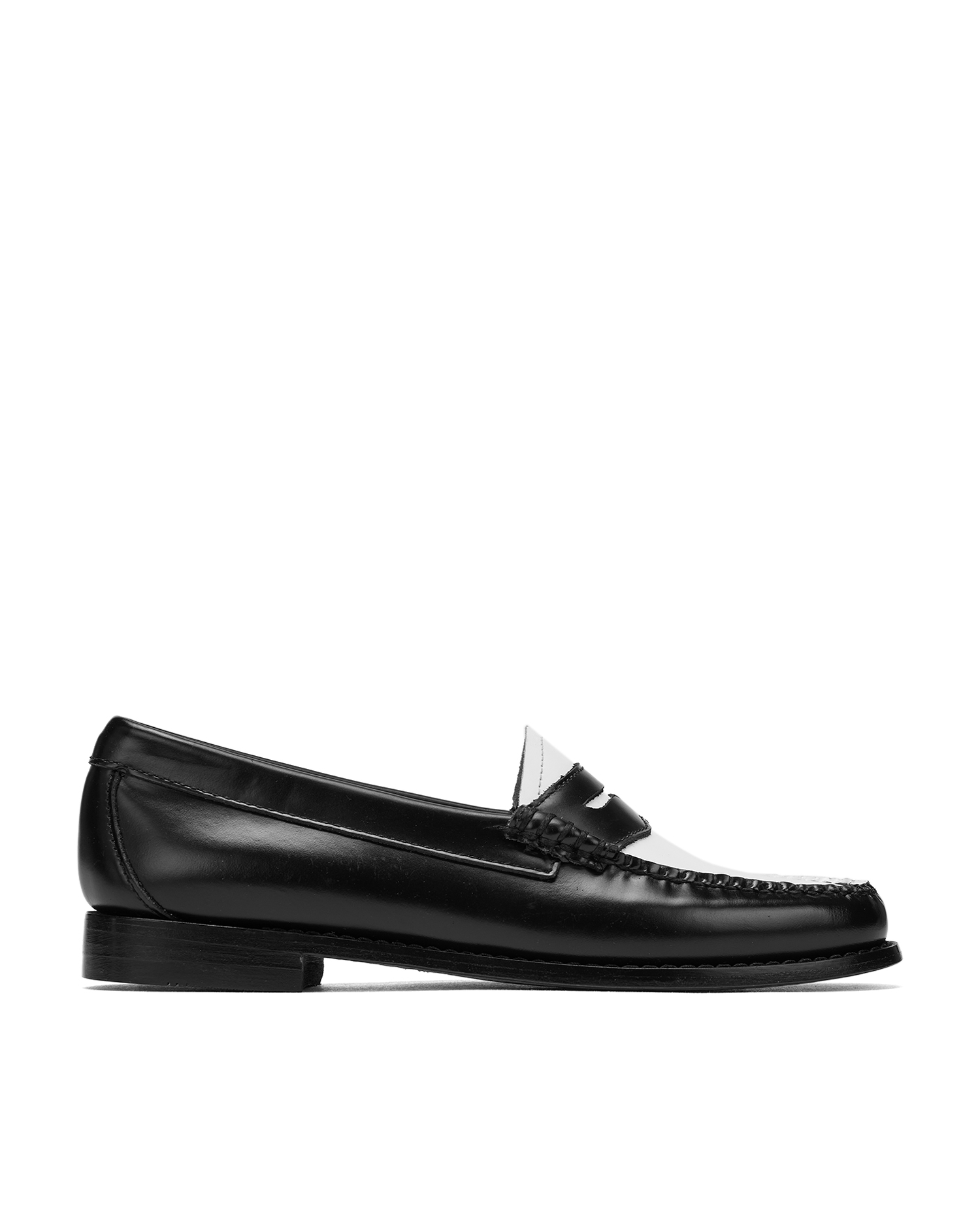
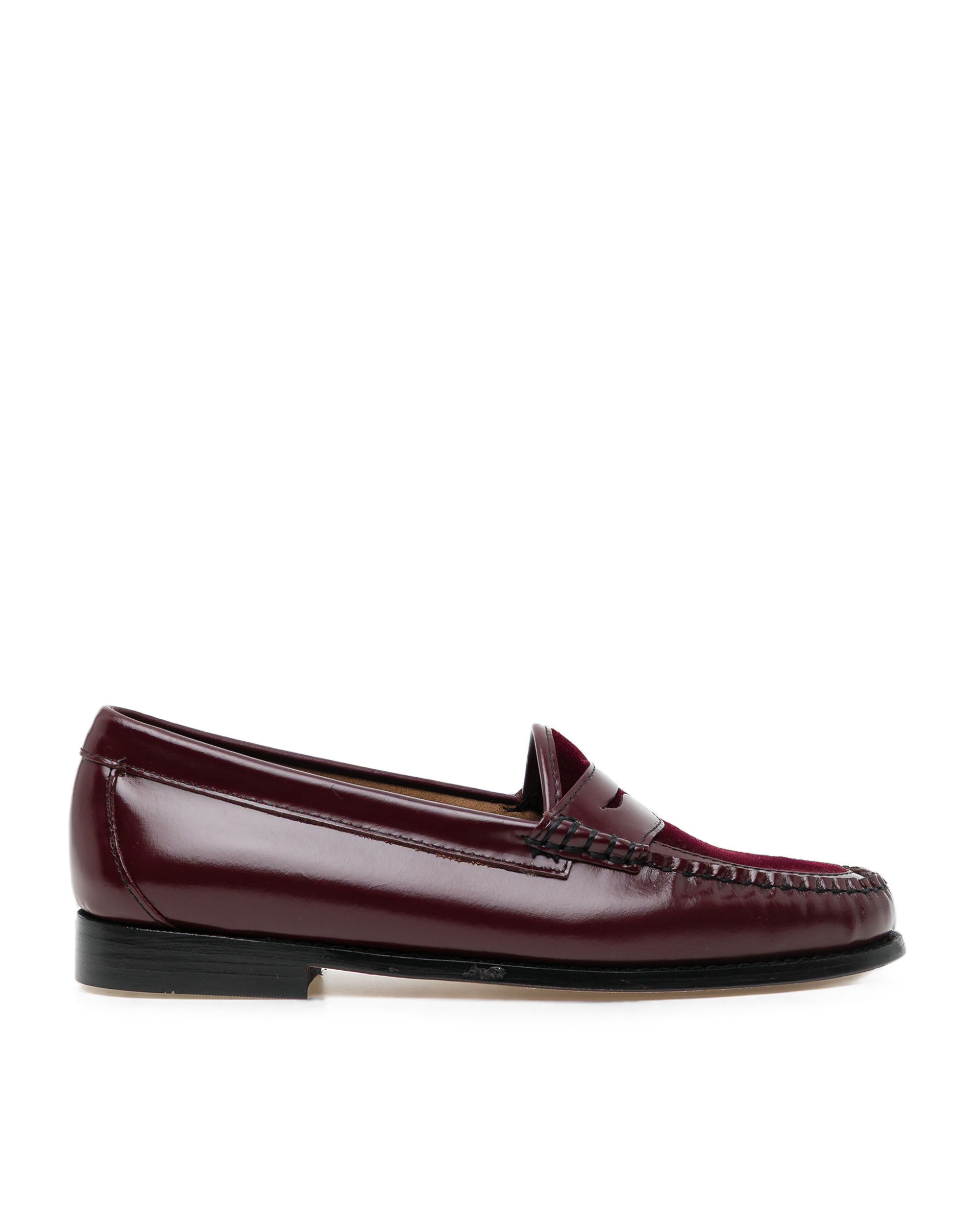
There are shoes that chase a trend, and then there are shoes that simply outlast it. The G.H. Bass x Aritzia Pleated Loafer belongs firmly to the second category — a silhouette that arrives trailing 150 years of American shoemaking behind it, yet still manages to feel entirely of the moment. It's the kind of piece that makes you reconsider the disposable footwear cycle altogether: why chase a new shape every season when one shoe can do the work of five?
That's the quiet confidence at the heart of this collaboration. Maine-born G.H. Bass, the house that essentially invented the penny loafer, has teamed up with Aritzia — the Canadian retailer synonymous with a certain polished minimalism — to reinterpret its most enduring silhouette through the pleated-loafer trend. The result is a shoe that rewards both the historian and the trend-watcher, and it's worth understanding exactly why.
The Architecture of a Classic
Start with the foundation. The upper is built on the blueprint of the Weejun, the penny loafer G.H. Bass introduced in 1936 and which, nearly ninety years on, remains the reference point for the entire category. To that architecture, the collaboration adds a pleated vamp — a detail that softens the shoe's traditionally masculine lines and lends the upper a subtle dimensionality, catching light as the foot moves.
The leather is supple and polished, finished in the deep, wearable neutrals that have long been Aritzia's signature: a warm cognac, a blackened espresso, perhaps a softened bone. The silhouette stays close to the original — low-slung, apron-toed, grounded on a slim leather sole — but the proportions have been gently recalibrated for a modern fit, neither aggressively chunky nor razor-thin. It reads as an heirloom rather than a novelty, which is precisely the point.
A Heritage House in Its Second Act
What makes this release worth noting isn't merely its design but its timing. G.H. Bass is in the midst of a remarkable second act. Under the stewardship of Aldo executive Jonathan Frankel, the brand is being brought into the future without abandoning the codes that made it essential — a balancing act that has produced collaborations with Buck Mason, Metalwood Studio, and now Aritzia, each one extending the house's vocabulary without diluting it.
The Weejun itself has become a fixture of the contemporary loafer revival, name-checked in the same breath as Sebago by enthusiasts debating the finer points of American classics. And the pleated loafer specifically has emerged as one of the season's most photographed shoes, worn by figures like Heidi Klum in two entirely different registers — proof that the style moves easily between the tailored and the casual. That's not a marketing claim; it's a pattern you can trace across street style and editorial alike.
How to Wear It Now
That versatility is the point. This is a shoe designed for the woman who wants to move through a working day and into an evening without a change of footing — dressed with wide-leg wool trousers and a crisp shirt, or with a slip skirt and an oversized knit, or simply with dark denim and a trench. The pleating adds just enough softness to keep the shoe from feeling austere, while the Weejun's underlying geometry keeps it grounded in a tradition that has proven remarkably resistant to obsolescence.
Consider the styling math: one shoe, three registers, no compromise. In a market saturated with loafers — some under $100, some aspirational, most indistinguishable from one another — that range is rare. The pair that works with tailoring should also work with weekend denim; here, it does.
Why It Matters
At a moment when the market is flooded with loafers, the G.H. Bass x Aritzia collaboration stands apart because it has something most of its competitors lack: a genuine lineage. This is not a brand chasing a trend; it is a brand that helped invent the category, now reinterpreting its own archive for a new generation of wearers.
For the woman building a wardrobe with intention, the Pleated Loafer is less an impulse purchase than a considered addition — a shoe that honors where it came from while looking squarely forward. Which is, in the end, the most persuasive argument for heritage footwear: not nostalgia, but longevity. Buy the shoe that was already right, and let the trend catch up to you.