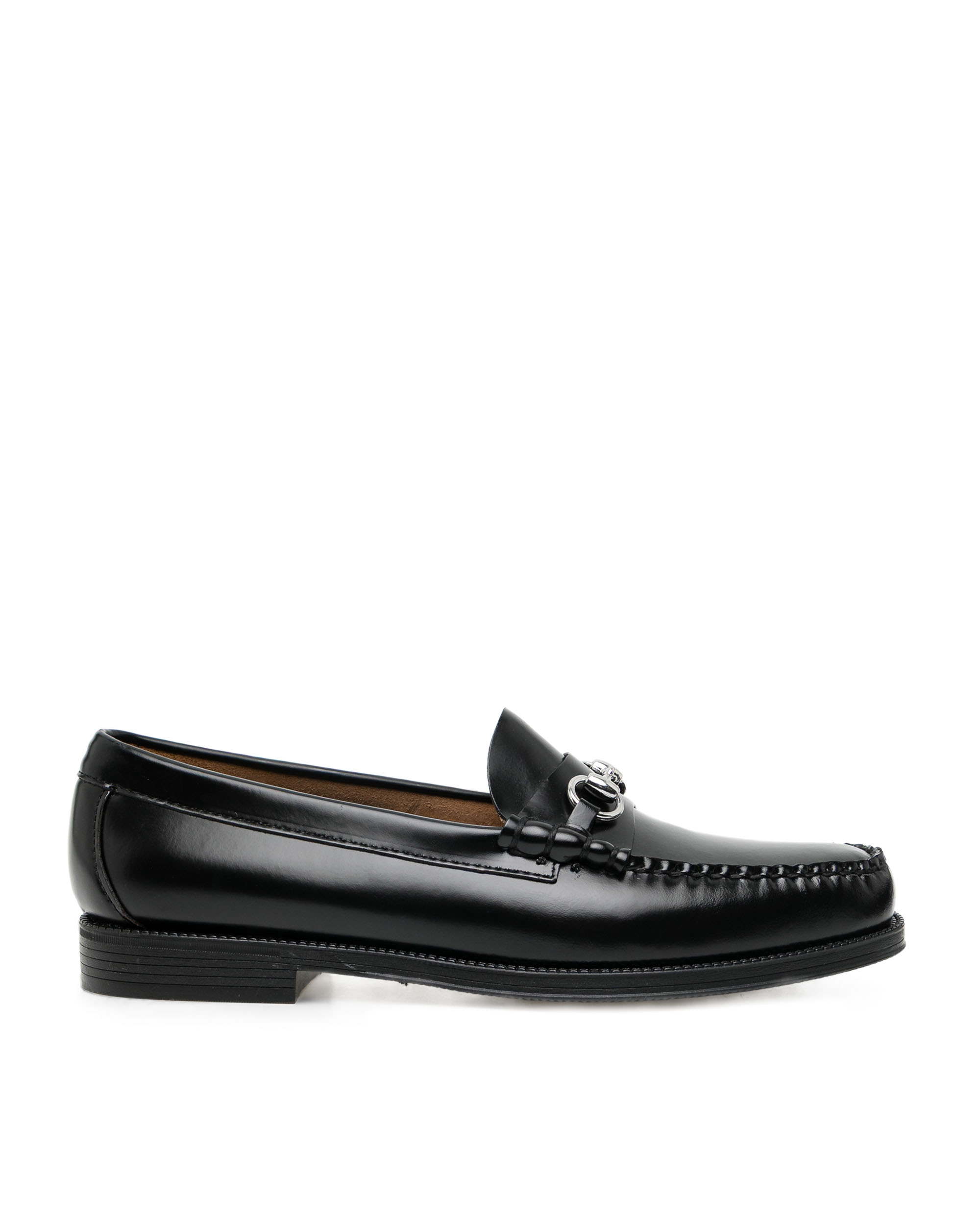
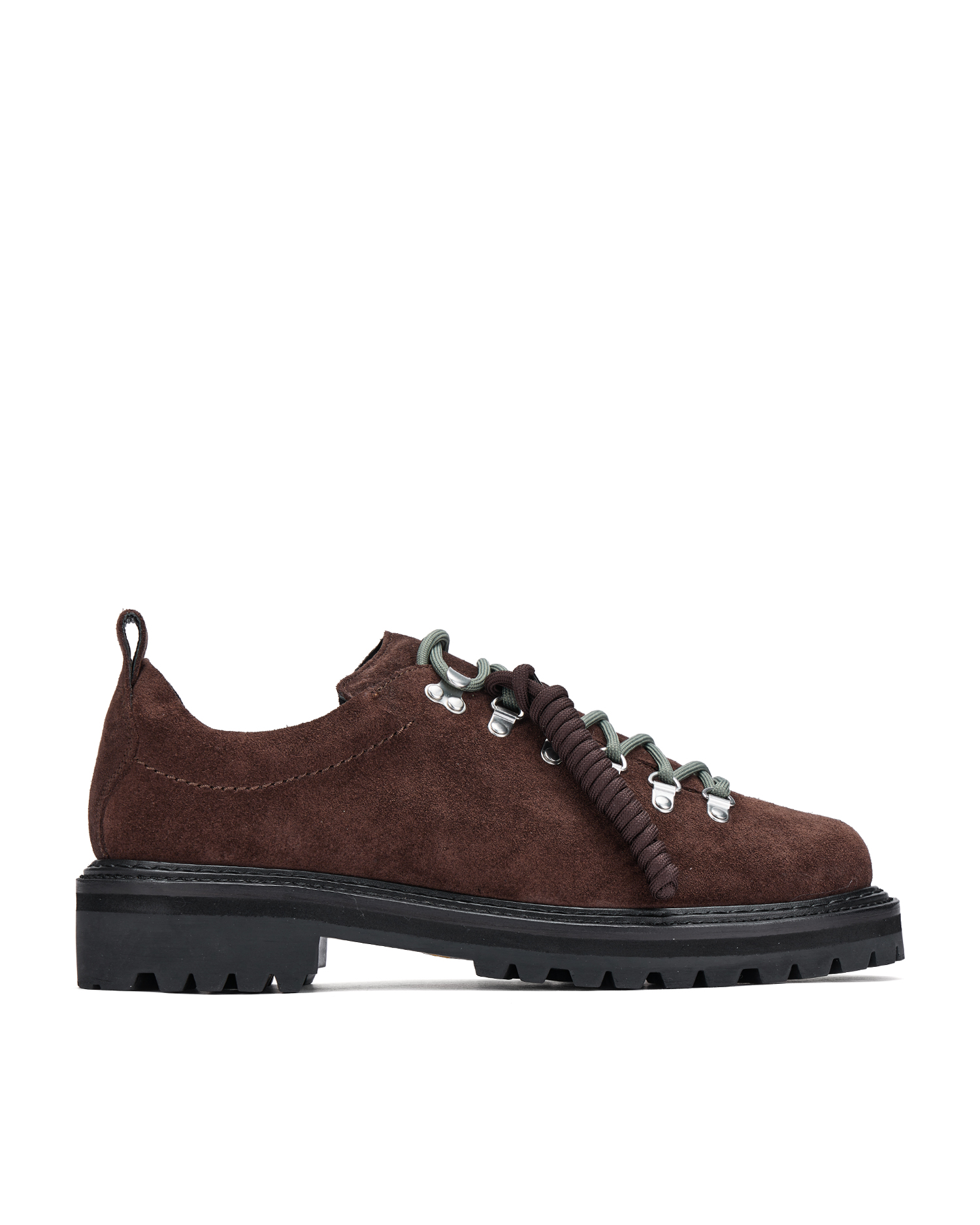
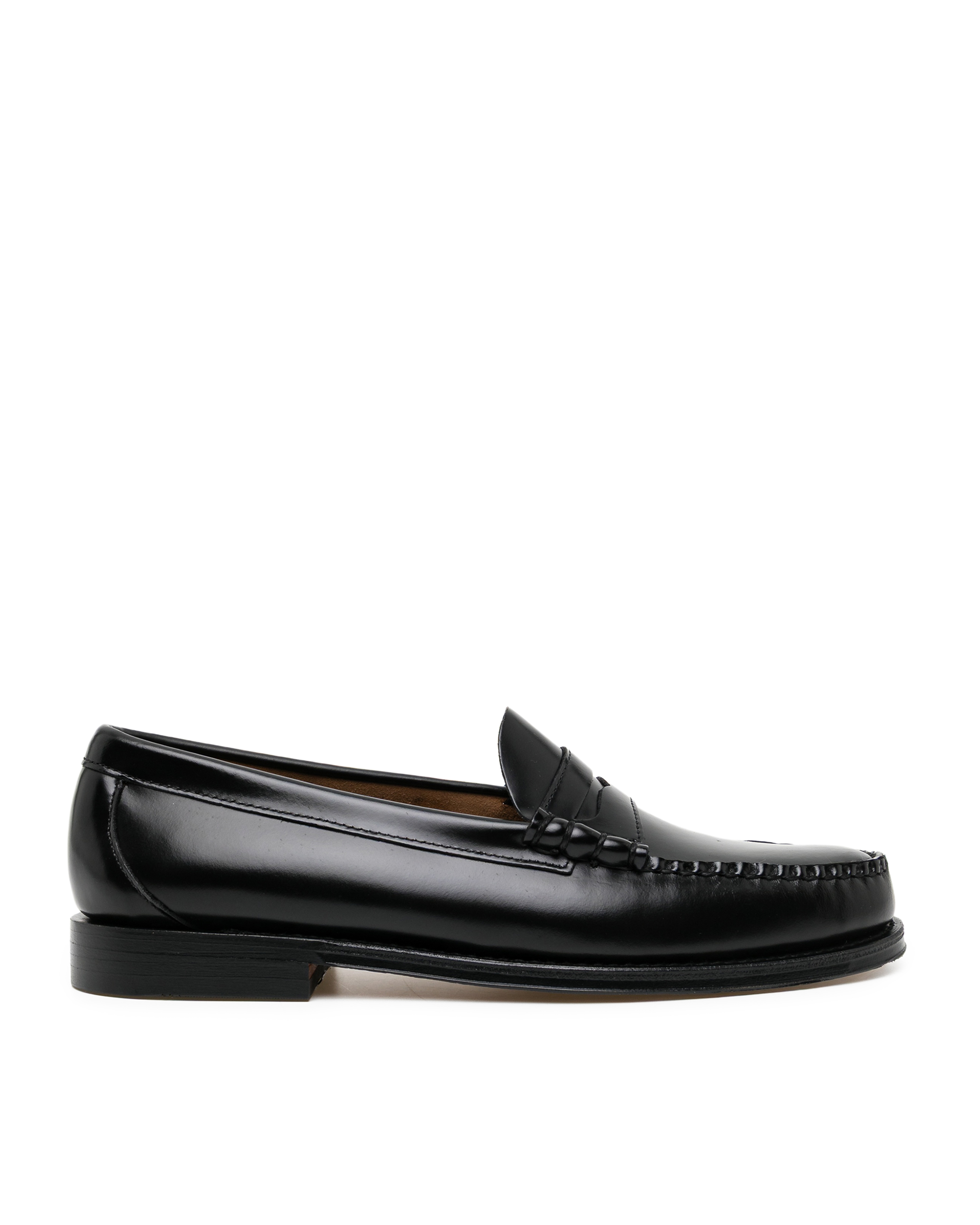
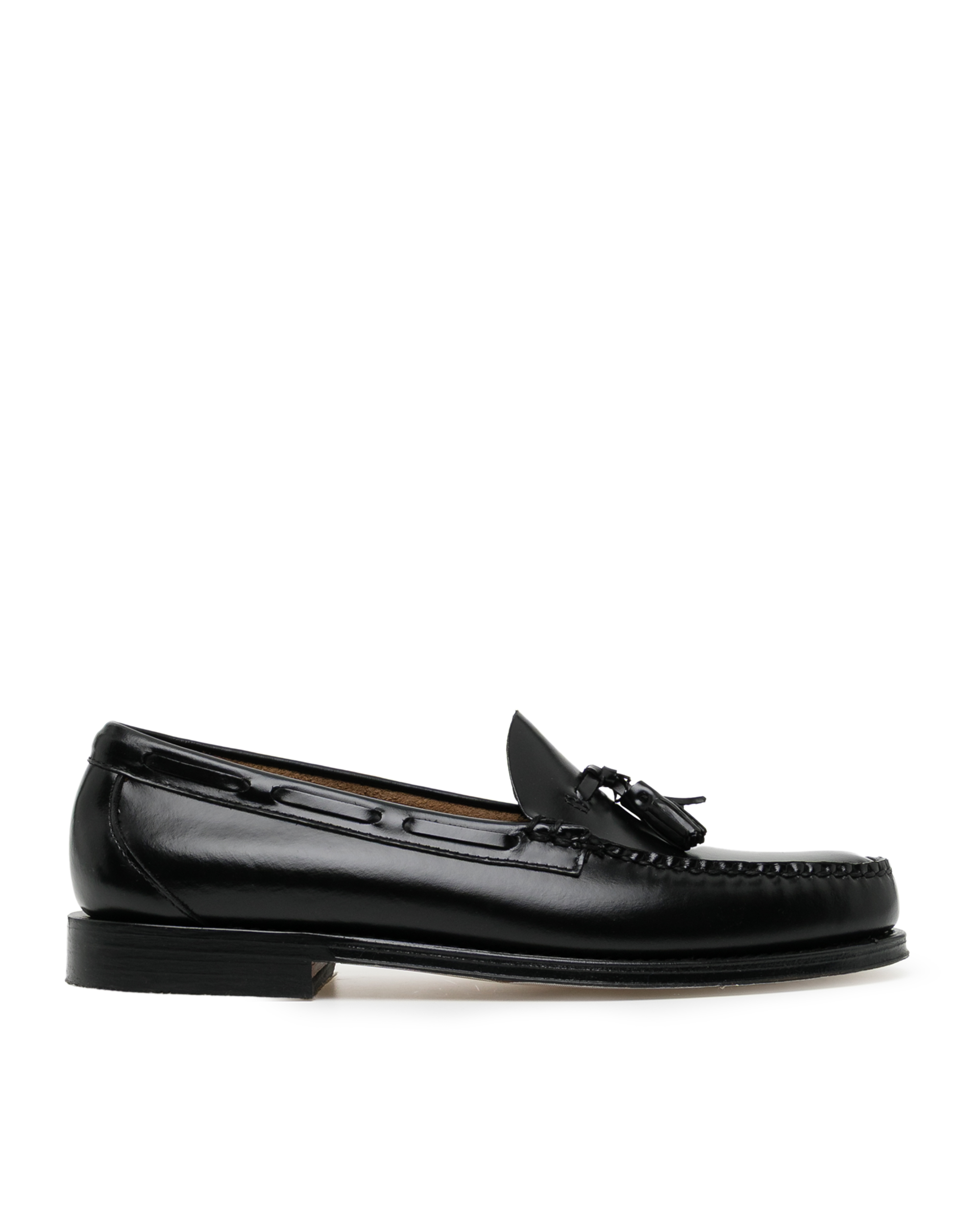
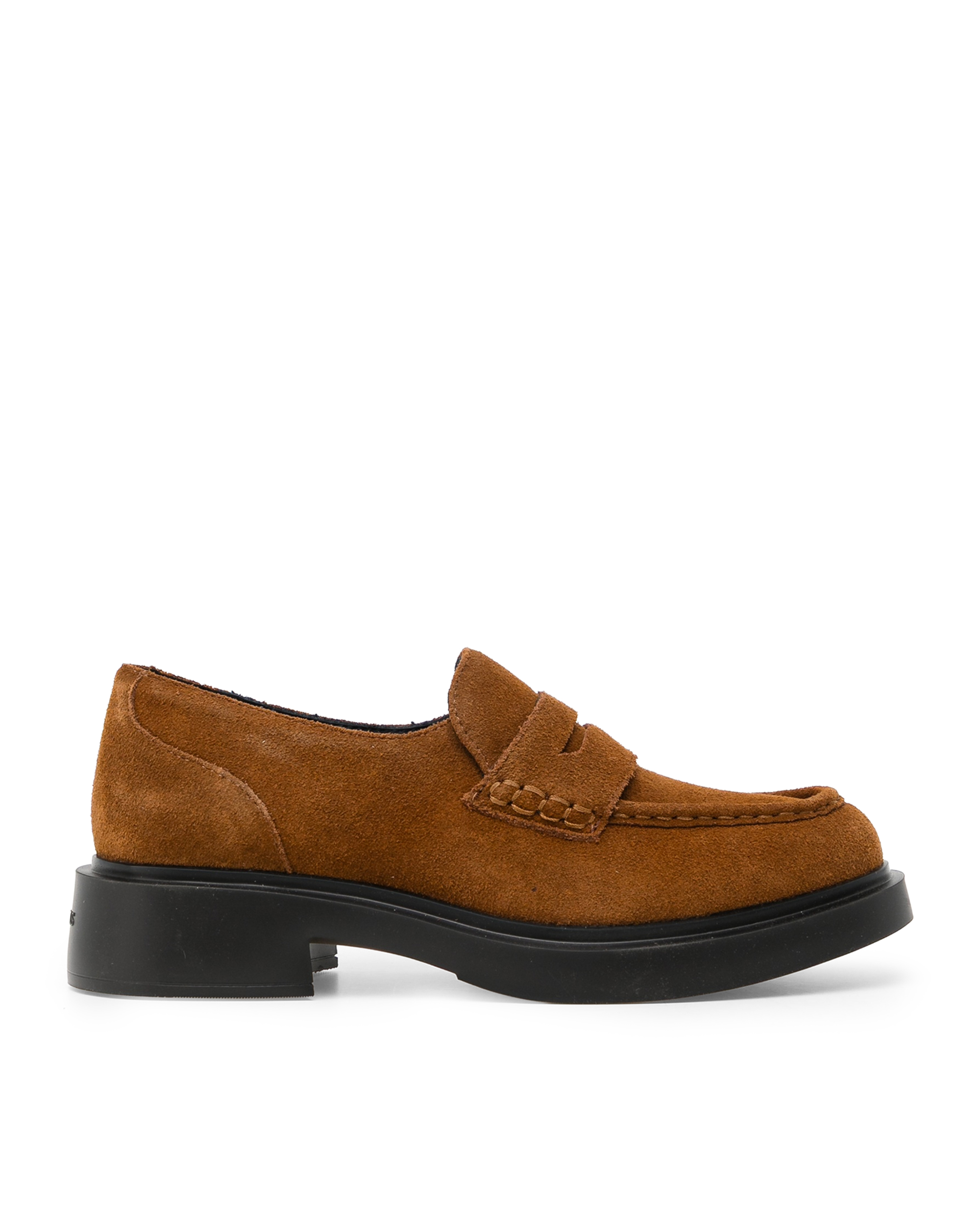
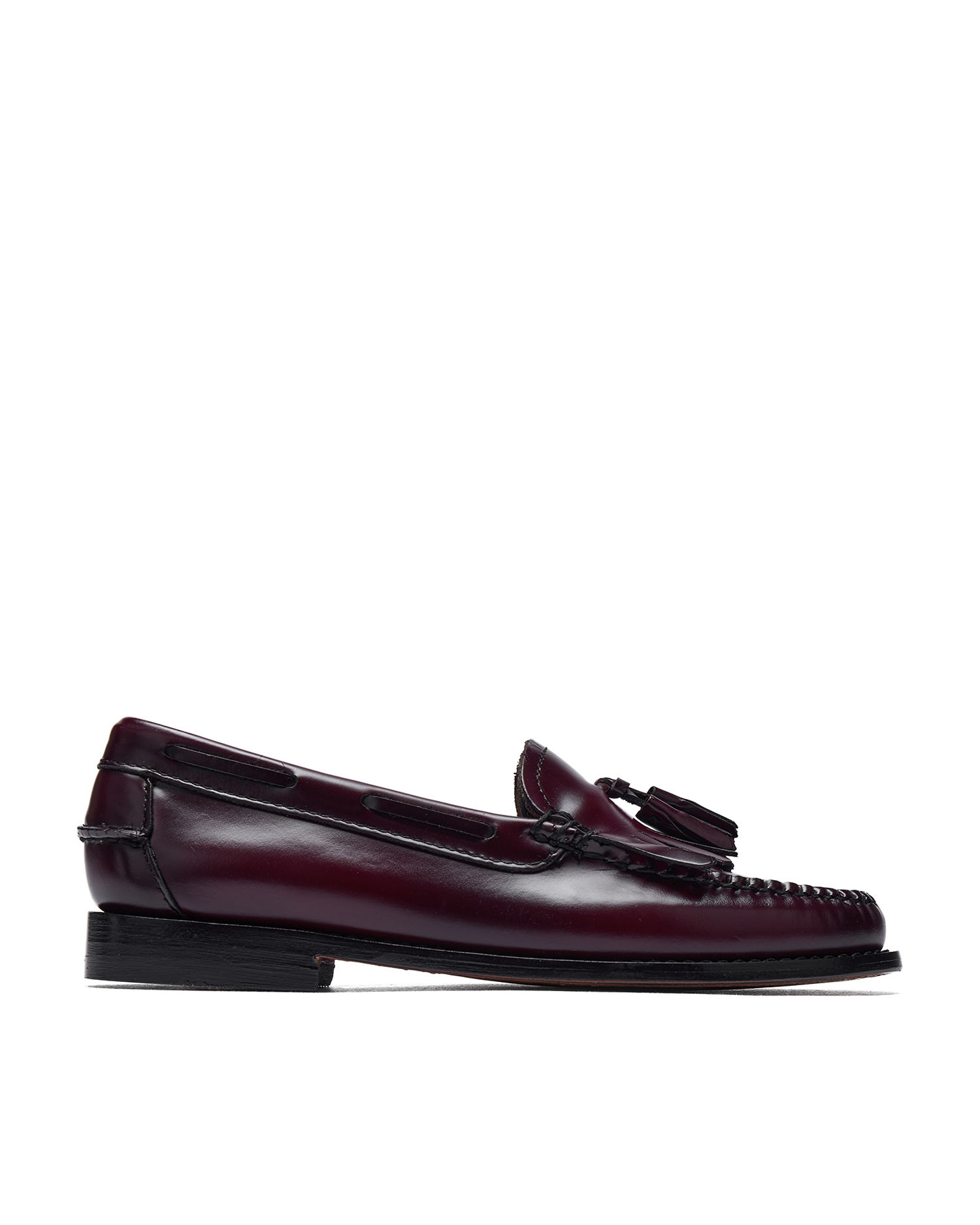
There is a peculiar magic in the archival rediscovery—a moment when a brand reaches into its own deep past and pulls out something that feels startlingly current. G.H. Bass, the 148-year-old American shoemaker that gave the world the Weejun penny loafer, has just executed this maneuver with breathtaking precision. In collaboration with Metalwood Studio, the brand has resurrected the Sportocasin, a Bobby Jones-era golf shoe that originally graced the fairways in the 1920s, and in doing so, it has quietly redefined what golf style can mean in the modern era. This is not merely a nostalgia play; it is a deliberate reimagining of a legacy that positions the Sportocasin as the most compelling footwear statement to emerge from the sport’s style conversation in years.
The original Sportocasin was born from an era when golf was less about technical performance and more about a certain aristocratic elegance. Bobby Jones, the game’s first true superstar, understood that the course was a stage, and his attire reflected that understanding. The shoe itself was a hybrid—part oxford, part casual slip-on—designed to offer the ease of movement that the links demanded while maintaining the polished silhouette that clubhouse etiquette required. G.H. Bass, already renowned for its craftsmanship in loafers, applied that same meticulous hand to a golf shoe that transcended the purely athletic. The result was a piece of footwear that felt as at home in the clubhouse bar as it did on the 18th green. Now, Metalwood Studio, a collective known for its reverence of golf’s aesthetic heritage, has partnered with Bass to revive this nearly century-old design, and the timing could not be more perfect.
A Quiet Rebellion Against the Noise
What makes this collaboration so significant is not just the return of a historically important shoe, but the way it challenges the current trajectory of golf fashion. In recent years, the sport has been overrun by loud, logo-heavy apparel and sneaker-inspired silhouettes that borrow more from streetwear than from the game’s genteel origins. The Sportocasin collab pushes back against that noise with a quiet confidence. It is a shoe that demands attention not through flash, but through the subtle authority of its lines. The revival features a sleek, low-profile construction that preserves the original’s soul while updating the materials for contemporary wear. There is a refined suede and leather combination, a hand-finished welt, and a sole that nods to the spiked predecessors without sacrificing modern comfort. It is, in every sense, a study in restraint—a quality that feels radical in a market obsessed with excess.
Heritage as a Living Language
But the deeper story here is about how a heritage brand navigates relevance without losing its identity. G.H. Bass has spent the past year celebrating 150 years of history and the 90th anniversary of the Weejun, and this collaboration with Metalwood Studio is a masterclass in brand evolution. Rather than simply reissuing a vintage model, the partnership frames the Sportocasin as a piece of cultural currency, one that speaks to a new generation of golfers and style enthusiasts who are hungry for authenticity. The collaboration acknowledges that golf’s style legacy is not about performance metrics; it is about a lifestyle, a set of values that prize craftsmanship, longevity, and a certain understated cool. By reviving a shoe worn by the man who defined the Golden Age of sport, Bass is making a statement: the future of golf style is not in the future at all—it is in the past, waiting to be re-worn.
The Hybrid Wardrobe Essential
The broader fashion world is taking note, and for good reason. As the lines between athletic wear, casual wear, and formal wear continue to blur, the Sportocasin emerges as a perfect hybrid for the modern wardrobe. It pairs effortlessly with tailored trousers, denim, or even a crisp polo, making it a versatile piece that transcends the course. This is footwear that invites conversation, that carries with it a story of Bobby Jones, of 1920s elegance, of a time when the game was played in knickers and ties. In reviving it, G.H. Bass has not just given us a shoe; it has given us a portal to a more romantic era of sport, and it has done so with the kind of authority that only a brand with 150 years of heritage can muster. This is golf’s style legacy, redefined not by invention, but by the courage to look back and find the future waiting there.