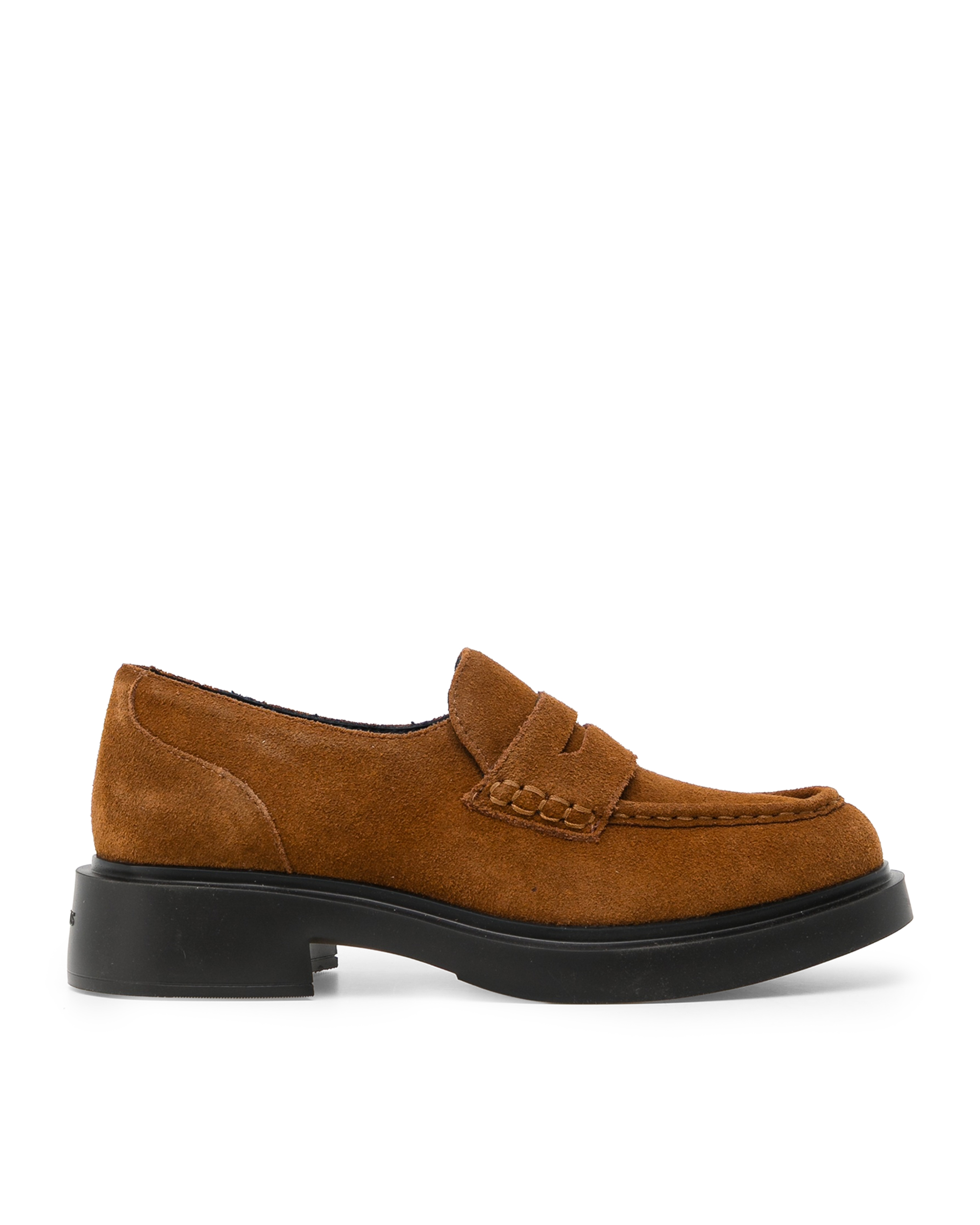
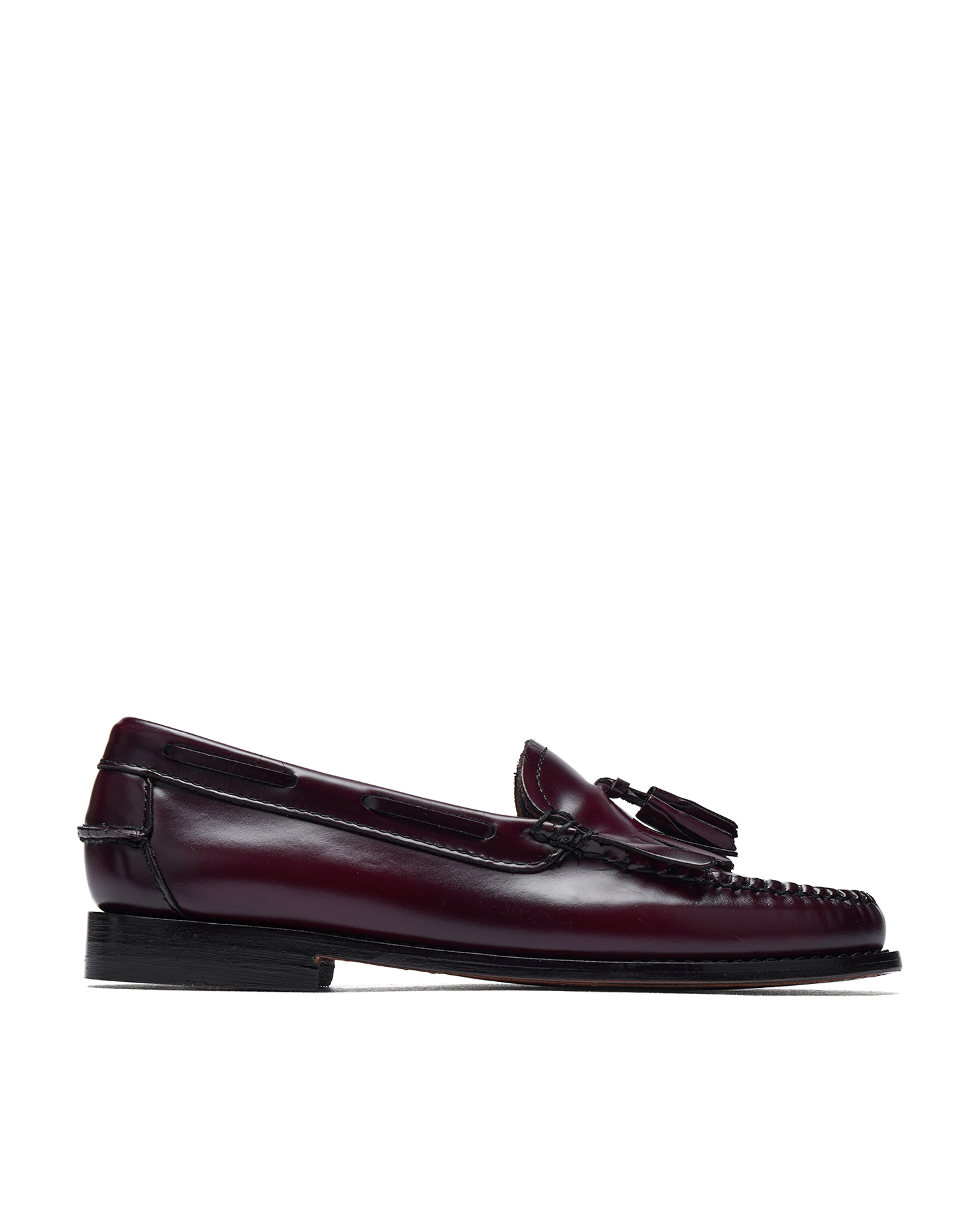
Few objects in menswear carry the quiet authority of the penny loafer, and fewer still can claim the lineage of the Weejuns. Born in 1936 and descended from G.H. Bass & Co.'s 1876 Maine origins, the silhouette has spent nearly a century moving between Ivy League quadrangles, downtown jazz clubs, and the front rows of fashion week without ever losing its composure. For its 150th anniversary, the brand has resisted the temptation to simply rest on its archives. Instead, it has handed its most sacred shape to one of the most exacting houses in modern fashion: Karl Lagerfeld. The result is the G.H. Bass x Karl Lagerfeld Weejuns Penny Loafer, a collaboration that takes the oldest trick in the loafer playbook—the coin slipped into the vamp—and makes it literal, minted, and unmistakably new.
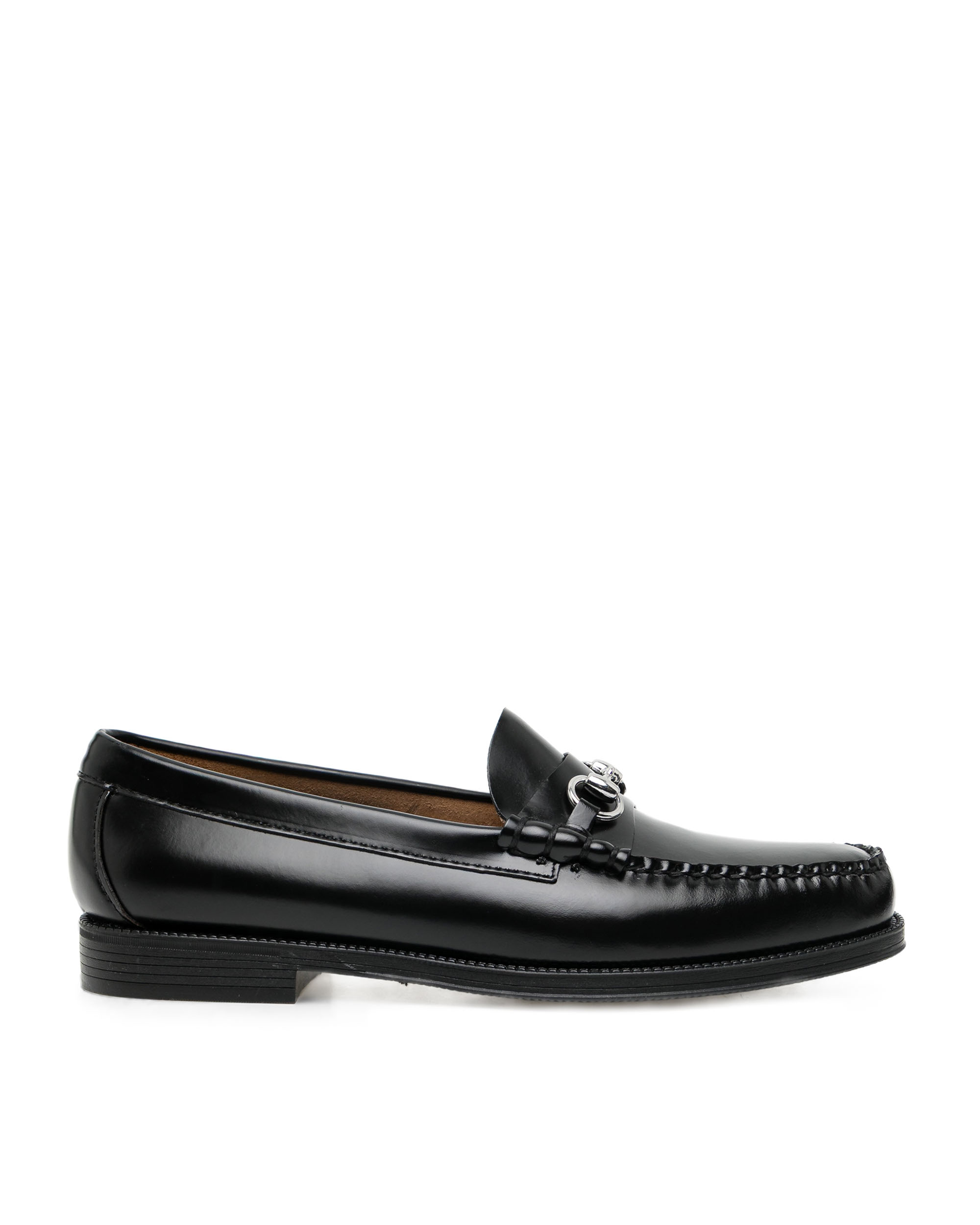
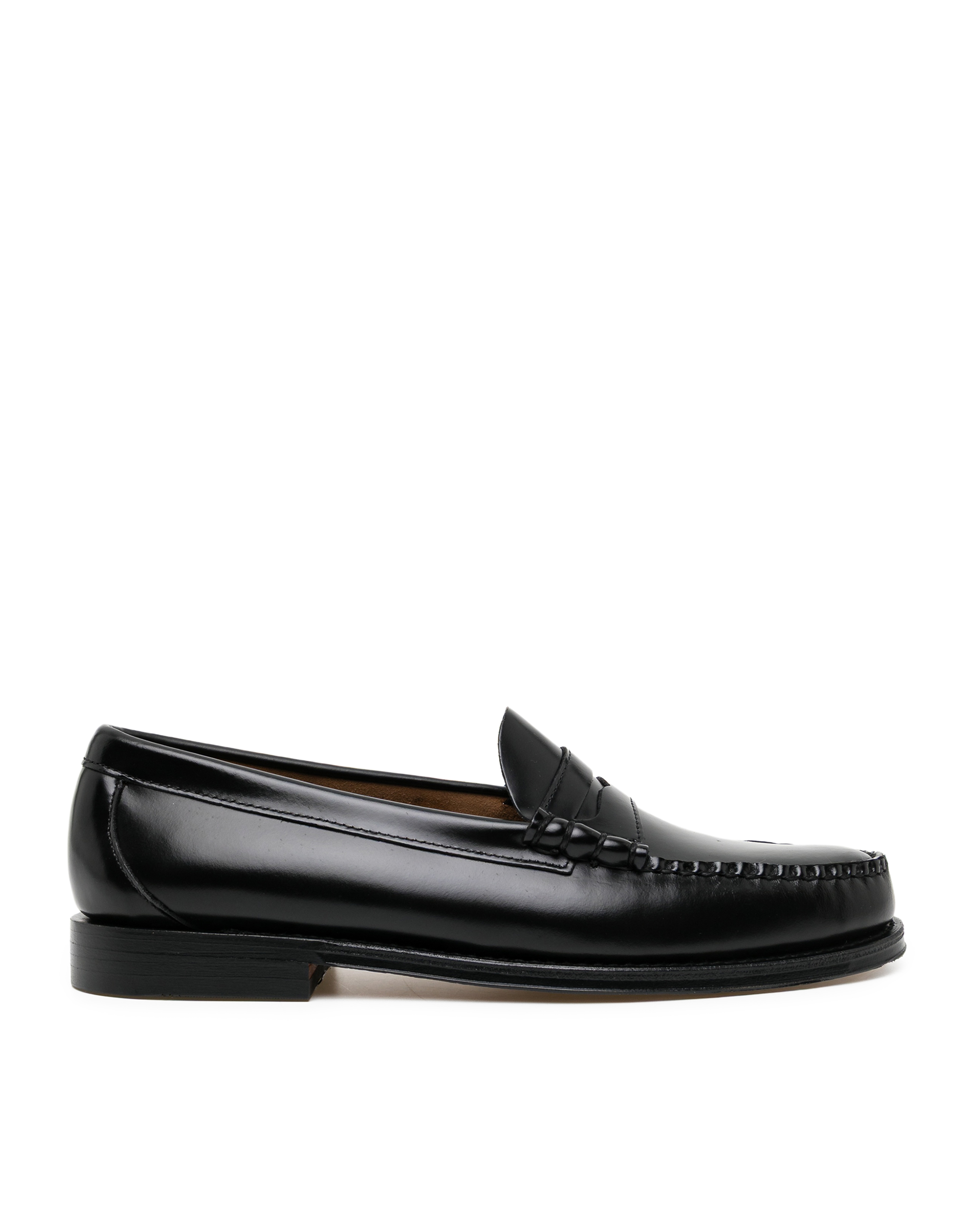
The design conceit is deceptively simple. Where the classic Weejuns penny keeper was originally a slot for a single cent, a small act of improvisation that became an American style signature, this edition replaces the gesture with a custom-minted coin detail set into the strap. It is a knowing wink: the penny loafer's founding mythology, re-cast in metal and treated as jewelry rather than folk custom.
The Coin, Re-Cast
The coin sits flush against premium leather uppers, finished with the clean stitching and hand-sewn moccasin construction that have defined Weejuns since the beginning. The silhouette remains resolutely true to form—the low-profile vamp, the gently rounded toe, the stacked leather heel—but the hardware shifts the register from prep to precision. This is a loafer that reads as smart in a boardroom and subversive on a gallery floor.
An Anniversary Year in Motion
That tension is entirely of the moment. G.H. Bass has spent its anniversary year in an unusually restless collaborative mode: a Clarks Originals mash-up that fused the Wallabee and the Weejuns, and a Dover Street Market x Kei Ninomiya reworking of the Larson loafer in embossed leather that pushed the silhouette into sculptural territory. The Lagerfeld capsule belongs to the same instinct—honoring the archive by refusing to embalm it. As the brand's leadership has framed it, the mandate is to bring G.H. Bass into the future while respecting its legacy, and the minted coin is precisely that: a historical flourish, re-engineered with contemporary wit.
Why the Timing Lands
The timing is sharp. Formalwear is loosening its collar, loafers are being worn with everything from tailored shorts to raw denim, and the question of Weejuns versus the competition has become a genuine parlor game among enthusiasts. In that climate, a collaboration with the house of Lagerfeld gives the penny loafer a couture-adjacent credential without asking it to abandon its democratic soul.
Who It's For
Who is this shoe for? It is for the person who already owns a pair of Weejuns—probably two—and wants the next iteration to say something. It suits the minimalist who has pared their wardrobe to a handful of considered pieces and needs footwear that carries a full look on its own. It suits the collector drawn to the Lagerfeld signature and the small-run scarcity of a capsule. And it suits anyone who understands that the loafer's enduring power lies in its restraint: the coin is the only flourish, and that is exactly why it lands.
What makes the G.H. Bass x Karl Lagerfeld Weejuns Penny Loafer matter now is the way it resolves a tension every heritage brand faces. A 150-year-old house cannot survive on nostalgia alone, yet it cannot afford to forget what made it worth remembering. By taking the humblest detail in its most famous shoe—the penny itself—and re-minting it as a deliberate, modern object, G.H. Bass has found a way to be both old and new at once. The loafer remains the loafer. The coin, however, has finally been given its due.