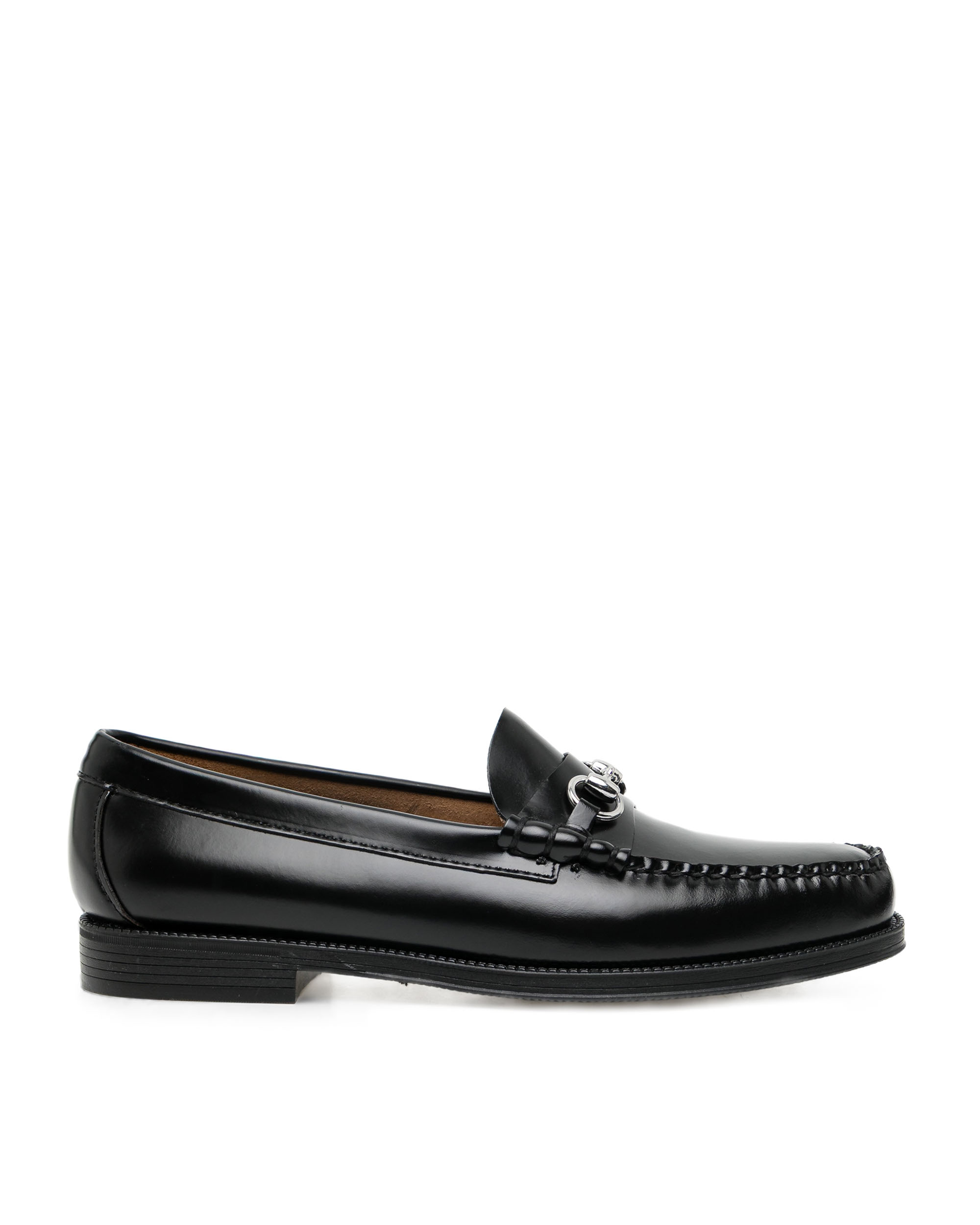
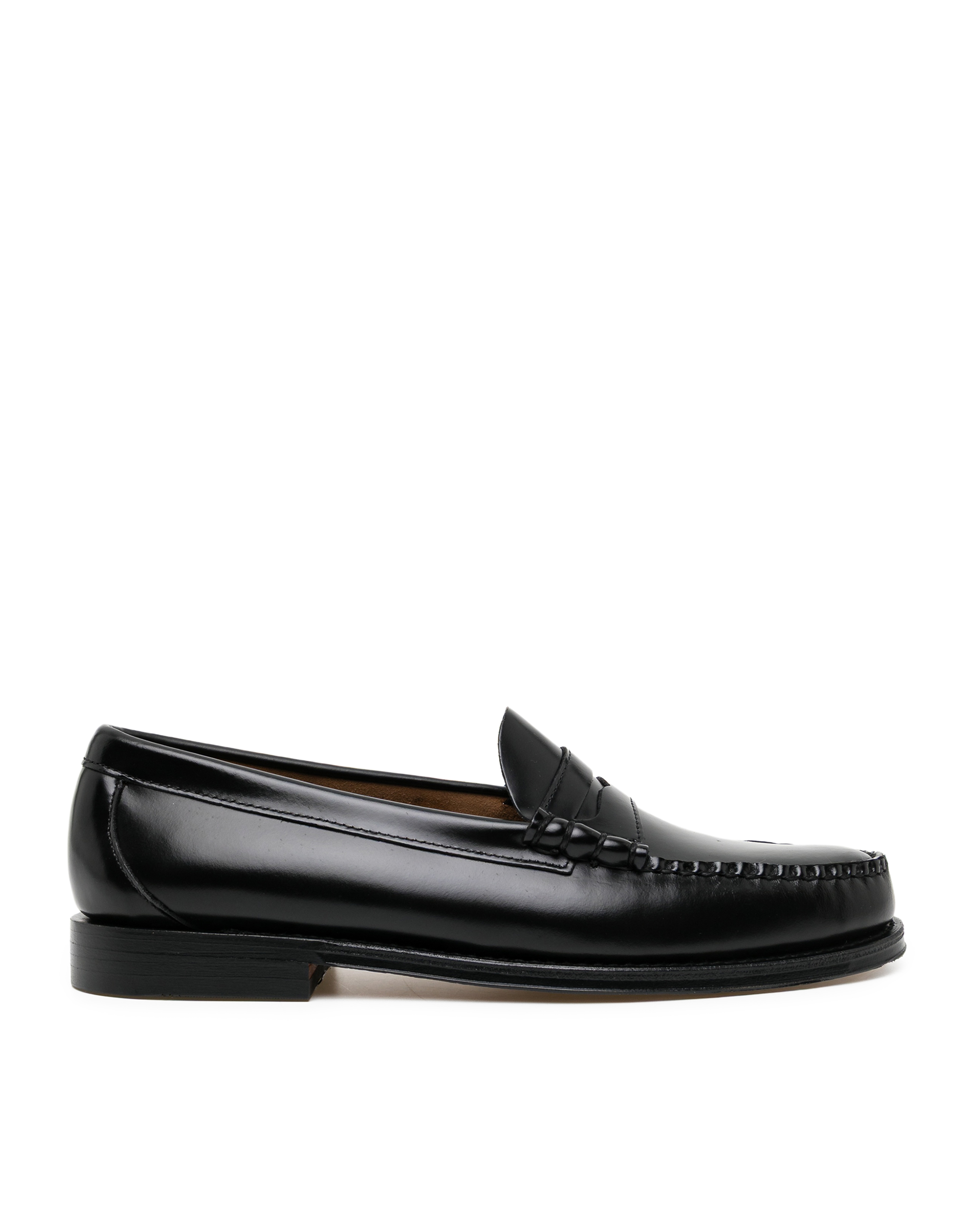
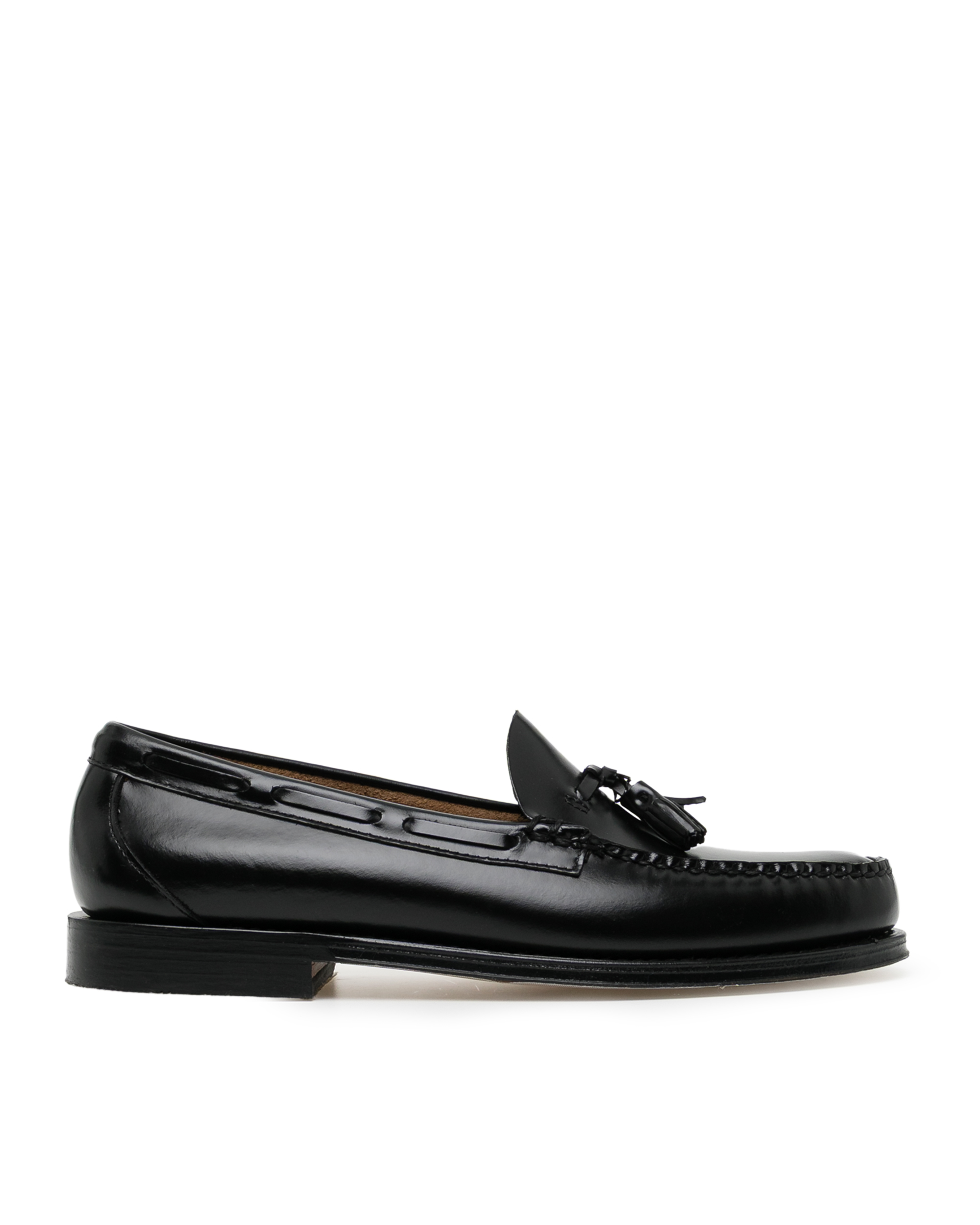
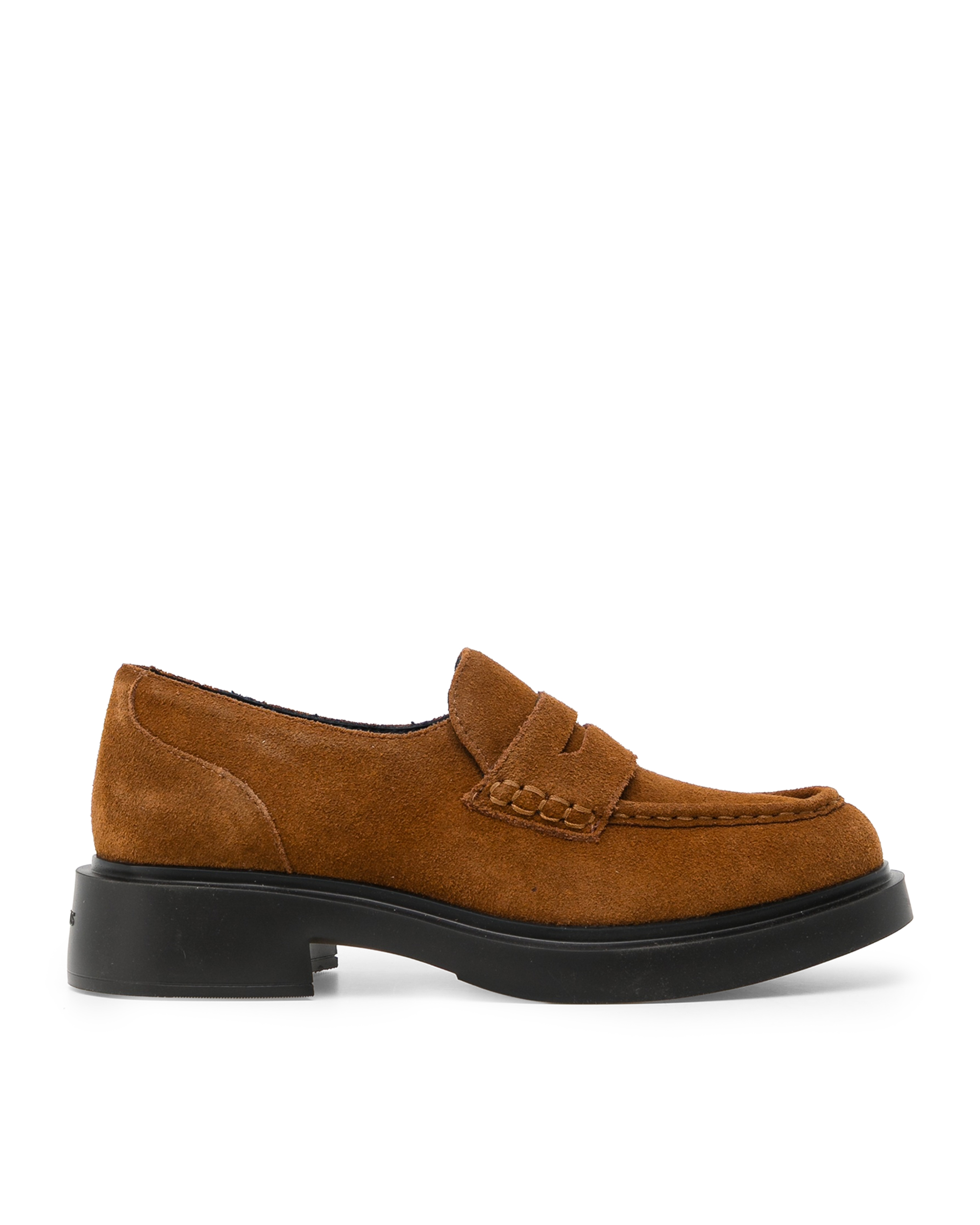
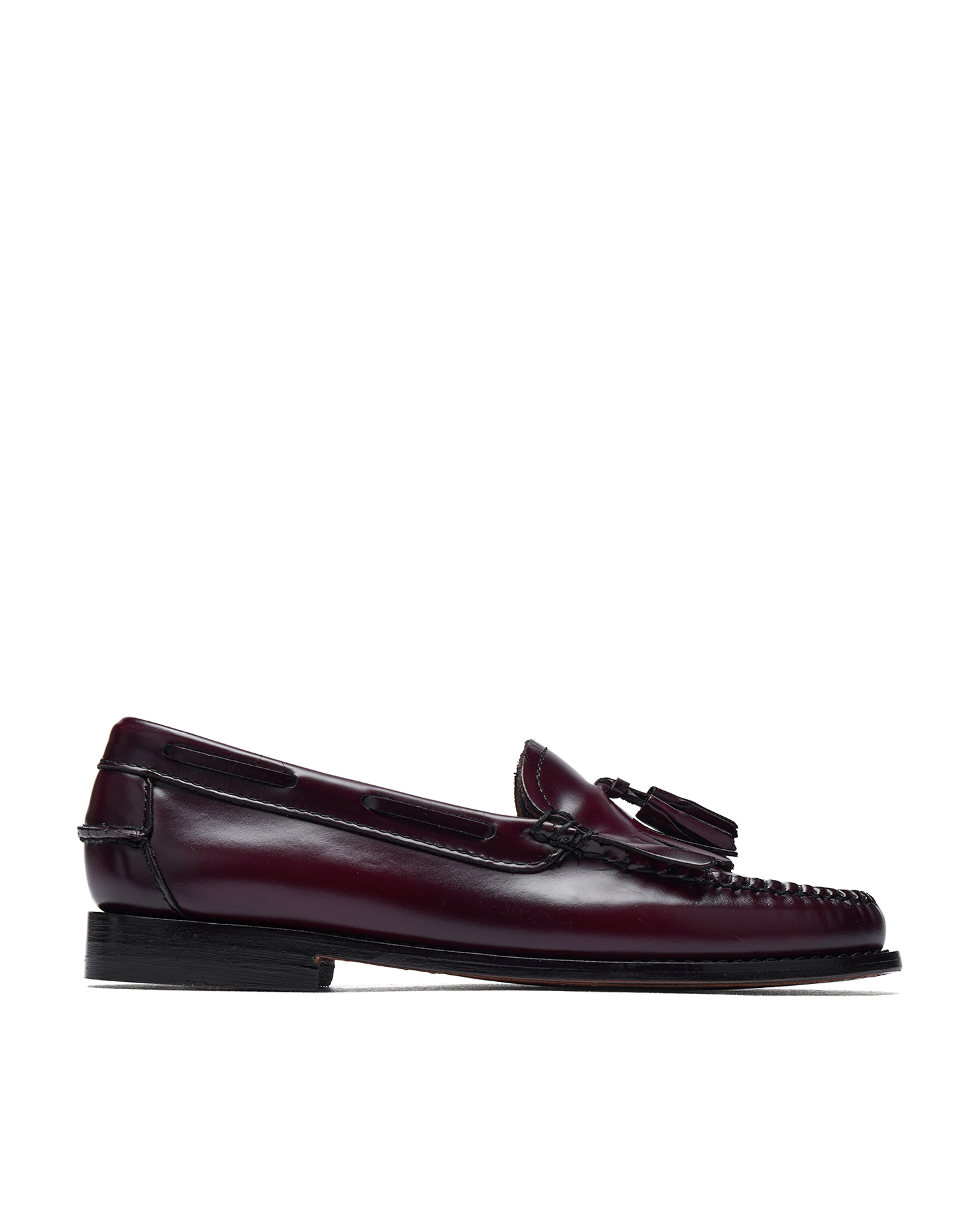
For a century and a half, G.H. Bass has been the quiet custodian of American footwear's most enduring silhouette. The Weejuns penny loafer, born in 1936 and adopted by prep schoolers, jazz musicians, and presidents alike, has long served as the brand's calling card. But the label's 150th anniversary year has arrived with an unexpected proposition: what if the loafer's most natural evolution wasn't a reinvention at all, but a subtle reorientation?
Enter the G.H. Bass Mary Jane Loafer, a shoe that grafts the brand's signature penny-loafer DNA onto the strap-and-buckle architecture of the classic Mary Jane—and in doing so, makes a compelling case that loafers have finally earned their place as everyday footwear rather than occasional indulgence.
A Study in Restraint
The Mary Jane Loafer is, at first glance, a lesson in knowing when to stop. A single slim strap crosses the vamp, secured by a delicate antique-finish buckle—an echo of the penny loafer's iconic slotted saddle, translated into something softer and more feminine. The upper is cut from polished full-grain leather in the brand's heritage tannery tradition, with a rounded toe that recalls the Weejuns' unmistakable profile without veering into costume. The interior is lined in supple leather, and the footbed carries a modest layer of cushioning that belies the shoe's dressy exterior. The outsole is a flexible rubber unit with a low-profile tread—practical, quiet, and engineered for pavement rather than parquet.
The Right Shoe at the Right Moment
What makes this particular shoe worthy of attention now is the convergence of circumstances surrounding it. The Wall Street Journal recently anointed these Mary Janes as the rare pair capable of carrying a wearer through a 10,000-step day without compromise—an endorsement that lands precisely as the culture's relationship with footwear shifts decisively toward comfort-first pragmatism.
Simultaneously, G.H. Bass is enjoying an extraordinary cultural moment. The brand has spent the year collaborating with Clarks Originals, Metalwood Studio, and Buck Mason; it has seen its Larson loafer reinterpreted by Dover Street Market's Kei Ninomiya; and it has watched its European footprint expand through a new licensing deal. Heidi Klum was photographed in Weejuns styled two radically different ways. Karl Lagerfeld minted a commemorative coin for its penny loafers. The Mary Jane Loafer arrives not as a curiosity but as a beneficiary of this momentum—a shoe that slots naturally into a wardrobe already primed for loafer supremacy.
A Quietly Transgressive Hybrid
The cultural context here is worth pausing on. The Mary Jane has always carried a dual identity: schoolgirl uniform and grown-up staple, innocent and subversive by turns. By merging it with the Weejuns silhouette—a shoe with its own loaded history of Ivy League conformity and countercultural adoption—G.H. Bass has produced something quietly transgressive. The Mary Jane Loafer reads as neither purely nostalgic nor aggressively contemporary. It is, instead, a piece of quiet utility: a shoe that pairs with tailored trousers and ankle socks for the office, with bare legs and a midi skirt for the weekend, with denim and a trench for the kind of transitional dressing that defines most actual lives.
For the Ten-Thousand-Step Day
This is a shoe for the person who has tired of the binary choice between sneakers and heels—who wants the polish of a loafer with the security of a strap, the ease of a slip-on with the structure of a proper shoe. It suits the commuter, the creative director, the teacher, the traveler. It suits anyone who has ever walked ten thousand steps in a day and resented their footwear for every one of them.
In a year when G.H. Bass has been endlessly reinvented through collaboration, the Mary Jane Loafer stands as something more essential: a reminder that the brand's greatest asset has always been its ability to evolve without abandoning the codes that made it matter. The penny loafer remains undefeated—but the Mary Jane Loafer makes a persuasive argument that it no longer needs to stand alone.