There are sneakers you recognize from across the room, and then there are sneakers that only reveal themselves when you're close enough to touch them. The Converse Addict line belongs firmly to the second category. Made exclusively for the Japanese market and built to a standard the global Converse catalogue rarely bothers with, Addict has spent nearly two decades as the connoisseur's Chuck Taylor — a shoe that looks like the one your dad wore, until you get it in hand and realize it's playing an entirely different game.
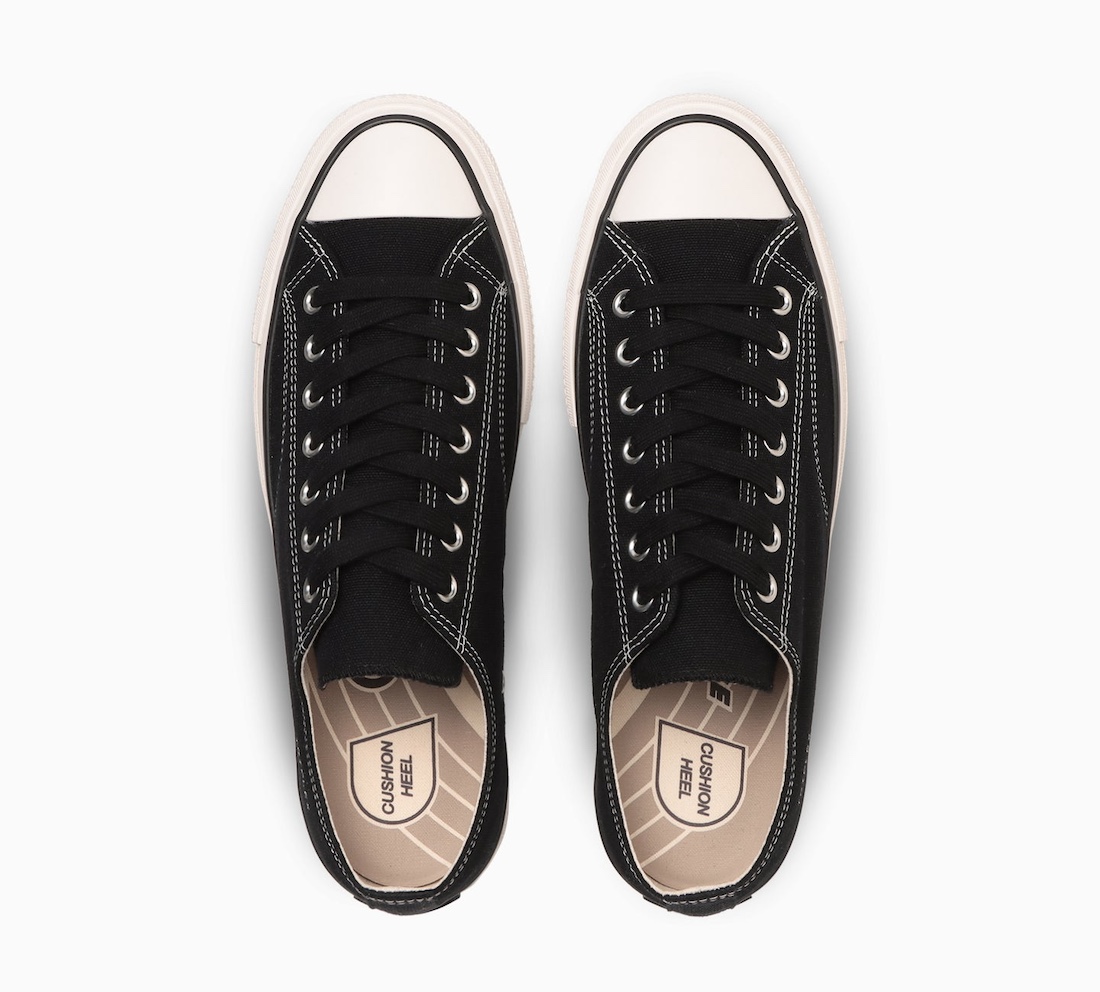
So when GOD SELECTION XXX was handed the keys to that hallowed silhouette, the result was never going to be ordinary. The GOD SELECTION XXX x Converse Addict Chuck Taylor Canvas TX OX "Black," released on 10 December, arrives as one of the most considered footwear projects to come out of Tokyo's streetwear underground this year — and one of the hardest to get your hands on.
A Study in Restraint
The design does almost nothing, and that's precisely the point. The upper is cut in Addict-grade canvas TX — a denser, heavier weave than your standard Chuck Taylor fare — dyed a deep, matte black that swallows light rather than throwing it back. The OX low-top profile keeps the proportions classic and familiar, while the details underneath signal insider knowledge: reactance-treated cushioning underfoot, a hallmark of the Addict line developed with Vibram, built around a cupsole construction that swaps the original's flat rubber wafer for something with real architectural depth.
Branding is where the shoe gets interesting. GOD SELECTION XXX's marks are integrated with a discretion that rewards a second look — no oversized logos, no shouty co-signatures stamped across the midsole. Just the quiet confidence of two labels that know exactly who they're talking to, and don't need to raise their voices to do it.
The House That Watanabe Built
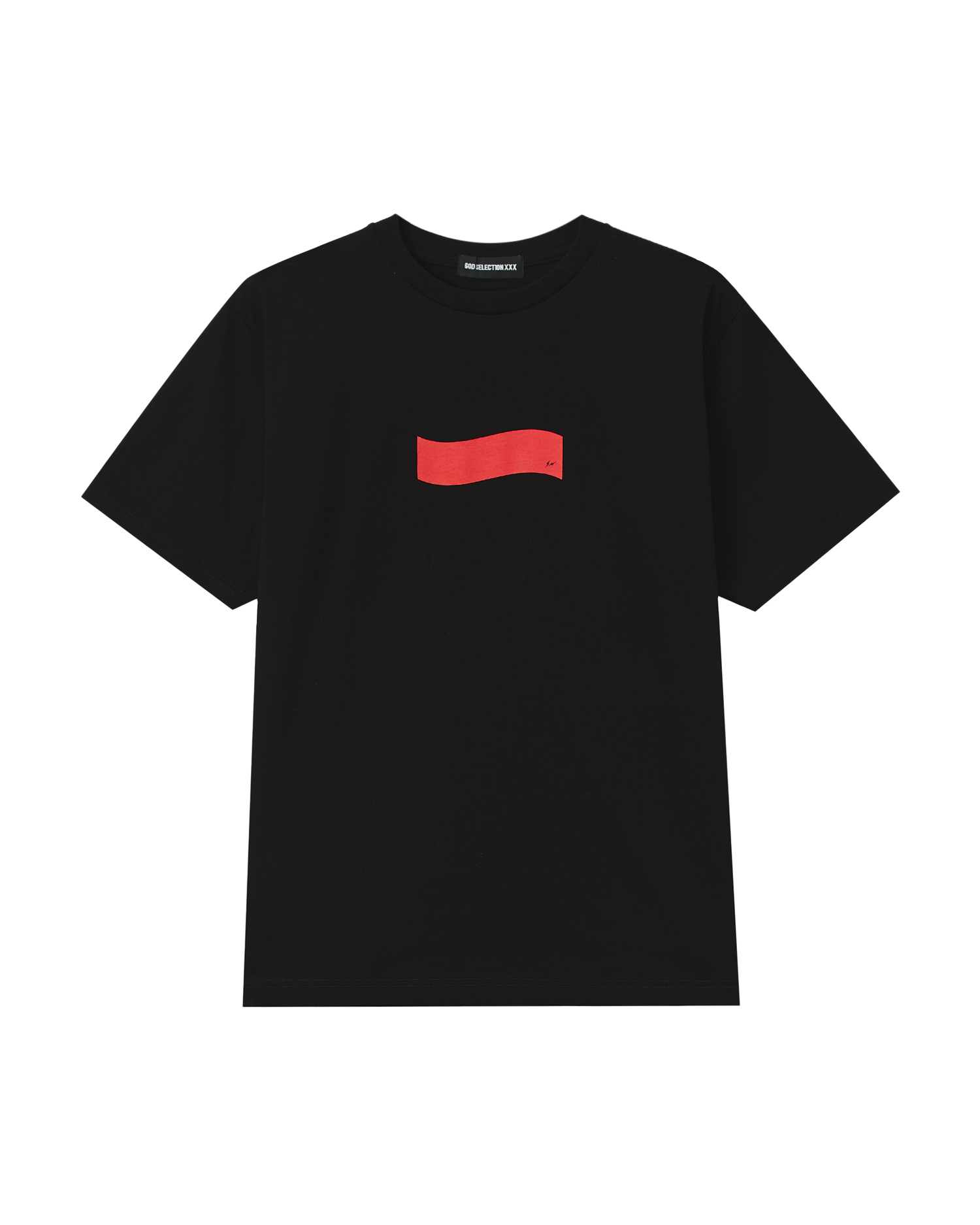
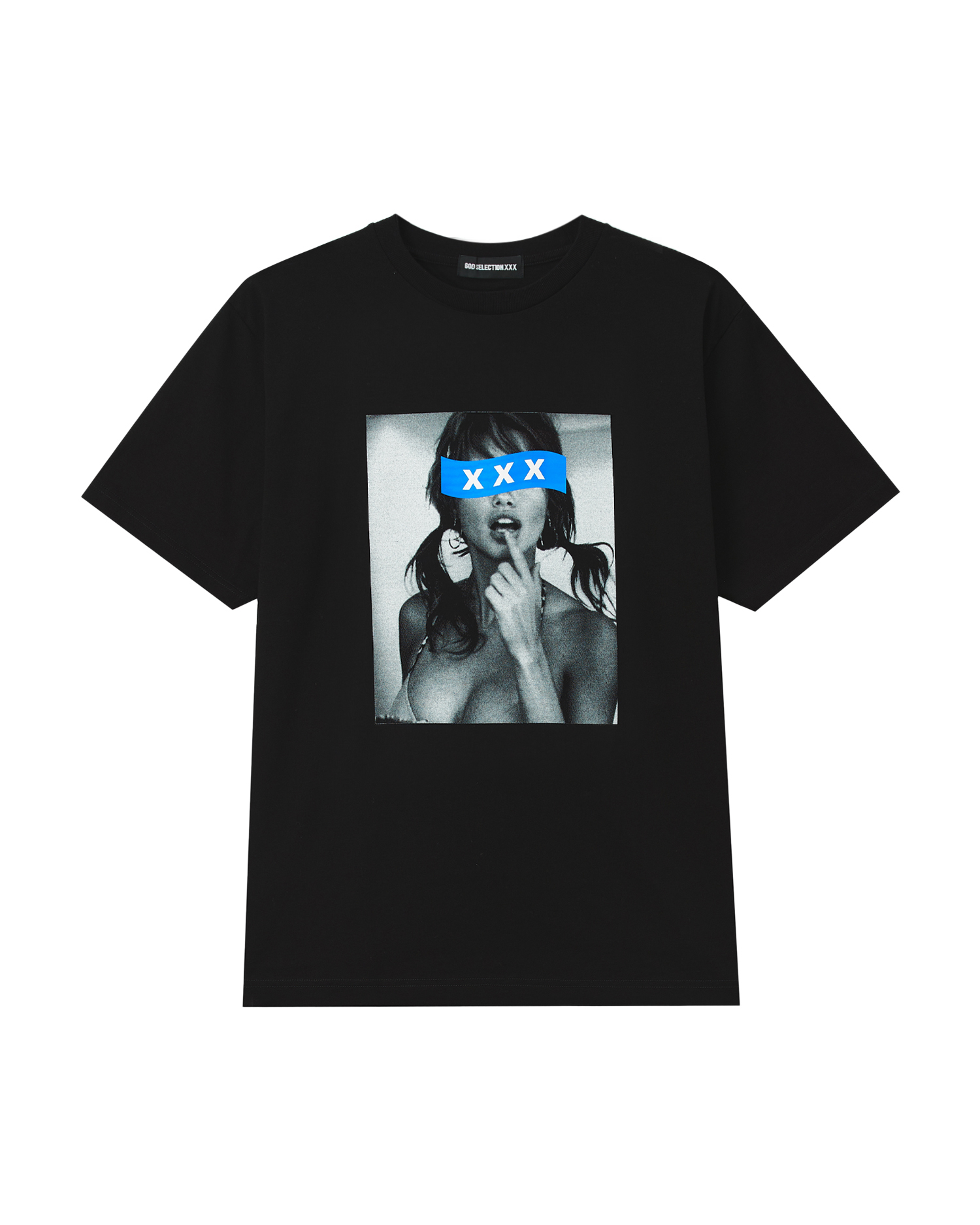
For the uninitiated: GOD SELECTION XXX is the brainchild of designer Masafumi Watanabe, a figure whose career has traced the outer edges of Japanese streetwear for decades. In recent years, the brand has assembled one of the most improbable collaboration portfolios in the industry — fragment design capsules for its eleventh anniversary, a NUMBER (N)INE project for its tenth, a BAPE graphic tee, a BE@RBRICK edition, a CASETiFY partnership, an atmos x Clarks Wallabee, and even a fragment design golf bag that landed in navy after its initial run.
In October, the label opened its first flagship store in Harajuku — a physical anchor for a brand that had, until then, existed largely as a word-of-mouth phenomenon. The Converse Addict project slots neatly into that trajectory: a series of collaborations defined not by volume but by an almost curatorial selectivity. Every release feels less like a product drop and more like an acquisition.
Two Scarcities, One Shoe
What makes this particular release matter now is the collision of two separate scarcities. Converse Addict is famously difficult to obtain outside Japan, and GOD SELECTION XXX produces in deliberately limited quantities. A December drop, positioned at the tail end of the year, means the shoe arrives with none of the fanfare of a spring launch cycle. It simply appears, sells through, and recedes into the aftermarket — a pattern anyone who has watched the brand's previous releases vanish from shelves within hours knows all too well.
The timing is telling. This isn't a shoe designed to sit on a shelf and be admired from a distance. It's built to be worn, and it's built for people who already know why it exists.
Who This Is For
This is not a sneaker for the casual buyer chasing a logo. It is for the collector who understands why Addict occupies a separate tier from mainline Converse. For the Tokyo streetwear devotee who has followed Watanabe's work since the early days. For anyone who believes a black canvas low-top can still be a radical object when executed with sufficient care.
The Chuck Taylor Canvas TX OX "Black" does not reinvent the wheel. It simply builds a better one — in a country that has spent forty years refining its own relationship with American iconography, and then declines to share it with the rest of us. That, in the end, is the whole philosophy of both houses: take something the world thinks it already understands, rebuild it with obsessive attention, and let the work speak for itself.