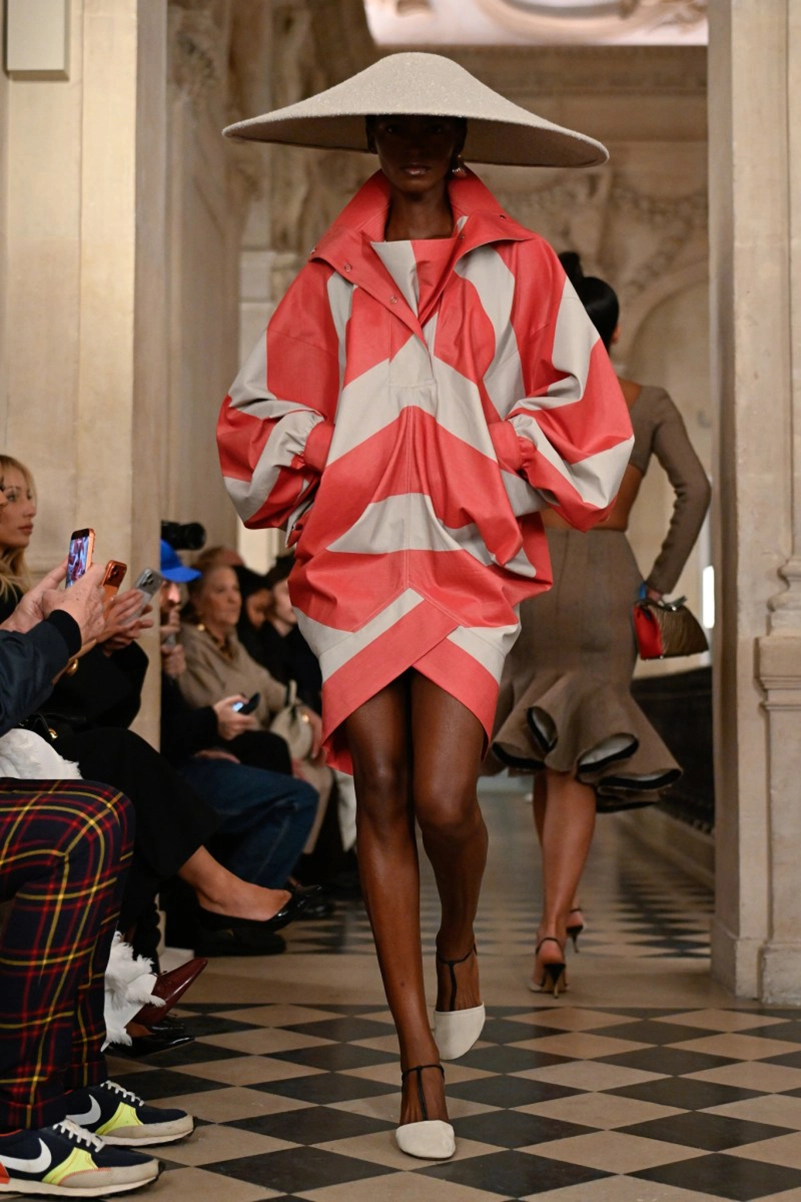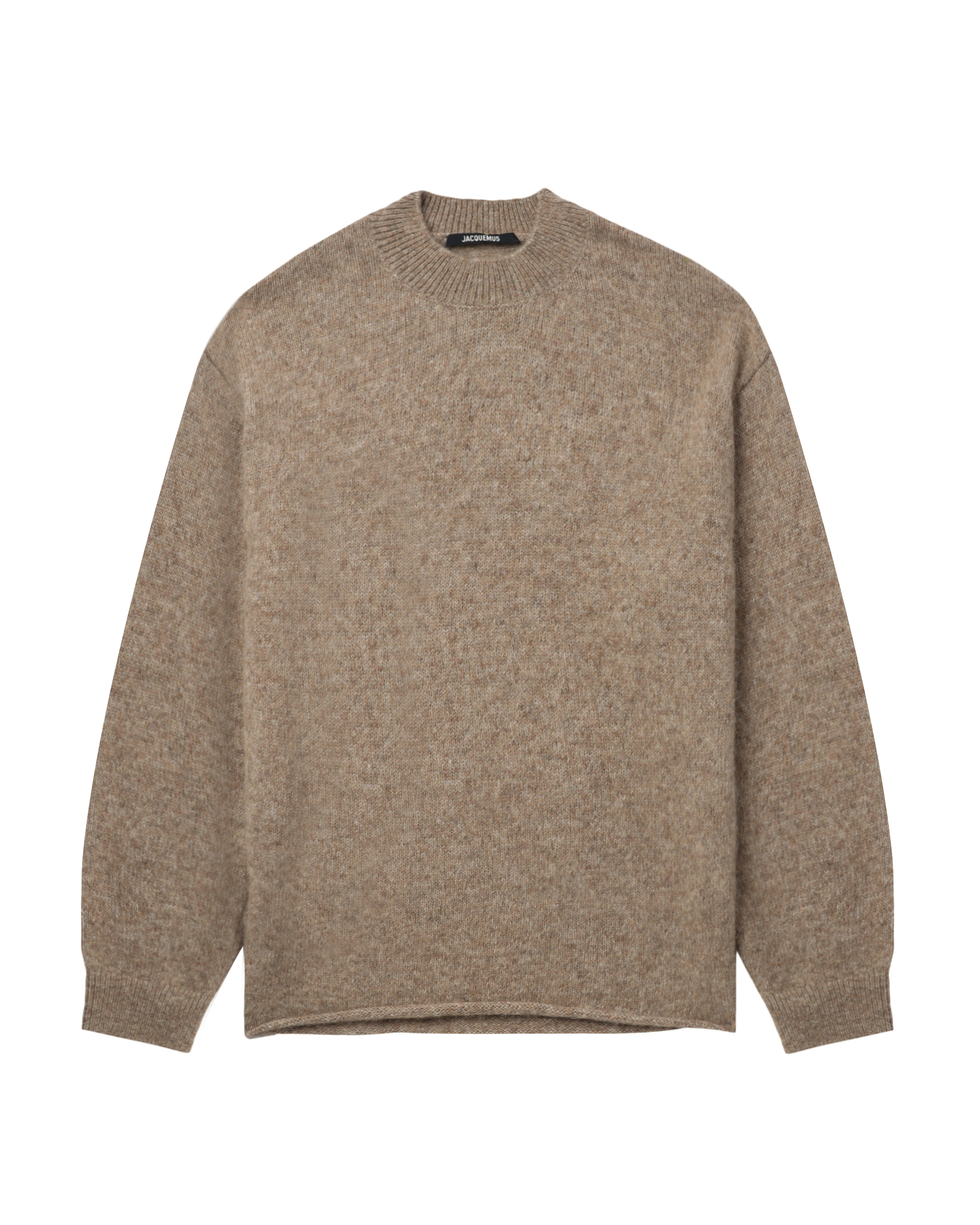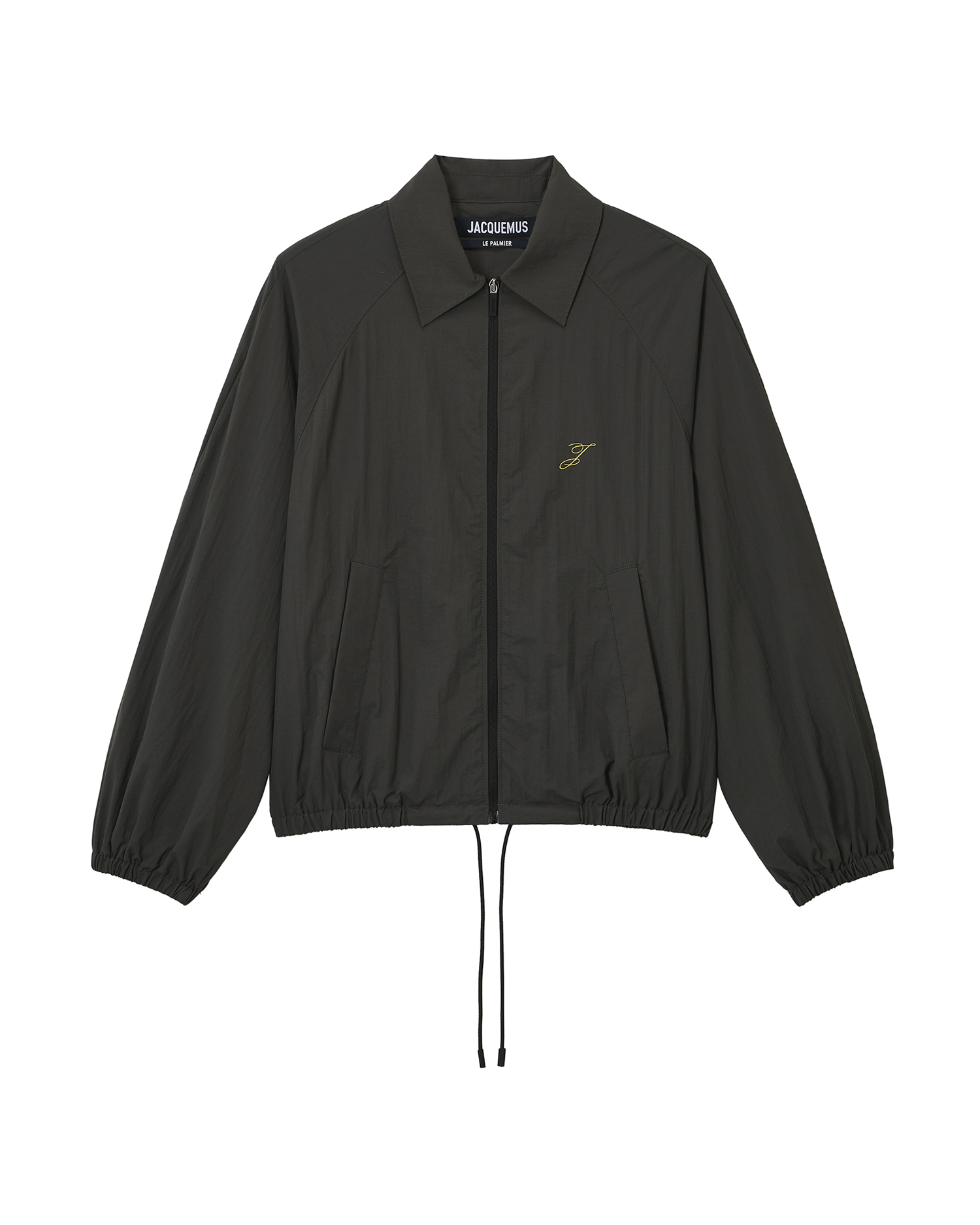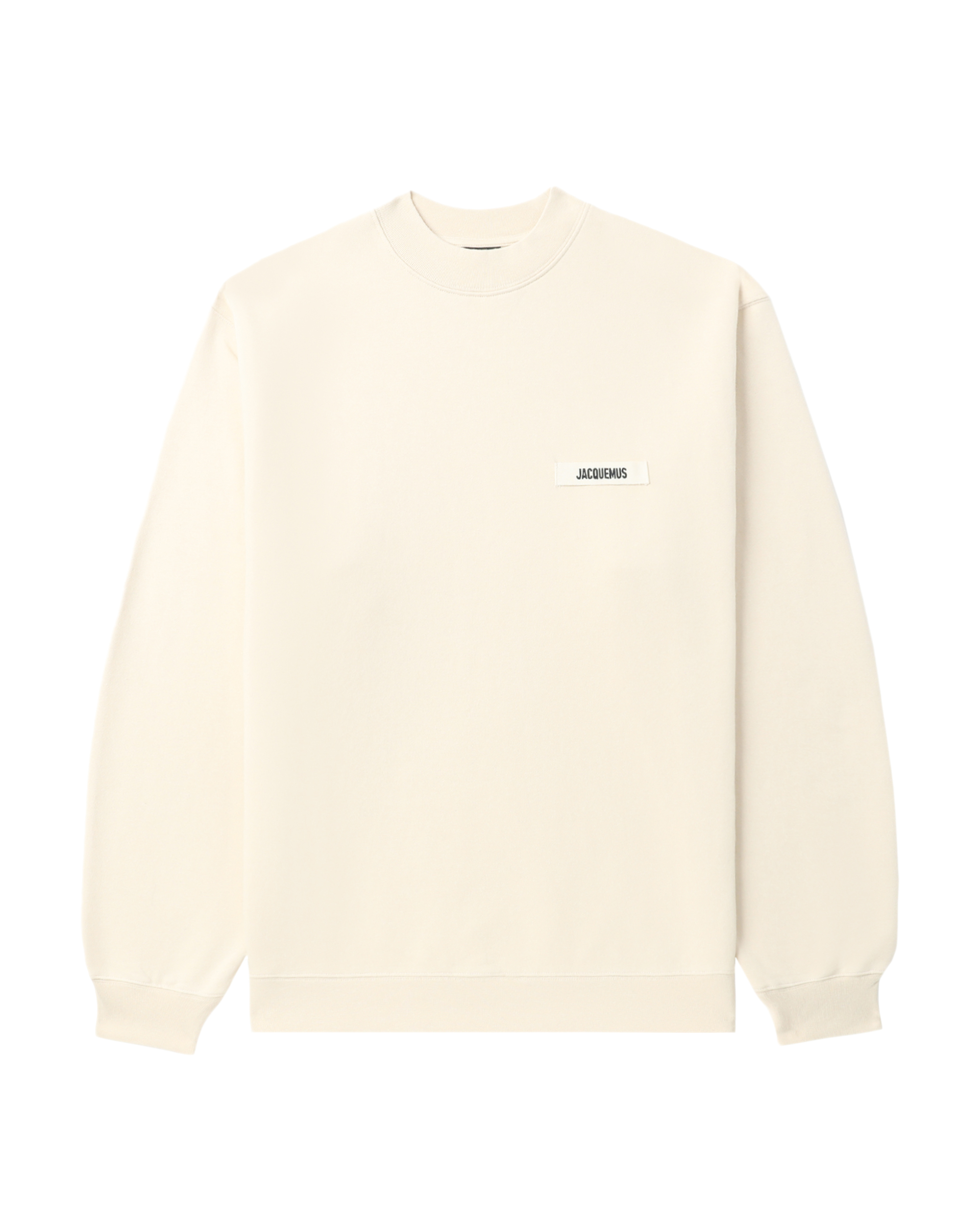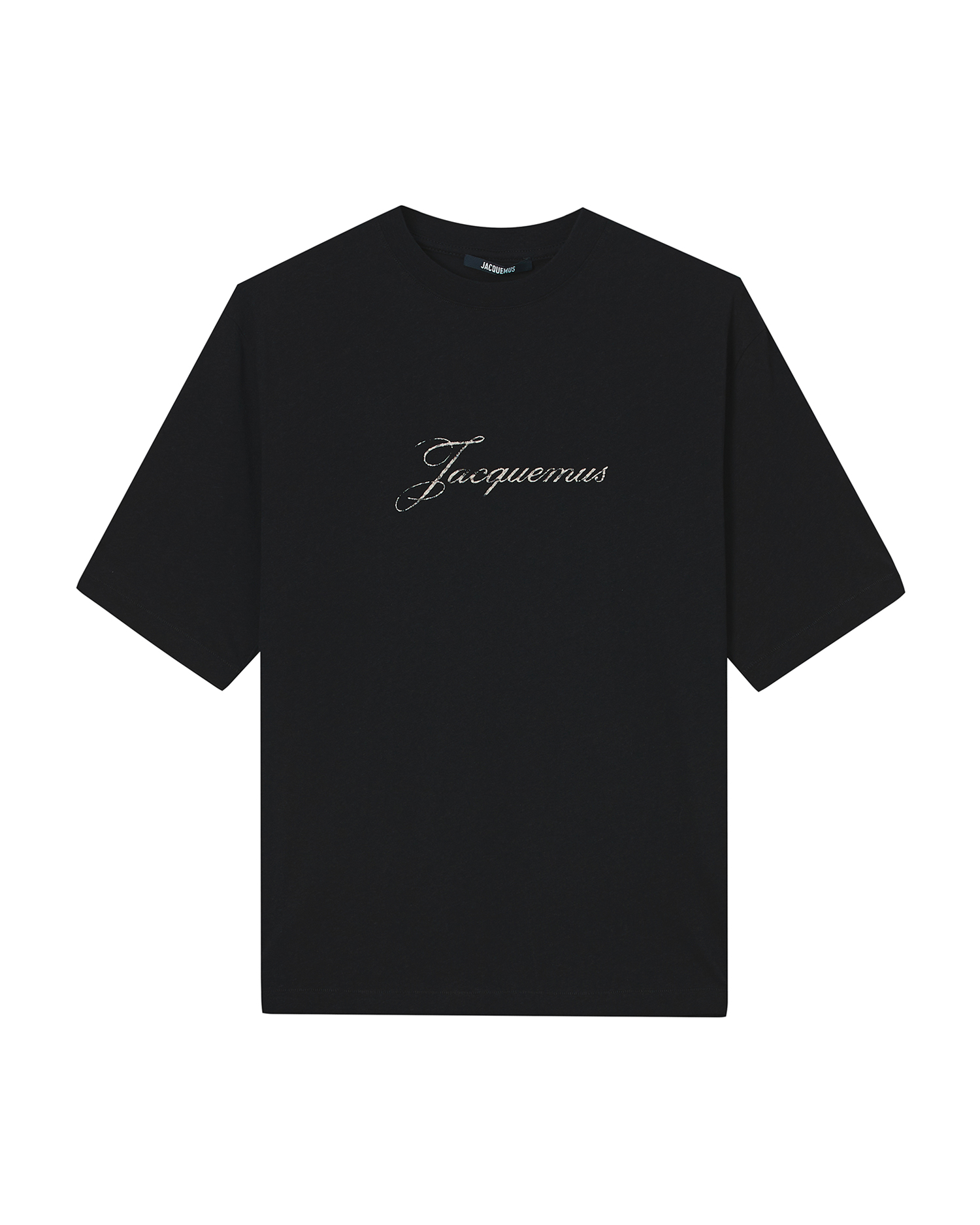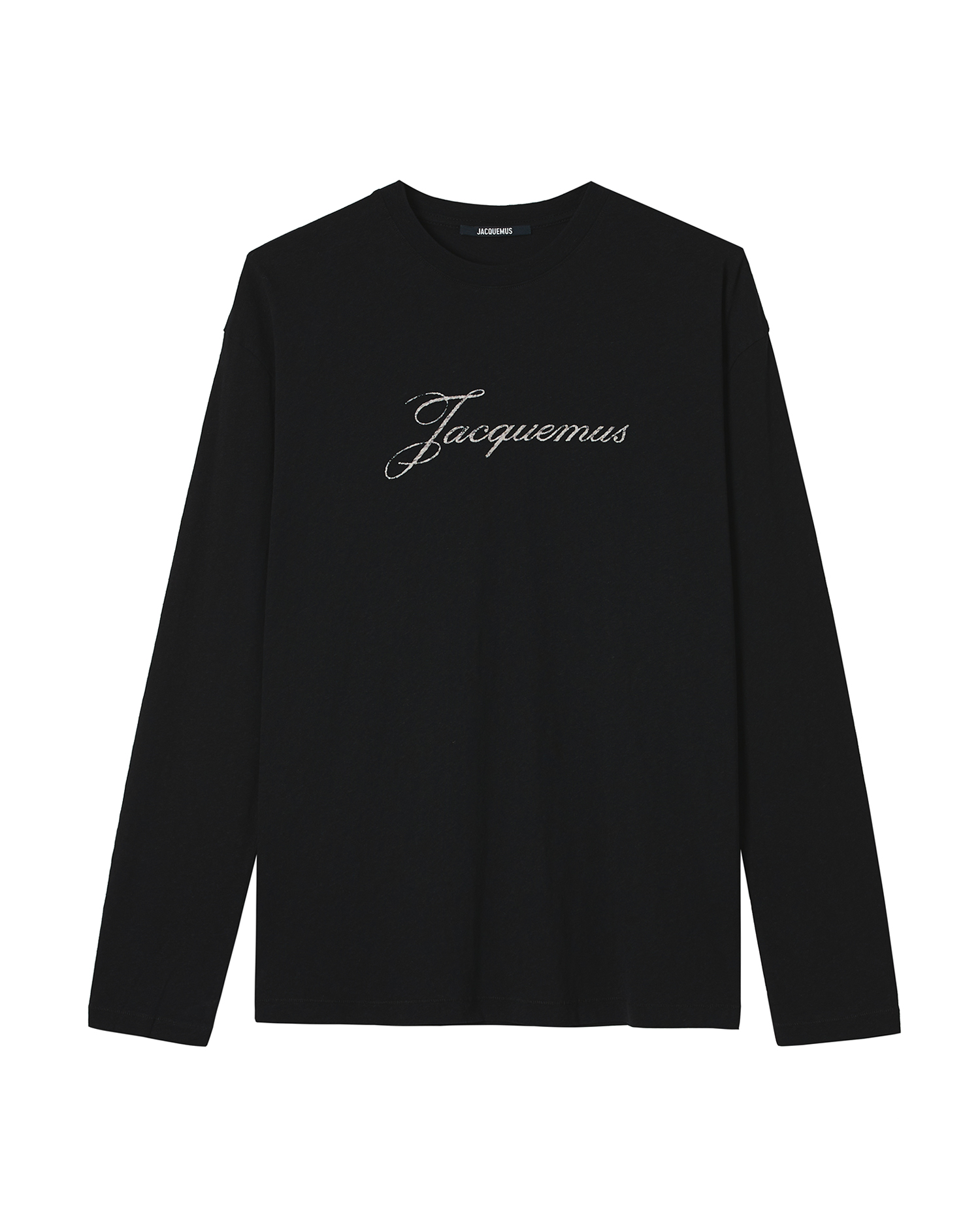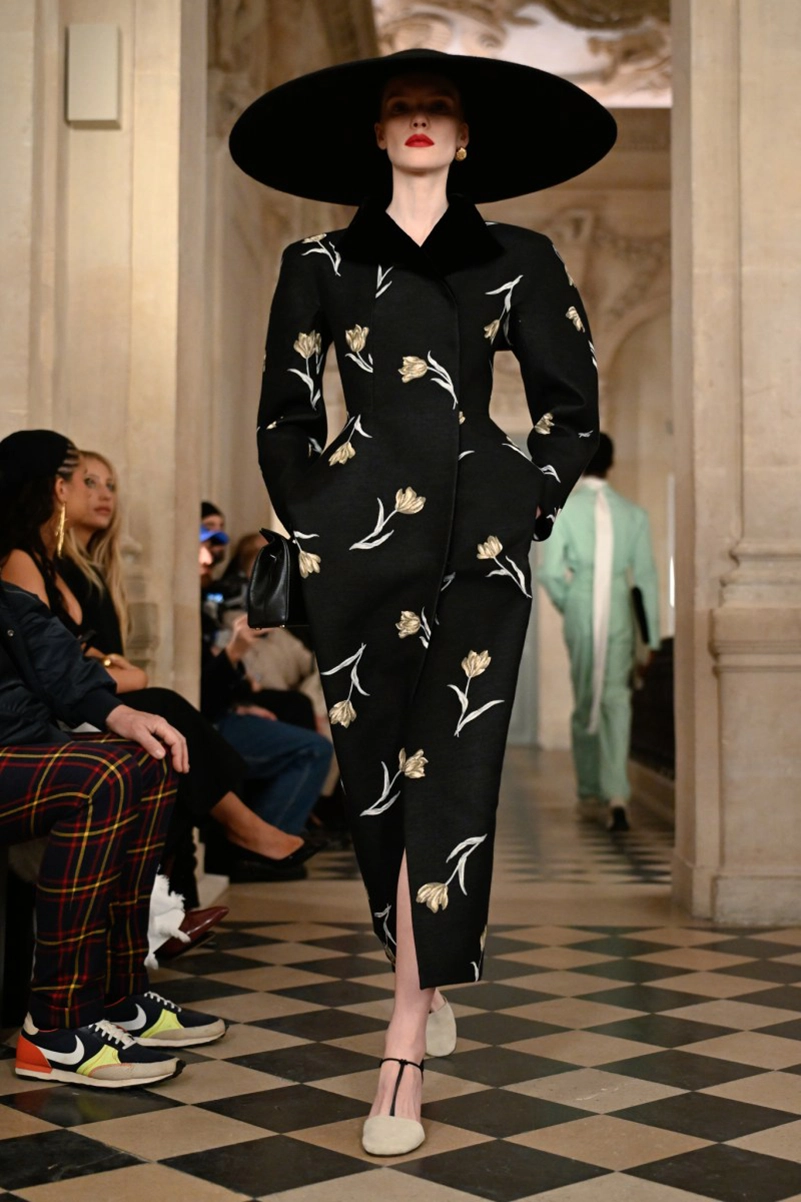
The defining look of Jacquemus Fall/Winter 2026 doesn't arrive with a logo, a monogram, or a gimmick. It arrives with mathematics. Simon Porte Jacquemus sent a silhouette down the runway whose surface treatment reads as a direct conversation with François Morellet, the French abstractionist whose systematic grids and randomized geometries made him a central figure of the postwar European avant-garde. What emerged on the catwalk is less a print than a proposition: that a garment can function as a canvas without surrendering its life as clothing.
The timing is deliberate. The house is expanding aggressively — a new Miami Design District flagship, a Nike collaboration generating global queues, custom commissions for Zendaya — and this look serves as the intellectual anchor for all of it.
Lines, Angles, and the Discipline of Restraint
The design itself is built on a disciplined vocabulary of lines and angles. Morellet's signature devices — the trame, the random distribution of squares, the tension between rigid systems and chance — are translated onto fabric through precise placement and repetition. The result is graphic without being loud, cerebral without being cold.
Jacquemus has always understood proportion as his primary language: the cropped jacket, the abbreviated hem, the exaggerated shoulder. Here, that instinct meets a stricter geometry, and the friction between softness and system is exactly what makes the piece compelling. It recalls the artist's *Répartition aléatoire de 40.000 carrés* works, where order and chaos negotiate a truce across a flat plane.
Why the Fabric Had to Be Perfect
Materials matter enormously in a look like this, because geometric abstraction collapses the instant a fabric looks cheap. The house has leaned on structured cottons, dense wools, and precise jacquards to hold the linework crisp, allowing the pattern to read as intentional architecture rather than printed decoration.
Color is restrained — the palette favors chalk whites, deep navies, and the sun-bleached neutrals of the Mediterranean — so the geometry does the talking. This is couture-level discipline applied to ready-to-wear, and it explains why the look has already drawn comparisons to museum retrospectives rather than typical runway coverage.
From Instagram Darling to Global Operator
The cultural context is impossible to ignore. Jacquemus has spent the past year transforming from a darling of Instagram minimalism into a genuine global operator. The Miami flagship opened as a Mediterranean cultural space rather than a conventional boutique, filled with art and collectible design — a physical argument that this brand belongs in conversation with galleries, not just department stores.
The Nike Moon Shoe collaboration, reissued in "Miami" and "Emerald Rise" colorways, put the label on the feet of collectors who care about archival Nike history. Zendaya's custom Jacquemus moment at a major red carpet placed the house in the same breath as the grandes maisons. And the brand's strategic push toward Mexico and Madrid signals a deliberate courtship of Spanish-speaking customers who represent a significant share of luxury growth.
Against that backdrop, a Morellet-inspired look is not an isolated artistic flourish — it is positioning. It tells the market that Jacquemus intends to be judged on ideas, not just on the tiny bag that broke the internet.
Who It's For
The woman who already owns the sculptural miniskirt and the asymmetric knit, and who now wants something that rewards a second look. The collector who understands that fashion's most durable pieces often borrow from art history rather than from trend cycles. The customer walking into the Miami store, surrounded by curated objects, looking for a garment that belongs in that environment. It is also, frankly, for anyone who has grown tired of logomania and wants abstraction back.
Growth Without Surrender
Why it matters now is simple. Jacquemus is at an inflection point — scaling retail, deepening collaborations, courting new geographies — and scale without substance is how young houses lose their edge. A look that cites François Morellet by name and logic is a statement of intent: growth will not come at the cost of rigor. The geometric artwork piece is not the loudest thing in the Fall/Winter 2026 collection. It may be the most important.