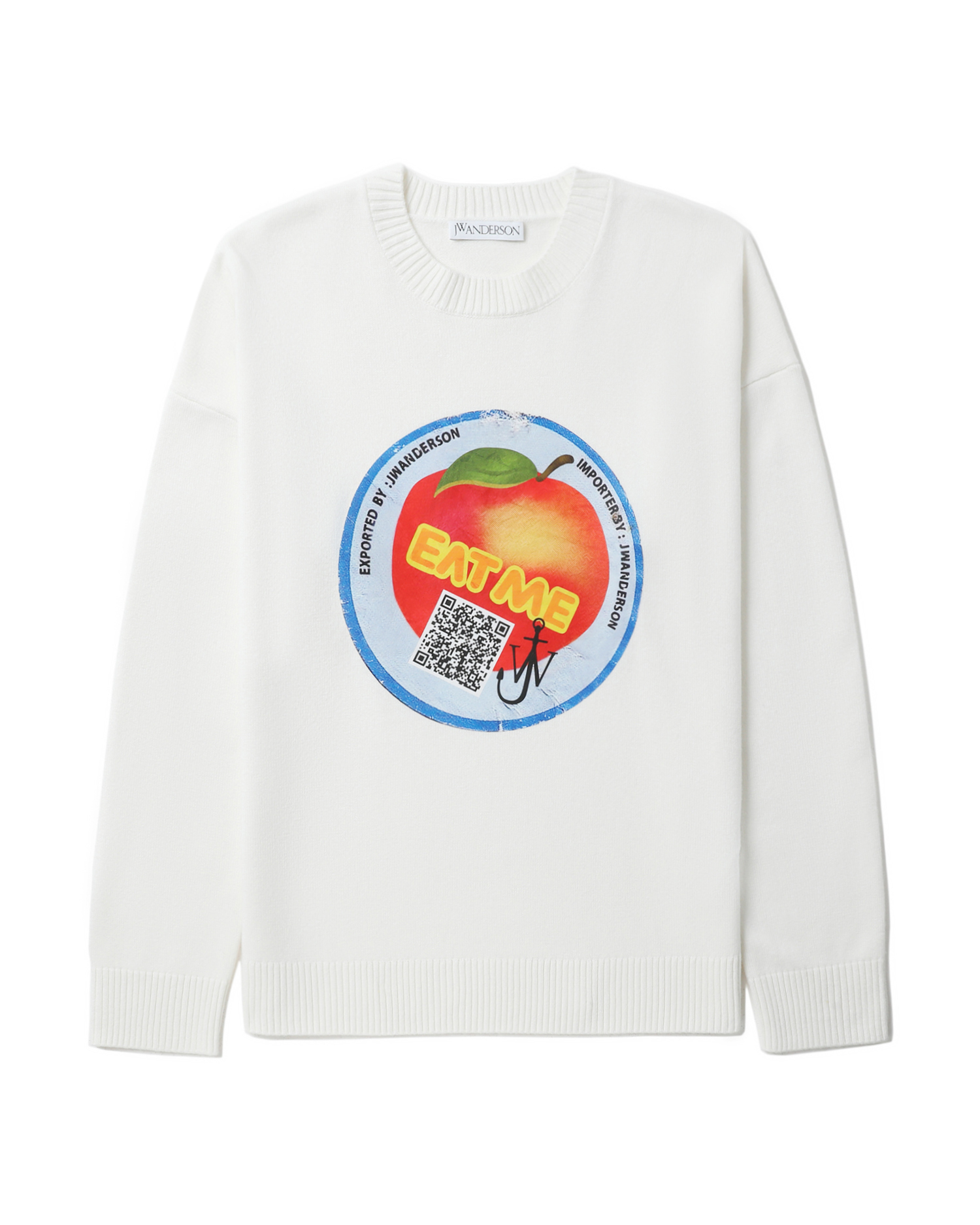
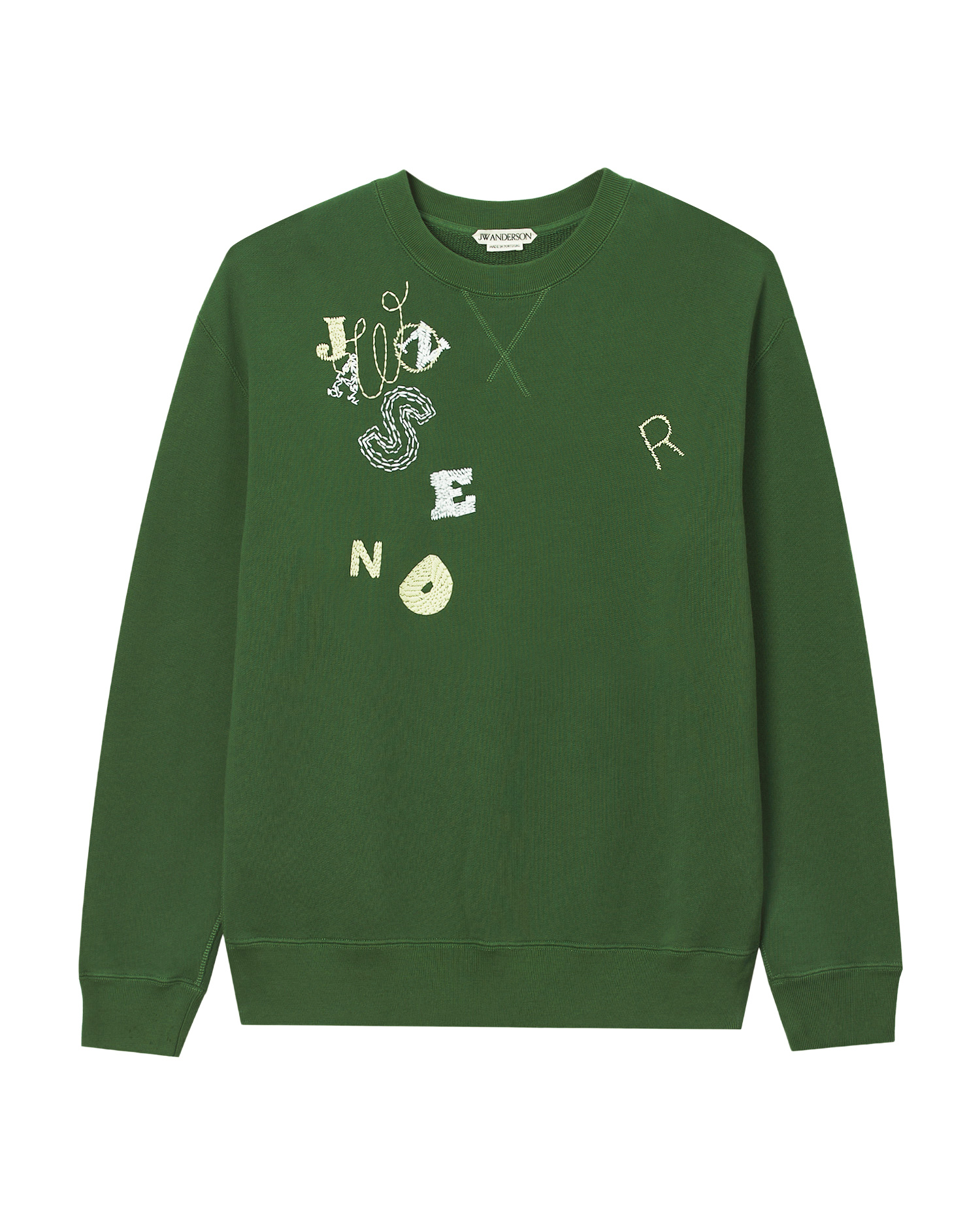
Every few seasons, a collaboration stops behaving like a collaboration and starts behaving like a correction. The Uniqlo x JW Anderson Fall/Winter 2026 Academia collection is precisely that: a deliberate recalibration of how we dress for the grey months, arriving at the exact moment the culture has tired of logomania and algorithm-bait maximalism. Vogue calls it a reimagining of autumn classics; GQ, noting the return of the partnership, frames it as the signal that the smartest wardrobe in the room is once again the quietest. Hypebeast put it most bluntly—this is fall/winter 2026 staged as campus drama, and the clothes are the cast.
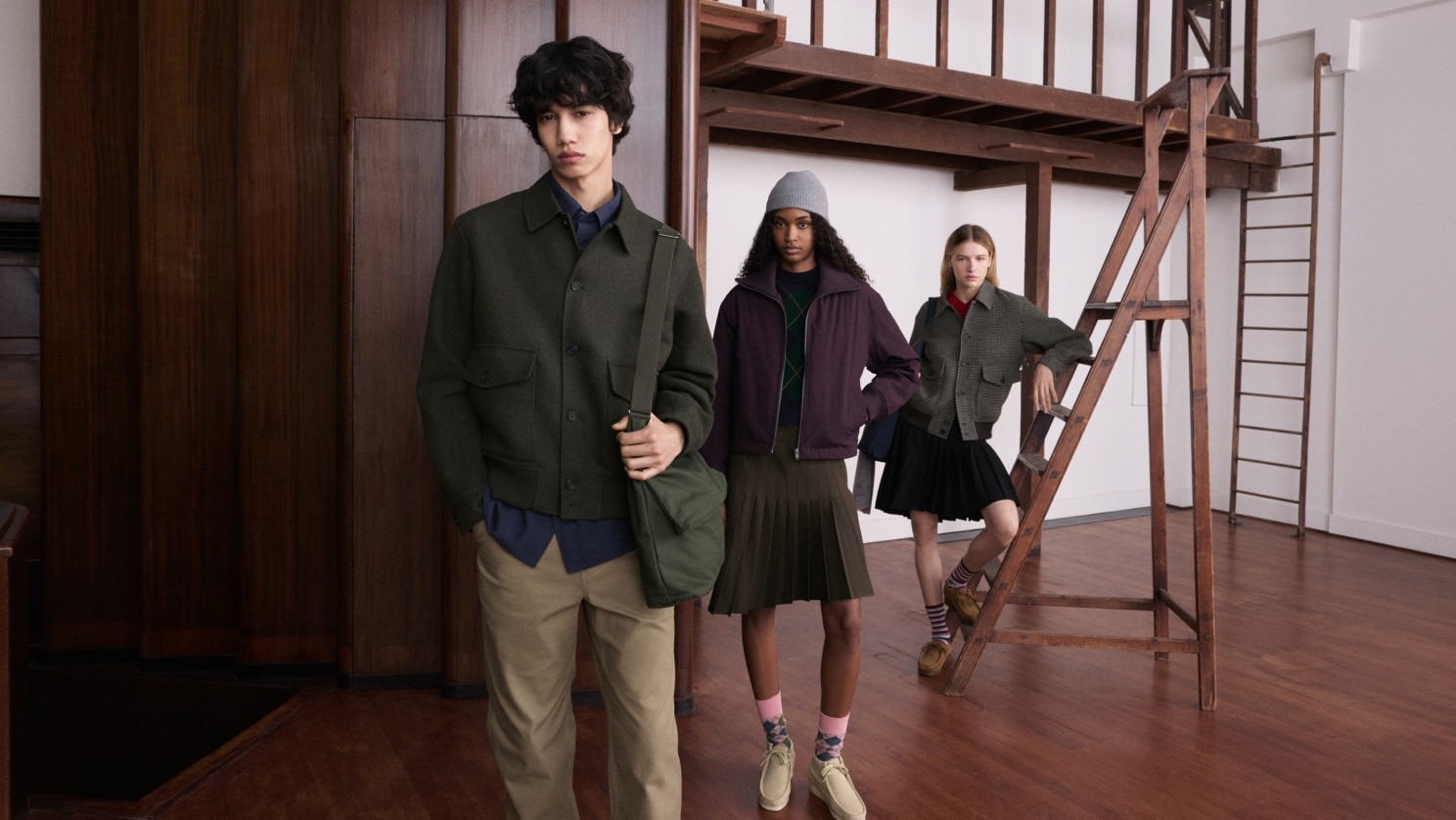
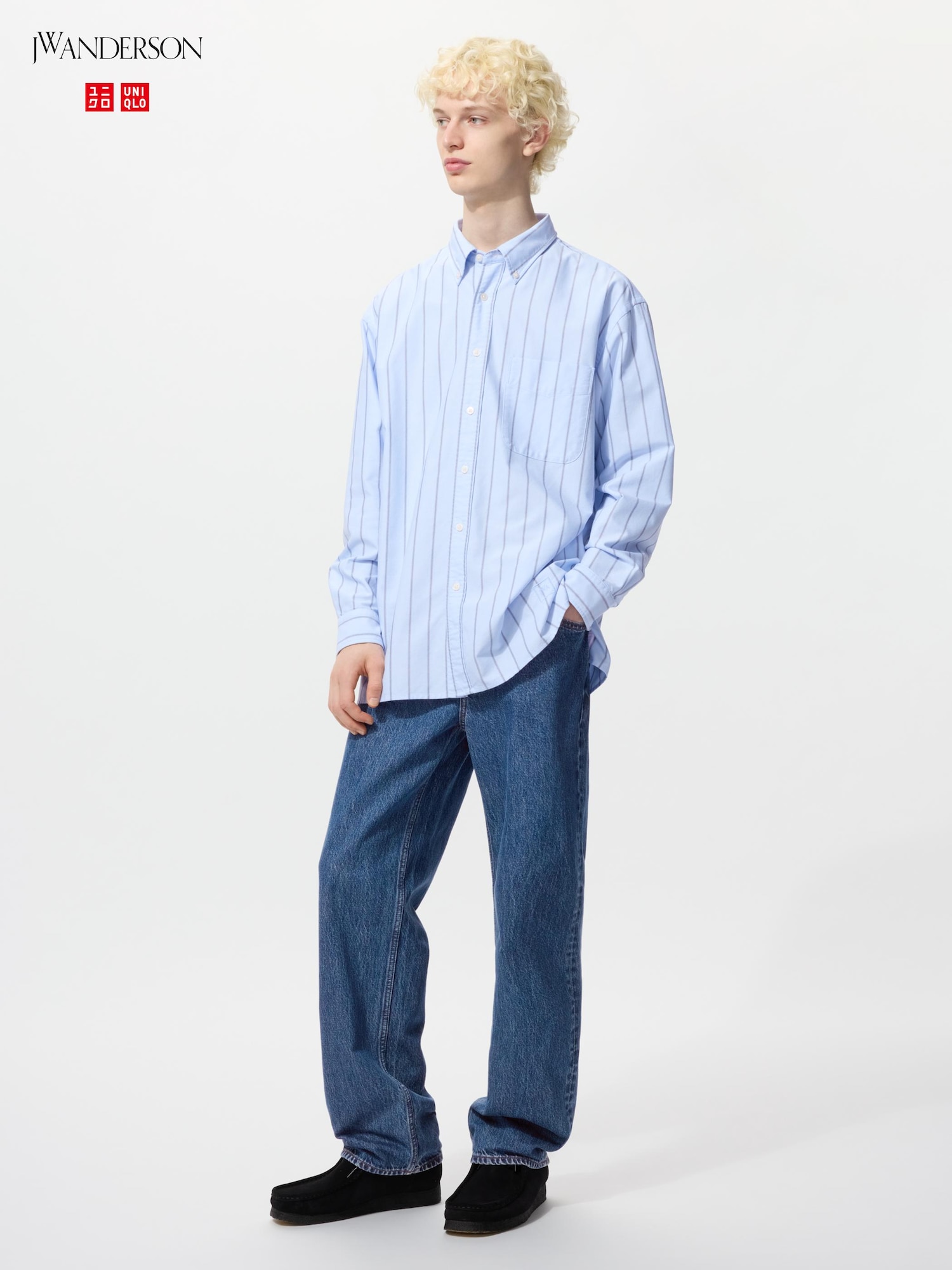
The premise is academia, but not the costume-shop version. Jonathan Anderson has spent his career interrogating British dress codes—the tweed, the argyle, the school-runner practicality—and here he distills that obsession through Uniqlo's industrial precision. The result is a collection of reworked heritage staples: lambswool knits with a slightly off-register stripe, tailoring cut with enough ease to read as study rather than office, and outerwear that borrows the geometry of a duffle coat without its bulk. There are pleated skirts with real weight to the fabric, button-down shirting in muted oxfords and washed poplins, and knitwear that carries Anderson's signature wit in a single unexpected proportion—a cropped cardigan here, an exaggerated cuff there. Nothing shouts. Everything is considered.
The Syllabus, Not the Costume
What separates this from the usual heritage rehash is restraint. Anderson doesn't raid the dressing-up box; he edits it. The lambswool carries that off-register stripe like a deliberate misprint in a textbook margin, close enough to tradition to read as proper, skewed enough to feel alive. Tailoring is cut with ease—room to move through a lecture hall or a long day of meetings without ever reading as office-issue. And the outerwear is the quiet triumph: the geometry of a duffle coat, stripped of its bulk, all clean line and honest proportion.
The supporting cast holds its own. Pleated skirts have genuine weight to the fabric, the kind that swings rather than flaps. Button-downs arrive in muted oxfords and washed poplins, soft enough to feel broken-in from the first wear. And the knitwear—cropped cardigans, exaggerated cuffs—lets Anderson's wit surface in a single unexpected proportion rather than a shout. Nothing here announces itself. Everything is considered.
Materials That Earn Their Keep
Materials matter more than usual at this price point, and that's where the collaboration earns its keep. Uniqlo's Heattech and lambswool foundations are deployed with unusual discipline, and the tailoring benefits from the brand's LifeWear engineering—garments built to be worn hard, washed often, and still hold their line in February. That's not marketing copy; it's the quiet promise that makes a piece worth reaching for on the fourth grey morning in a row.
The palette runs deep and scholarly: oxblood, forest, camel, chalk, and a recurring navy that ties the range together like a syllabus. These are clothes designed to be layered, swapped, and recombined across an entire term of mornings—which is precisely the kind of longevity the current market is rewarding. Buy fewer, wear harder, look sharper. The math finally works.
The Wider Anderson Moment
Context matters here. This collection lands in a season where JW Anderson is everywhere at once. The UGG collaboration fronted by Kaia Gerber and Dev Hynes—with its loafer-mashed classics and cozy London house party—has kept the designer in the cultural conversation, while his Spring 2027 ready-to-wear and the upcoming "Run Rabbit" runner confirm an unusually prolific moment.
The Uniqlo partnership, then, functions as the accessible center of gravity: the entry point to Anderson's thinking for the student, the young professional, the design-literate shopper who wants the idea without the markup. Reviewers at Glamour and New York Magazine both tested the collection and reported the same thing—pieces that quietly upgrade an existing wardrobe rather than demanding a new one. No clearing of shelves required. Just better hangers.
Who It's For
The Academia collection rewards anyone who has grown skeptical of trend cycles and wants clothes with a point of view that won't expire by December. It suits the graduate student building a first serious coat rotation, the creative director who wants a knit with a story, the parent dressing a teenager who has discovered corduroy and won't be talked out of it. It is, in the most literal sense, a wardrobe reset—the kind that arrives not with a manifesto but with a rack of very good, very wearable, faintly subversive basics.
Why it matters now is simpler than the discourse suggests. Fashion's most interesting designer has made his most democratic statement of the season, and it happens to be the one you can actually afford. The campus drama is real. The casting is excellent. And the wardrobe, thankfully, is built to last longer than the semester—which is the whole point of the LifeWear philosophy Anderson keeps circling back to. Good clothes, made plainly, worn until they mean something. That's not a trend. That's a term you can actually finish.