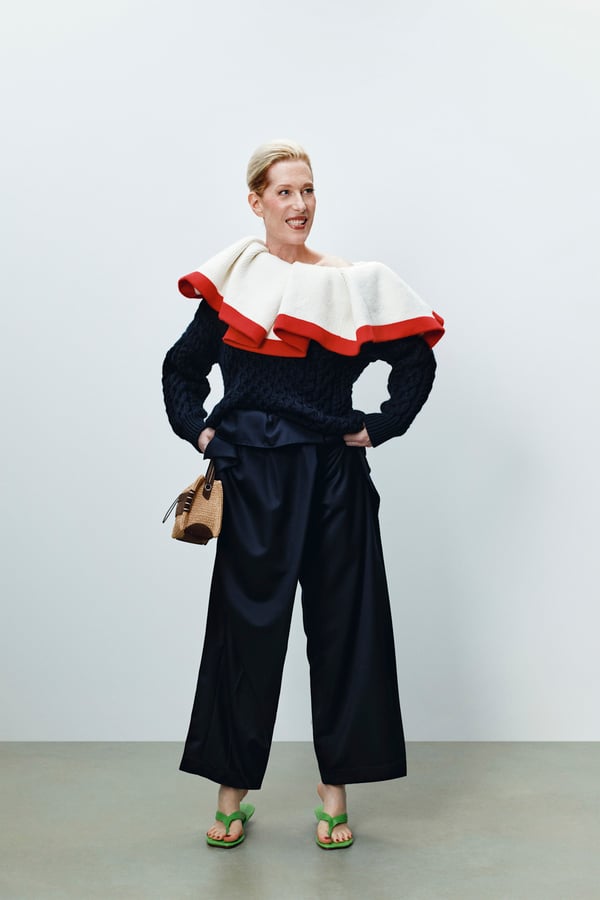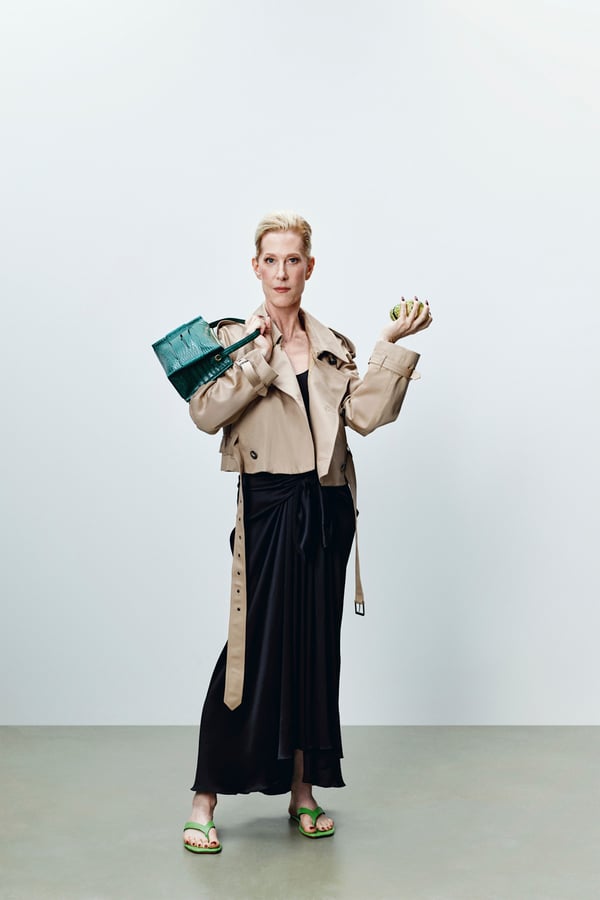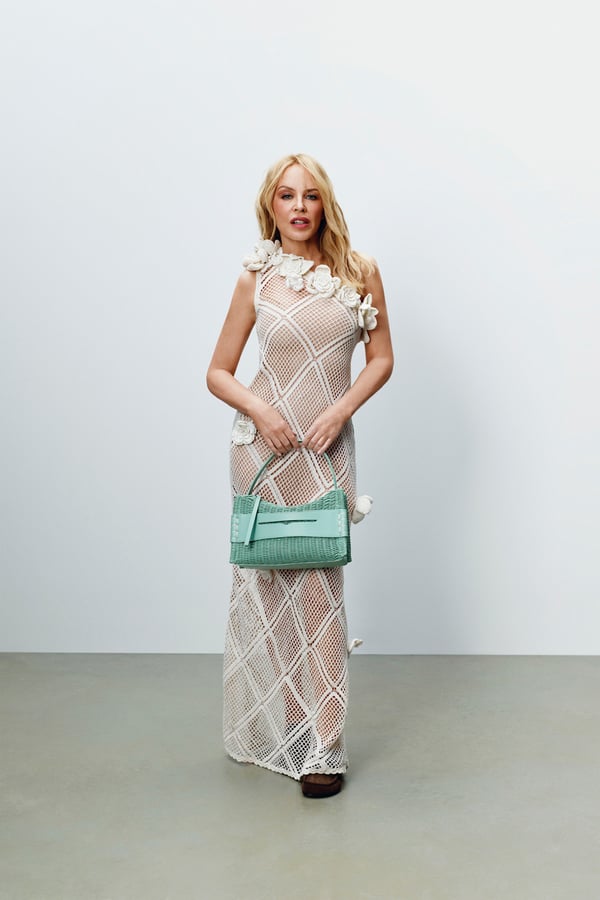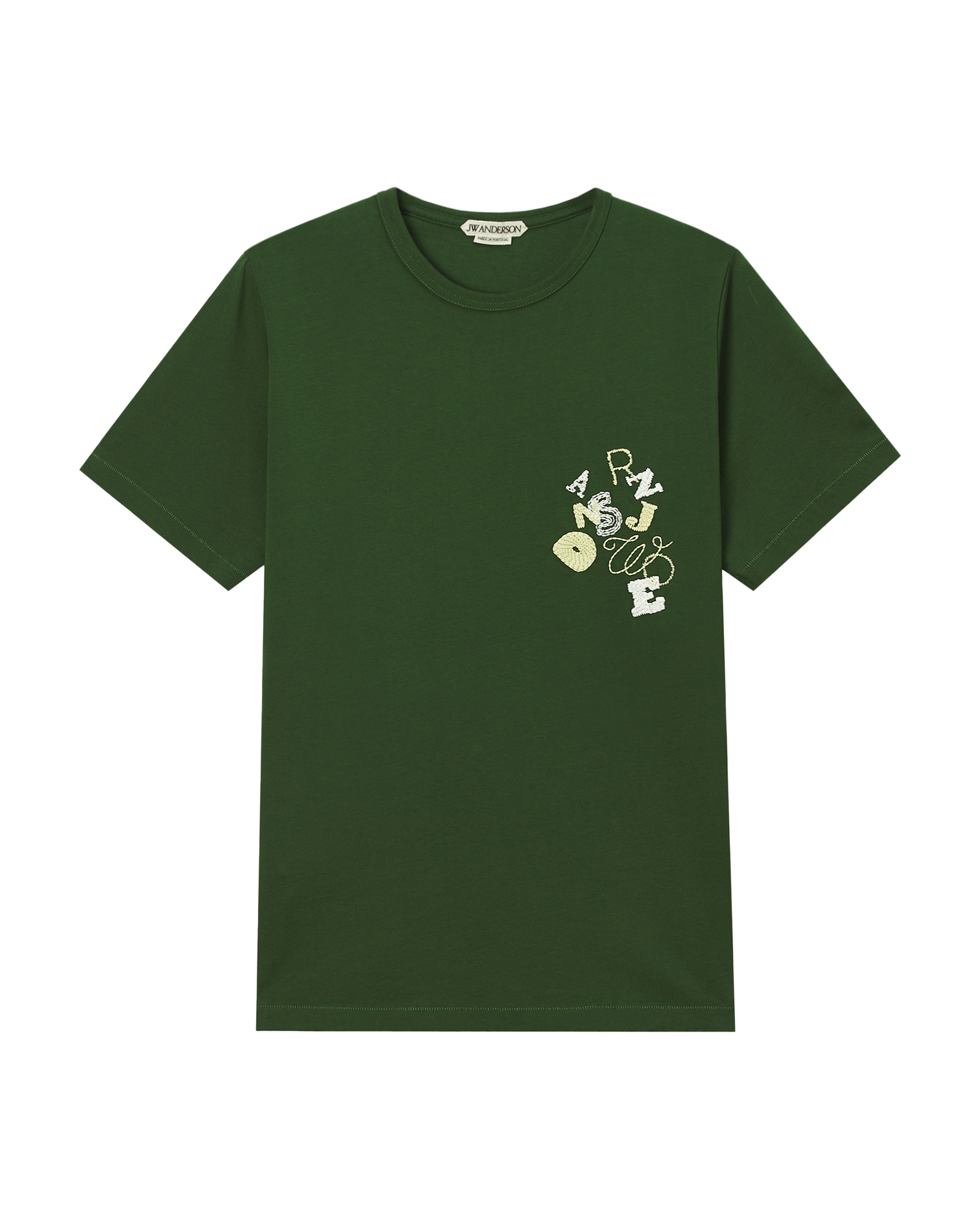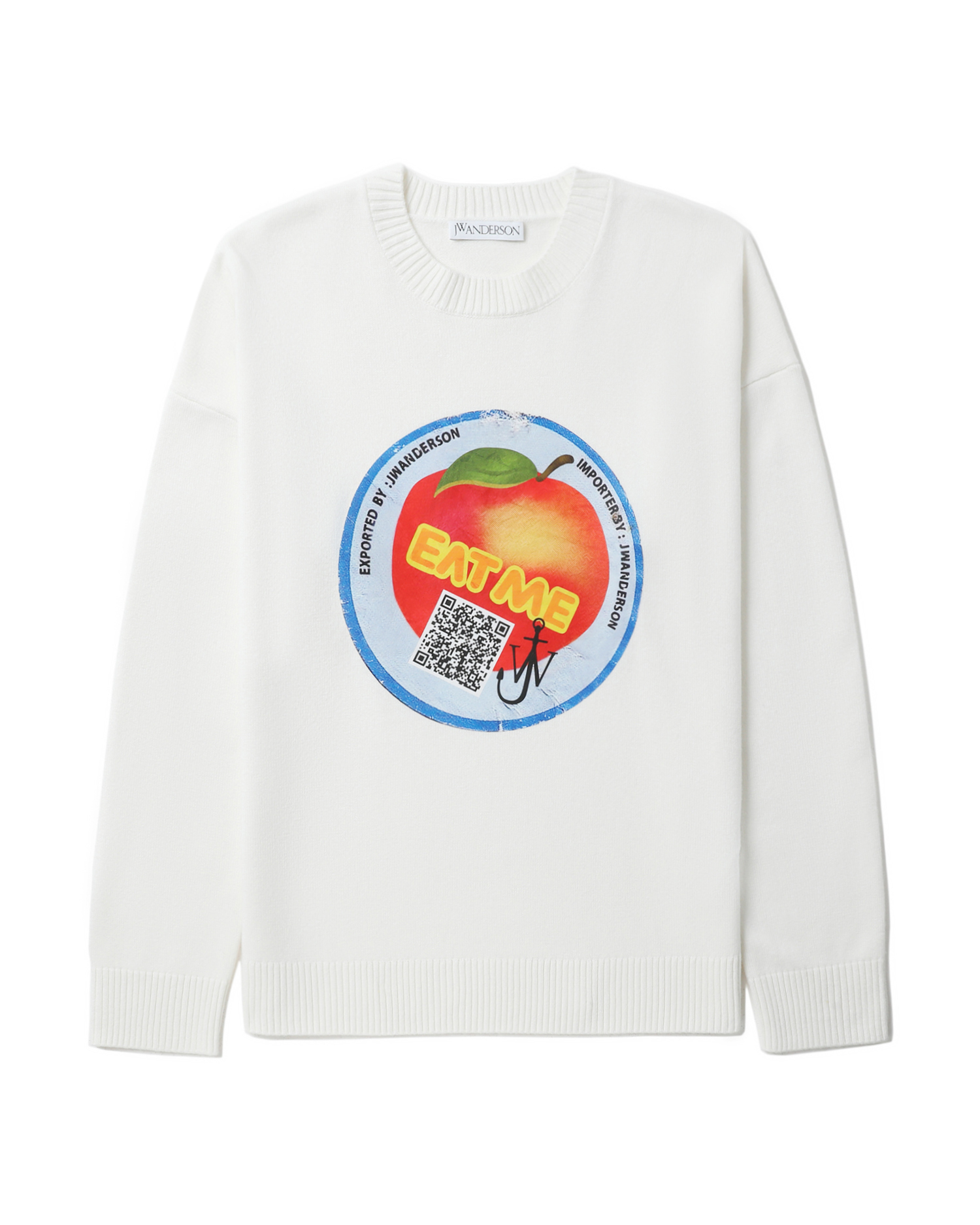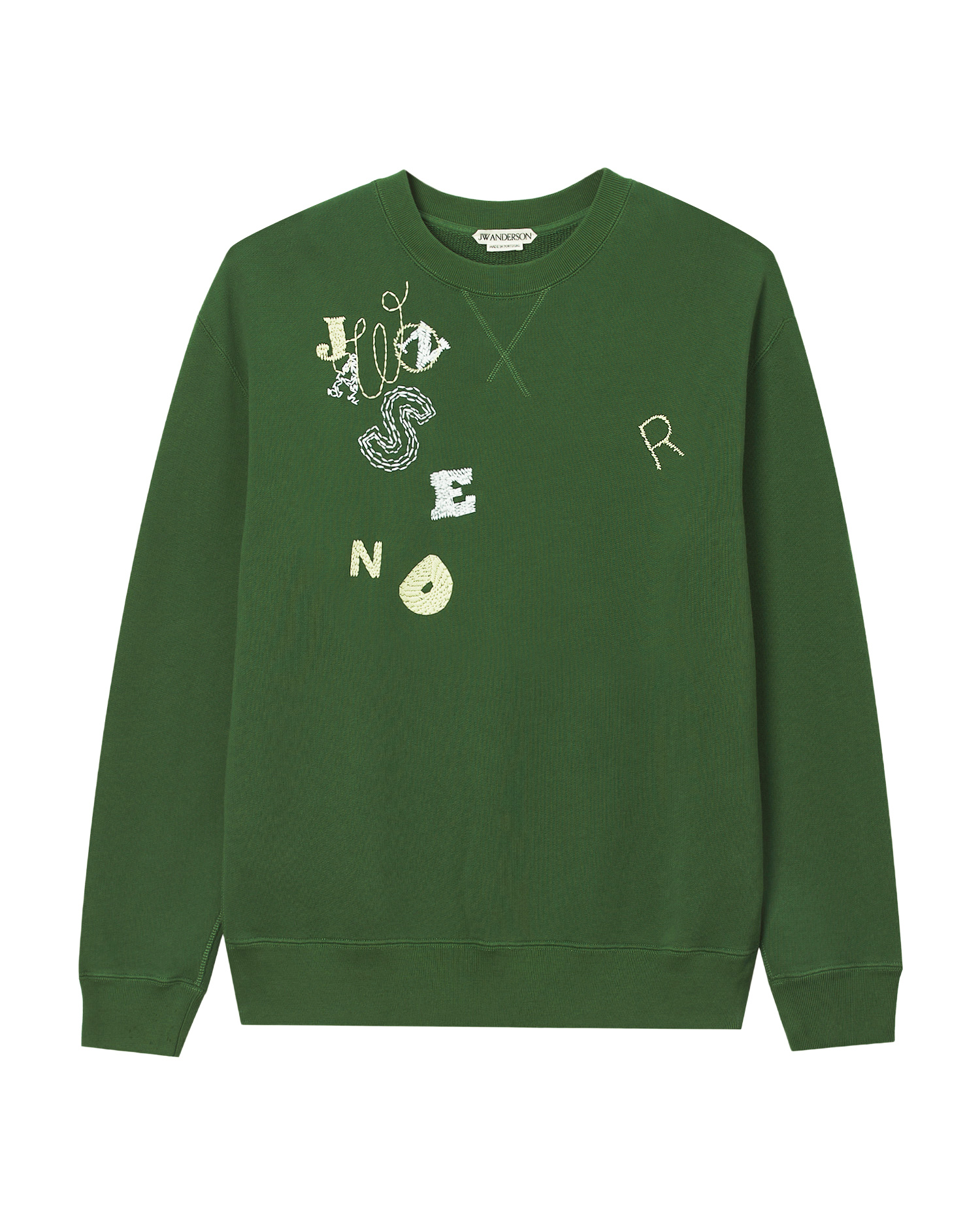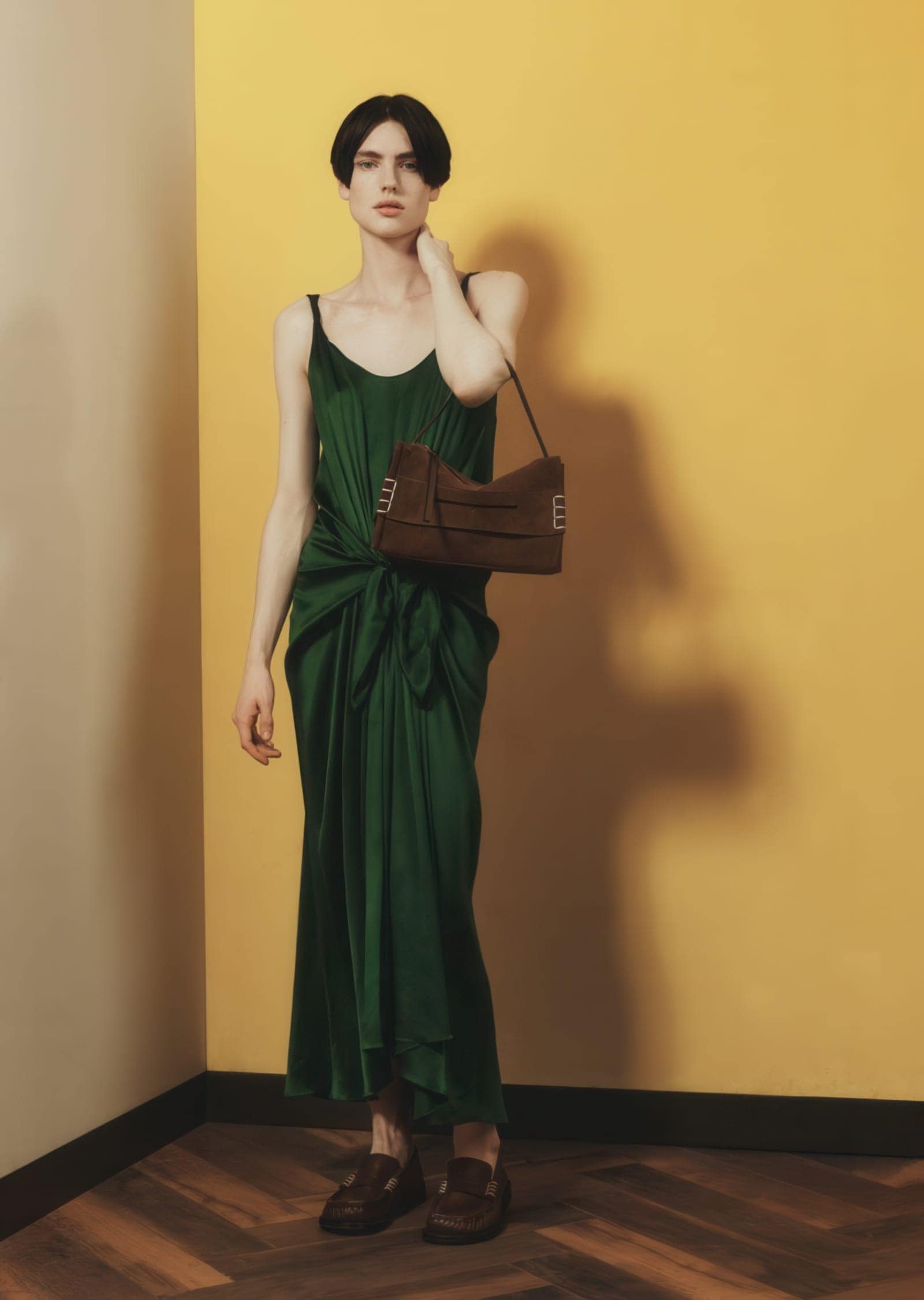
There is a particular strain of English eccentricity that only makes sense when the walls themselves are slightly absurd, and JW Anderson has found its ideal stage. For Holiday 2026, Jonathan Anderson has staged the brand's festive campaign inside Strawberry Hill House, Horace Walpole's eighteenth-century Gothic Revival villa in Twickenham — a building so gloriously theatrical, so committed to its own invented antiquity, that it makes the collection's central proposition feel not like a marketing conceit but an inevitability. The message, as reported across the fashion press this season, is unambiguous: fashion and homeware belong in the same room, and the holiday table is the natural place for both.
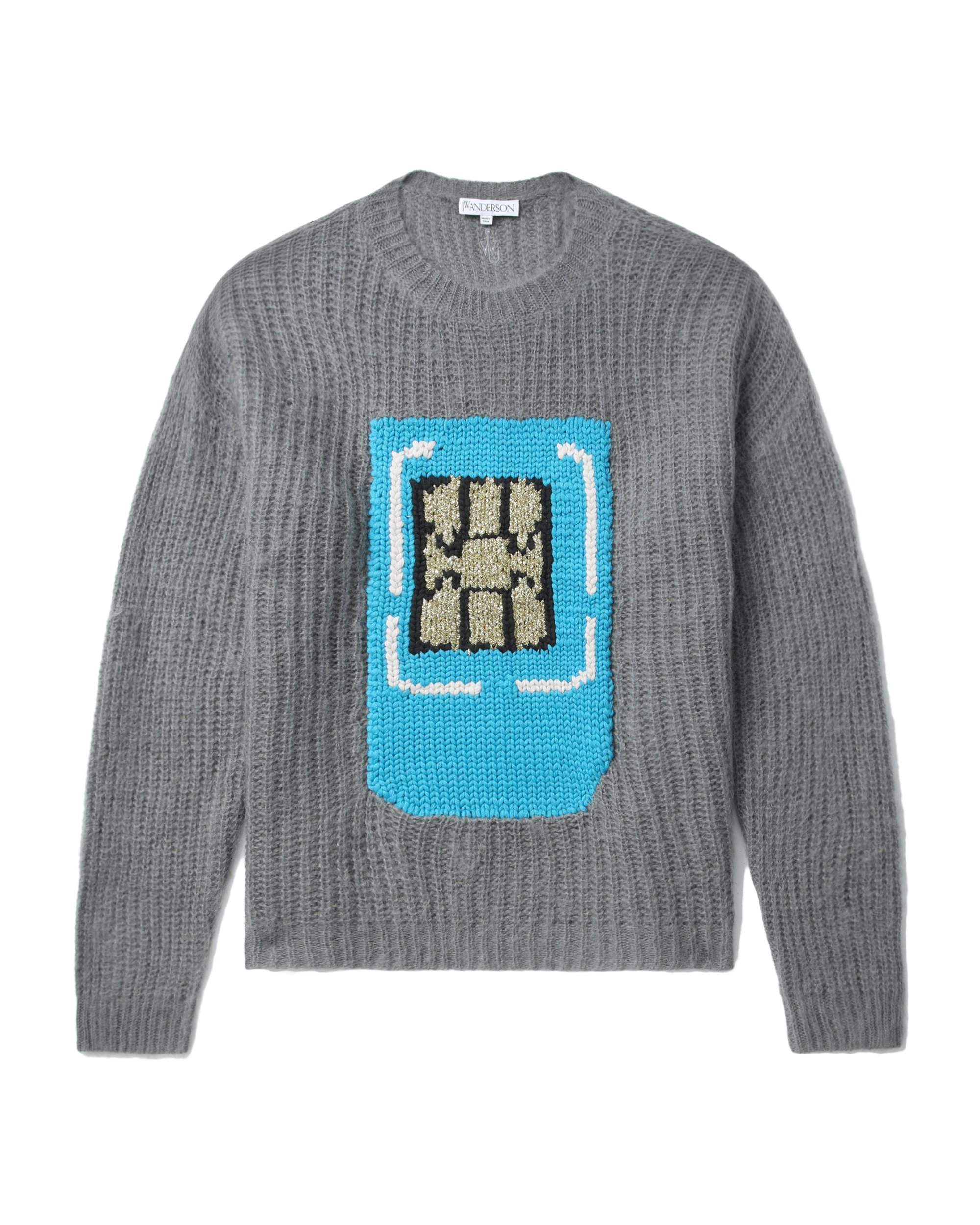
What distinguishes this collection is the way it collapses the boundary between what you wear and what you live among. The Holiday 2026 range places knitwear, outerwear and accessories alongside ceramics, textiles and objets, presented not as separate categories but as a single eclectic proposition — an argument that personal style extends to the mantelpiece. Set against Strawberry Hill's fan-vaulted galleries and papier-mâché ceilings, the pieces take on a deliberate air of whimsy that stops short of costume. This is decoration with wit, not decoration as disguise.
A House Built on Invention
The cultural context here is more pointed than it first appears. Walpole's villa was, in its day, an act of pure invention — a house built to imagine a past that never quite existed, filled with objects chosen for their character rather than their provenance. Anderson's collection operates in the same spirit. In an era when the luxury sector is consumed with heritage verification and logo legibility, JW Anderson's festive edit proposes eclecticism as a form of confidence: the mismatched plate, the sculptural knit, the ornament that earns its place through charm rather than pedigree. It is a quietly subversive position, and it lands precisely because the setting gives it historical cover.
A Year of Living With Design
The timing matters, too. The campaign arrives at the close of a year in which Anderson's reach has been unusually broad — from the recurring Uniqlo collaborations that bring his sensibility to the high street, to the UGG partnership that has made a loafer-soled boot a talking point, to the "A Composition" exhibition staged with The Platinum Card by American Express during Frieze London. Taken together, these projects reveal a designer increasingly interested in how people actually live with design, rather than merely how they display it. Holiday 2026 is the logical culmination: a collection that treats the home as a wardrobe and the wardrobe as a form of interior decoration.
An Invitation, Not a Gate
As for whom this is for — it rewards a specific sensibility. The JW Anderson holiday customer is someone who buys a ceramic pitcher with the same deliberation as a coat, who understands that a festive table can be a considered composition, and who finds the idea of a strictly coordinated Christmas faintly boring. The collection's eclecticism is generous rather than exclusive; it invites participation rather than gatekeeping. In a season saturated with safe, monochrome gifting, that invitation reads as genuinely refreshing.
Why it matters now is simple. The luxury market is in a moment of reassessment, with consumers asking harder questions about what they bring into their homes and their lives. JW Anderson's Holiday 2026 collection answers with an unapologetically playful, deeply English form of eclecticism — one that treats fashion and homeware as a shared language rather than adjacent businesses. Staged within Walpole's glorious folly, it makes the case that good taste has always been a form of imaginative license.