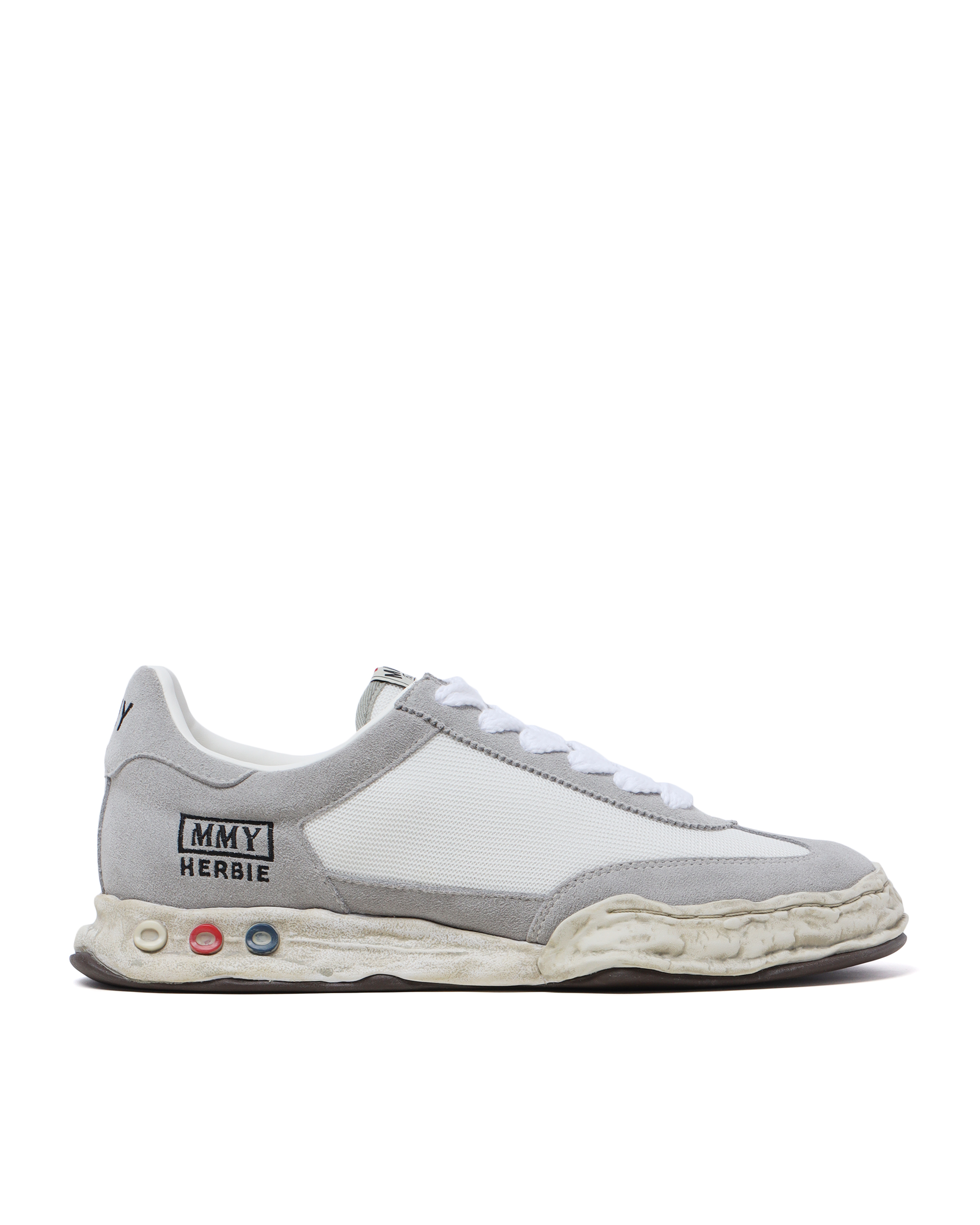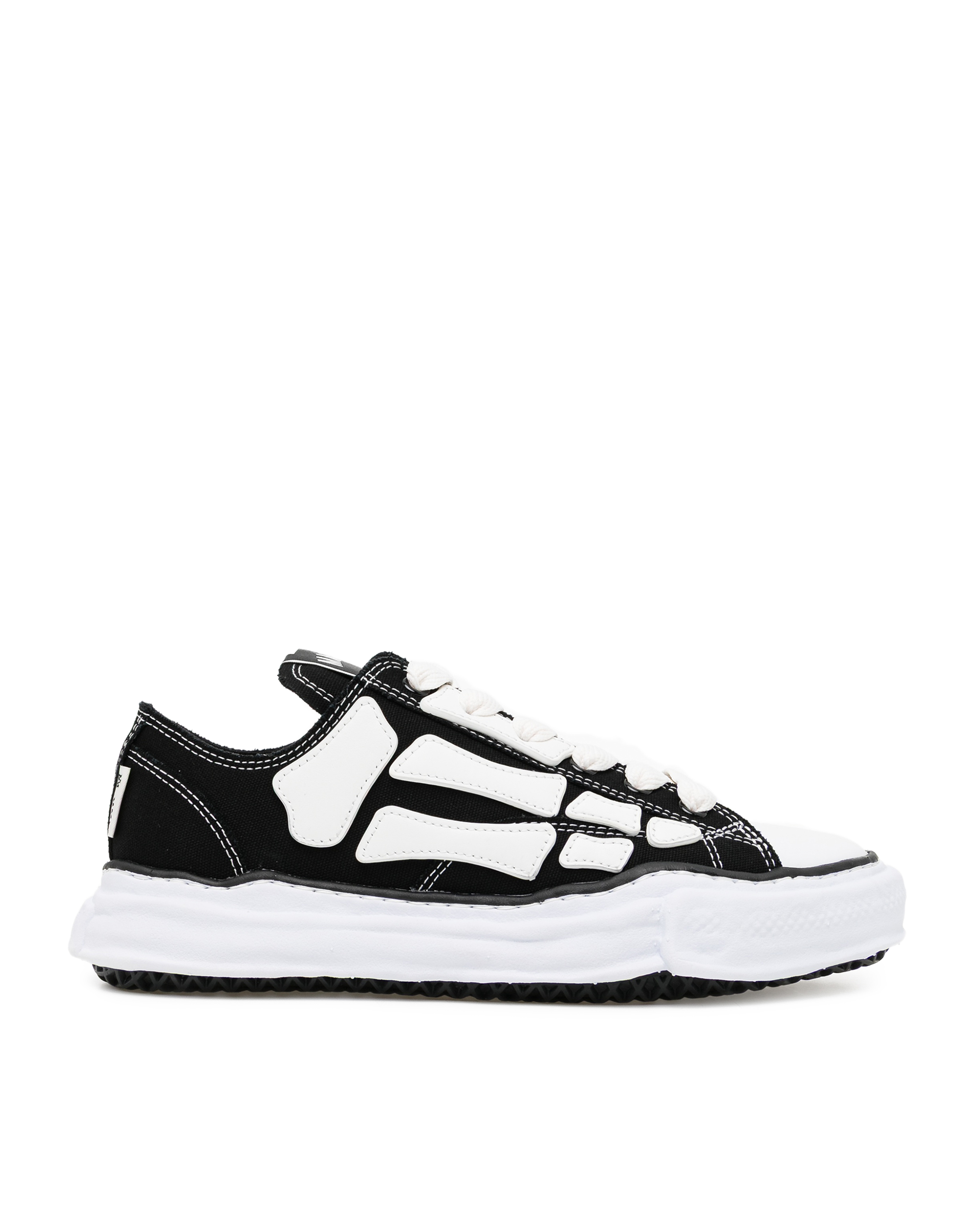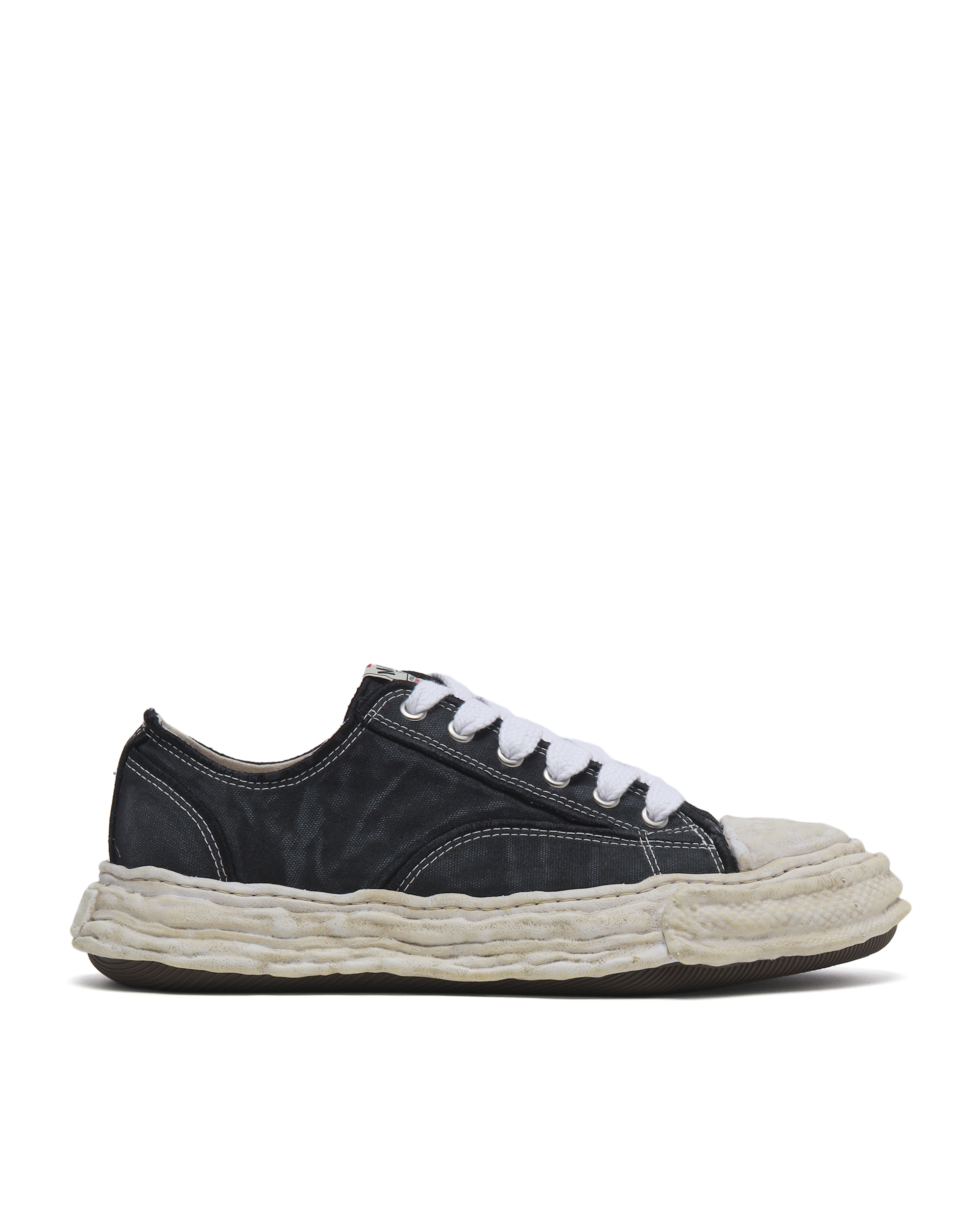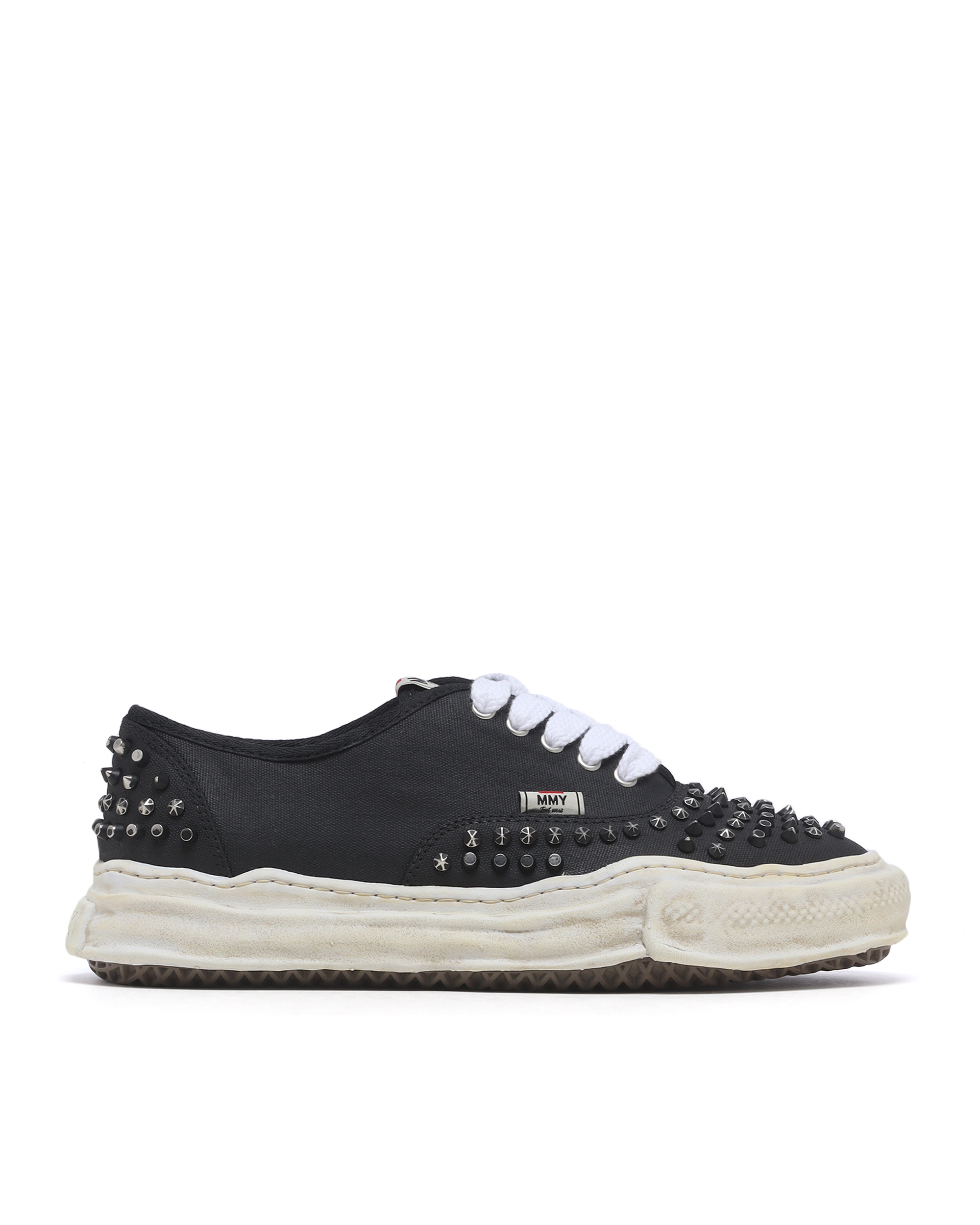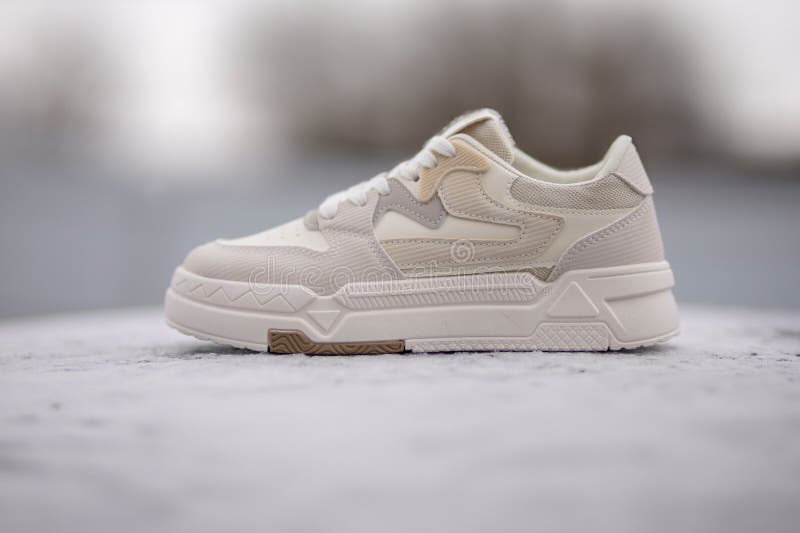
Some collaborations are marketing exercises. You can smell the conference room on them — two logos, one colorway, a release calendar. And then there are collaborations that operate like actual conversations, where each side brings a vocabulary the other doesn't have. The Amiri x Maison MIHARA YASUHIRO "Bones" Sneaker belongs firmly to the second category: a second act between two designers who share more aesthetic DNA than their respective address books might suggest.
Mike Amiri built his Los Angeles label on grunge-adjacent luxury — distressed denim, hand-finished leathers, the romanticized grit of a Sunset Strip that never quite existed. Mihara Yasuhiro, working from Tokyo since the late nineties, built his on controlled deformation: sneakers with soles that look hand-sculpted and then left slightly out in the sun, garments cut to suggest decay as a form of elegance. Put those two sensibilities on the same last and you get something that shouldn't work. It does.
The Upper Is Amiri. The Sole Is Mihara. The Seam Is the Point.
The "Bones" takes its name from the exposed skeletal structure of its design language — not literal bones, but the way the shoe's components seem stripped to their load-bearing elements. Amiri's contribution is legible from the ankle up: premium leathers, a restrained palette leaning into deep blues and off-whites, the kind of material selection that signals price bracket before you've even registered the branding.
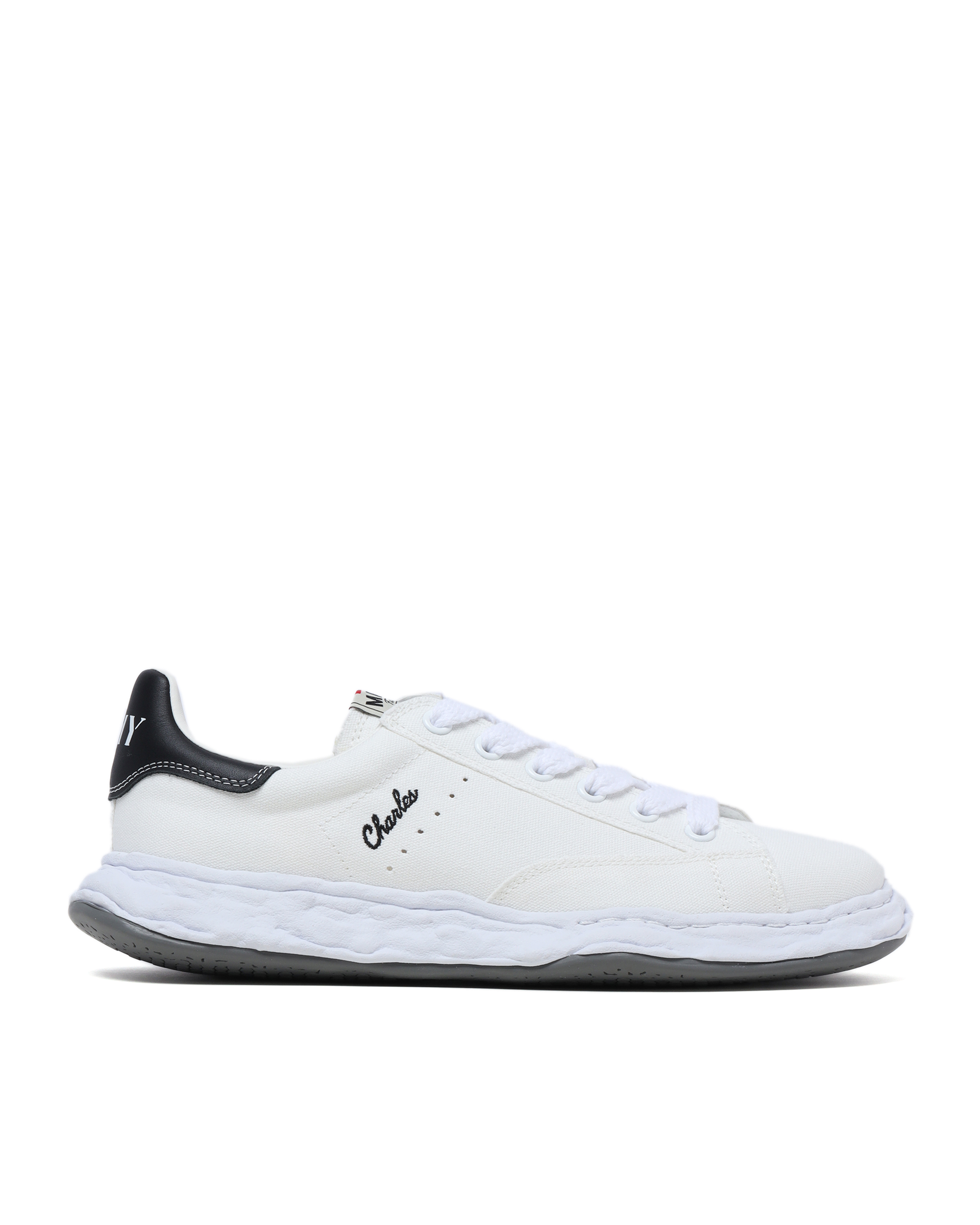
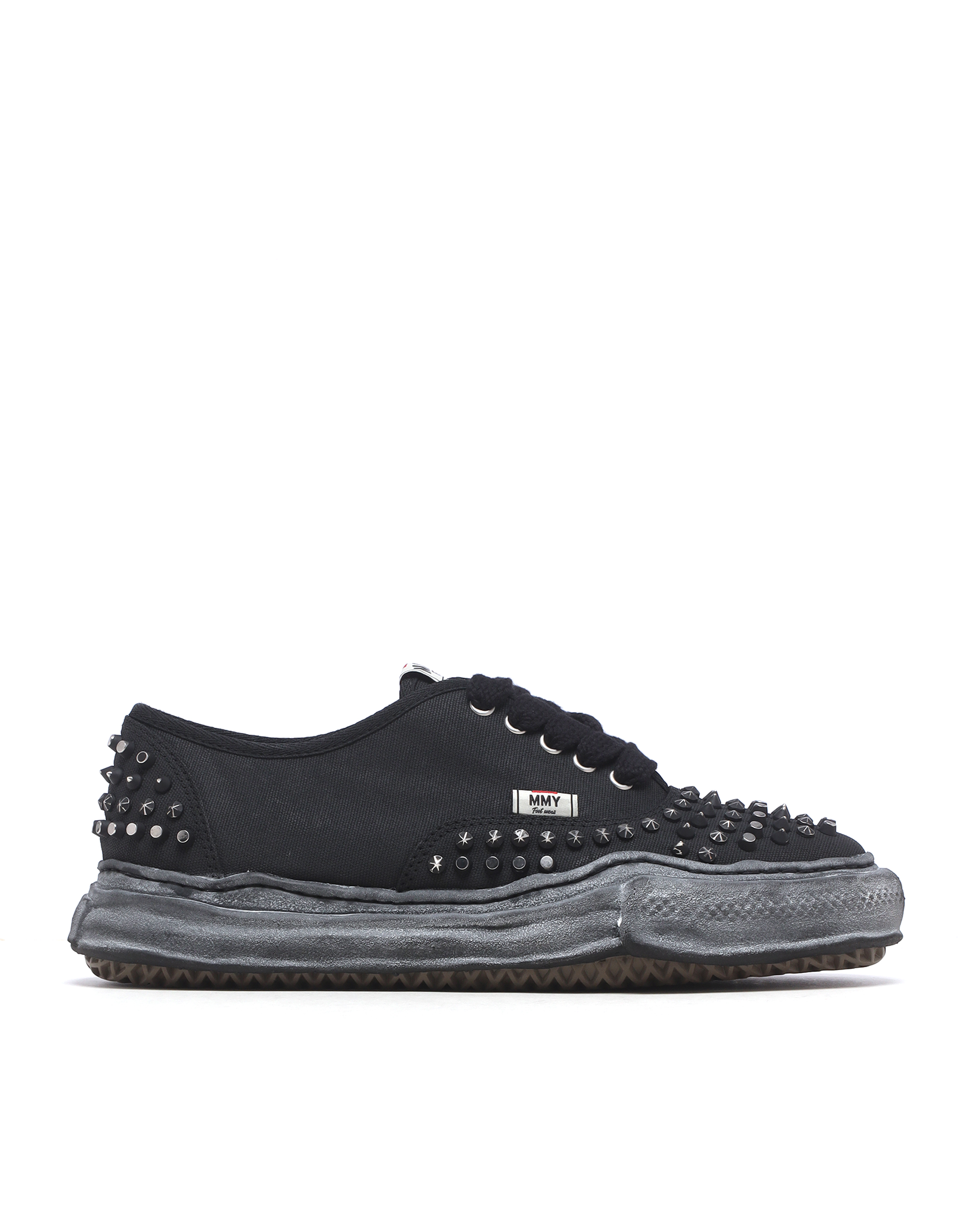
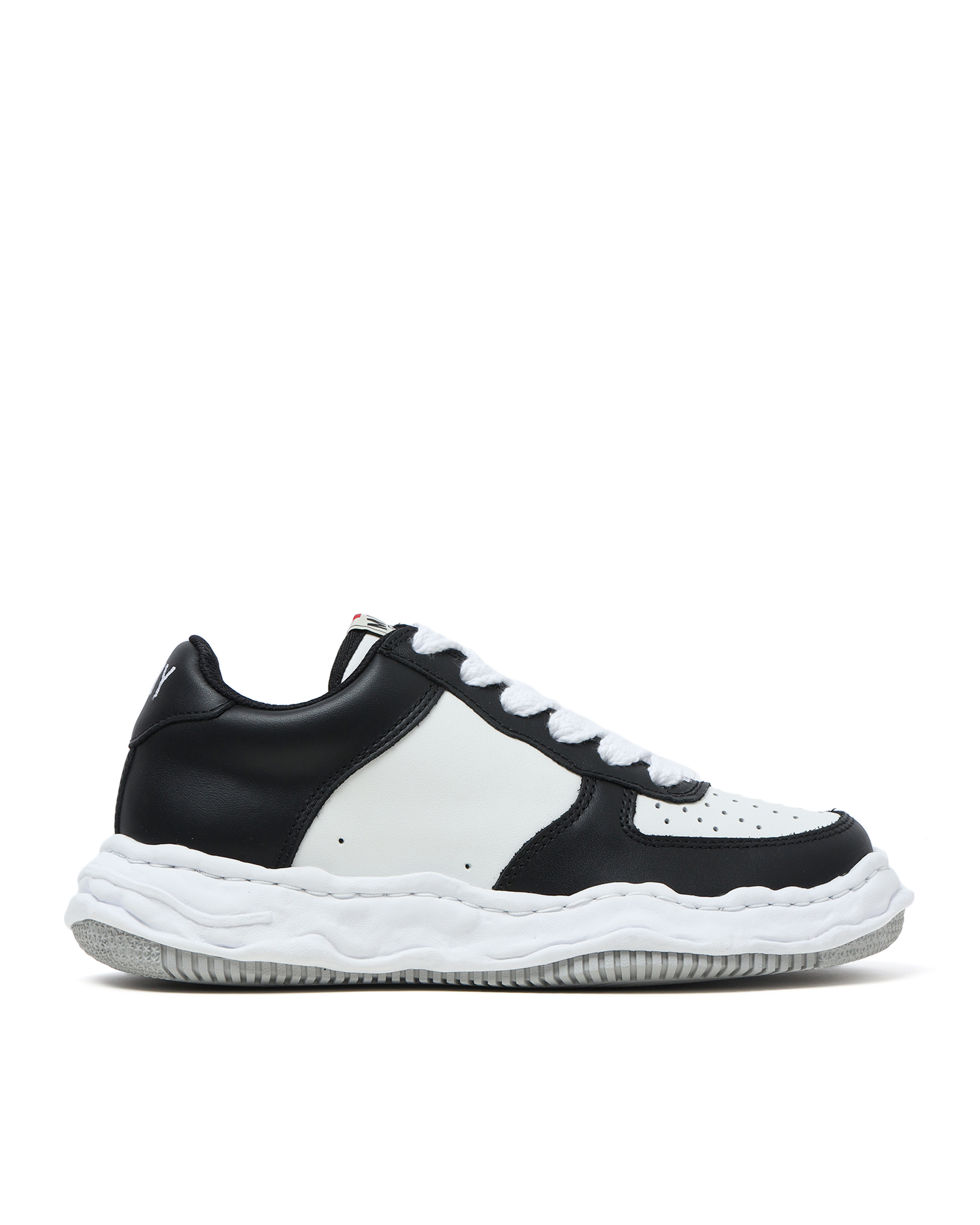
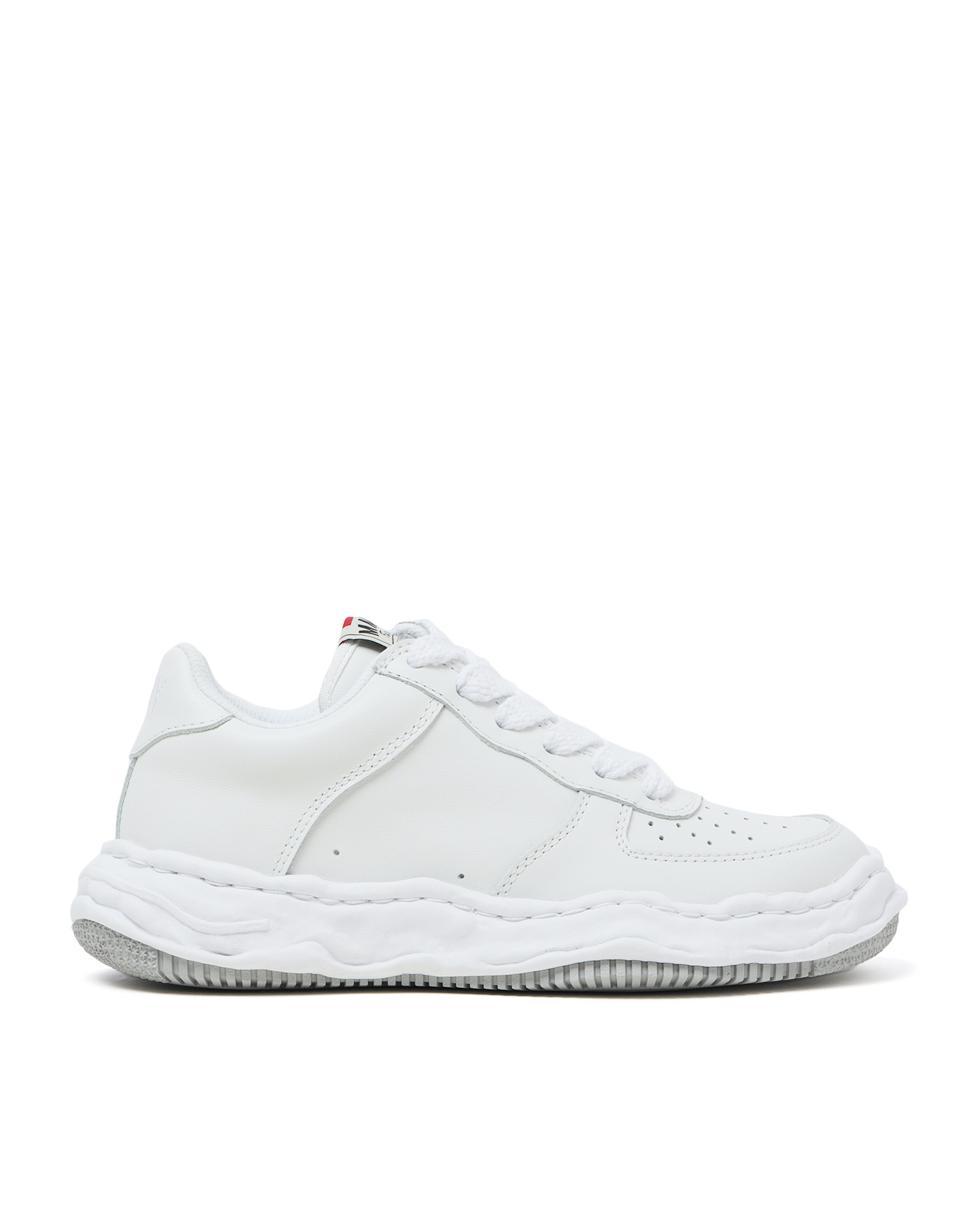
Mihara's contribution lives below. The distorted sole — that signature warped midsole, the most recognizable silhouette in his footwear output — is not distressed for effect. It is *constructed* strangely, molded to look as though it has already lived a life, already been worn through a season you missed. British GQ recently noted the shape is on the verge of ubiquity. On this shoe, it reads less like a trend and more like a foundation.
What makes this second installment more interesting than the first is the confidence of the fusion. Early collabs between luxury houses and Japanese conceptual labels often hedge — one side's codes softened to accommodate the other's. Here, neither brand blinks. The Bones reads as Amiri from the ankle up and as MIHARA YASUHIRO from the ground down, and the seam between them is the whole idea.
A Brand in Deliberate Expansion
The timing is not incidental. Maison MIHARA YASUHIRO has spent the past several seasons expanding beyond the cult audience that first embraced the distorted sole. Spring 2027, presented under the title "ENDLESS SUMMER," pushed the label's nostalgic register further into focus, while the Fall 2026 menswear collection continued Mihara's exploration of garment-as-memory. Add a collaboration with Topologie on modular carry design, the opening of the Jingumae building in Tokyo, and a runway schedule that now draws the full attention of Vogue and WWD, and you have a brand in a phase of deliberate, controlled expansion.
Amiri, meanwhile, has been quietly building out its own footwear universe. The partnership with Mihara gives it access to a design vocabulary — distortion, asymmetry, the beauty of the imperfect — that sits outside the usual luxury sneaker playbook. That vocabulary is not decoration. It's a way of thinking about form that Los Angeles luxury, for all its romance, rarely allows itself.
Who It's Actually For
Not the collector chasing a single grail. Not the customer who buys a sneaker because a celebrity wore it once. The Bones is for the person who already understands why a warped sole can be more luxurious than a pristine one, who reads material quality and silhouette together rather than separately. Someone who wants a shoe that looks like it was designed by two people who respect each other rather than two marketing departments who agreed on a colorway. Someone, in other words, with opinions about footwear — and the appetite to defend them.
Why It Matters Now
The luxury sneaker market has spent several years converging on a narrow idea of what a premium shoe looks like: clean, minimal, referential. The Bones rejects that convergence outright. It is a reminder that the most interesting things happening in footwear right now are happening at the edges — where a Los Angeles label with a taste for rock-and-roll romance meets a Tokyo designer who has spent three decades proving that imperfection, properly engineered, is the highest form of craft.
That is the philosophy underneath the shoe, and it is the reason the Bones doesn't resolve into a compromise between two houses. It becomes a third thing entirely — strange, deliberate, and worth the distortion.