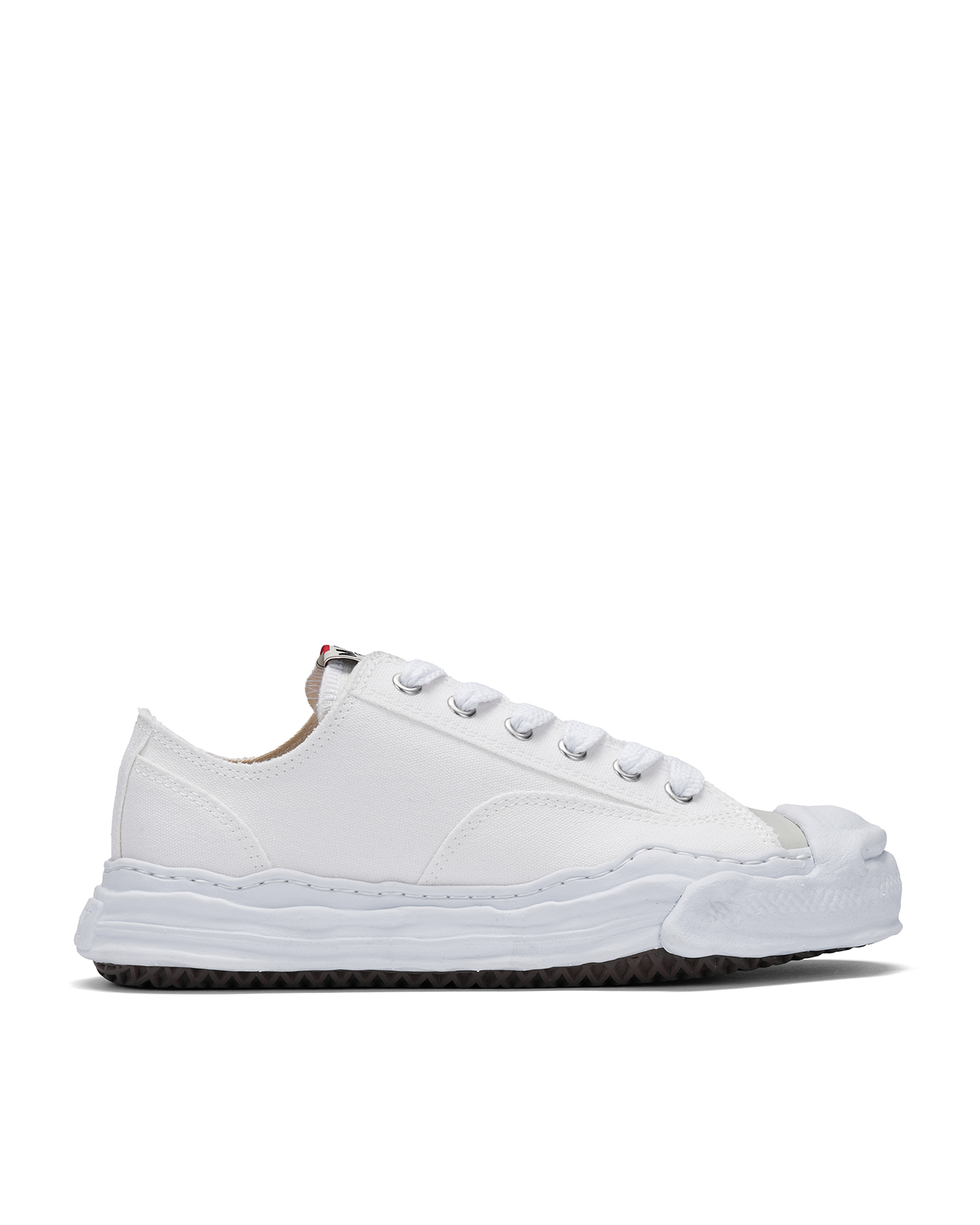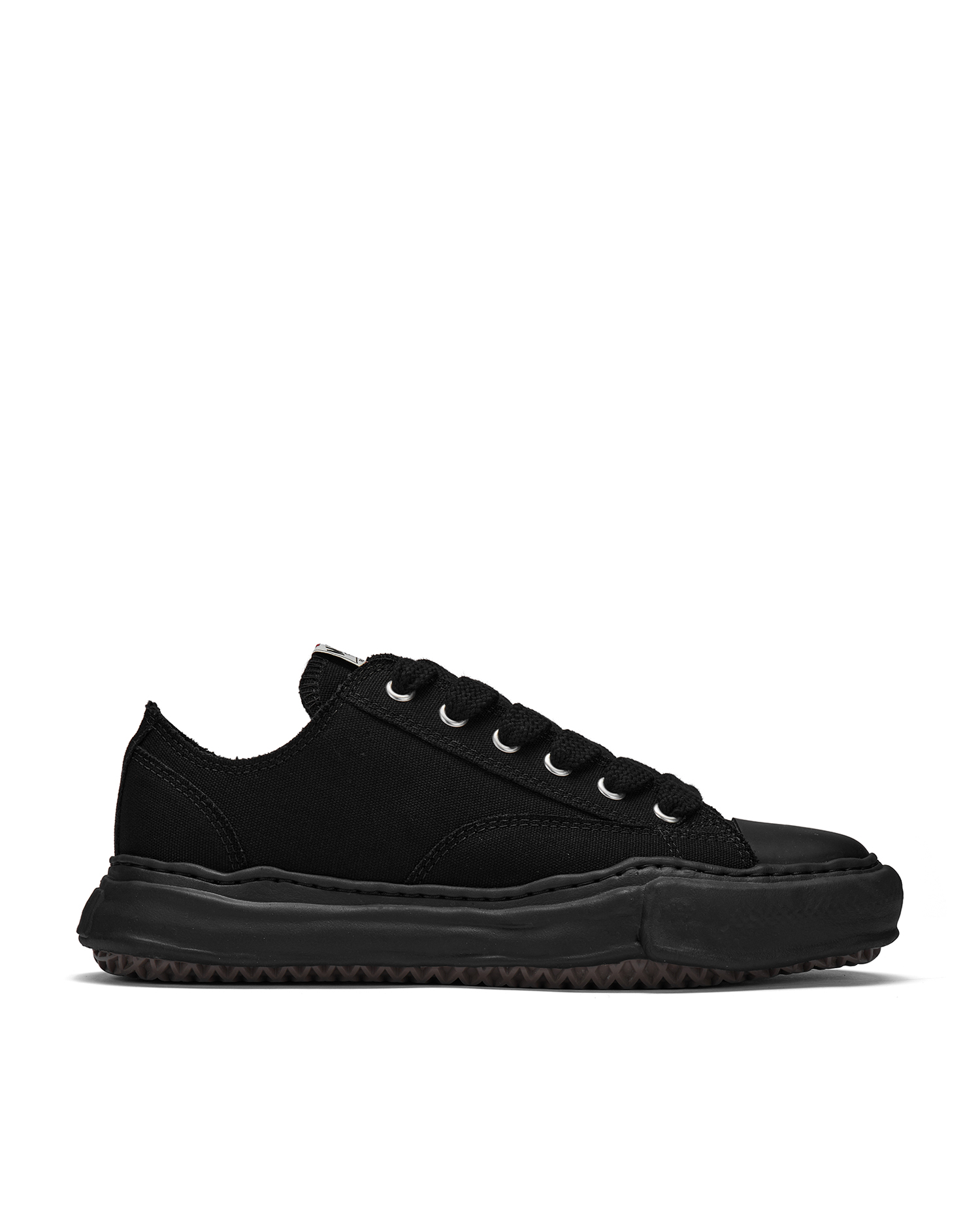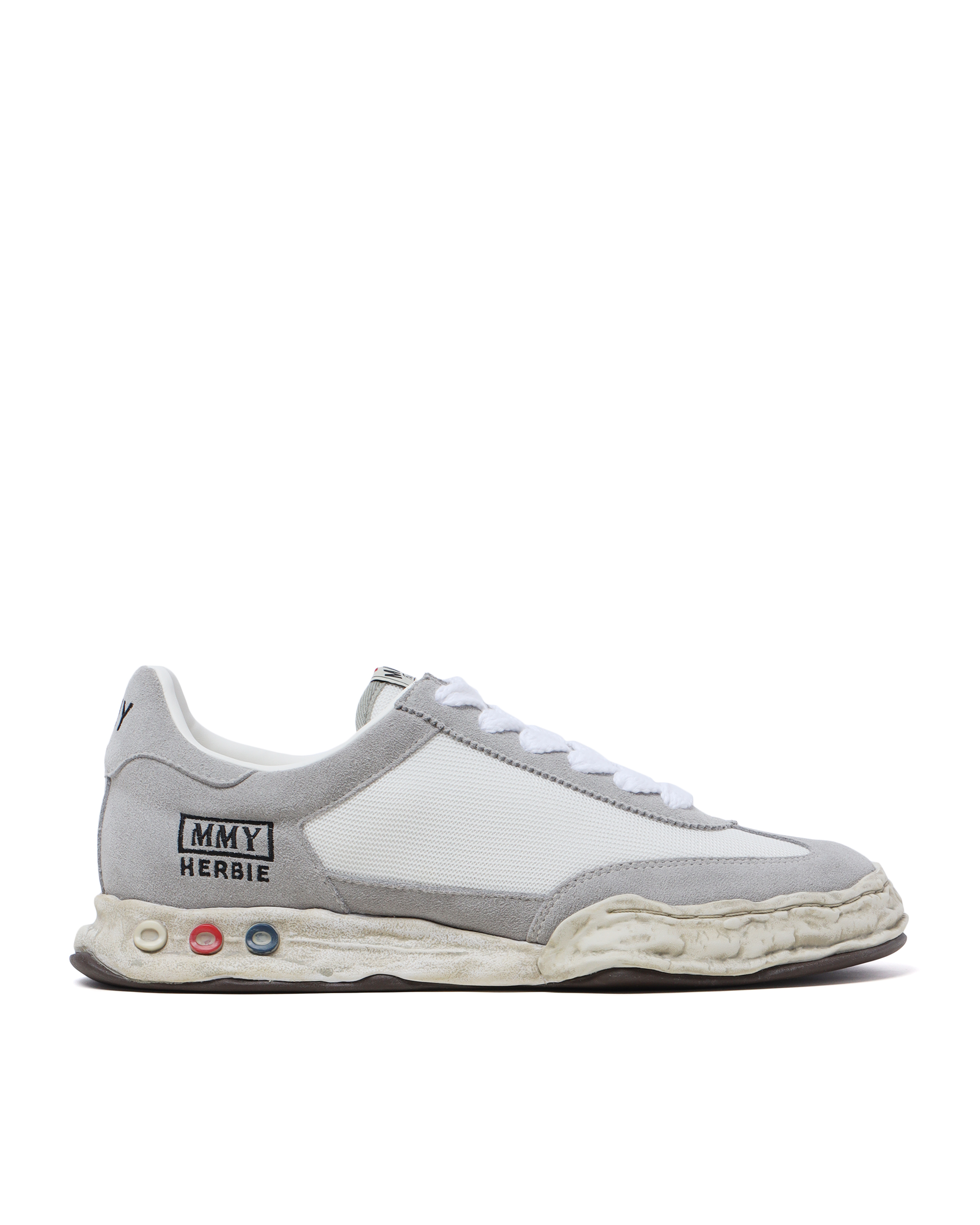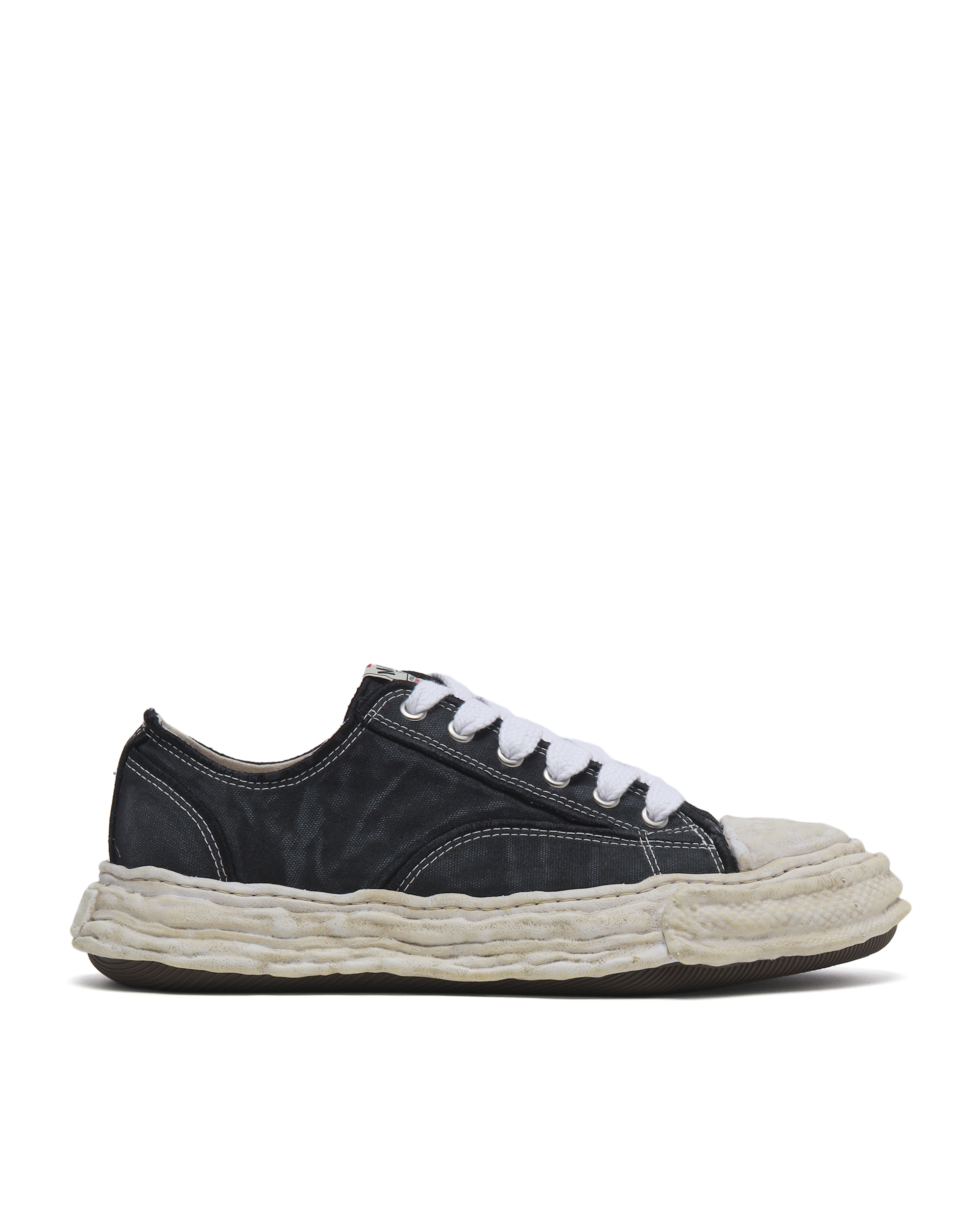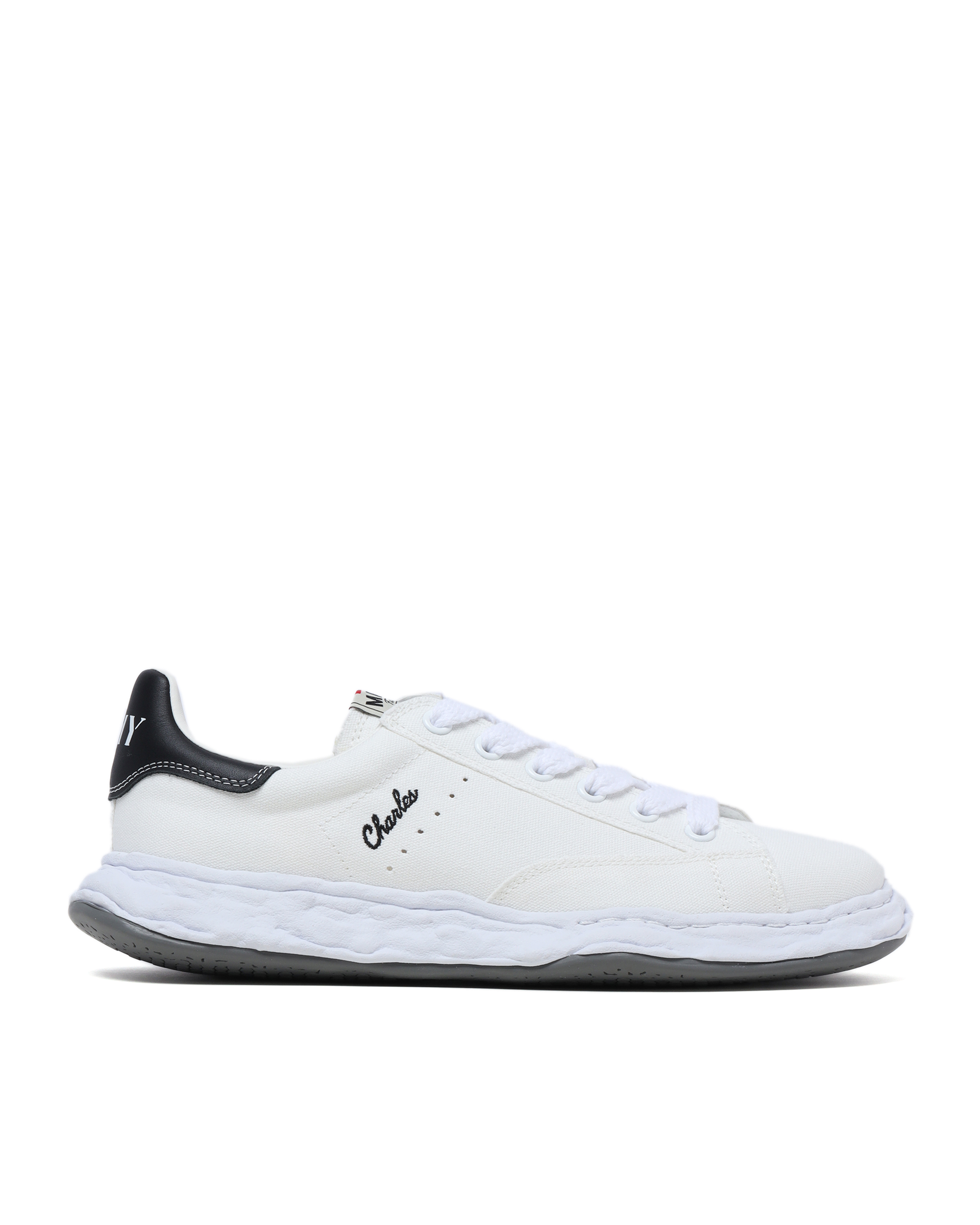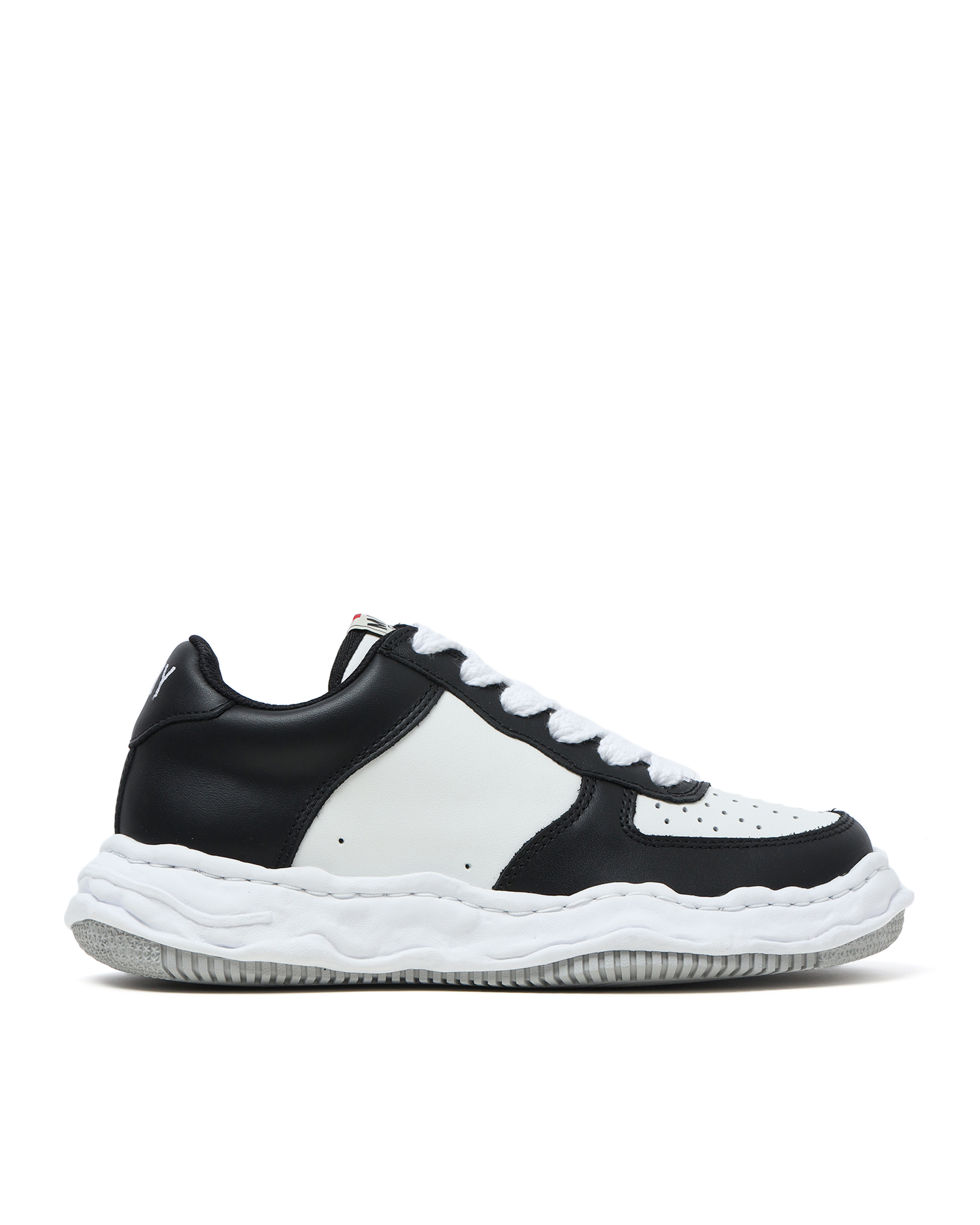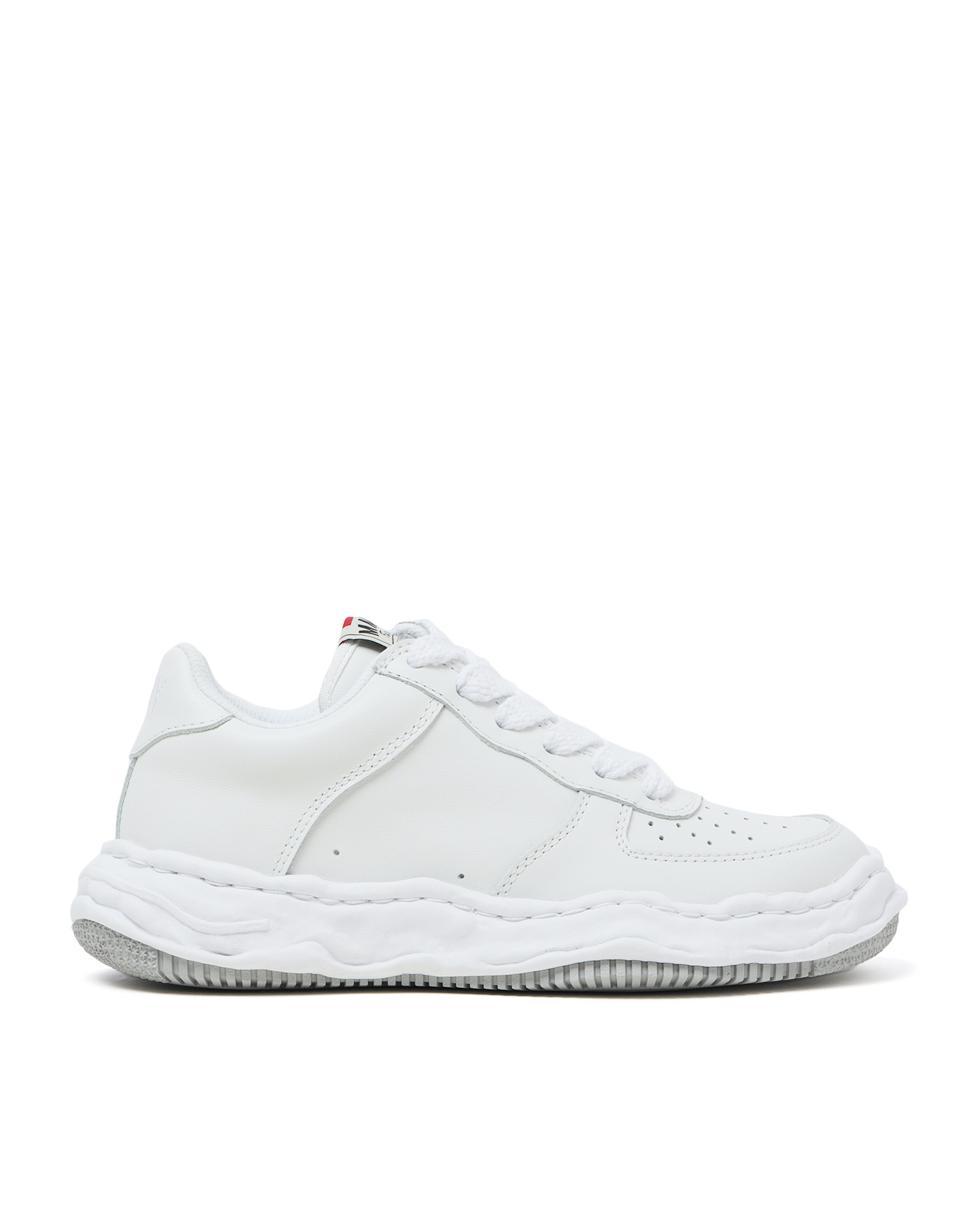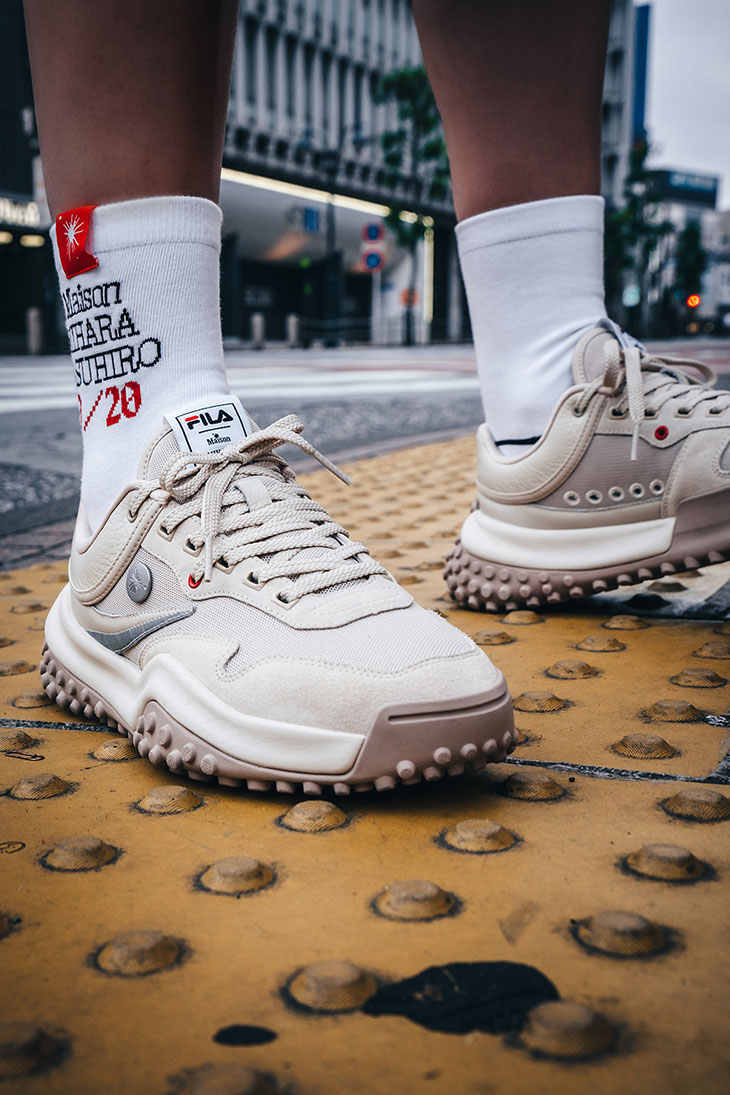
For over two decades, Maison MIHARA YASUHIRO has operated on a singular, unwavering logic: imperfection is not a flaw to be corrected, but a language to be spoken fluently. The Japanese designer’s signature “wonky” soles—those deliberately misshapen, almost melted-looking rubber foundations—were never a gimmick. They were a philosophical statement, a quiet rebellion against the sterile precision that dominates contemporary footwear. Now, as the brand enters what appears to be its most conceptually ambitious chapter yet, that same subversive spirit is being channeled into a new arena: utility itself. The recent unveiling of the Maison MIHARA YASUHIRO x Toplogie “BeginAgain” capsule signals a profound evolution, transforming the label’s surrealist motifs into modular carry hardware, and in doing so, redefining what functional fashion can mean in 2026.
From Melted Soles to Modular Carry
The collaboration with Toplogie, a Japanese accessories label known for its architectural approach to bags, is not a mere licensing exercise. It is a dialogue between two houses that share a reverence for material honesty and structural experimentation. The capsule’s pieces—bags and pouches that feature interchangeable, modular components—take the maison’s visual vocabulary of distortion and displacement and translate it into three-dimensional, interactive objects. Where the sneakers’ soles appear to melt under the weight of gravity, these accessories seem to reconfigure themselves in response to the wearer’s needs.
This is utility as surrealism: the familiar functions of a bag—opening, closing, carrying, securing—are deconstructed and reassembled in ways that feel both intuitive and delightfully alien. The hardware is not decorative; it is the very point of the object, a functional sculpture that invites the user to participate in its logic. You don't just carry these pieces; you negotiate with them, adjusting straps and swapping components until the object feels like an extension of your own rhythm.
The Wearable Archaeology of the Wonky Sole
This pivot toward modularity feels like a natural progression for a designer who has always treated the human body as a site for playful intervention. The PARKER OG Sole and BAKER OG Sole sneakers, with their shaved leather uppers and distorted outsoles, have long suggested a kind of wearable archaeology—shoes that look as though they have been excavated from a future where form has triumphed over convention. The new collection, showcased in the Spring 2027 presentations covered extensively by Vogue and WWD, builds on this foundation with a more pronounced emphasis on layering, drape, and the tension between the refined and the raw.
The runway images reveal a designer in full command of his surrealist instincts, pairing oversized, deconstructed tailoring with footwear that appears to have been sculpted from a single, fluid mass of rubber. It is a vision of clothing that refuses to sit still, garments that seem to be in a constant state of becoming rather than being. The tactile quality is unmistakable: you can almost feel the grain of the shaved leather, the weight of the dense rubber, the way a jacket might pool and drape against the body like liquid shadow.
A Physical Home for the Brand's Expanding Universe
The opening of the new Maison MIHARA YASUHIRO Jingumae building in Tokyo adds another layer to this narrative, providing a physical home for the brand’s expanding universe. This is not merely a retail space; it is a gallery, a laboratory, and a sanctuary for the maison’s growing community of devotees. In an era where fashion is increasingly consumed through screens, the Jingumae building offers a tangible, immersive experience of Mihara Yasuhiro’s world.
Visitors can trace the evolution of the wonky sole from its earliest iterations to its latest incarnations, and now, they can interact with the modular hardware that represents the brand’s forward trajectory. The space itself, with its raw concrete and asymmetrical lines, mirrors the design philosophy within: nothing is forced into perfect alignment, and the beauty lies in the honest expression of materials and construction. It feels less like a store and more like a walk-through manifesto.
Beyond the Hype
As British GQ recently noted, these wonky Japanese sneakers are “about to be everywhere,” and the mainstreaming of the aesthetic is a testament to the brand’s enduring relevance. But to reduce Maison MIHARA YASUHIRO to a trend is to miss the deeper significance of its current era. The move into modular utility hardware, alongside the continued exploration of surrealist forms in ready-to-wear, represents a maturing of the maison’s vision. It is no longer enough to make objects that look interesting; the new work insists that they must also function in surprising, empowering ways.
The hardware is designed to be manipulated, the bags to be reconfigured, and the sneakers to be worn into a state of personal, imperfect perfection. This is the essence of the maison’s contemporary surrealism: a belief that the most profound utility is found not in conformity, but in the joyful, deliberate embrace of the askew. In a fashion landscape obsessed with polish and predictability, Mihara Yasuhiro remains a vital counterpoint—proof that the most compelling design is the kind that refuses to straighten up.