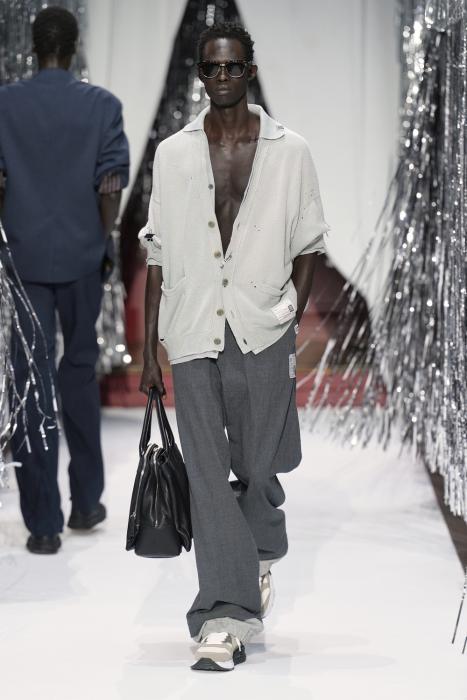
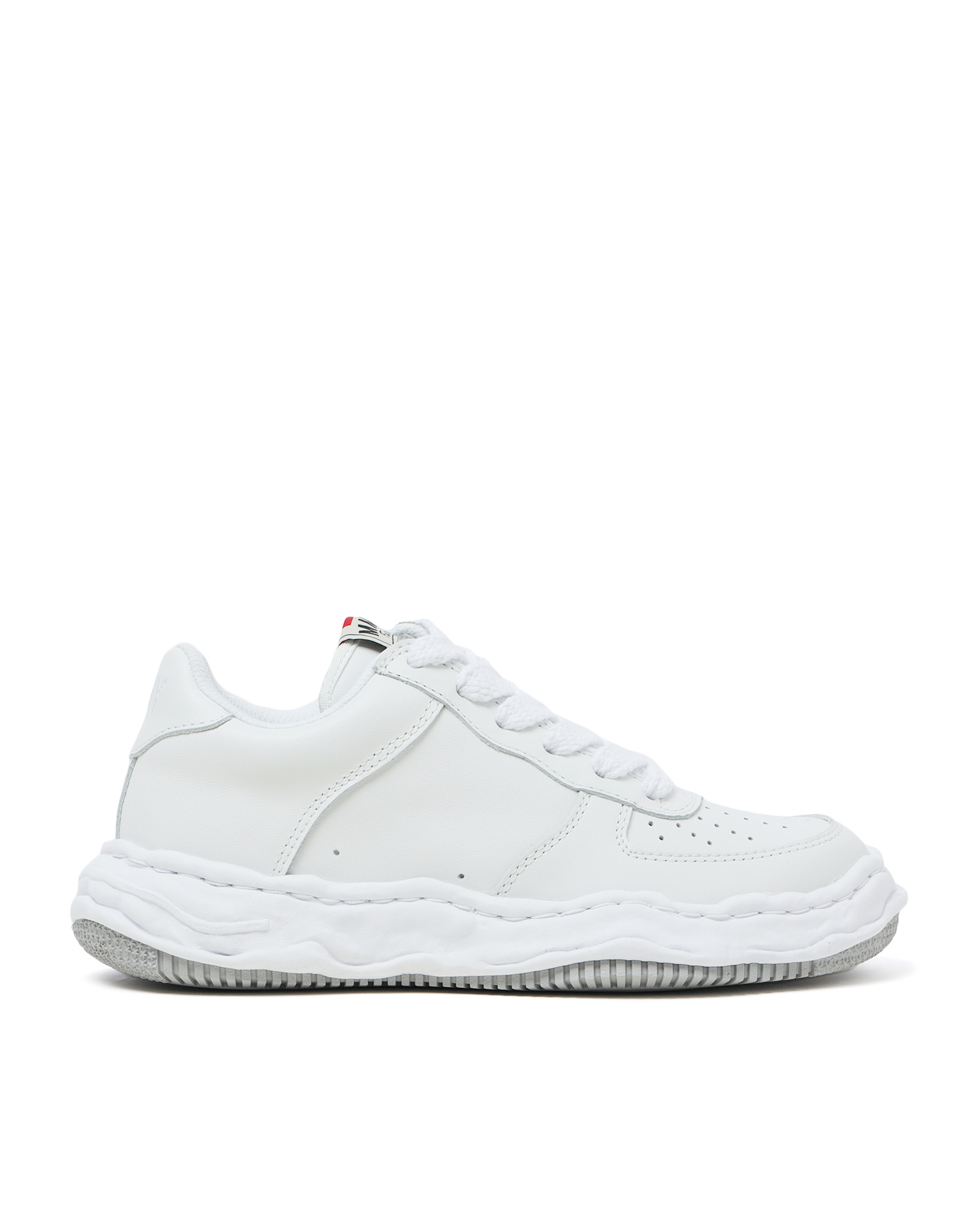
Few designers understand the poetry of imperfection quite like Yasuhiro Mihara, and with the Maison MIHARA YASUHIRO Spring 2027 "Summer Laze" collection, the Tokyo-based auteur has distilled his singular philosophy into its most languid, sun-soaked expression yet. Fresh off the dual spotlight of Vogue and WWD—both of whom singled out the collection's relaxed, sun-worn tailoring for next season—"Summer Laze" arrives as a quiet rebuke to the rigid, over-engineered menswear that has dominated recent runways. This is clothing that breathes, that slouches, that seems to have already lived a summer before you've even slipped it on.
The collection's genius lies in its deliberate softening of the sartorial codes Mihara has spent decades deconstructing. Where his Fall 2026 outing—the introspective "Layered Meaning" that Hypebeast and WWD both championed—leaned into cerebral, stacked silhouettes, "Summer Laze" strips the architecture back to its most humane proportions.
The Architecture of Ease
Jackets are unlined and unstructured, their shoulders dropped into an easy, almost apologetic slope. Trousers pool at the ankle with the studied nonchalance of a man who has nowhere to be. The palette reads like a faded postcard: sun-bleached ecru, washed indigo, dusty terracotta, the pale green of a shaded veranda. These are clothes that look like memory—garments with the patina of a life already in progress.
Craft in the Service of Looseness
What distinguishes Mihara's vision from the broader drift toward relaxed tailoring is his refusal to abandon craft in the pursuit of ease. The "Summer Laze" collection is built on the house's signature vocabulary of distortion and reinvention: raw-edged seams that fray with intention, asymmetric closures that skew the familiar, and fabrics—crumpled linen, garment-dyed cotton, paper-thin wool—treated to feel as though they've weathered a thousand afternoons.
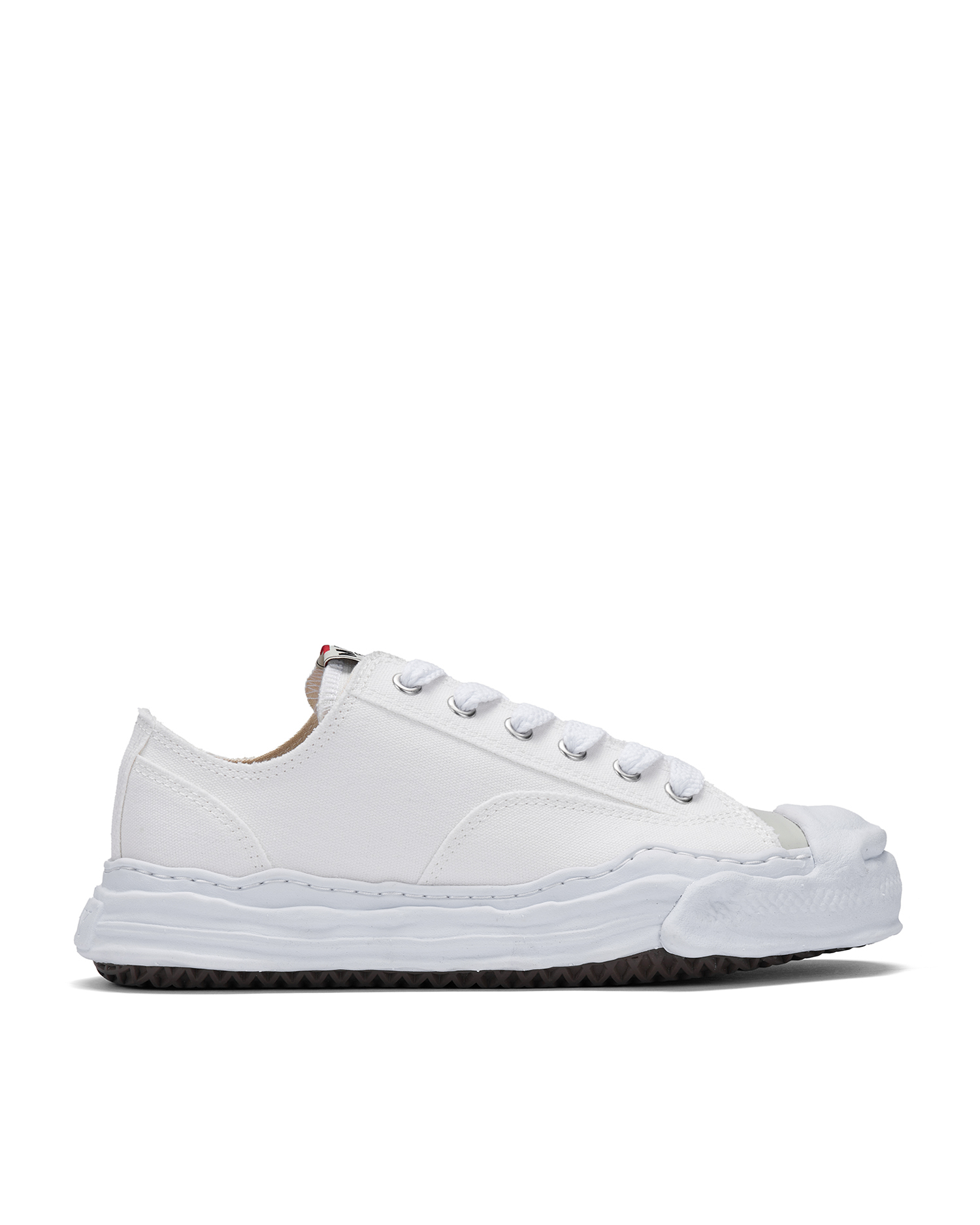
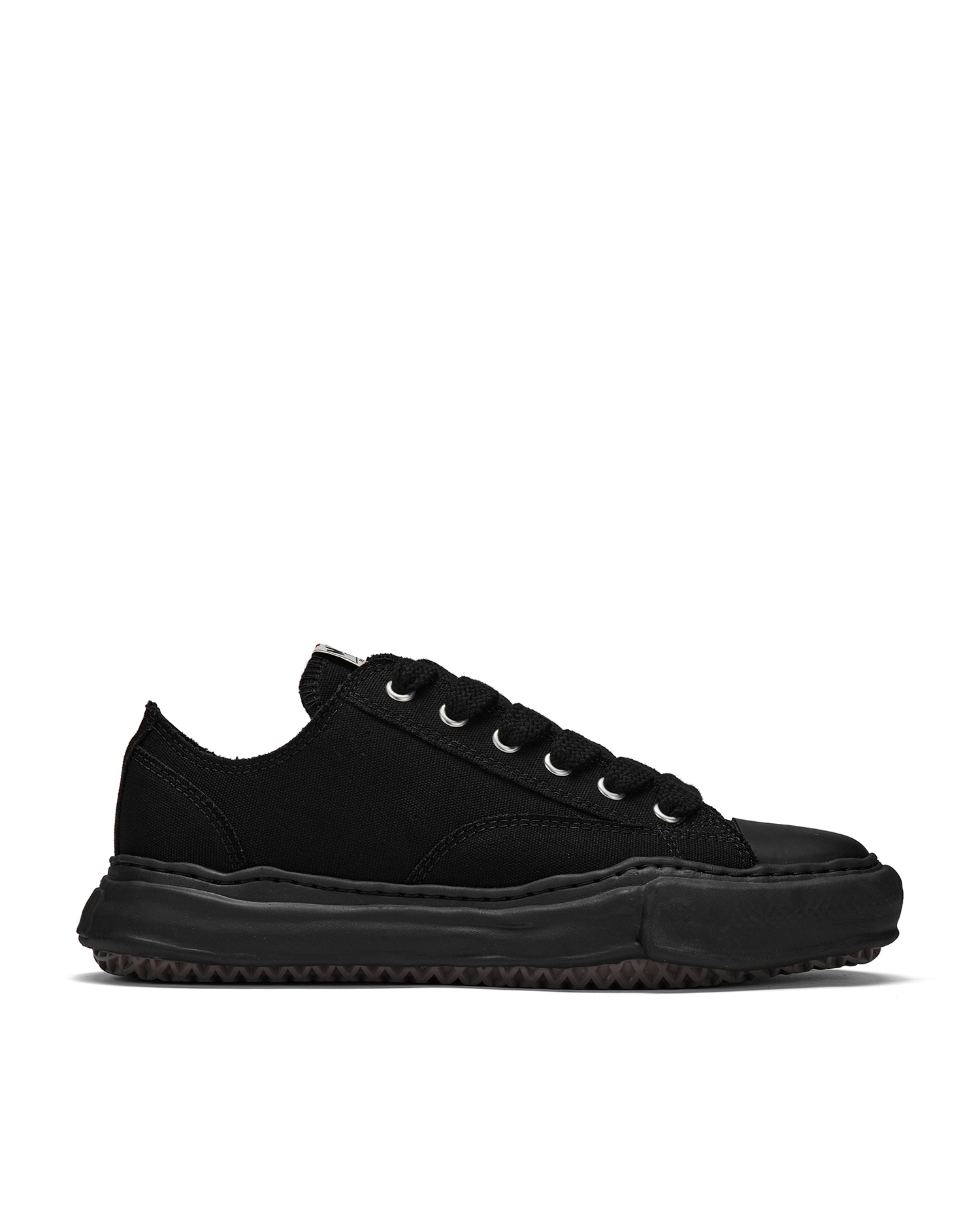
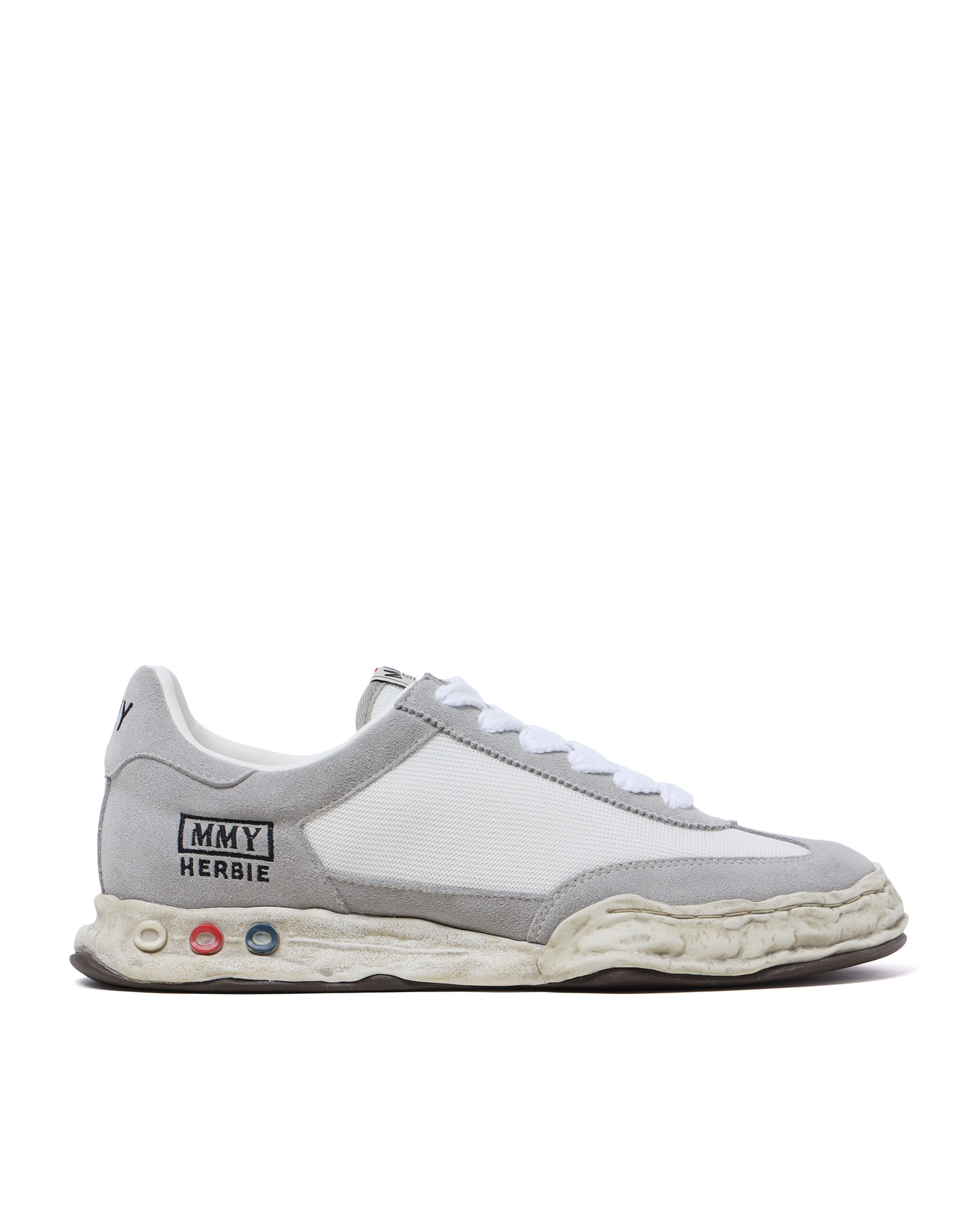
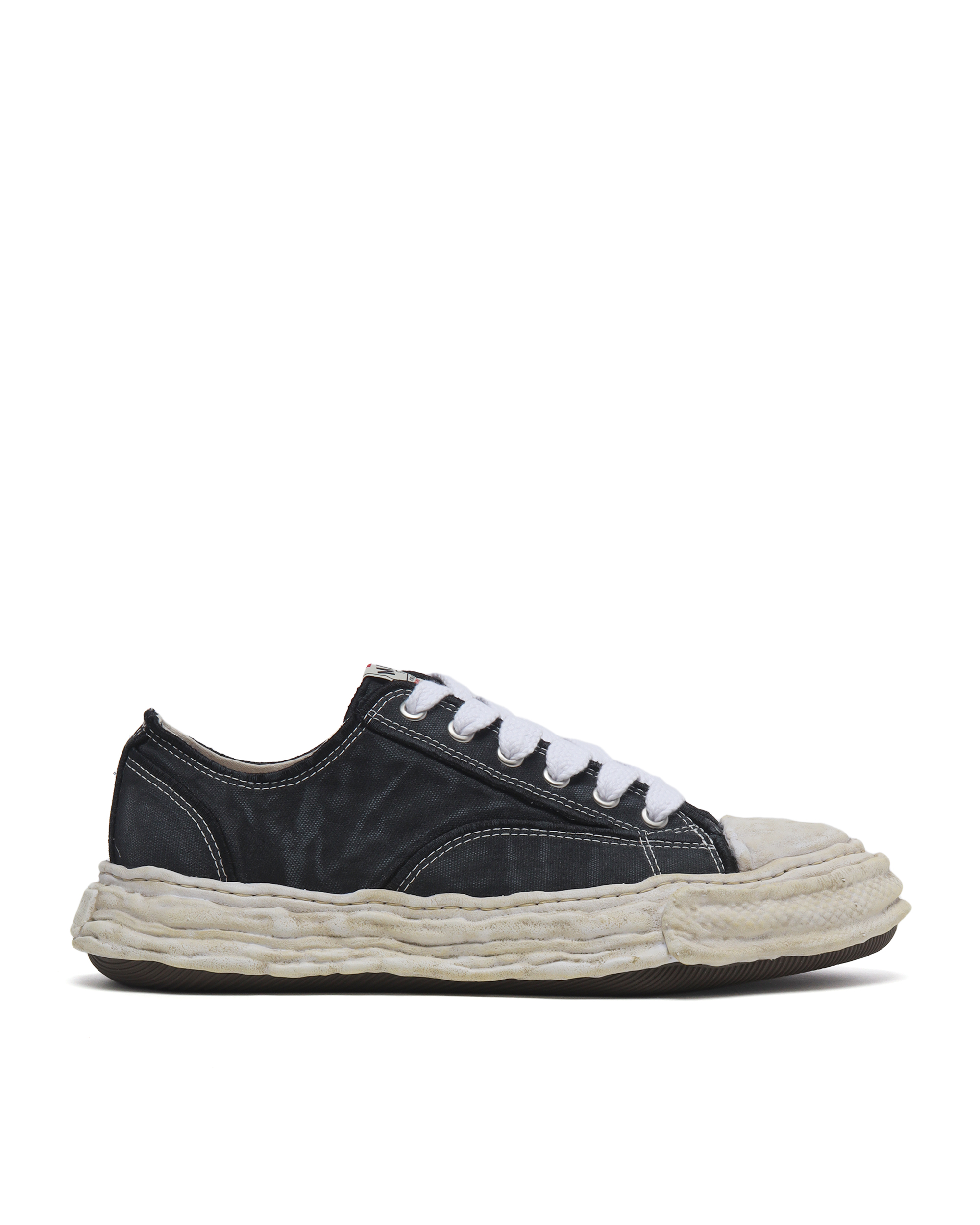
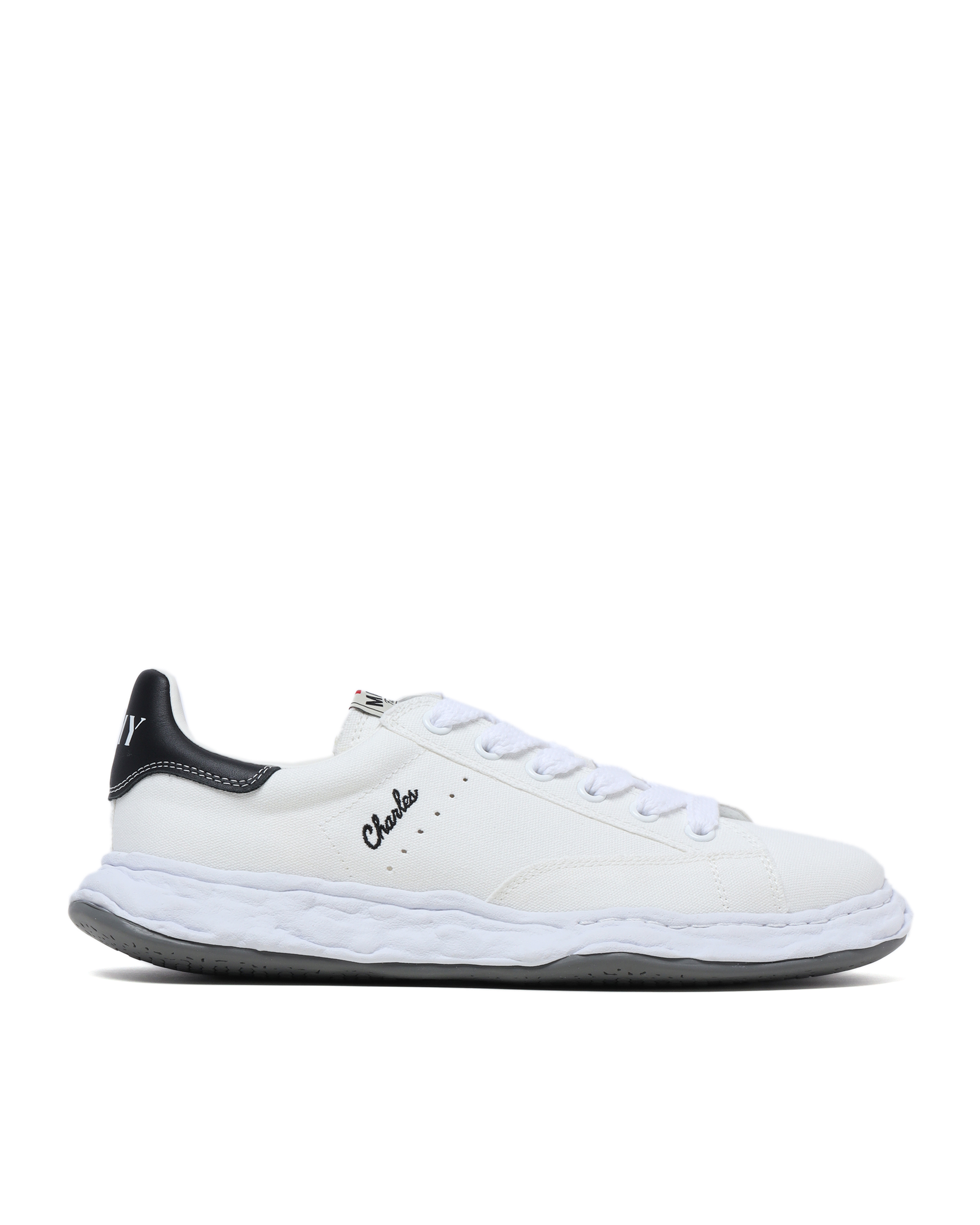
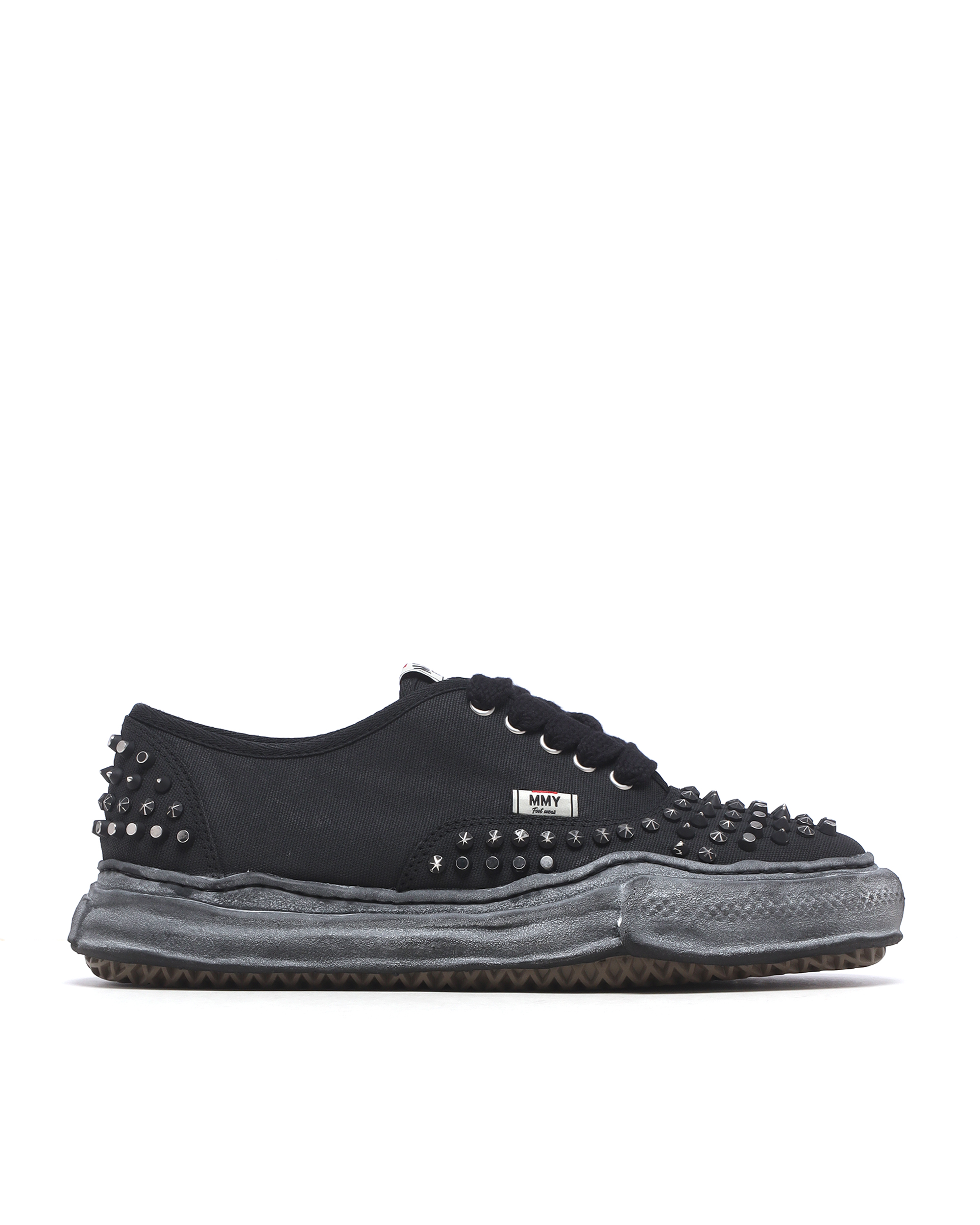
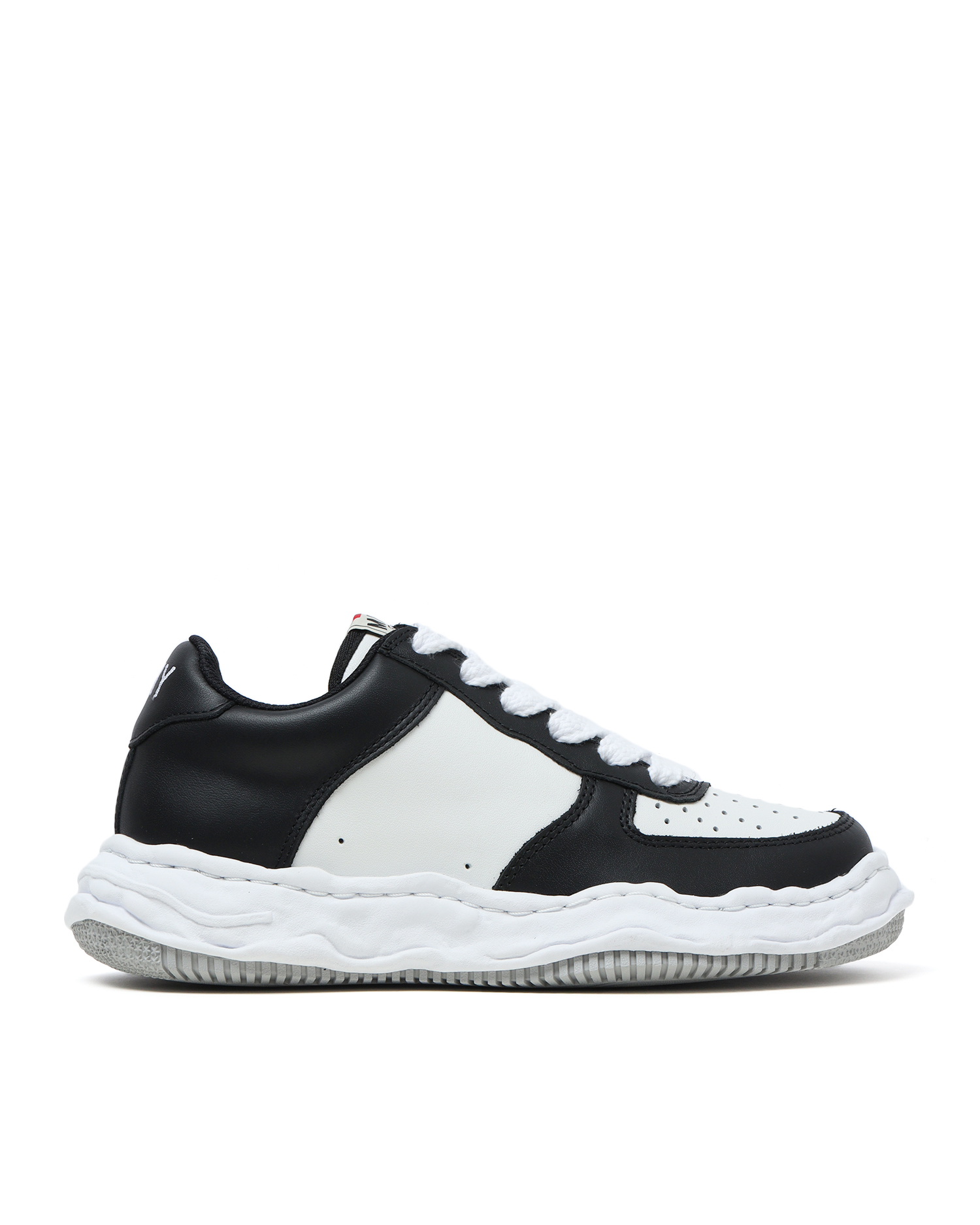
The tailoring is relaxed, yes, but it is never careless. Every dropped shoulder and elongated hem is calibrated, the product of a designer who has long treated deconstruction not as a gimmick but as a language. This is the same sensibility that has made his eponymous sneakers—and high-profile collaborations with AMIRI and Topologie—so covetable: an instinct for making the worn-in feel like the most refined thing in the room.
The Mood of the Moment
Culturally, "Summer Laze" lands at a moment when the luxury market is renegotiating its relationship with formality. The pandemic-era embrace of comfort has matured into something more sophisticated—a desire for clothes that feel lived-in without feeling sloppy, expressive without shouting. Mihara, whose Jingumae flagship building in Tokyo has become a pilgrimage site for those who follow his work, has always understood that the most radical gesture in fashion is often restraint. Where his peers chase spectacle, he chases atmosphere. The "Summer Laze" collection is less a statement than a mood: the particular stillness of a hot afternoon, the looseness of a shirt unbuttoned one button too many, the elegance of doing very little very well.
For Those Who Have Tired of Armor
Who is this collection for? It is for the man who has tired of armor. For the collector who understands that Mihara's work rewards a second look—that the frayed hem and the skewed placket are not flaws but signatures. It is for those who have followed the designer's journey from his early footwear experiments to his current standing as one of Tokyo's most quietly influential voices, and who recognize that "Summer Laze" represents a distillation rather than a departure. And it is for anyone who believes that next season's most compelling tailoring will not be the sharpest, but the softest—the kind that moves with you, wrinkles honestly, and improves with wear.
Why it matters now is simple: fashion is overdue for an exhale. After seasons of maximalism, armor, and algorithmic trend-chasing, Maison MIHARA YASUHIRO's "Summer Laze" offers something rarer—clothing with a pulse. It is a reminder that the most sophisticated thing a garment can do is disappear into the rhythm of a life, becoming less an outfit than a habit. Vogue and WWD have already registered the shift; the rest of us would do well to follow. Summer, after all, is a state of mind—and Mihara has tailored it beautifully.