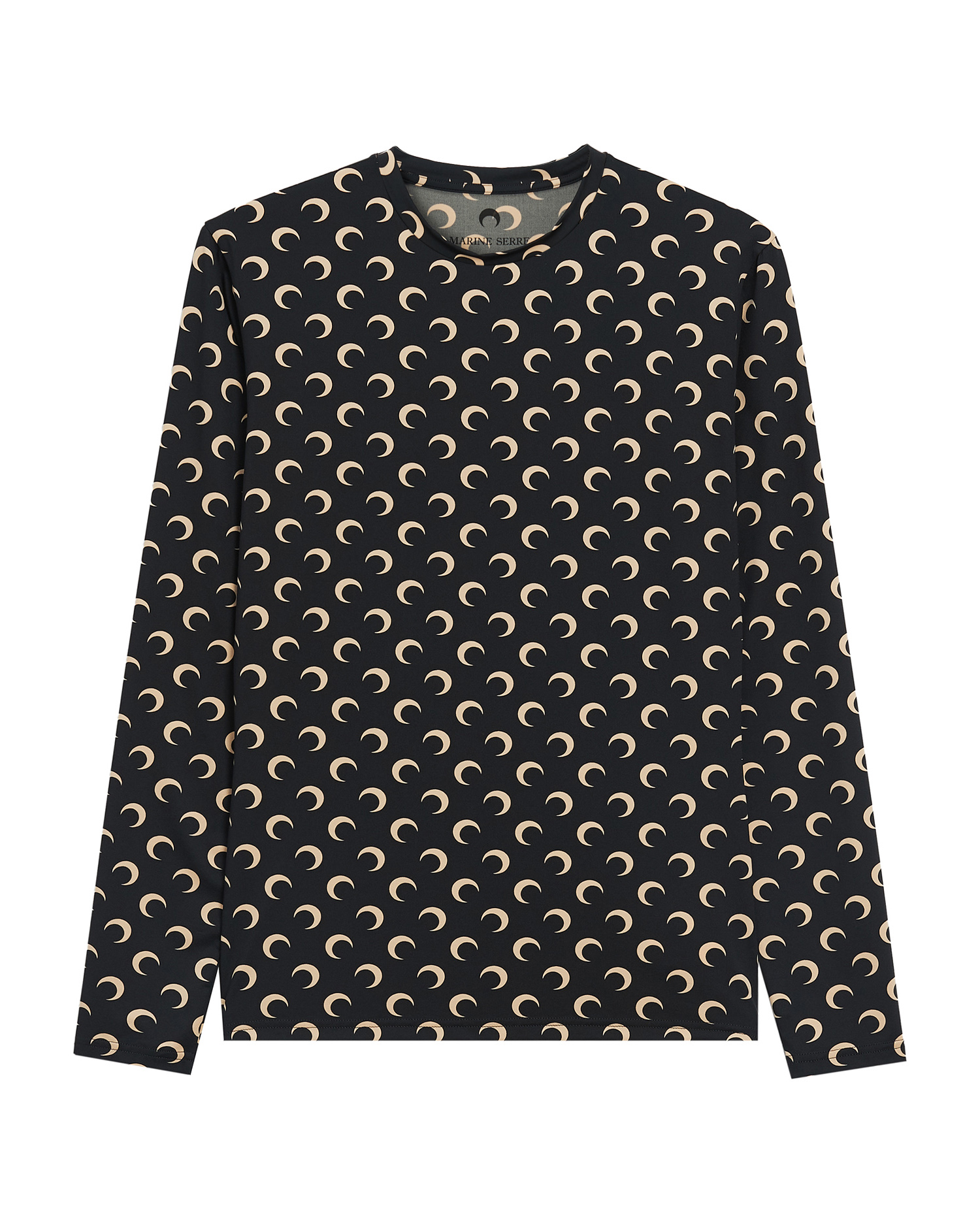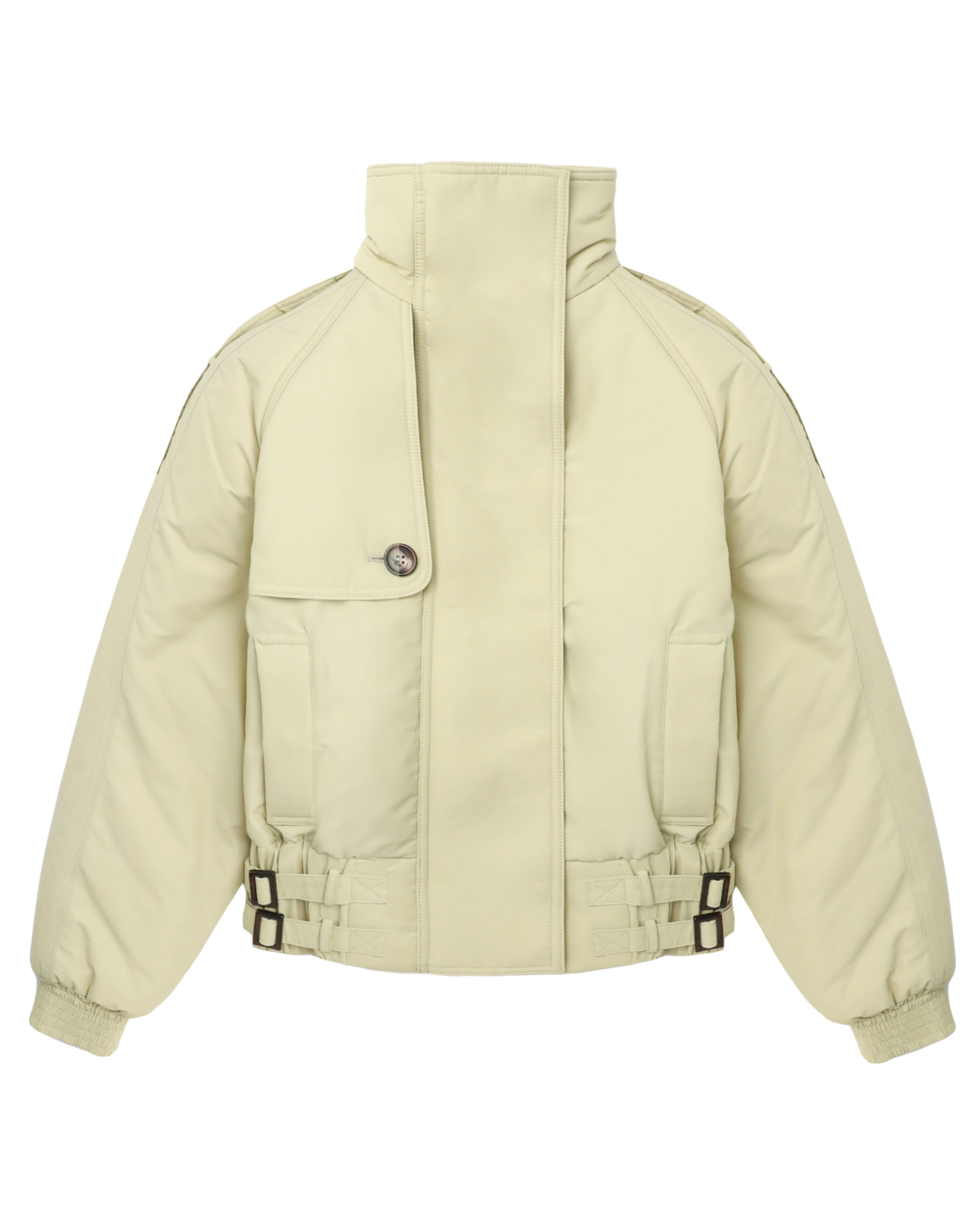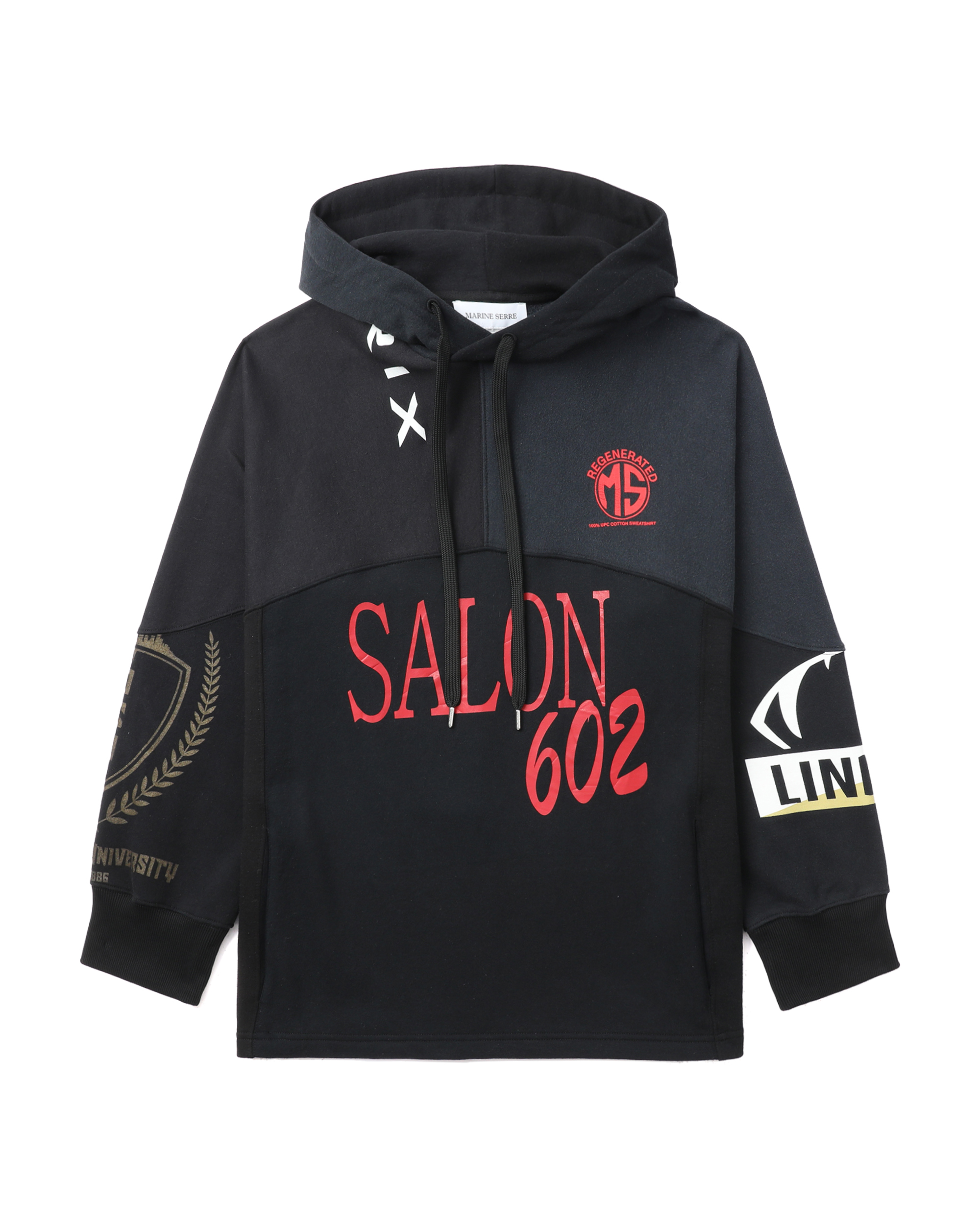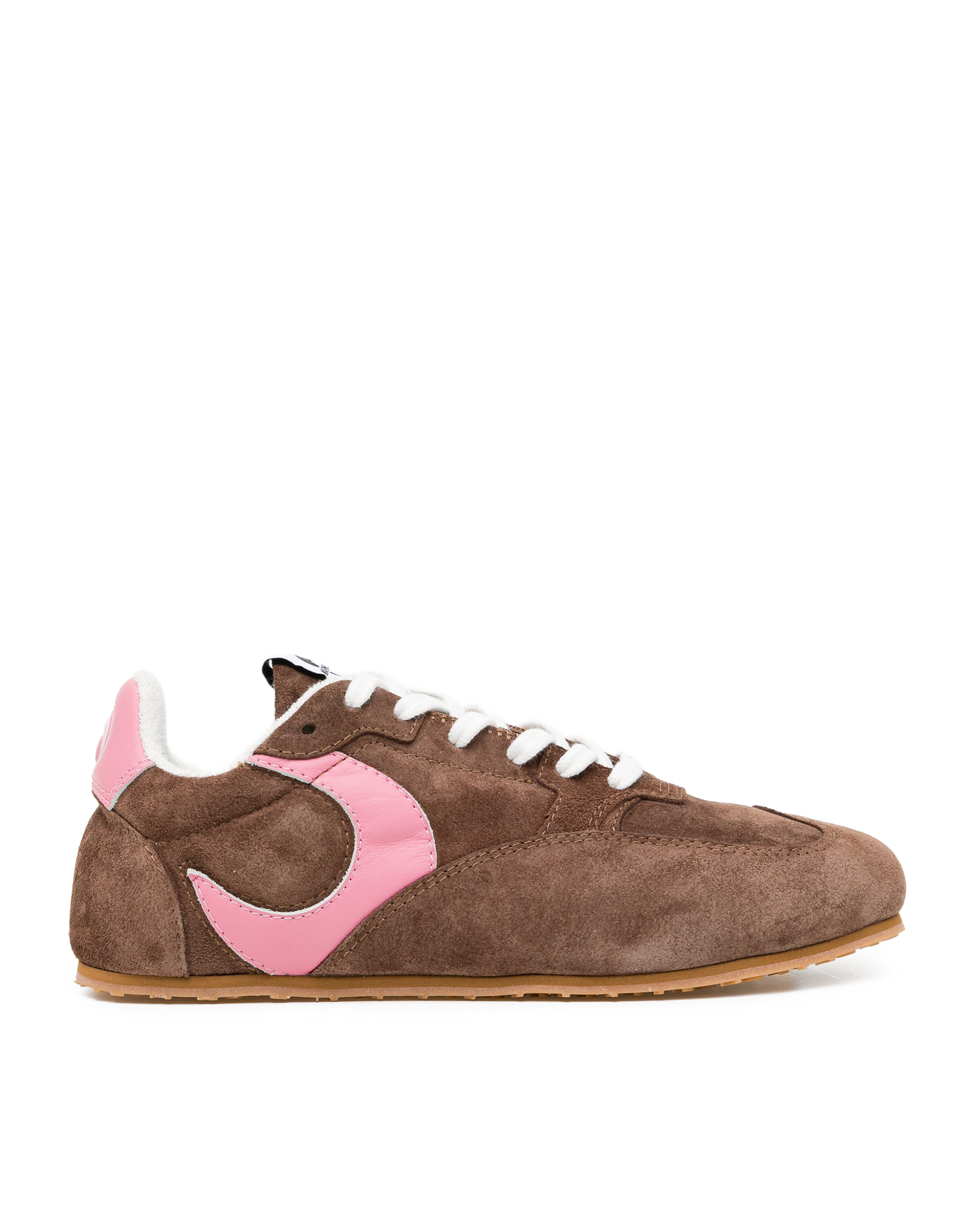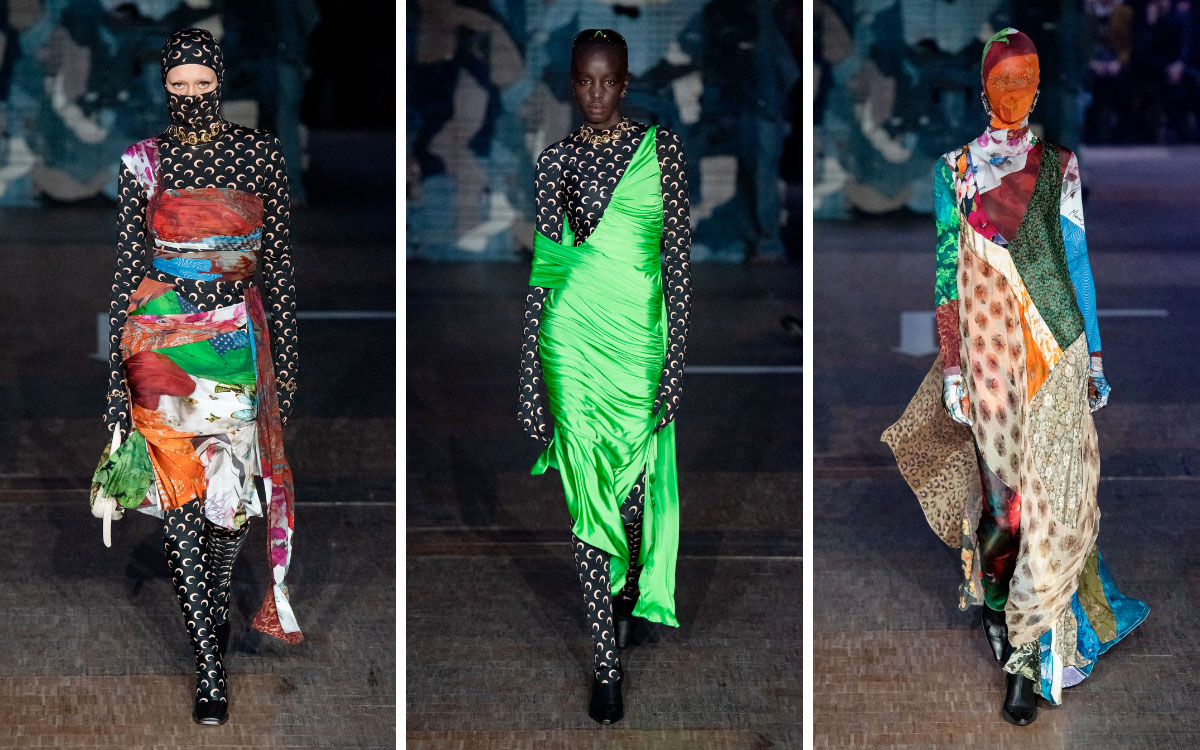
There is a moment in the resale ecosystem when a brand stops being merely desirable and becomes a currency in its own right, and Marine Serre has crossed that threshold with a ferocity that few contemporaries can match. The Paris-based designer, who exploded onto the scene with her 2017 graduate collection under the weight of a Balenciaga apprenticeship and an LVMH Prize, has built her empire not on the seasonal churn of fast fashion but on a singular, instantly recognisable motif: the crescent moon. Yet it is not the new-season runway pieces that command the most feverish bidding wars today; it is the archive. The second-hand market has transformed Serre's early work into a speculative asset class, with pieces from her first few collections — the ones she called "Radical Optimism" and "Greenhouse" — trading at multiples of their original retail price, often before the tags have even been clipped.
The obsession is rooted in scarcity, but also in a profound cultural shift. Marine Serre's crescent moon, which first appeared as a knitted, printed, and embroidered emblem in her debut collection, was not designed as a logo in the traditional luxury sense. It was a talisman, a symbol of her vision for a post-apocalyptic yet hopeful wardrobe — one that embraced upcycling, repurposing old scarves and deadstock fabrics into hybrid garments. That ethos, which was radical in 2017, has since become the industry's default language, but the early pieces carry an authenticity that later, more commercial iterations cannot replicate.
The Archive as Asset Class
On resale platforms like Vestiaire Collective and Depop, the "Moon Archive" — as collectors affectionately call it — has become a category unto itself, with dedicated search filters and price trackers. The iconic Moon Print Silk Shirt from the Spring/Summer 2018 "Greenhouse" collection, with its all-over crescent pattern in acid green and deep burgundy, now lists for upwards of €1,500, a staggering 400% mark-up from its original €380 price tag. Meanwhile, the Recycling Patchwork Dress, a patchwork of vintage silk scarves stitched into a bias-cut slip, has become the ultimate flex for vintage fashion insiders, with listings rarely staying live for more than 24 hours.
What fuels this fervour is not just the design itself but the narrative attached to each garment. Serre's early work was produced in tiny runs, often in her atelier in Belleville, using materials that were inherently limited — you cannot mass-produce a patchwork of antique scarves. This natural scarcity means that each archive piece is effectively a numbered edition, and the resale market has responded accordingly. Sellers have become astute narrators, weaving stories of provenance into their listings: "worn once at Paris Fashion Week," "from the personal wardrobe of a stylist," "acquired from the brand's sample sale in 2018." This storytelling elevates the transaction from a simple purchase to a kind of fashion archaeology.
Grail-Level Footwear and the Quirk Factor
The Moon Boots, a hybrid of a combat boot and a knit sock, from the Fall/Winter 2019 "Marée Noire" collection, are a prime example — they are now considered grail-level footwear, with pairs in pristine condition selling for over €2,000, despite the fact that the brand has re-released similar styles. The difference is that the original boots were hand-finished with a crescent appliqué that was slightly irregular, a quirk that collectors now prize as a mark of authenticity. In a market saturated with perfect reproductions, imperfection has become the ultimate luxury.
The Brand Leans In
The phenomenon has also reshaped how the brand itself operates. Marine Serre, keenly aware of this resale economy, has leaned into it, not by reissuing old pieces, but by collaborating with platforms like Vestiaire Collective to authenticate and resell her own archive, a move that legitimises the secondary market while keeping a tight grip on the brand's narrative. But the true driver is the community that has formed around the crescent moon — a tribe of Gen-Z and millennial fashion obsessives who treat the archive as a cultural artefact rather than mere clothing. They document their finds on Instagram and TikTok, creating a visual lexicon of styling that references Serre's original runway shows, from the "Futurewear" collection in 2019 to the "Mud" collection in 2021.
In this ecosystem, owning an early Marine Serre piece is not just about wearing a beautiful garment; it is about possessing a piece of fashion history that will only appreciate in value, both financially and culturally. The crescent moon, once a symbol of hope and renewal, has become the most potent symbol of the modern resale economy — and the hunt for it shows no signs of waning. For Serre, whose entire practice has been built on the idea that fashion can be both cyclical and forward-thinking, this is the ultimate vindication: the past she upcycled has become the future everyone wants to own.