There is no such thing as an innocent sneaker launch at Marine Serre right now. In recent months the French house has been placed into judicial receivership, filed for bankruptcy, and begun the search for investors — headlines that usually preface a quiet retreat. Instead, Serre has answered with expansion: a Spring 2027 ready-to-wear collection reviewed by Vogue and WWD, a Fall 2026 outing titled "The Grace of Time," a performance capsule with Under Armour, and now a genuine push into footwear. The MS Rise III is not a licensed afterthought or a logo-stamped placeholder. It is a retro runner built with the same regenerative logic that has defined Serre's practice since her first collection — and its release, timed against the noise of receivership, reads as a statement of intent as much as a product launch.
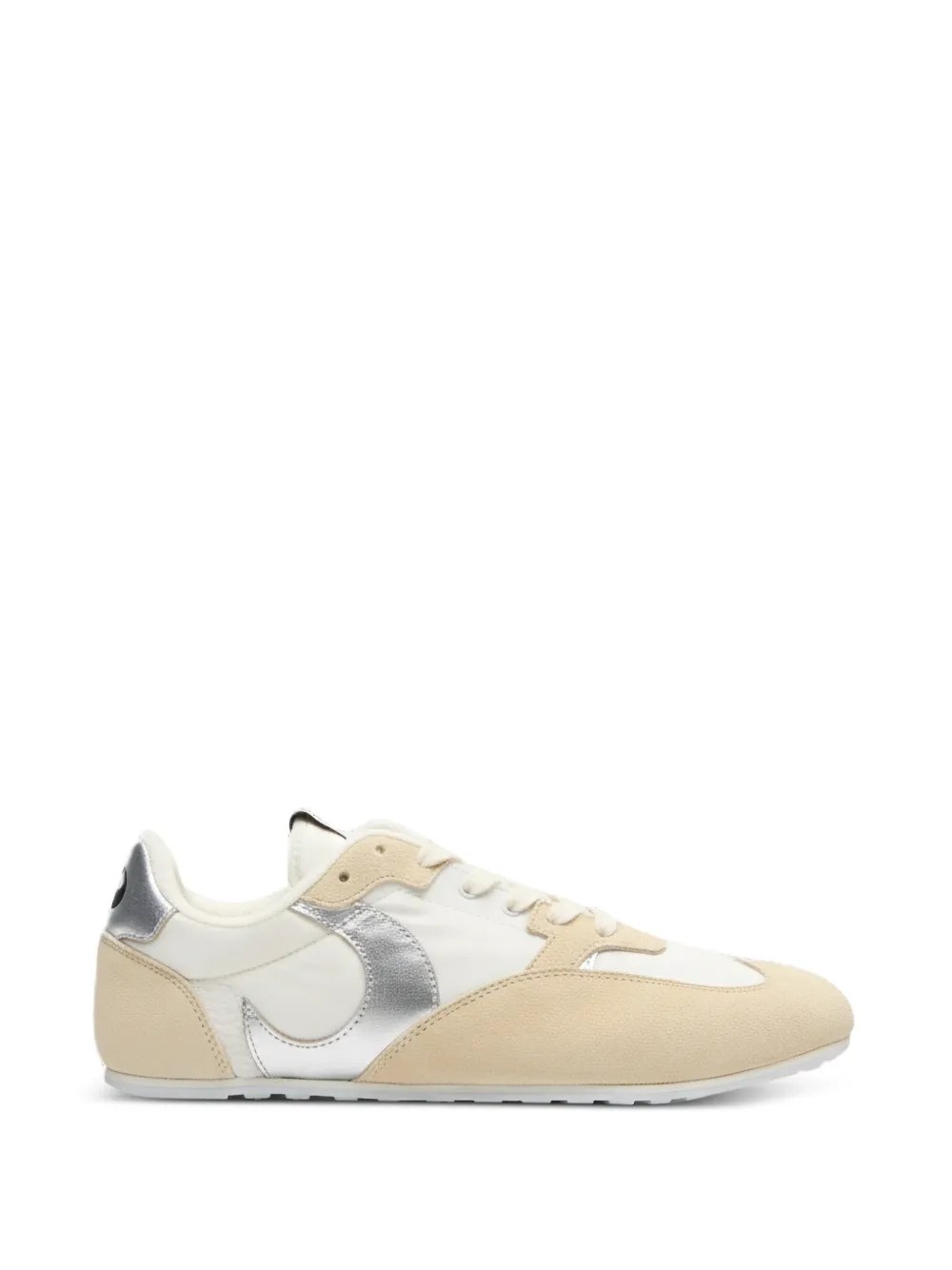
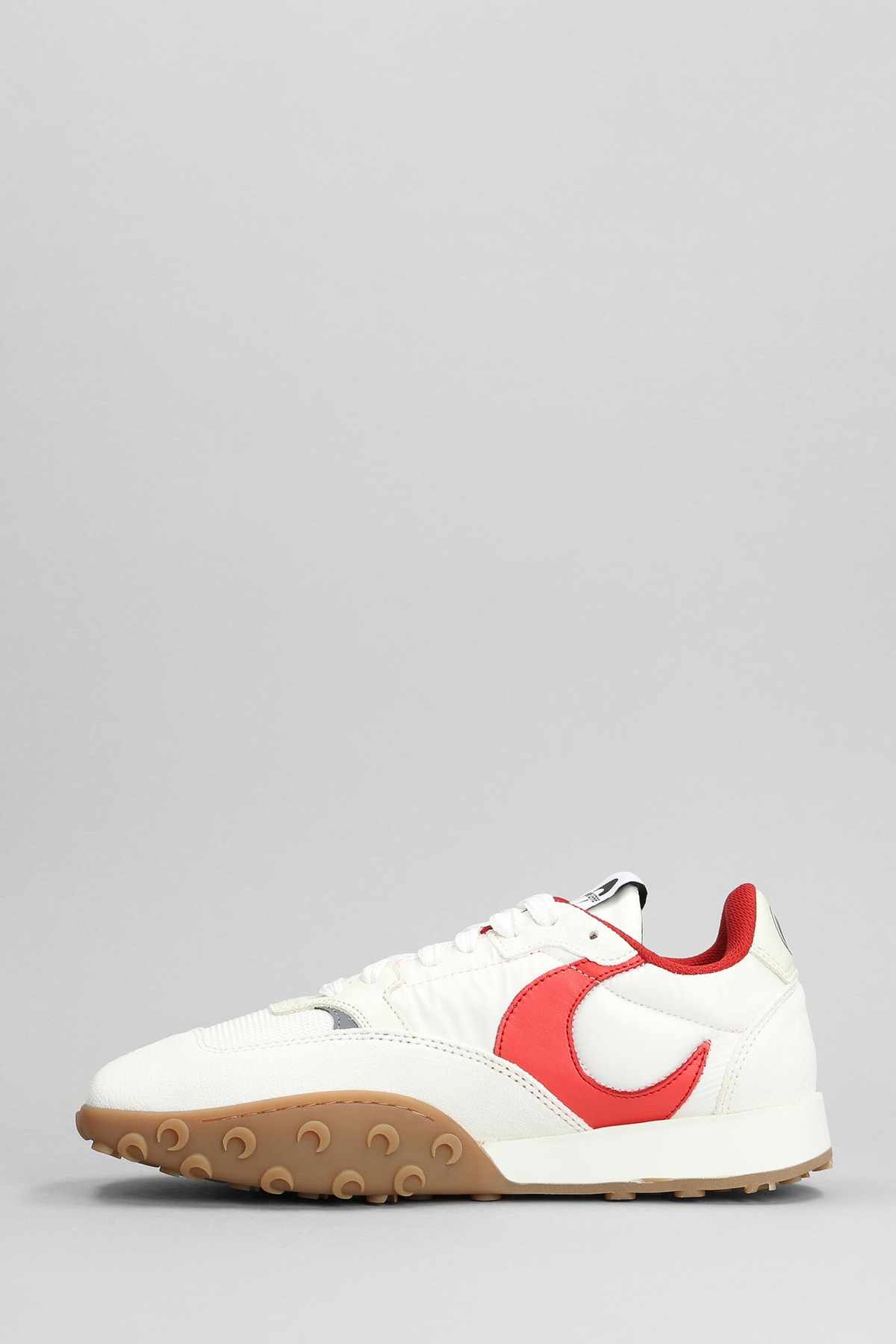
The design language is unapologetically archival. The MS Rise III draws on the chunky, multi-paneled geometry of late-nineties and early-aughts running shoes — the era when technical footwear first learned to look like architecture — and filters it through Serre's eye for texture and layering. Picture a low-profile silhouette with a sculpted, generously cushioned midsole, an upper assembled from mesh and synthetic overlays in the paneled style of the original performance runners, and the crescent moon motif worked in rather than plastered on. Colorways, per early reports from Popbee, lean into the saturated and the unexpected — a palette consistent with a designer who has never treated sportswear as a neutral category. The shoe is designed to be worn hard and worn often, which is precisely the point.
Paneled Like Architecture
What separates this from the endless carousel of retro runners is the intent behind the assembly. Where most heritage revivals treat paneling as decoration, the MS Rise III treats it as structure — mesh for breathability, synthetic overlays for reinforcement, a midsole sculpted to actually absorb the walk. The crescent moon is embedded in the construction rather than stamped across the quarter, which is the difference between a house signature and a licensed graphic. The saturated palette, too, refuses the safe grey-and-cream route: these are colors chosen by someone who has never believed sportswear should blend in.
The Regenerative Ethos, Carried Forward
Materials matter here in a way they rarely do at this tier of sneaker. Serre built her reputation on upcycling and regeneration — collections assembled from deadstock, vintage, and reclaimed textiles — and while a volume footwear line cannot be made entirely from salvaged fabric, the MS Rise III carries that ethos in its construction philosophy: durable, repairable, built to outlast the trend cycle it superficially references. Read the shoe that way and it stops being a nostalgia object. It becomes a small argument for making things that last, dressed up as a runner.
The Most Democratic Shoe Form There Is
The retro runner is, culturally speaking, the most democratic silhouette in contemporary fashion — equally at home with technical outerwear, tailored trousers, or the moon-print pieces that made Serre famous. That versatility is the commercial engine of the category, and Serre's entry into it is a calculated bid for a wider audience without abandoning the design integrity that earned her a devoted one. On the surface, this shoe is for the collector who has followed her from her LVMH Prize win through a decade of crescent-moon iconography and now wants a daily-wear entry point. Beneath that, it speaks to the runner obsessive drawn to the silhouette, the fashion reader who understands that a shoe released during a receivership is a shoe released under pressure, and anyone who believes independent European design deserves to survive its financial weather. It is also, plainly, a shoe for people who walk — the cushioning and paneling are functional inheritances, not costume.
A Bet, Made Gracefully
Why it matters now is inseparable from the context surrounding it. The French fashion ecosystem is contracting; Coperni's closure has become a cautionary reference point in the same news cycle as Serre's restructuring. In that climate, a footwear launch is a bet — on category expansion, on cash flow, on the idea that product can outargue balance sheets. The MS Rise III is the most accessible, most commercially exposed object Marine Serre has put her name to in years, and it carries the weight of that exposure gracefully. It looks like a runner. It functions as a lifeline.
Which brings us back to the philosophy that built the house in the first place. Regeneration has always been Serre's central premise — the belief that what already exists can be remade into something more urgent, more beautiful, more durable than what came before. The MS Rise III applies that premise to the brand itself. A house built on regeneration might yet regenerate itself, and it makes the case quietly, in paneled mesh and saturated color, one considered step at a time.