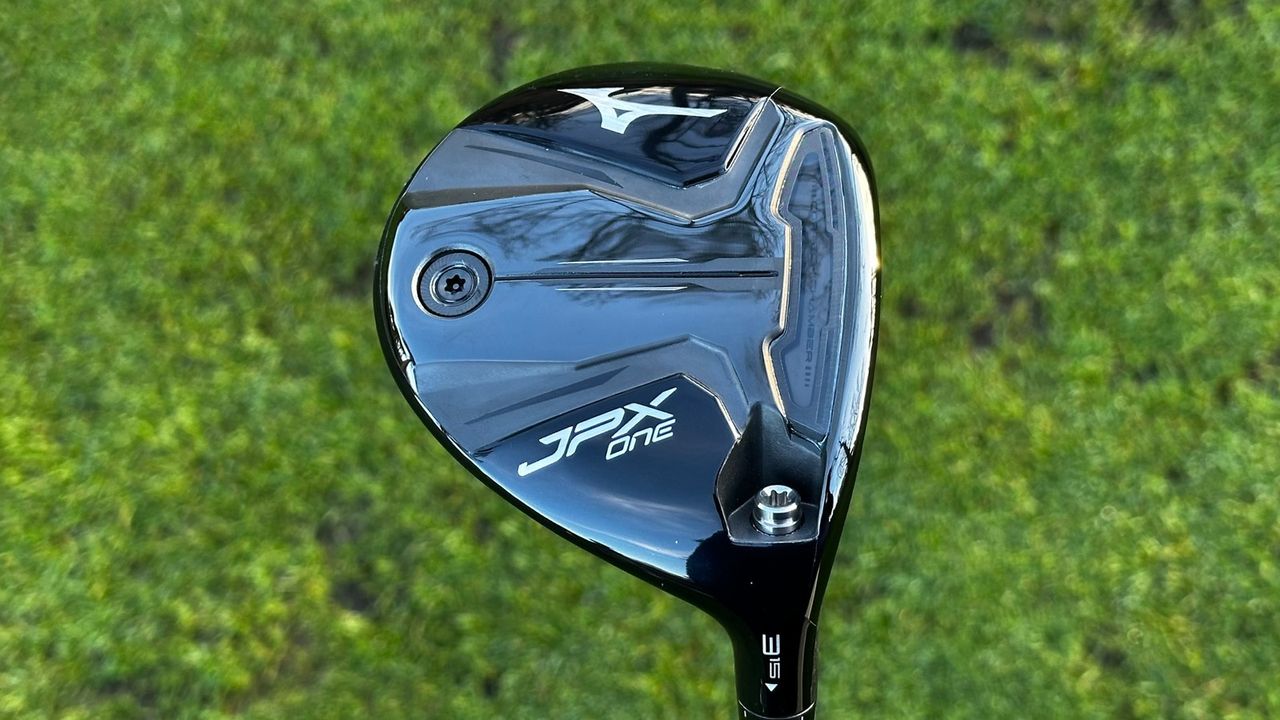
There’s a particular thrill in watching a heritage brand refuse to follow the herd — especially when the herd is sprinting toward a cliff. For nearly a decade, the fairway wood market has been hypnotized by a single, seductive material: the polymer face. Ultra-thin, flexible, and engineered to launch the ball with almost robotic efficiency, these composite faces promised distance and forgiveness in one sleek, seamless package. Nearly every major manufacturer capitulated to the trend, wrapping their 3-woods in plastic-laced technology that, while undeniably effective, often traded away the tactile feedback that purists crave. Mizuno, however, has always played a different game. With the release of the JPX One fairway wood, they haven’t merely bucked the trend — they’ve executed a strategic retreat that feels like a revolution, returning to a forged titanium face while quietly redefining what a modern fairway wood should be.
The decision to ditch the polymer face isn’t nostalgia, nor is it a Luddite rejection of progress. It’s a calculated engineering choice rooted in the very philosophy that has made Mizuno’s irons the most beloved on tour among players not under contract. The polymer face, for all its spring-like pop, carries a fundamental flaw: it can feel dead on off-center strikes, producing a muted, almost hollow sound that divorces the golfer from the strike. Mizuno — a company built on the sensory poetry of a flushed shot — couldn’t abide that compromise. The JPX One instead features a forged titanium face, a material that offers a rare blend of strength and flexibility. Titanium allows the face to be thinner at the perimeter and thicker in the center, creating a variable-thickness design that preserves ball speed across the entire hitting area while delivering a crisp, metallic crack at impact that whispers, not shouts, of precision.
A Head Redesigned Around the Material
What makes this shift genuinely game-changing, though, is how it interacts with the rest of the club’s architecture. Mizuno’s engineers didn’t just swap materials; they redesigned the entire head around the titanium face to maximize its inherent properties. The JPX One features a deep, compact shape that sits confidently behind the ball, inspiring the kind of trust that leads to aggressive swings from the fairway. But the true magic lies in the internal weighting. By removing the bulky polymer housing, Mizuno was able to reposition mass low and deep, creating a center of gravity that launches the ball with a penetrating, controllable trajectory. This isn’t the high, spinny, almost ballooning flight that many polymer-faced woods produce; it’s a flat, boring missile that holds its line in the wind and rolls out with intent. For better players, this is the difference between a club that merely gets the ball airborne and one that shapes shots with authority.
The Quiet Brilliance of Mis-Hits
The performance data from early testing, including the recent review at Plugged In Golf, underscores the subtle brilliance of this choice. While polymer-faced competitors often post identical numbers on a launch monitor — same ball speed, same carry distance — the Mizuno distinguishes itself in the moments that matter most: the mis-hits. A thin strike on a polymer face often results in a loss of energy and a jarring vibration that travels up the shaft. The JPX One with its titanium face, by contrast, absorbs that error with surprising grace, maintaining a higher percentage of ball speed and, crucially, preserving the feel of a solid strike. It’s a forgiving club that doesn’t punish you for your mistakes with harsh feedback, yet it never lies to you about where you made contact. This honesty is the quiet cornerstone of Mizuno’s design ethos — a belief that a golfer improves best when they are in dialogue with their equipment, not merely shielded by it.
A Confidence That Speaks Volumes
This move also signals a broader strategic confidence from the brand, which has been making headlines for its resurgence across multiple categories — from the stunning new Pro 221, 223, and 225 irons to the Margaret Howell collaboration on a GORE-TEX hiking shoe. Mizuno isn’t a company that chases trends; it cultivates a quiet, devoted following by trusting its own engineering instincts. Ditching the polymer face is a risk, but it’s a calculated one that repositions the JPX One as the thinking golfer’s fairway wood. It’s a club for those who appreciate that a thin, hot face isn’t the only path to distance, and that feel, sound, and trajectory control aren’t outdated virtues but the true markers of a premium tool.
In a market saturated with plastic-fantastic options, Mizuno has delivered a titanium masterpiece that reminds us that sometimes, the most progressive move is to return to a better, more honest foundation. And in doing so, they’ve given us something rare in this era of relentless innovation: a club that feels less like a machine and more like an extension of the player wielding it.


