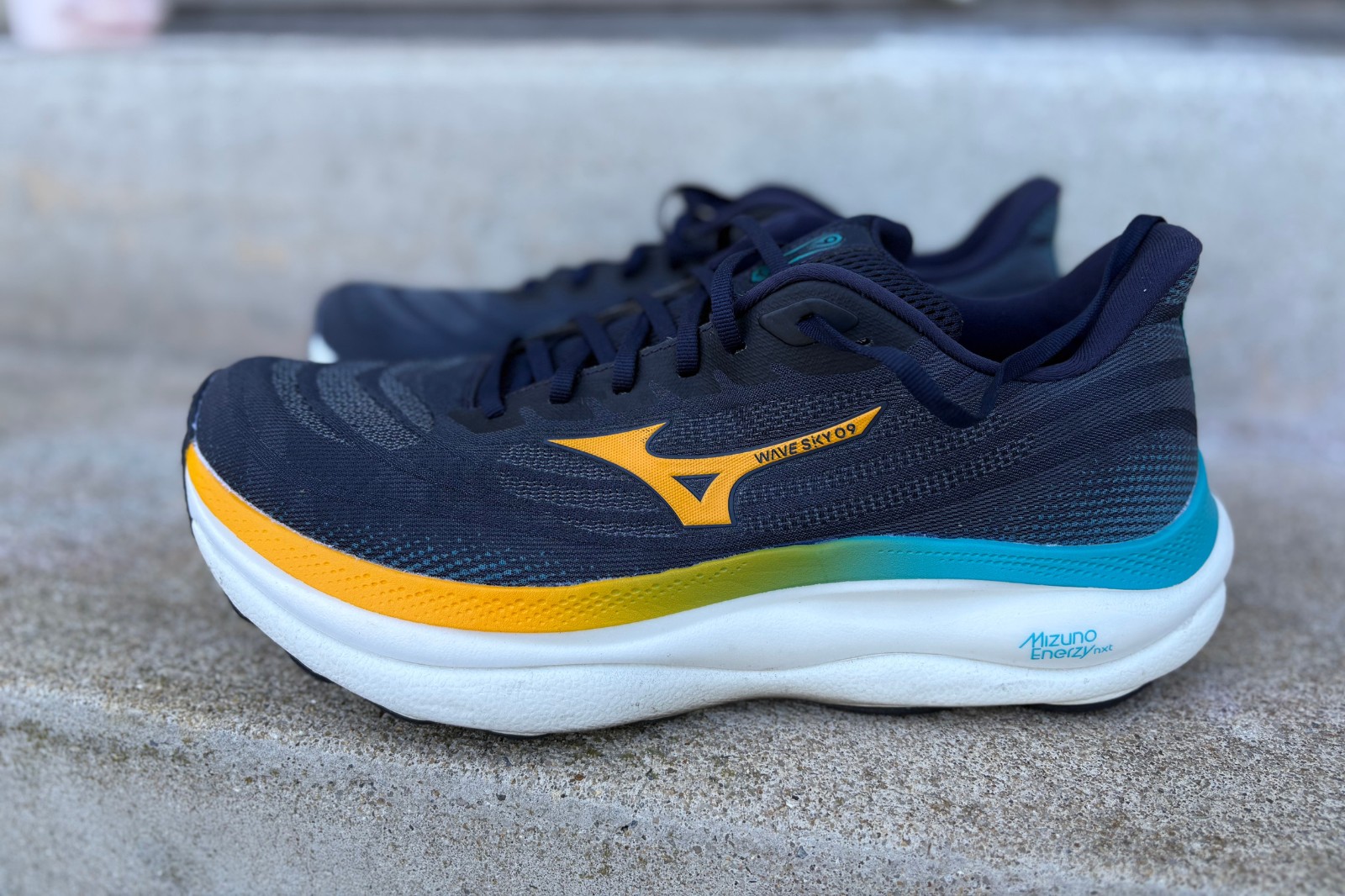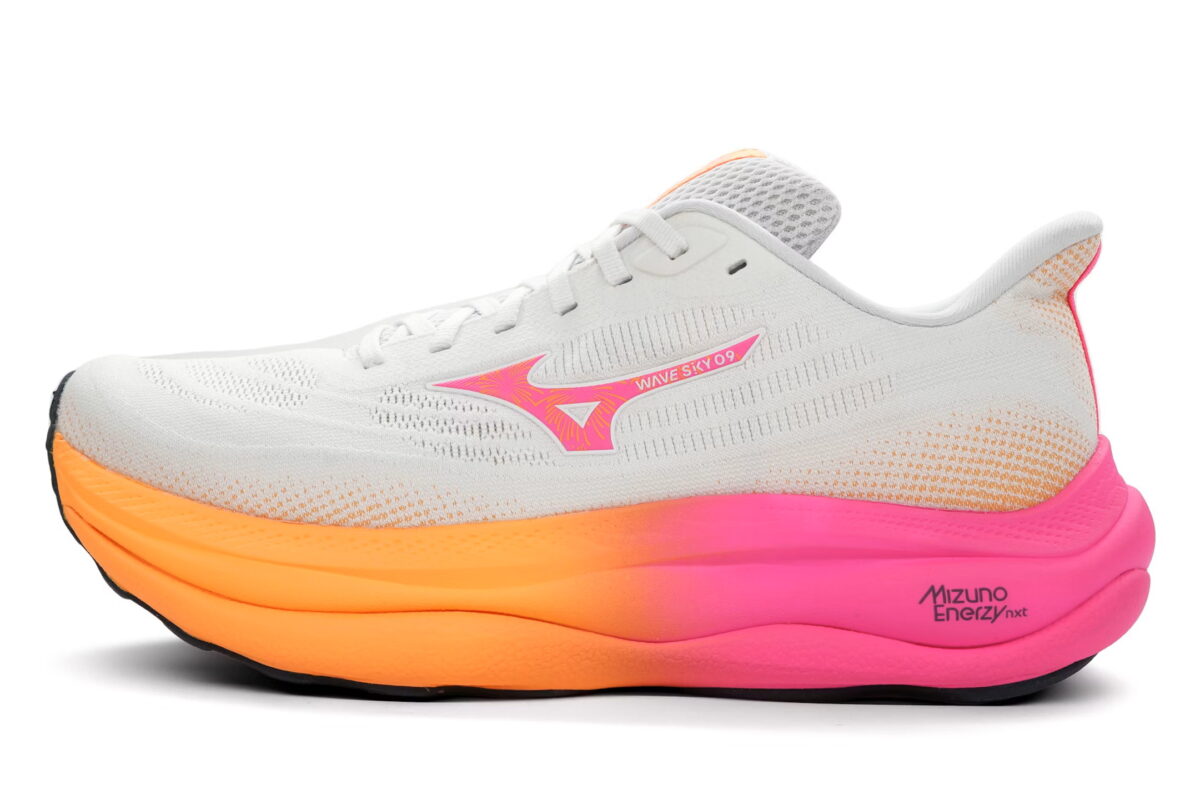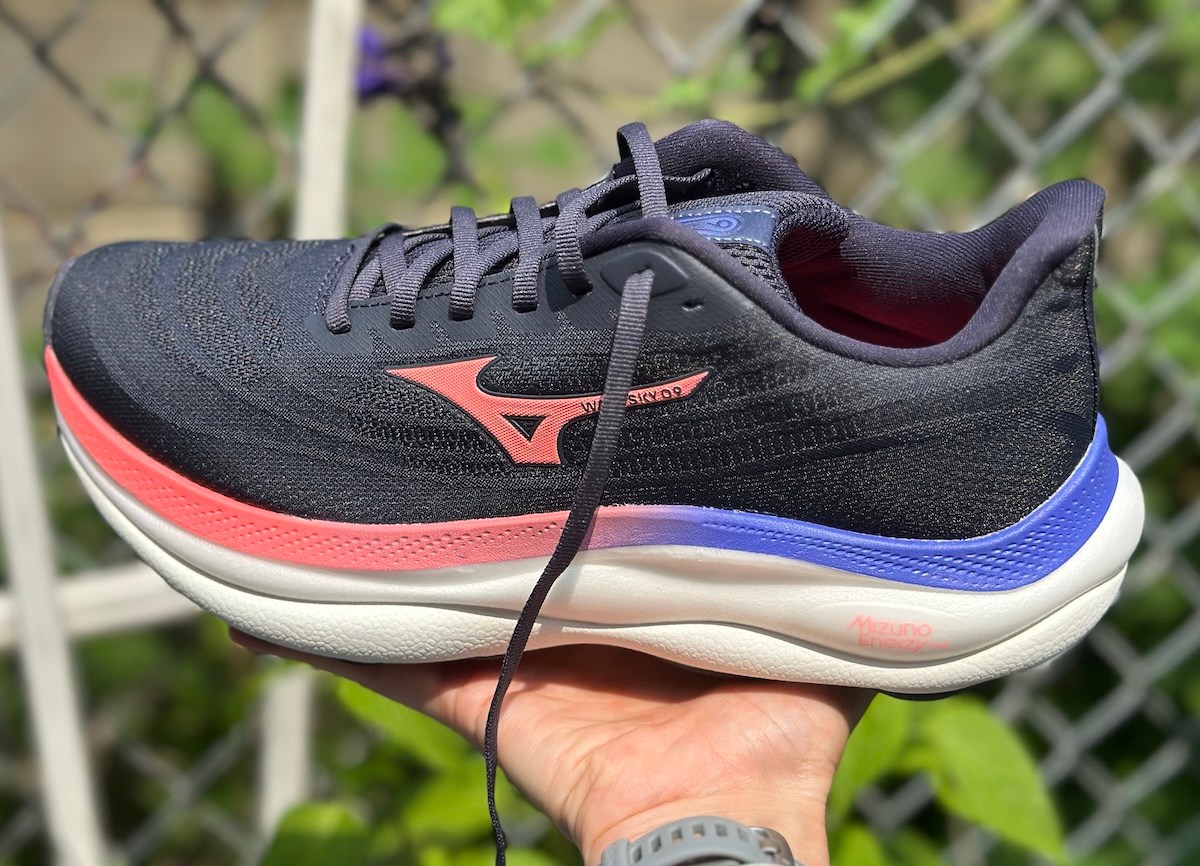
Mizuno has spent a century building a reputation on precision—forged irons that feel like butter, golf balls dissected down to the gram by MyGolfSpy's Ball Lab, and a Pro line that tour players trust when the margin for error disappears. So when the brand turns its engineering discipline toward a max-cushion running shoe, the running world pays attention.
The Mizuno Sky Prime is that shoe, and the early verdict is unusually loud for a first-generation silhouette: Believe in the Run took it twenty miles straight out of the box, Doctors of Running filed a full 2026 review, and RTINGS.com put it through its lab protocol. When three independent outlets with three different methodologies converge on praise, it's worth understanding why.
Maximum Stack, Minimum Mush
The Sky Prime is built around a distinctly Mizuno idea: maximum stack without maximum mush. The brand's ENERZY foam family has been the backbone of its running line for years, prized for energy return that doesn't collapse underfoot, and the Sky Prime deploys it in a geometry designed for long, honest miles rather than tempo-day theatrics.
The result is a trainer that reads as plush on first step but holds its shape deep into a run—the quality Believe in the Run's twenty-mile out-of-the-box test was specifically designed to expose. A shoe that arrives soft and stays supportive is a different animal from one that merely feels good in the store, and the Sky Prime appears to be the former.
A Tailored Take on the High-Stack Trainer
What separates it from the crowded max-cushion field is the fit philosophy. Mizuno has always cut its footwear closer to the anatomical last than many competitors, and the Sky Prime carries that DNA—a secure, almost tailored midfoot wrap rather than the slipper-like looseness that plagues some high-stack trainers.
The upper is engineered for breathability and structure in equal measure, with reinforcement where lateral stability matters and ventilation where heat builds. Doctors of Running, an outlet known for clinical rigor about biomechanics, flagged the shoe's balanced transition and stable platform as its defining traits—praise that carries weight precisely because it comes from reviewers who spend their days measuring what most of us only feel.
The Connoisseur's Brand, Extended to Running
Culturally, the Sky Prime arrives at a moment when Mizuno's broader identity is being reexamined. The same news cycle that brought the shoe's reviews also carried word of new Pro 221, 223, and 225 irons, refreshed Pro 241 through 245 forgings, and the S5 wedges—a reminder that this is a company with deep craft credentials across categories.
Golfers have long known Mizuno as the connoisseur's choice, the brand you graduate to when you stop chasing logos and start chasing feel. The Sky Prime extends that same proposition to runners: less marketing noise, more engineering substance. In a market where max-cushion shoes increasingly compete on stack height bragging rights, Mizuno is competing on how the shoe actually behaves over distance.
Who It's For
The Sky Prime suits the runner logging everyday base miles who wants protection without sedation—someone who appreciates a trainer that lets them feel the road while softening its edges. It's equally at home for the walker or cross-training athlete who spends long hours on their feet and wants a shoe that respects their joints without feeling like a marshmallow.
It is not a race-day shoe, and it doesn't pretend to be; it's the workhorse in the rotation, the pair you reach for when the training plan says "easy" and means it.
Why it matters now is simple: independent validation is scarce and getting scarcer. When RTINGS lab-tests a shoe, when Doctors of Running applies its clinical eye, when Believe in the Run logs real miles and reports back, the consumer gets something increasingly rare—a product judged on performance rather than positioning.
The Mizuno Sky Prime has earned that scrutiny and come through it well. For a brand whose name has meant precision for a century, that's not a surprise. It's a pattern, simply expressed in foam instead of forged steel.