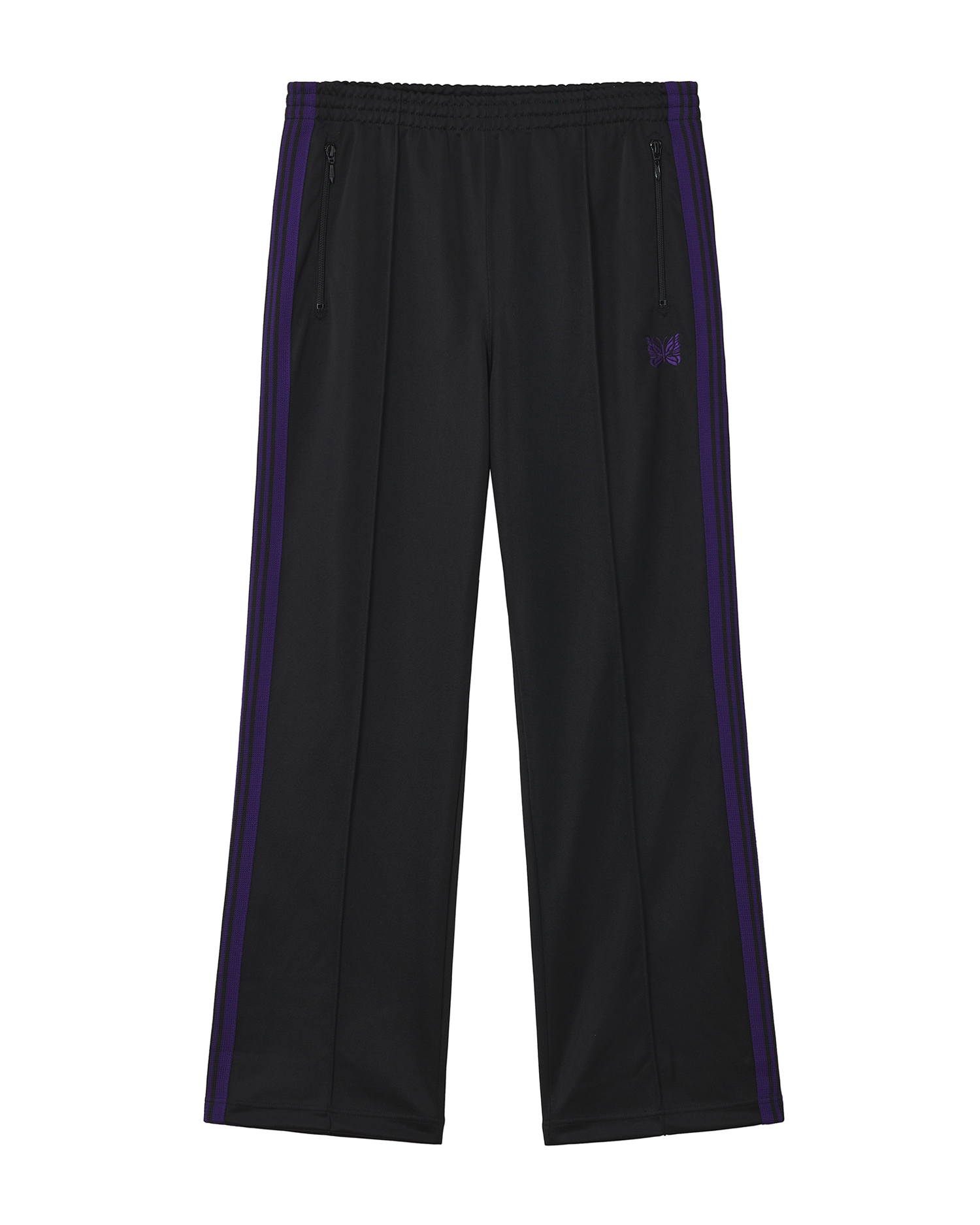
There is a certain poetry in the fact that a fashion house named NEEDLES has built its reputation on sharp, deliberate interventions into the fabric of everyday life. The brand, the brainchild of Keizo Shimizu and the beating heart of the legendary Tokyo label Nepenthes, has never been about passive consumption. Its signature butterfly embroidery, its rebellious take on workwear, its unmistakable track pants—all speak to a philosophy of active, almost aggressive engagement with the world. Yet as the news cycle churns with stories of sanitation workers in New York City being pricked by discarded weight-loss drug needles, of beaches closing on the Jersey Shore, and of volunteer groups in Seattle being investigated for cleaning up the very detritus the state refuses to touch, the name takes on a heavier, more literal resonance. The needle, it seems, has become the emblem of our urban condition—a tiny, sharp object that pricks the conscience of the city, forcing us to confront the mess we have made.
The parallel is not merely coincidental. NEEDLES constructs garments meant to be lived in, to withstand the friction of the street, built for the kind of city life that involves more than a stroll from penthouse to gallery. The brand’s ethos is utility woven with anarchy—a sartorial nod to the undercurrent of chaos that always simmers beneath the polished surface of metropolitan life. But the recent headlines strip away any romanticism.
The Biohazard in the Bin
The reality for New York’s Department of Sanitation workers is not about aesthetic rebellion; it is about the visceral, daily danger of a public health crisis allowed to fester. The rise of injectable weight-loss drugs has created a new class of biohazard, with users tossing their pens and needles into household trash without a second thought. The city is now scrambling to increase fines, to educate, to contain a problem that is literally poking holes in the safety net of its workforce. It is a stark reminder that the needle is not just a tool of fashion or medicine; it is a political object, a marker of who is protected and who is exposed.
The fabric of the city is tearing, and the puncture points are invisible to the naked eye until they draw blood.
The DIY Ethos Meets the State
This is where the philosophy of NEEDLES becomes a lens through which to view the broader urban predicament. The brand has always thrived on the tension between the beautiful and the brutal, the refined and the raw. Its heavy-weight fabrics, its distressed detailing, its military-grade stitching—these are not just design choices; they are a commentary on resilience. In a city where volunteers like those from We Heart Seattle are investigated by the state for attempting to clean up fentanyl foil and syringes, the question of who is responsible for the public realm becomes a battleground.
The state, it seems, would rather police the cleanup than perform it—a bureaucratic absurdity that leaves the most vulnerable—the unhoused, the addicted, the sanitation workers—to bear the brunt of a systemic failure. The NEEDLES aesthetic, with its roots in the gritty, functional clothing of post-war Japan and American workwear, speaks to a DIY ethos that resonates with these volunteer groups. It suggests that the individual, armed with intention and a sturdy pair of gloves, can reassert control over a landscape abandoned by the institutions meant to steward it.
The Irony of the Coveted
Yet the irony deepens when we consider the brand’s commercial success. NEEDLES is not cheap. Its pieces are coveted, resold at a premium, and worn by celebrities unlikely to ever find themselves hauling a garbage bag through a subway station. There is a certain cognitive dissonance in paying a premium for trousers inspired by the working class, while the working class faces a literal epidemic of needle-stick injuries.
But perhaps that is precisely the point of the brand’s subversive power. By appropriating the iconography of labor and survival, NEEDLES forces the wearer to acknowledge the uncomfortable proximity of luxury and struggle. It is a reminder that the thread that sews a garment together is the same thread that mends a torn social fabric—and that ignoring the splinters in that fabric only makes the wound deeper.
Getting Stuck in the Tunnel
The news from South Dakota, where an RV driver got stuck trying to scrape through the Needles Eye Tunnel, offers a lighter, almost comedic coda to this narrative. It is a metaphor for our collective inability to navigate the narrow passages of our own making. We build infrastructure, we design systems, and then we get wedged in them, unable to move forward or backward.
The NEEDLES brand, with its razor-sharp focus on detail and its refusal to compromise on construction, offers a counter-narrative: precision over carelessness, intention over accident. As cities grapple with the detritus of modern life—from discarded syringes to the psychological pins-and-needles of a populace on edge—the call is clear. We must adopt the NEEDLES ethos not just in our wardrobes, but in our civic lives. We must be deliberate, we must be sharp, and we must be willing to prick the conscience of those in power, lest we all get stuck in the tunnel, waiting for a rescue that may never come.