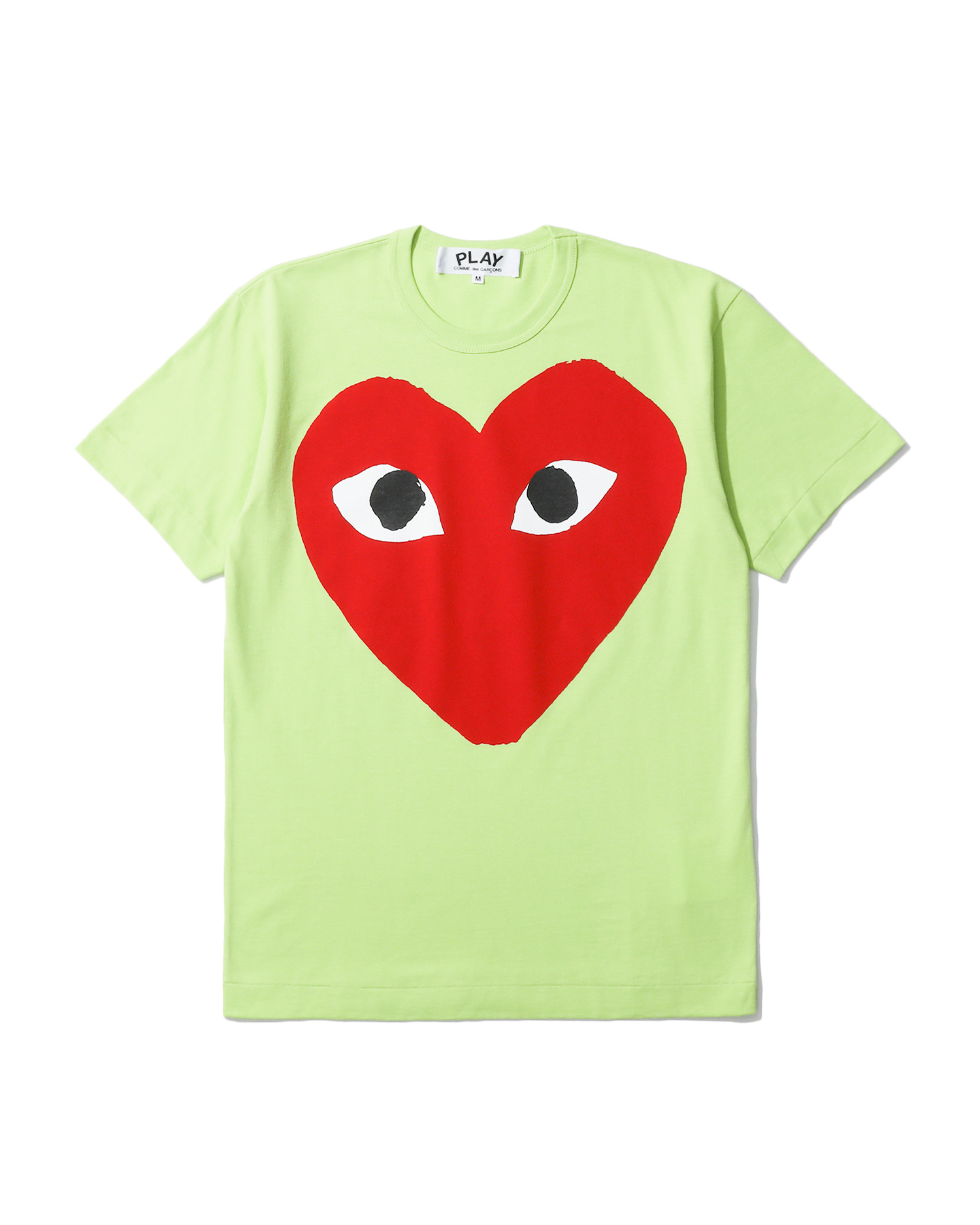
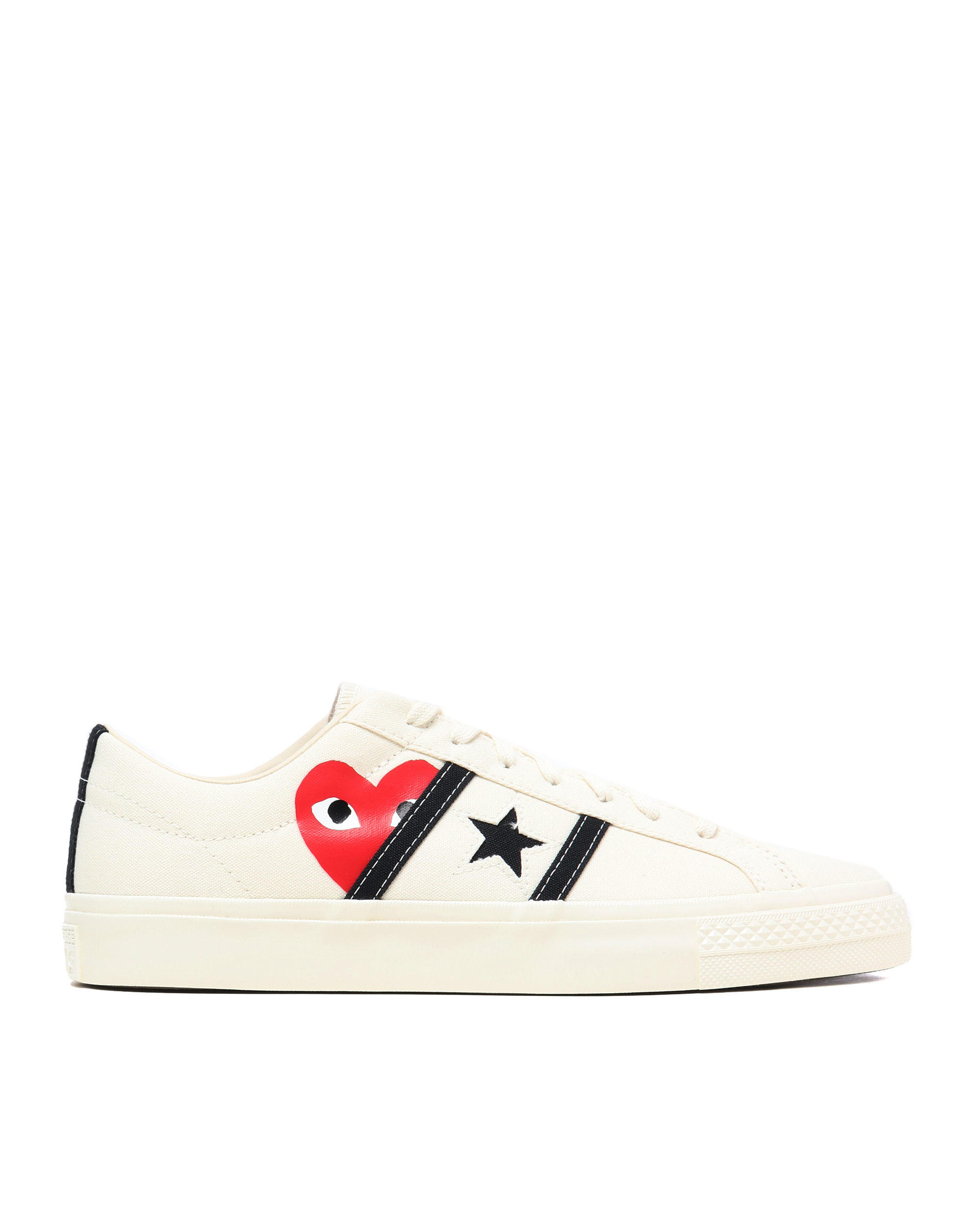
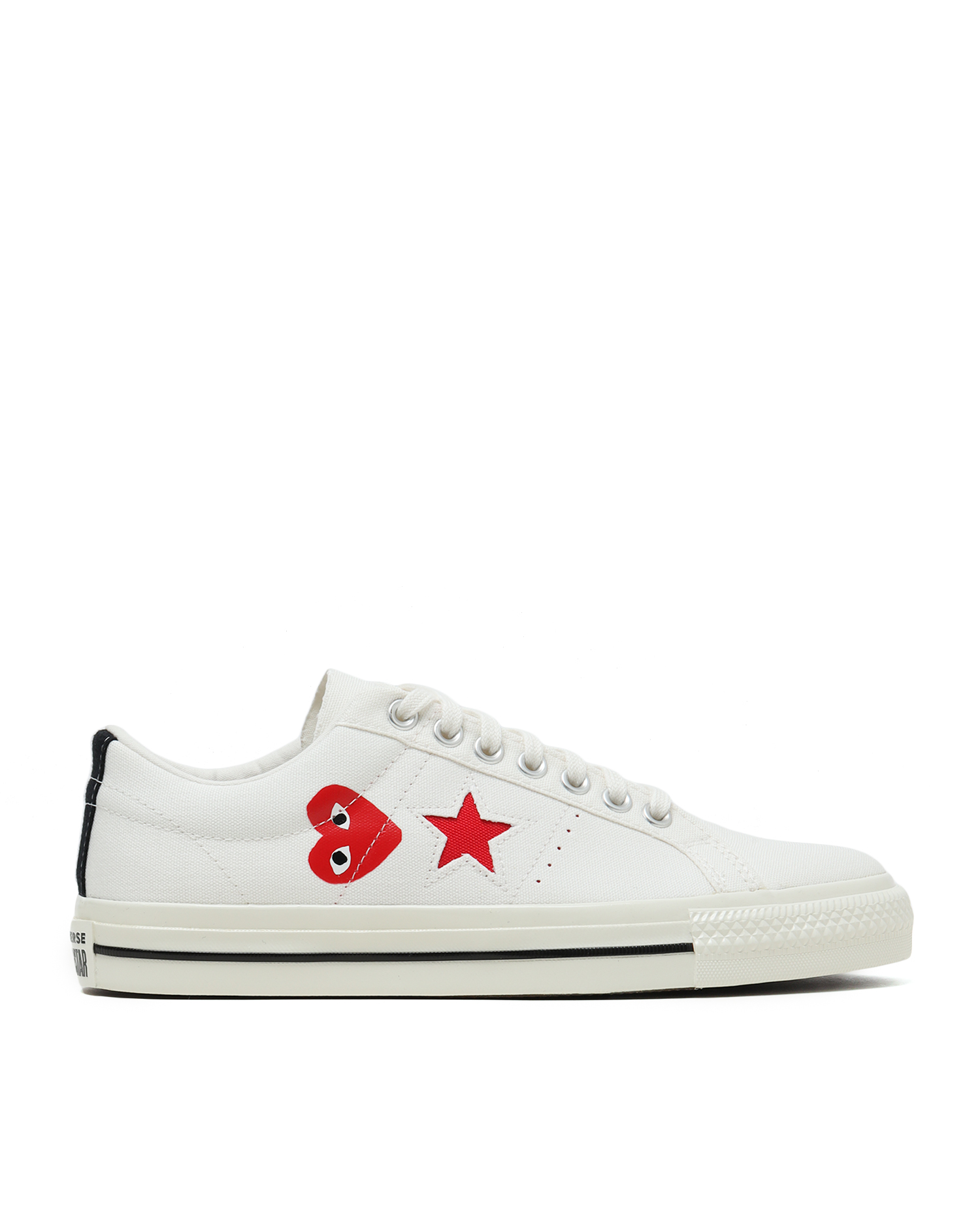
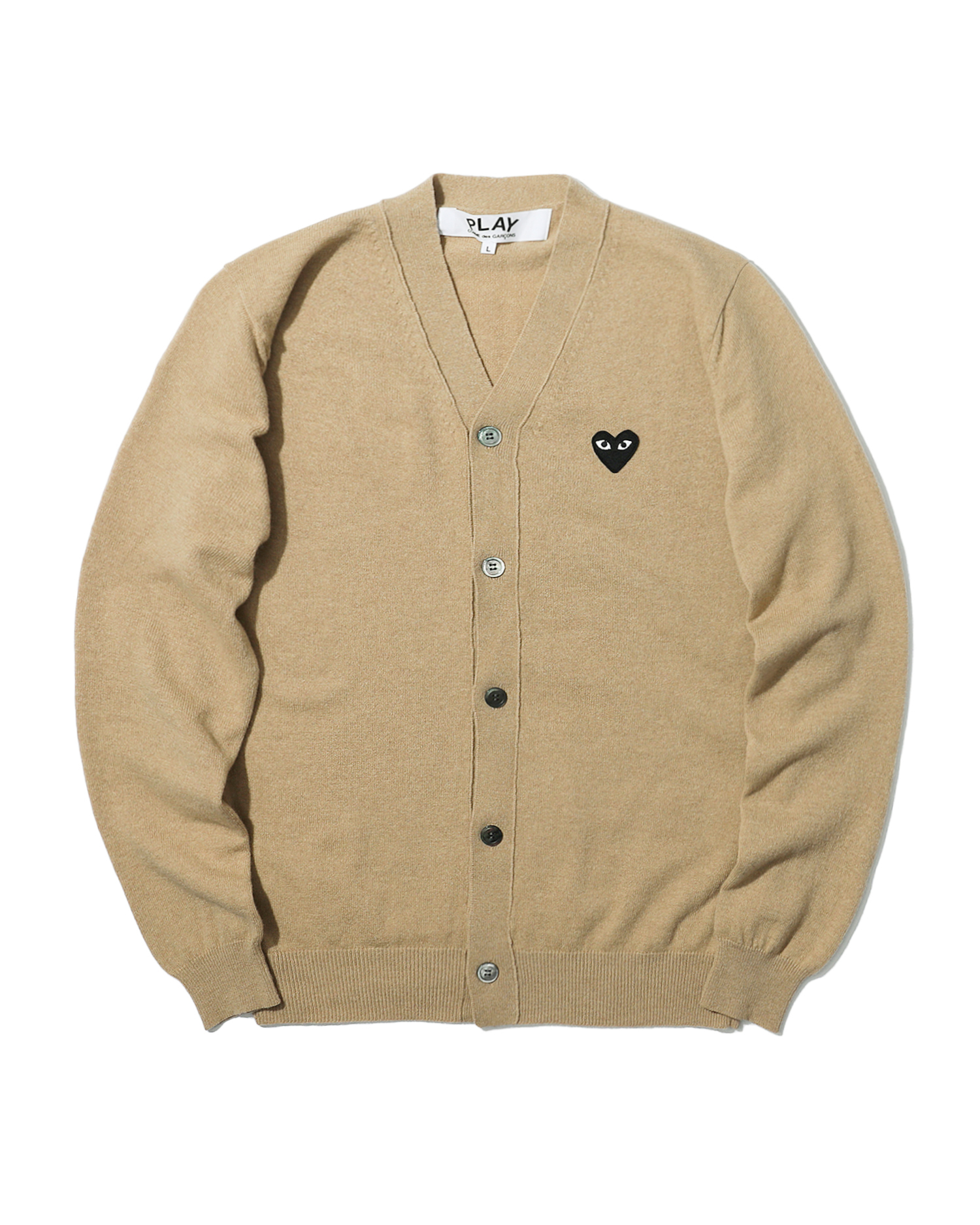
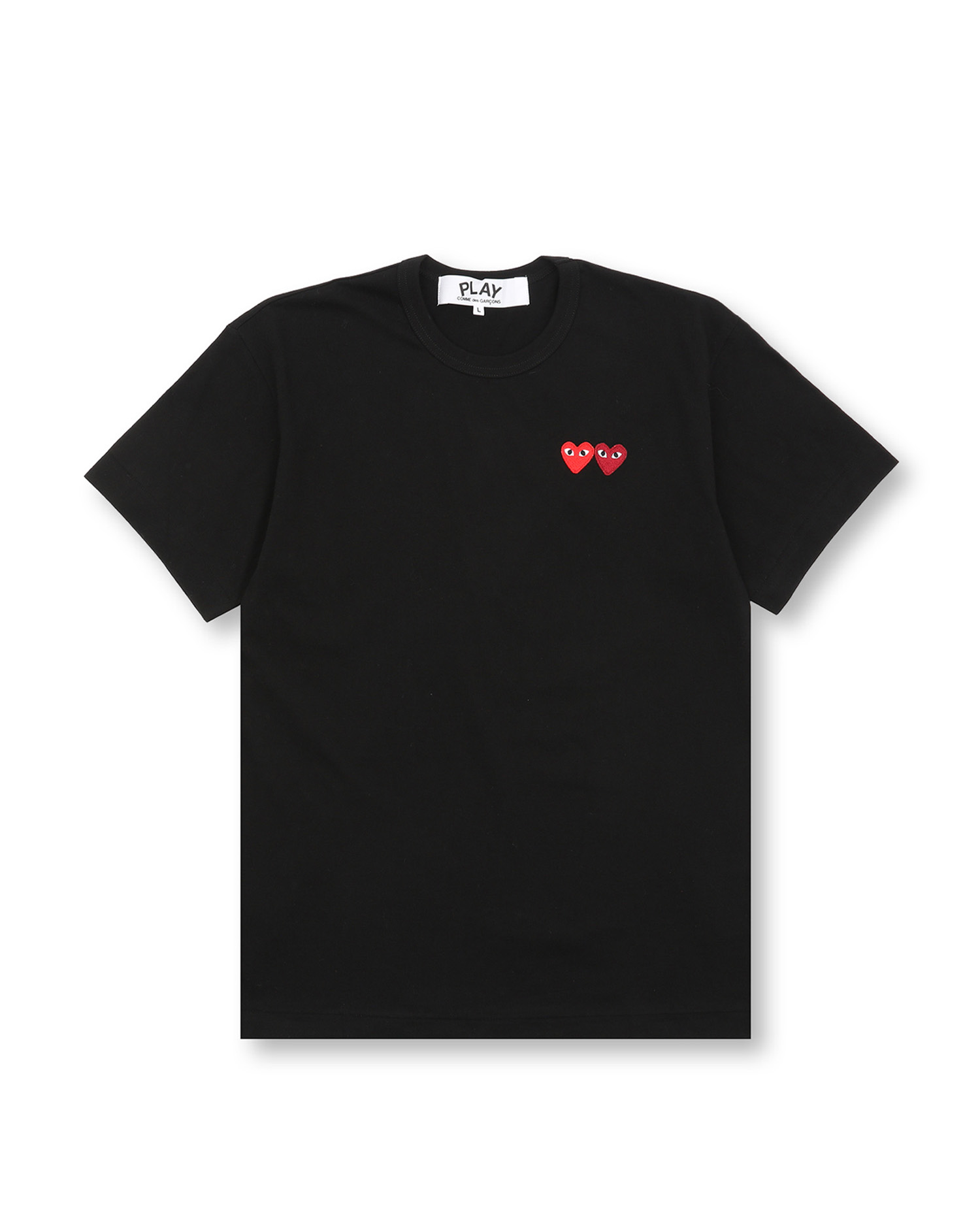
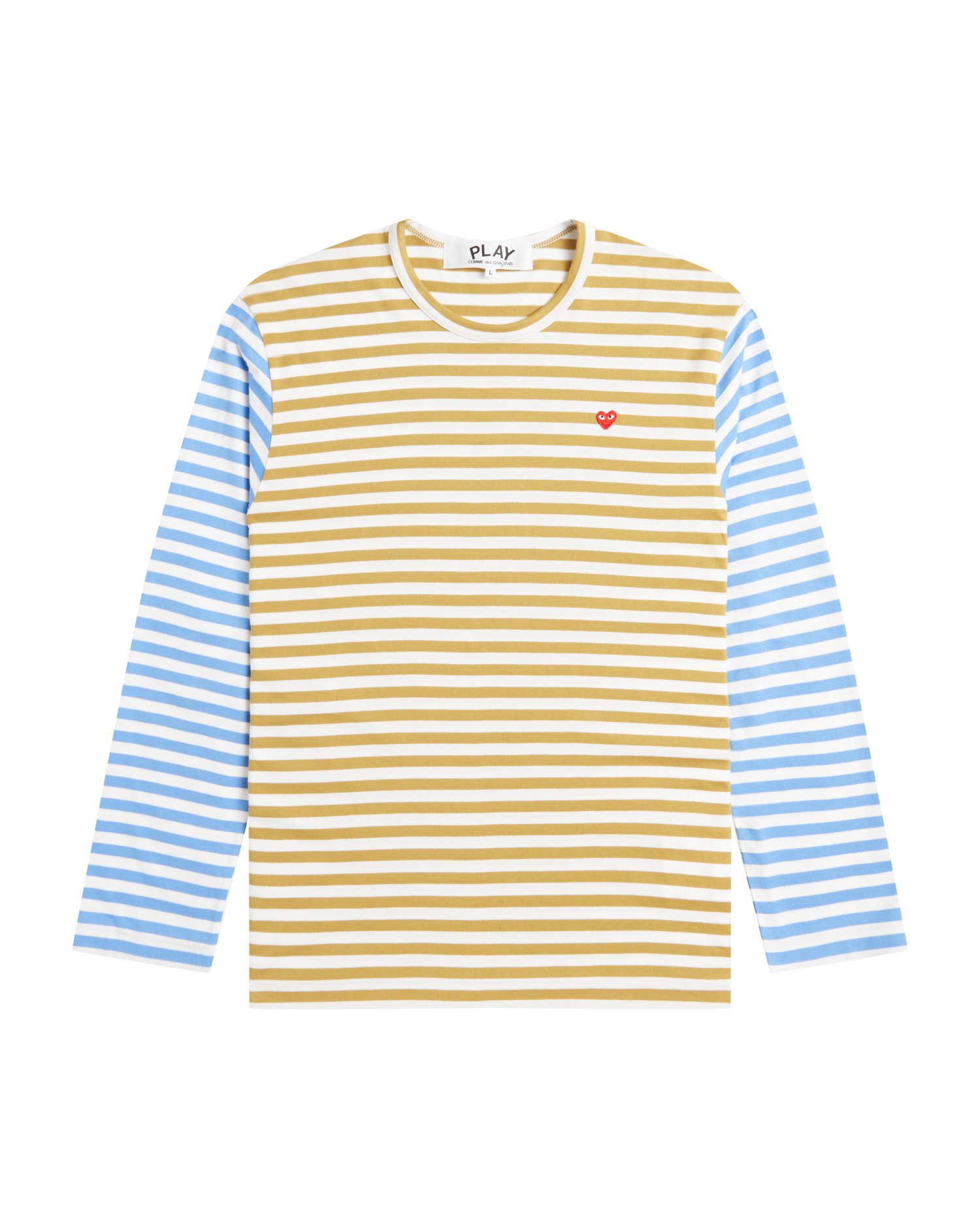
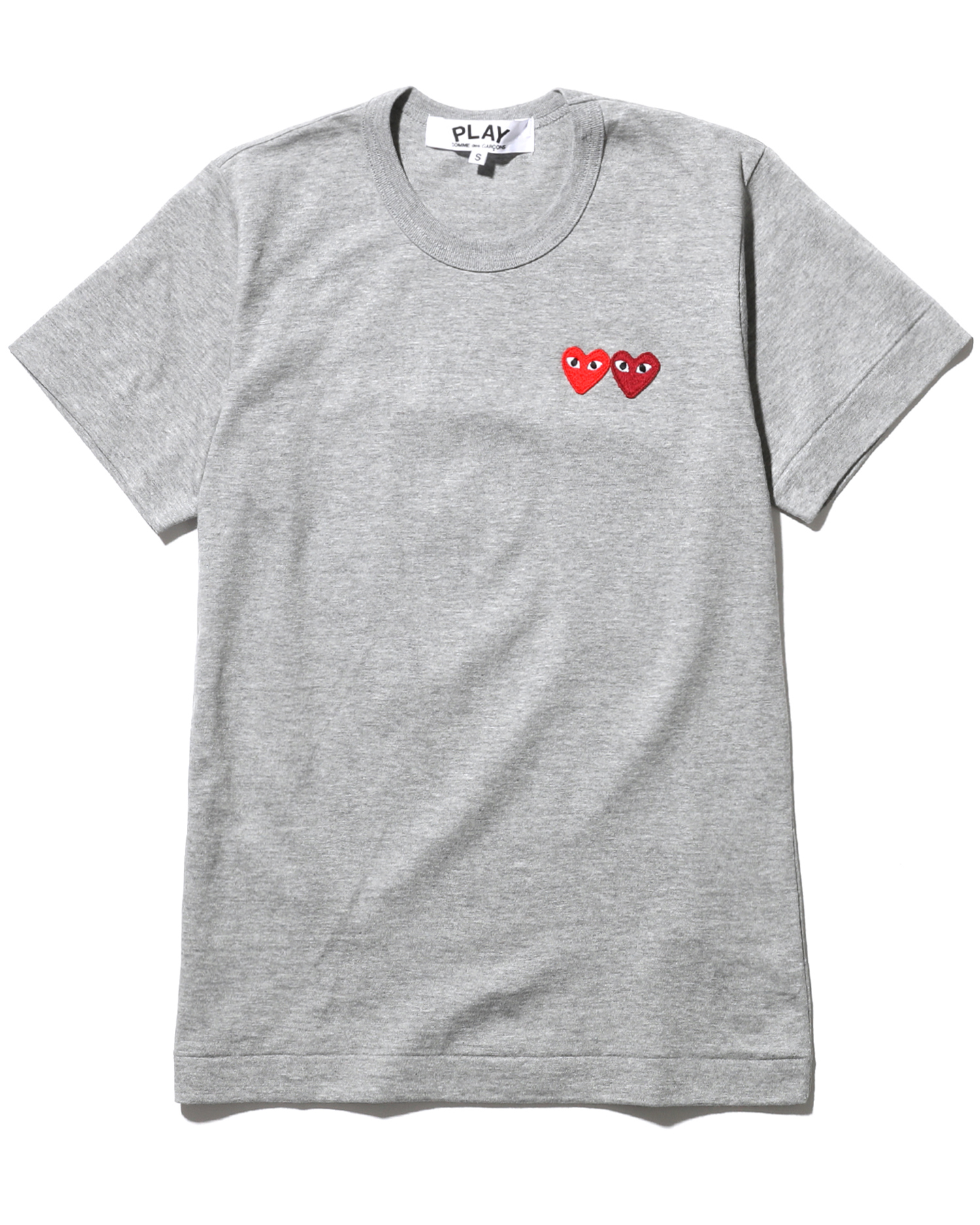
There is a peculiar moment of cognitive dissonance when you spot a product in a Costco aisle that was once the secret handshake of a fashion cognoscenti. The heart with eyes — that mischievous, slightly unsettling logo of PLAY Comme des Garçons — has completed a journey so paradoxical it deserves its own sociological study. Born in the gritty, intellectual rebellion of Rei Kawakubo's Tokyo ateliers, the logo now finds itself plastered on mass-market sneakers, removed from Costco shelves after a viral frenzy, and endlessly reissued in collaboration with Converse, K-Way, and The North Face. The transition from subcultural badge to retail ubiquity is not merely a story of commercial success; it is a case study in how fashion's most potent symbols are inevitably consumed by the very mainstream they once defined themselves against.
The irony is deliciously layered. Kawakubo's mainline Comme des Garçons is a fortress of avant-garde purity, where garments are deconstructed, distorted, and deliberately unwearable by conventional standards. Her half-century of rebellion, as documented by nippon.com, has been a continuous assault on the very notion of what clothing should be. Yet PLAY — the diffusion line designed by Polish artist Filip Pagowski — operates as the brand's friendly, accessible face. The heart, with its single open eye, is a piece of graphic whimsy that Kawakubo reportedly had little personal investment in, viewing it as a commercial necessity rather than an artistic statement. This detachment is precisely what allowed the logo to proliferate without the protective shield of artistic seriousness. It was always a product, never a manifesto.
The Logo as Universal Translator
And proliferate it did. The recent news cycle is a testament to the logo's relentless expansion: a new K-Way collaboration reimagining the iconic Le Vrai jacket in Nylon 4.0, a reissued Converse Pro Leather featuring the single hearts pack, and a Shinjuku Isetan pop-up dripping with limited edition items. Each drop is met with the same feverish anticipation, the same queues of young consumers for whom the heart represents a gateway into the world of high fashion. The collaboration with The North Face, titled "PLAY TOGETHER," perfectly encapsulates this ethos — the logo as a universal translator, capable of elevating a puffer jacket into a status object while simultaneously reducing Kawakubo's radical legacy to a decorative emblem.
There is something almost tender in the way the heart clings to these utilitarian garments. A nylon windbreaker, a technical shell, a canvas sneaker — all become canvases for that single, unblinking eye. It is a democratization of design philosophy, stripped of its intellectual weight and rendered as pure, graphic joy. The tactile experience is no less significant: the puff-print hearts on K-Way's signature jacket invite touch, the rubberized logo on Converse soles catches the light, the embroidered eye on a North Face fleece feels almost alive. The logo has become a material presence, not just a visual one.
The Costco Moment
The Costco incident, however, was the ultimate inflection point. When Converse Chuck Taylors adorned with the PLAY heart appeared in the warehouse retailer, the fashion internet collectively gasped. Here was the final frontier of democratization: the heart had moved beyond boutique hype and into the aisles of bulk-pack everything. The subsequent removal of the shoes from Costco shelves, reported by Hypebeast, only added to the absurdity — even in its most mainstream incarnation, the logo managed to provoke a sense of scarcity-driven scandal. It was as if the symbol itself was aware of its own dilution and demanded a return to exclusivity, however performative.
The image of those sneakers stacked in neat rows beside industrial-sized jars of mayonnaise is almost too perfect. It is the visual equivalent of a paradox: underground credibility and suburban convenience sharing the same fluorescent-lit space. The heart's eye, unblinking, seemed to acknowledge the joke. It had seen everything — from the runway to the warehouse — and remained utterly, maddeningly neutral.
The Genius of Repetition
Yet this ubiquity is not a betrayal of Kawakubo's vision; it is the logical conclusion of it. Her rebellion was never about keeping fashion locked in ivory towers. It was about questioning hierarchy, and what greater hierarchy exists than the one between "real" fashion and mass consumption? The PLAY heart, in its cheerful ubiquity, has become a levelling device. It allows a teenager in Ohio to participate in the mythology of Comme des Garçons without understanding the deconstructed tailoring of a 1982 collection. The logo serves as a shorthand, a cultural meme that transcends the clothing it adorns. This is both its genius and its tragedy.
The constant reissuing of the Converse collaborations — a history now thoroughly documented by WWD — speaks to a consumer base that craves familiarity wrapped in the illusion of novelty. The heart's eye, perpetually open, sees everything and reveals nothing. It winks at the irony of its own existence, acknowledging that we are all participating in a grand performance of taste, whether our sneakers cost forty dollars or four hundred.
The Most Rebellious Act
In the end, the PLAY Comme des Garçons heart has achieved something far more subversive than avant-garde obscurity: it has made rebellion reproducible, affordable, and infinitely wearable. Kawakubo's legacy was never about exclusion — it was about questioning the very structures that define fashion. By allowing her most commercial venture to run wild, she has created a paradox that no amount of deconstruction could match. The heart with eyes is not a diluted version of her vision; it is the ultimate expression of it. A symbol that refuses to be contained, that thrives in the gap between high and low, that winks at us from a warehouse shelf — perhaps that is the most rebellious act of all.