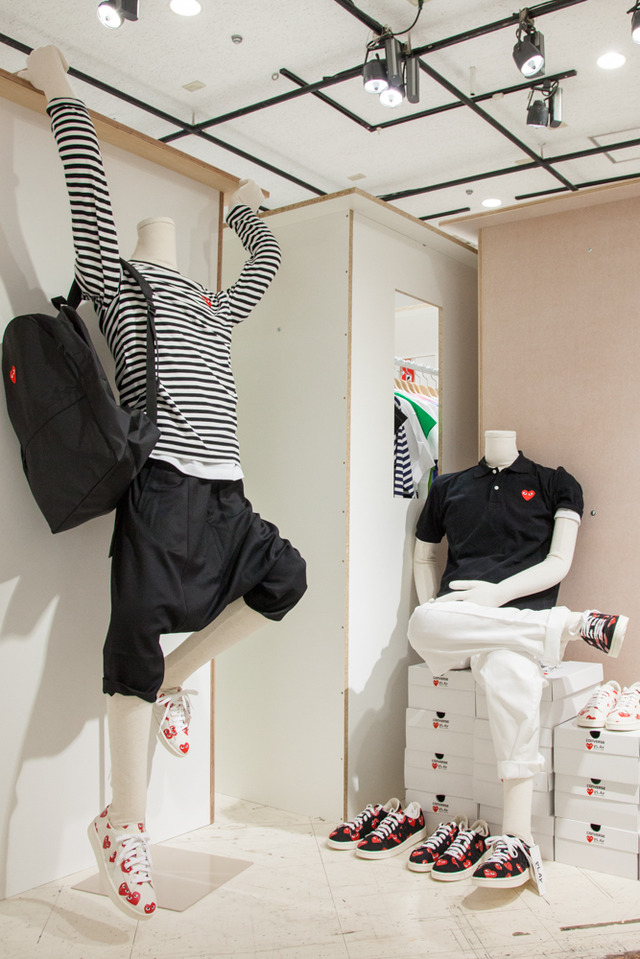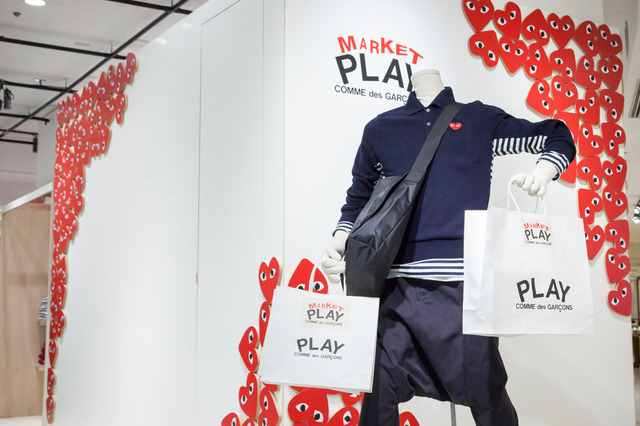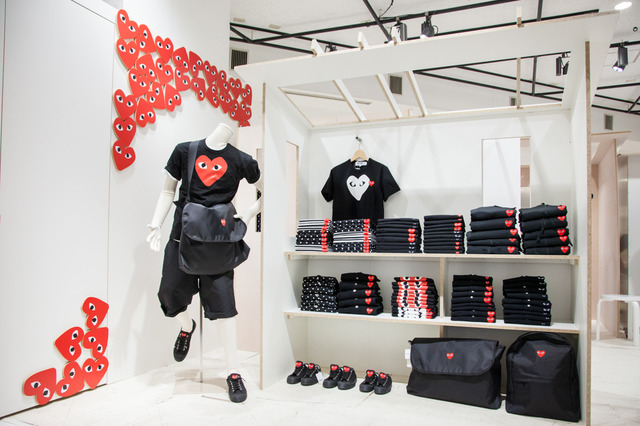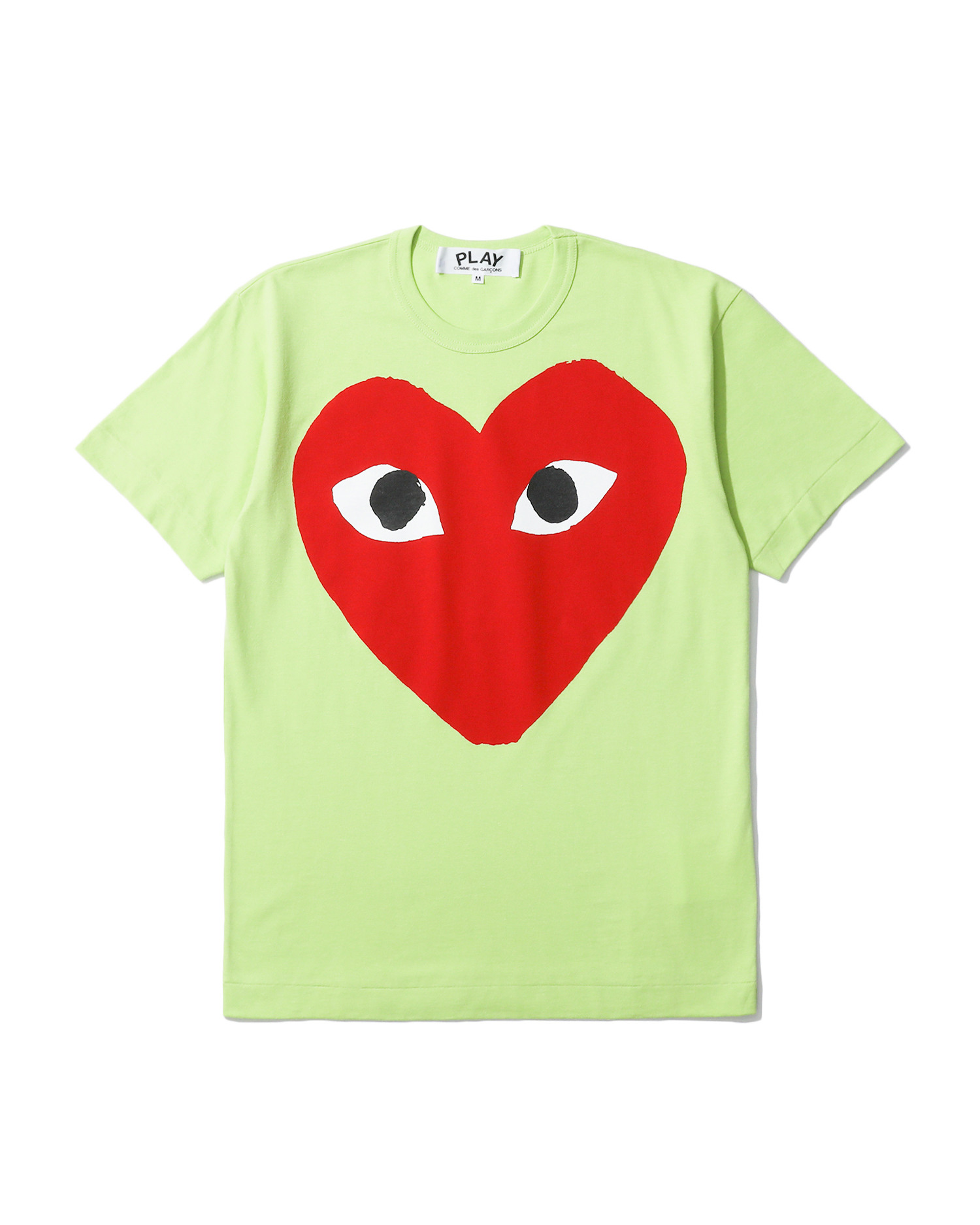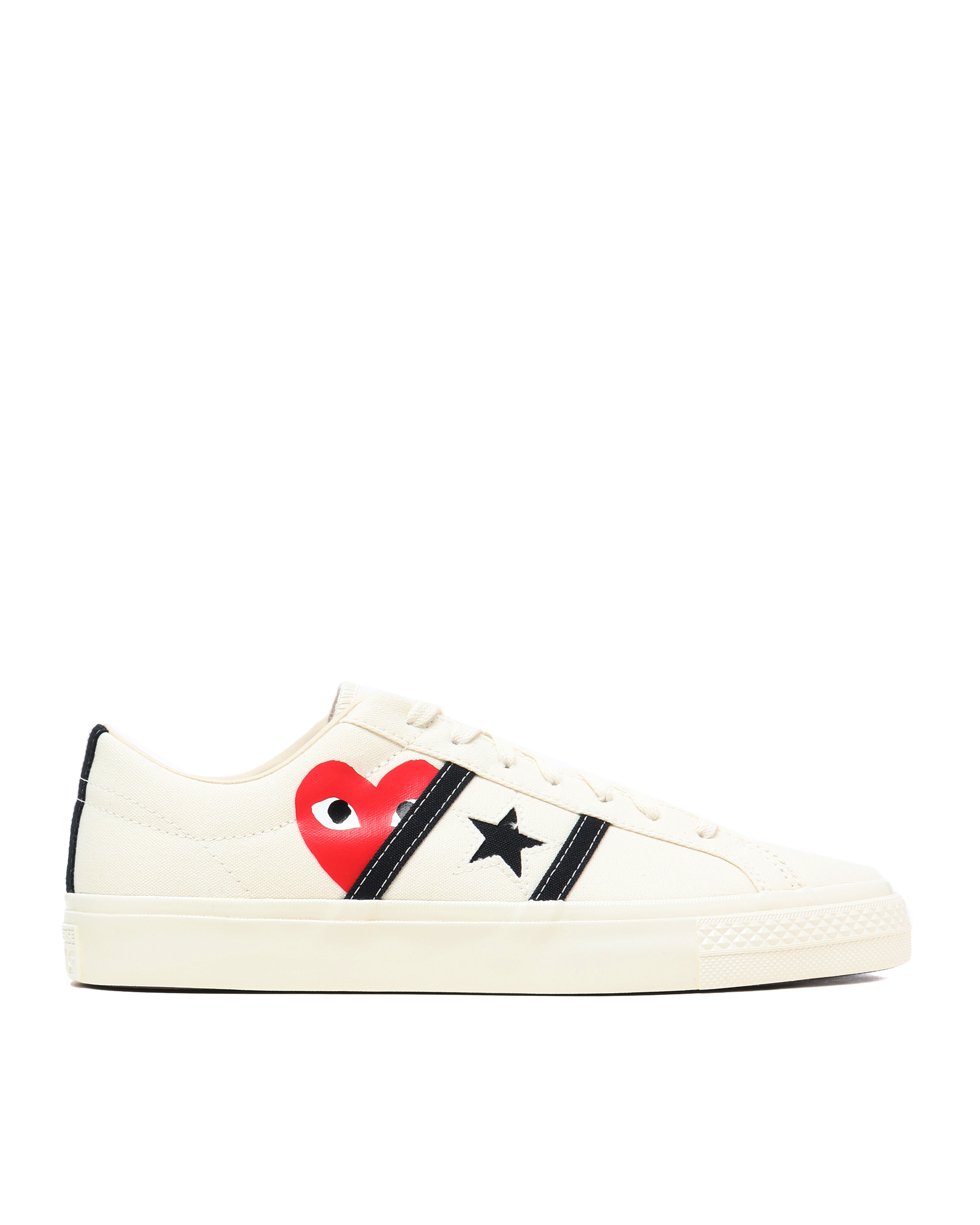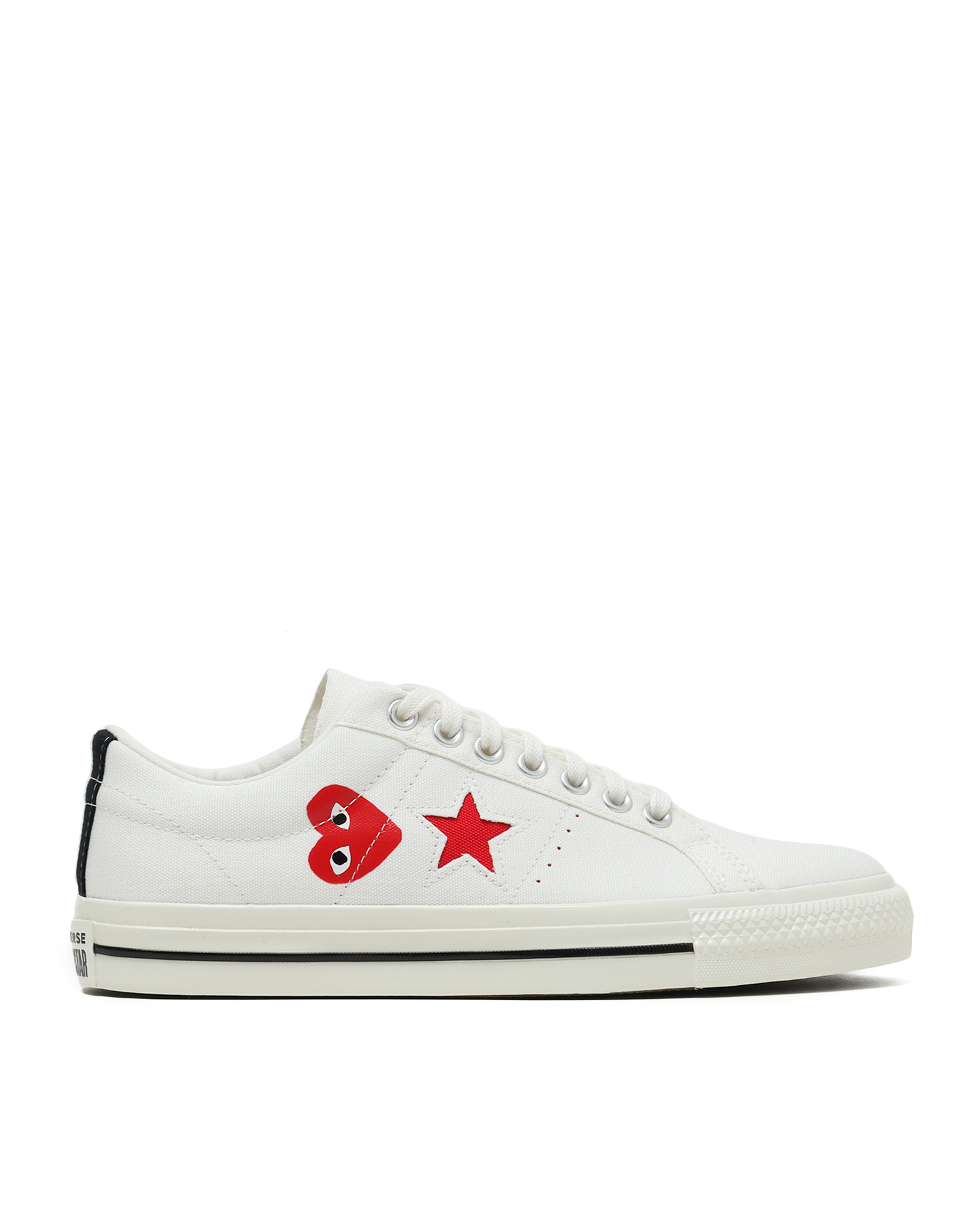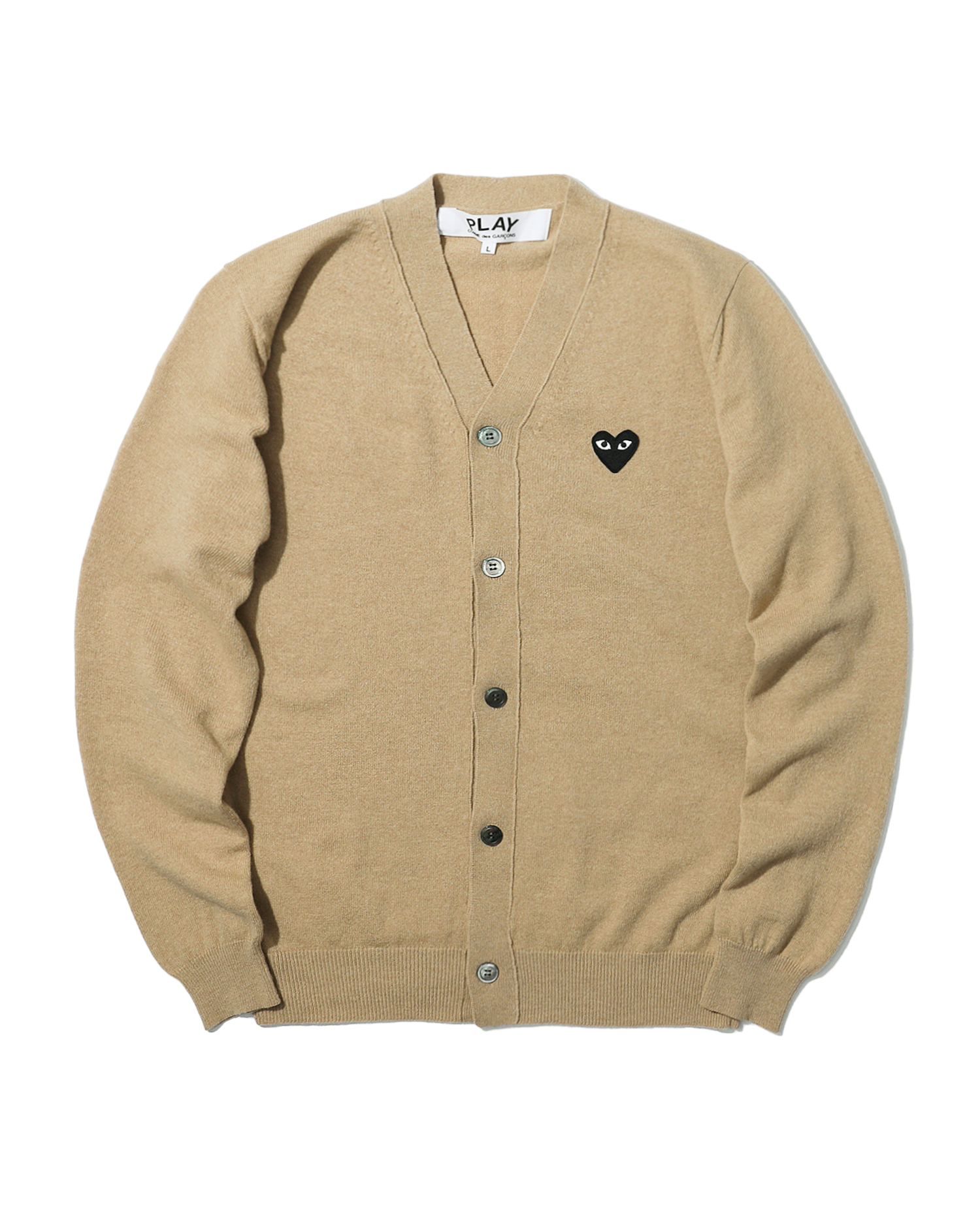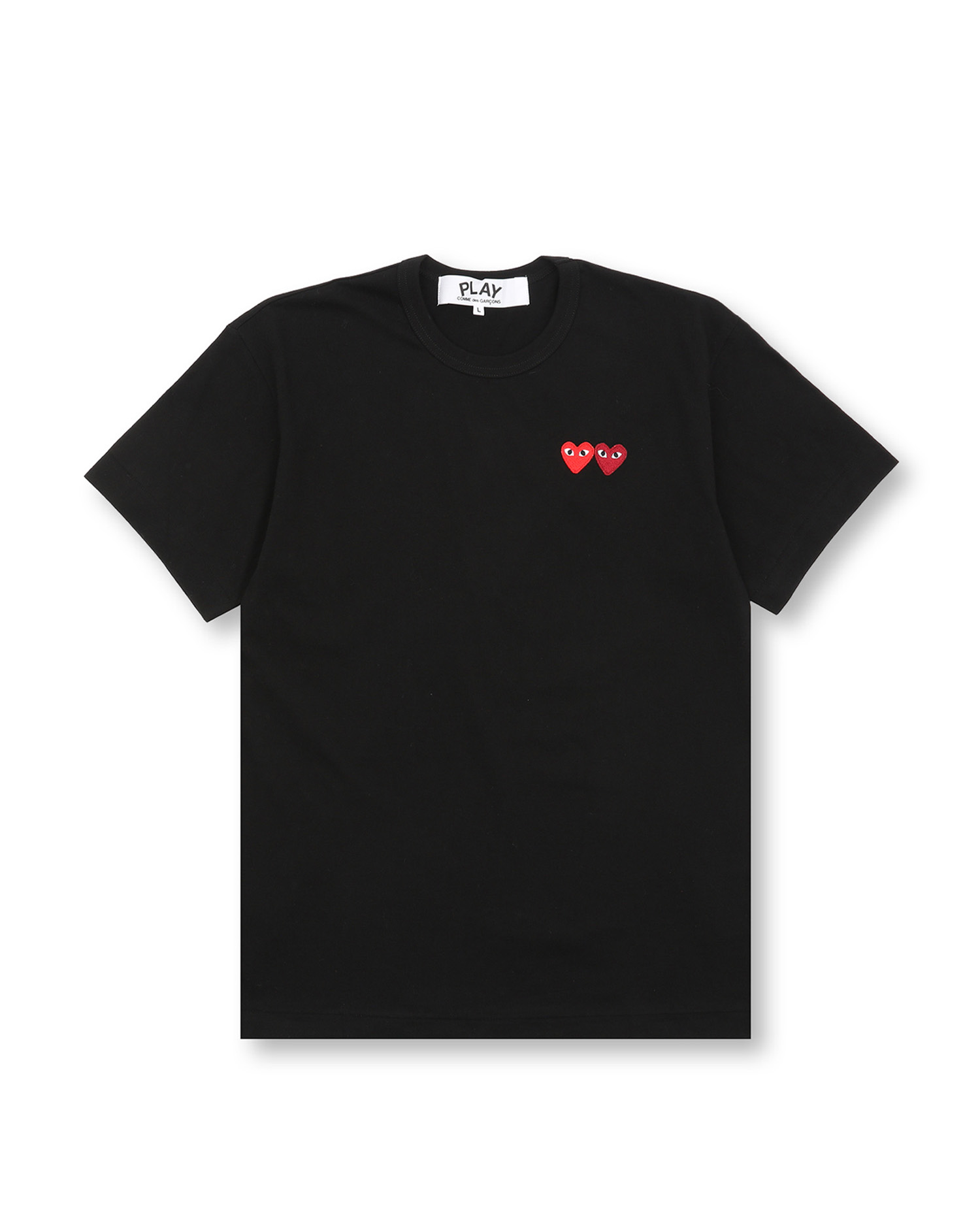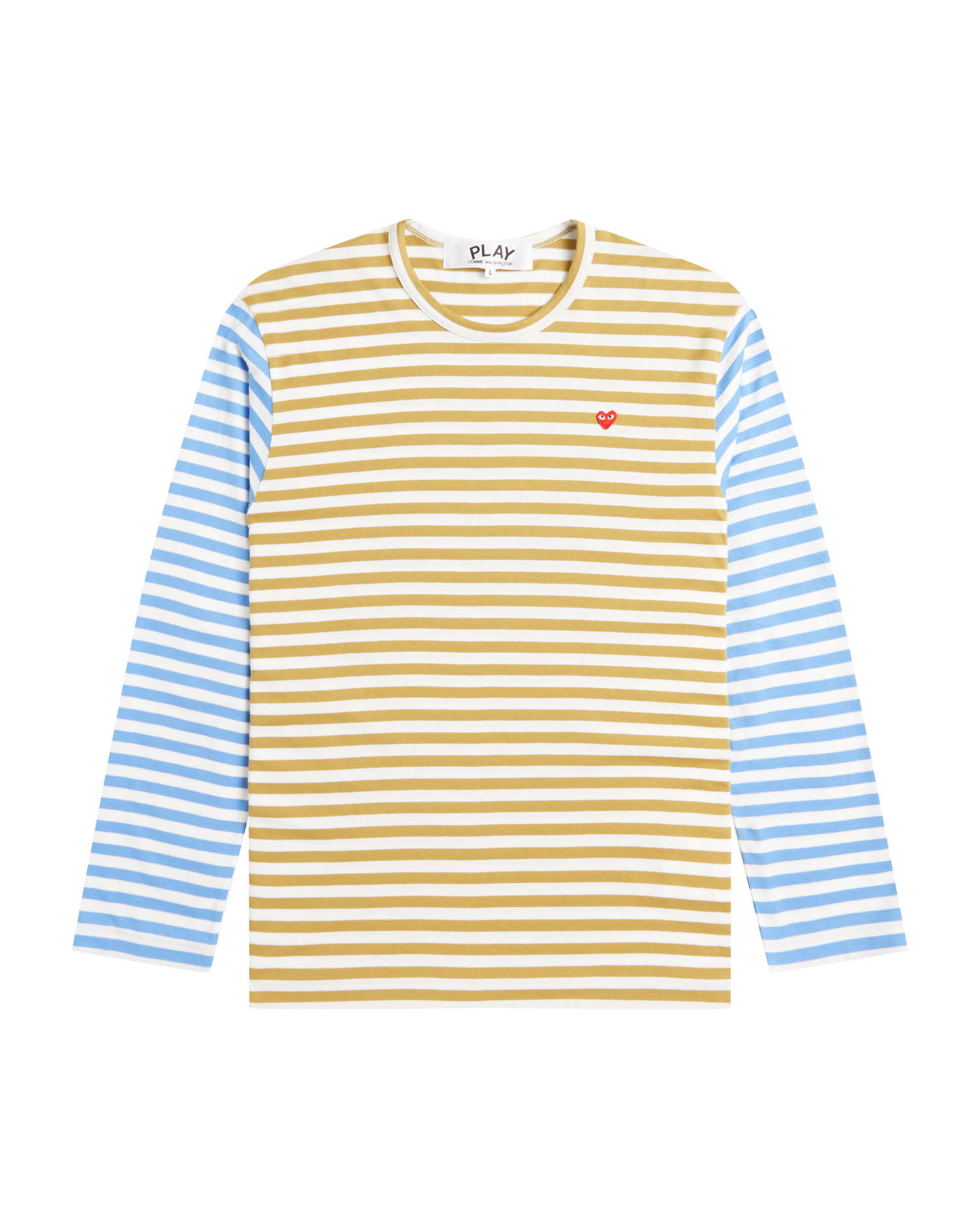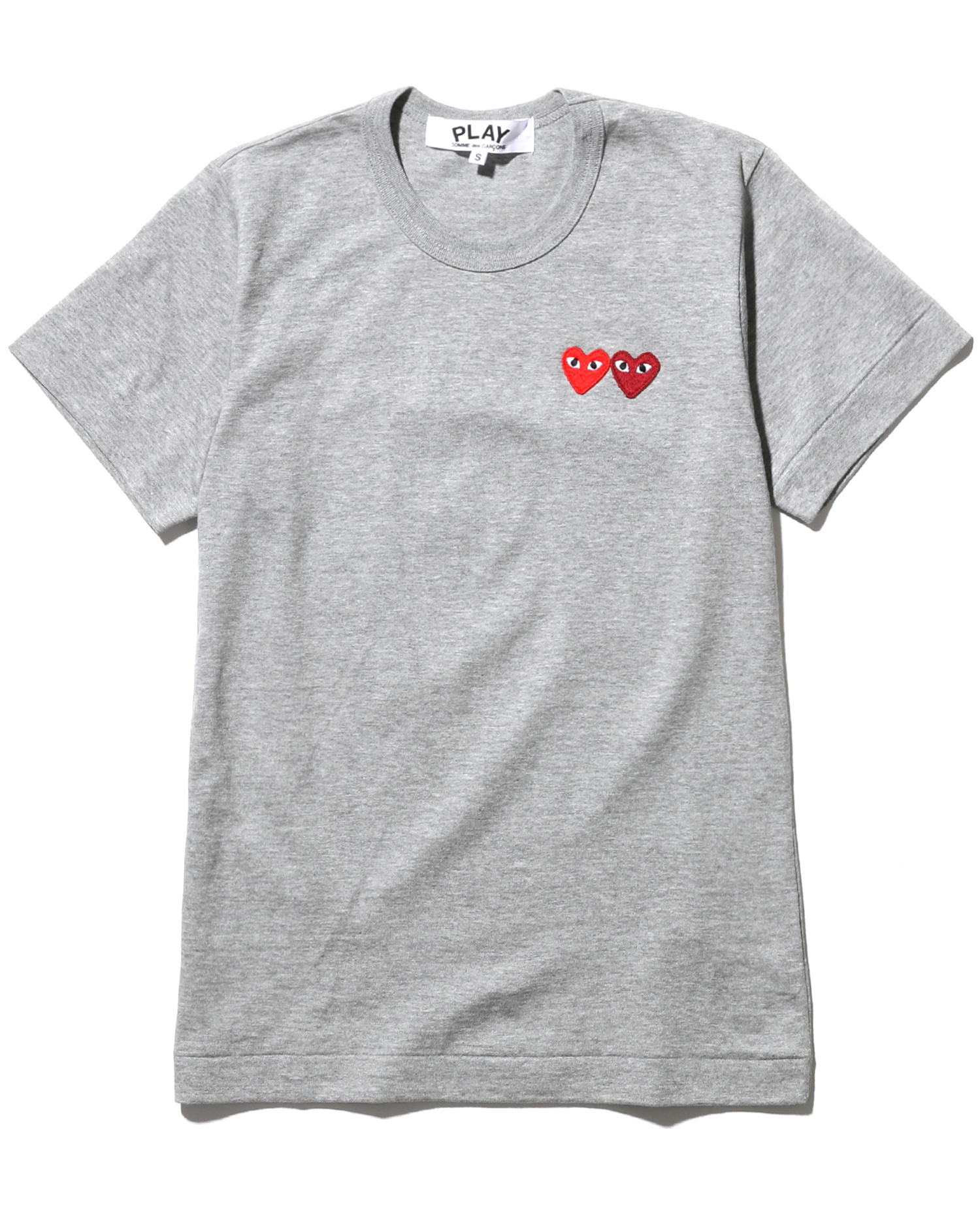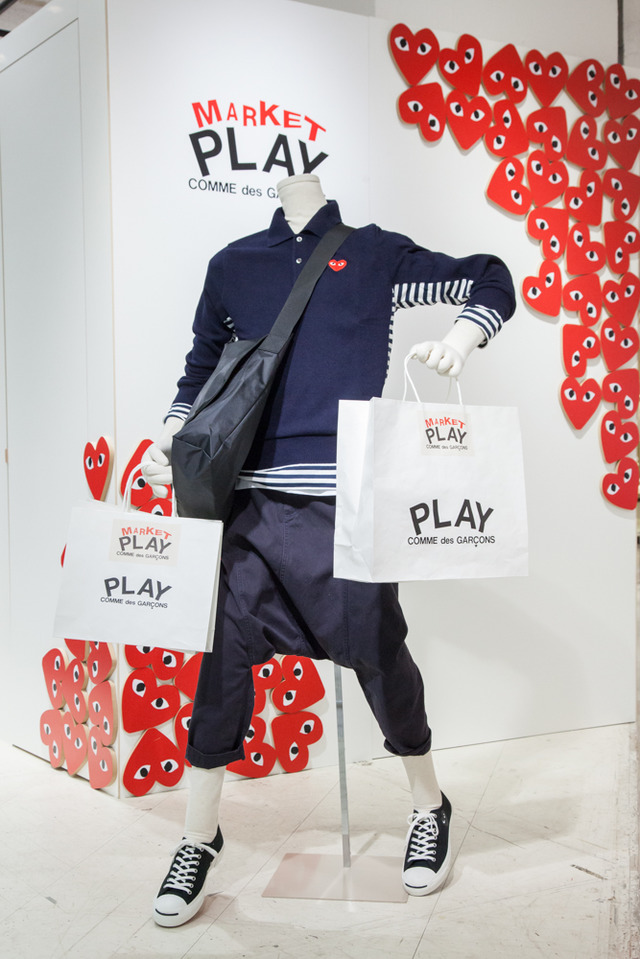
For two fleeting weeks, the sixth floor of the Isetan Shinjuku Men's Building becomes the beating heart of Tokyo streetwear. PLAY Comme des Garçons — the diffusion line that turned Rei Kawakubo's avant-garde universe into a global emblem via Filip Pagowski's now-ubiquitous heart-and-eyes motif — has installed a limited-run pop-up at the storied department store, and the exclusive items on offer are reshaping how collectors regard a label long dismissed by purists as mere merchandise. The premise is deceptively simple: a curated arsenal of limited-edition pieces, available only within the pop-up's narrow window, never to be restocked. In a market saturated with logo-driven collaborations, scarcity of this order is the rarest luxury of all.
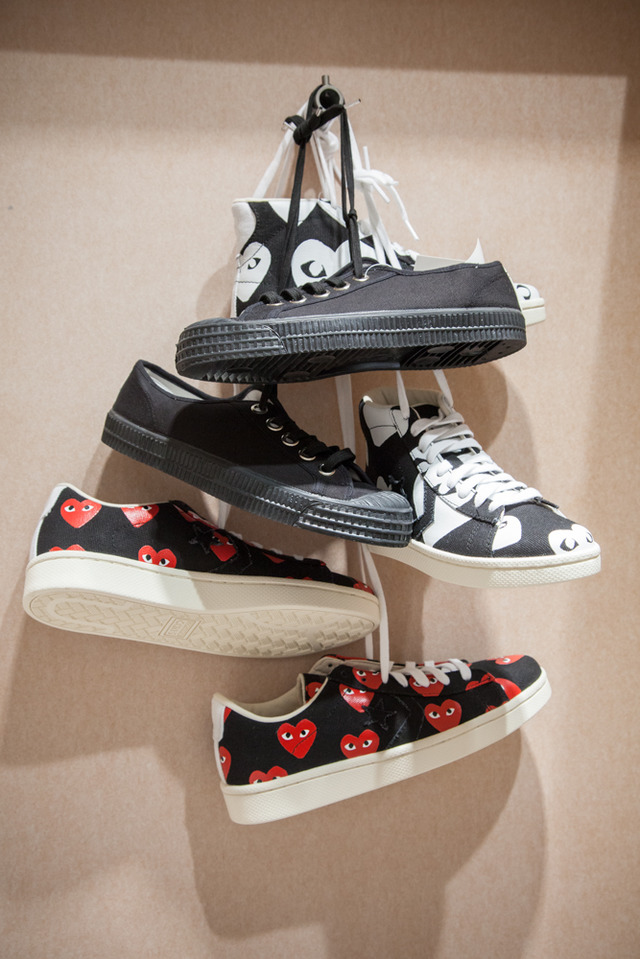
The timing is not accidental. Kawakubo's half-century of continuous revolution — recently revisited in a sweeping nippon.com retrospective — has never felt more relevant, and the broader Comme des Garçons ecosystem is visibly reasserting its cultural gravity: Dover Street Market's New York flagship hosted Dazed Club's inaugural takeover, a POCKET shop-in-shop has opened in Athens, and the house's collaborative instincts remain sharp. The K-Way x PLAY Comme des Garçons capsule, which reworks the iconic Le Vrai jacket in Nylon 4.0, and the fifteen-year-anniversary reissue of the original Converse Single Hearts pack — alongside the heart-adorned Pro Leather and platform silhouettes — all signal a brand in confident, collectible motion. The Isetan pop-up distills that momentum into its purest form: garments and accessories you cannot buy anywhere else.
The Tension in the Heart
What distinguishes these limited items is the tension they embody. The heart-and-eyes logo, designed by Pagowski in 2002, was always a knowing wink — a Pop-art gesture smuggled into the severe architecture of Comme des Garçons. At Isetan, that dialectic sharpens. Each exclusive piece is a small act of curation: the familiar heart rendered in seasonal-only colorways, silhouettes cut specifically for the drop, and the implicit understanding that once the two weeks close, the floor reverts and these pieces pass into the realm of the archive. For the devoted, this is the difference between wearing the line and owning its history.
A Continuum, Not a Hierarchy
Culturally, the pop-up lands at an inflection point for diffusion lines generally. As Culted's recent guide to Comme des Garçons' subsidiary labels makes plain, the house's tiered ecosystem — from the main line's conceptual rigor to PLAY's democratic reach — is increasingly read not as hierarchy but as a continuum. Kawakubo's genius has always been institutional: she builds structures, then lets them breathe. A two-week Shinjuku residency is that philosophy applied to retail — ephemeral, site-specific, and utterly of the moment. It rewards presence. You must be there, in the building, in the window, to participate.
For the Collector, By the Building
Who is this for? Certainly the Tokyo-based collector who understands that Isetan exclusives carry a particular cachet — the department store's men's floor is a pilgrimage site, and its limited drops are tracked with the seriousness of sneaker releases. But equally, it speaks to the international enthusiast who has watched PLAY evolve from a gateway into a genuine object of study, and who recognizes that the line's collaborative energy — K-Way, Converse, and beyond — has made its rarities more desirable, not less. The pop-up is a reminder that accessibility and exclusivity can coexist when the former is executed with rigor and the latter with restraint.
The Thrill of the Finite
Why it matters now is precisely this: in an era of perpetual restocks and endless reissues, PLAY Comme des Garçons at Isetan Shinjuku insists on the old-fashioned thrill of the finite. Two weeks. One building. A handful of pieces that will never be made again. It is Kawakubo's rebellion scaled down to a heartbeat — brief, insistent, and impossible to ignore.