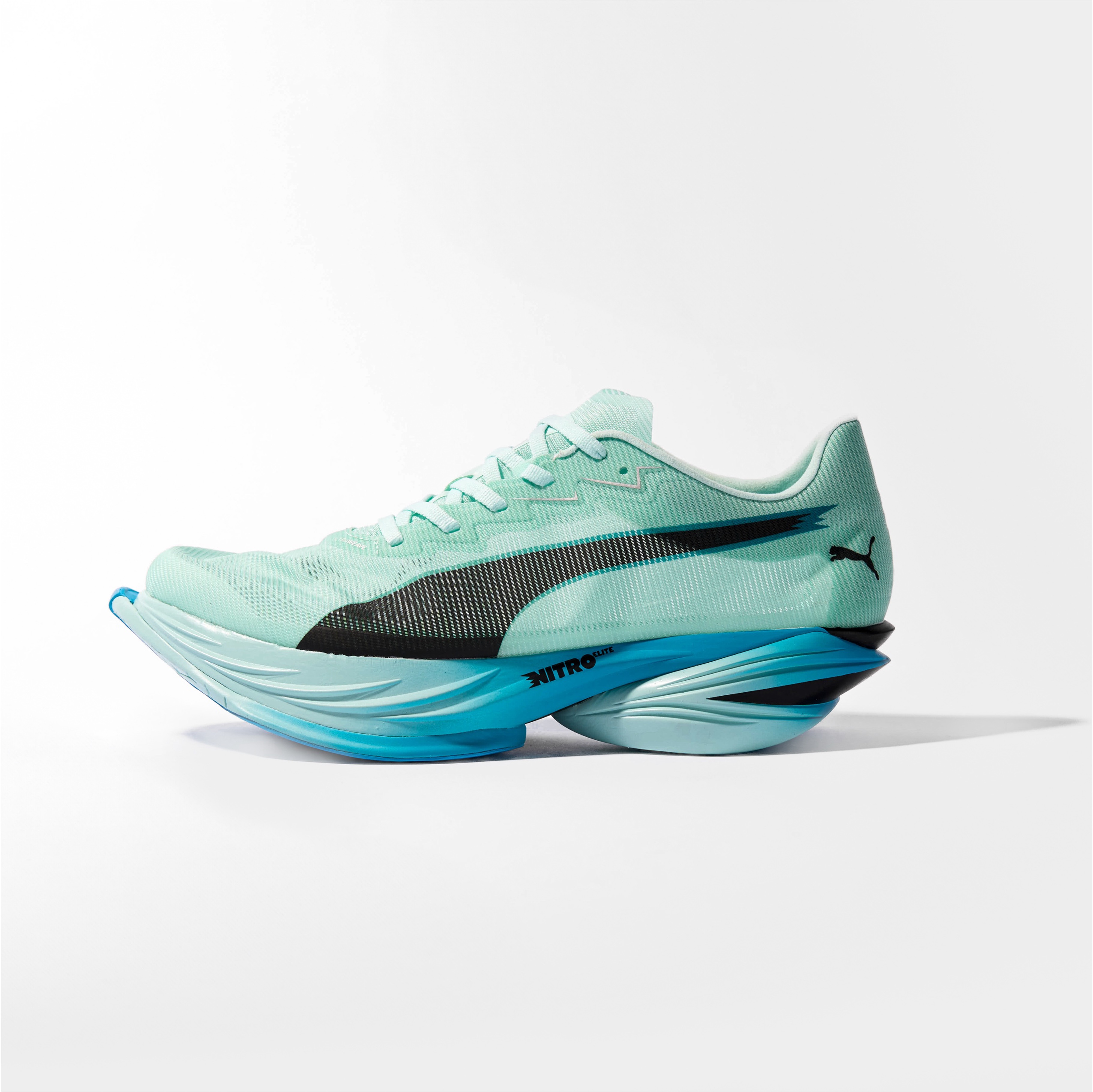
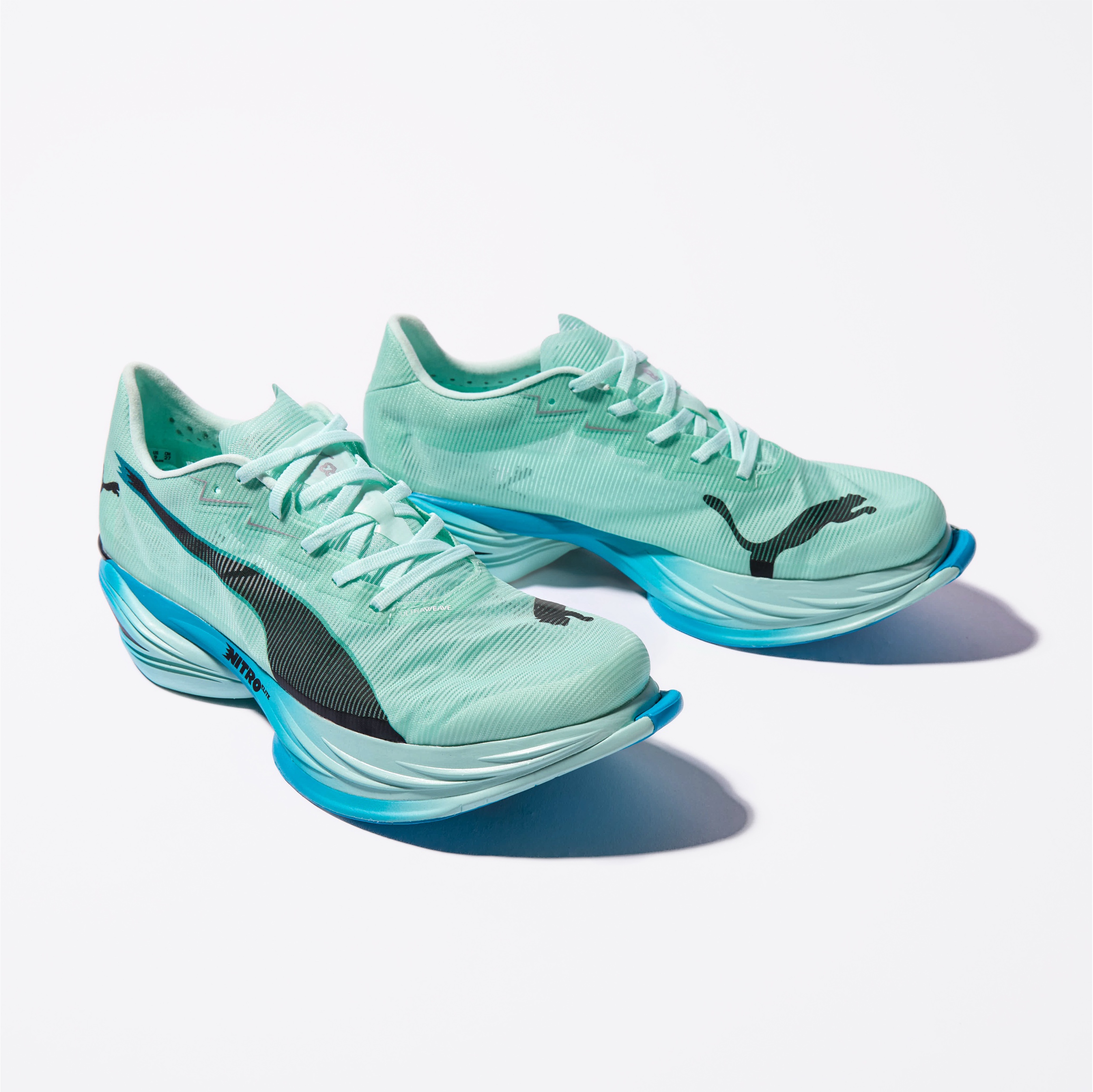
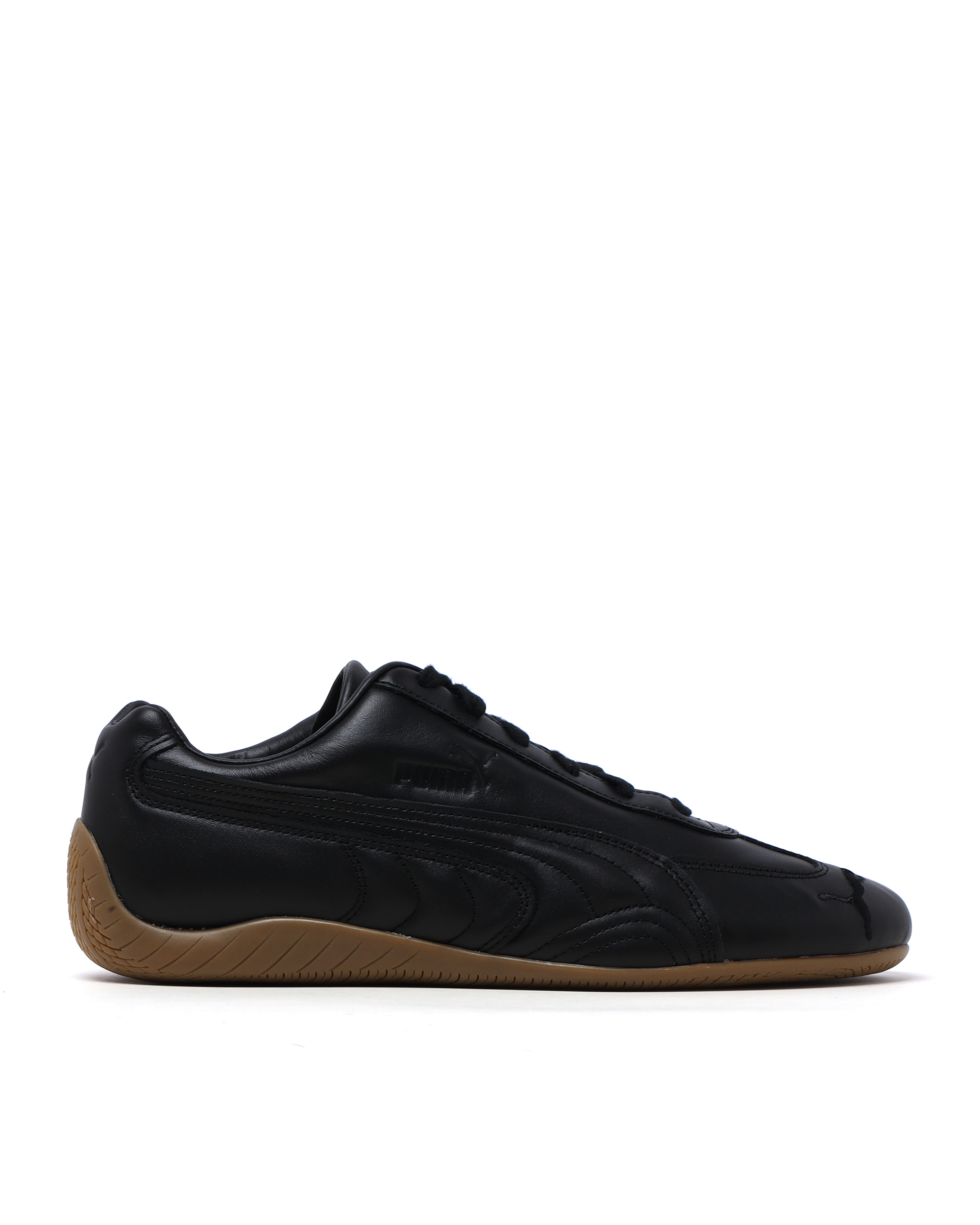
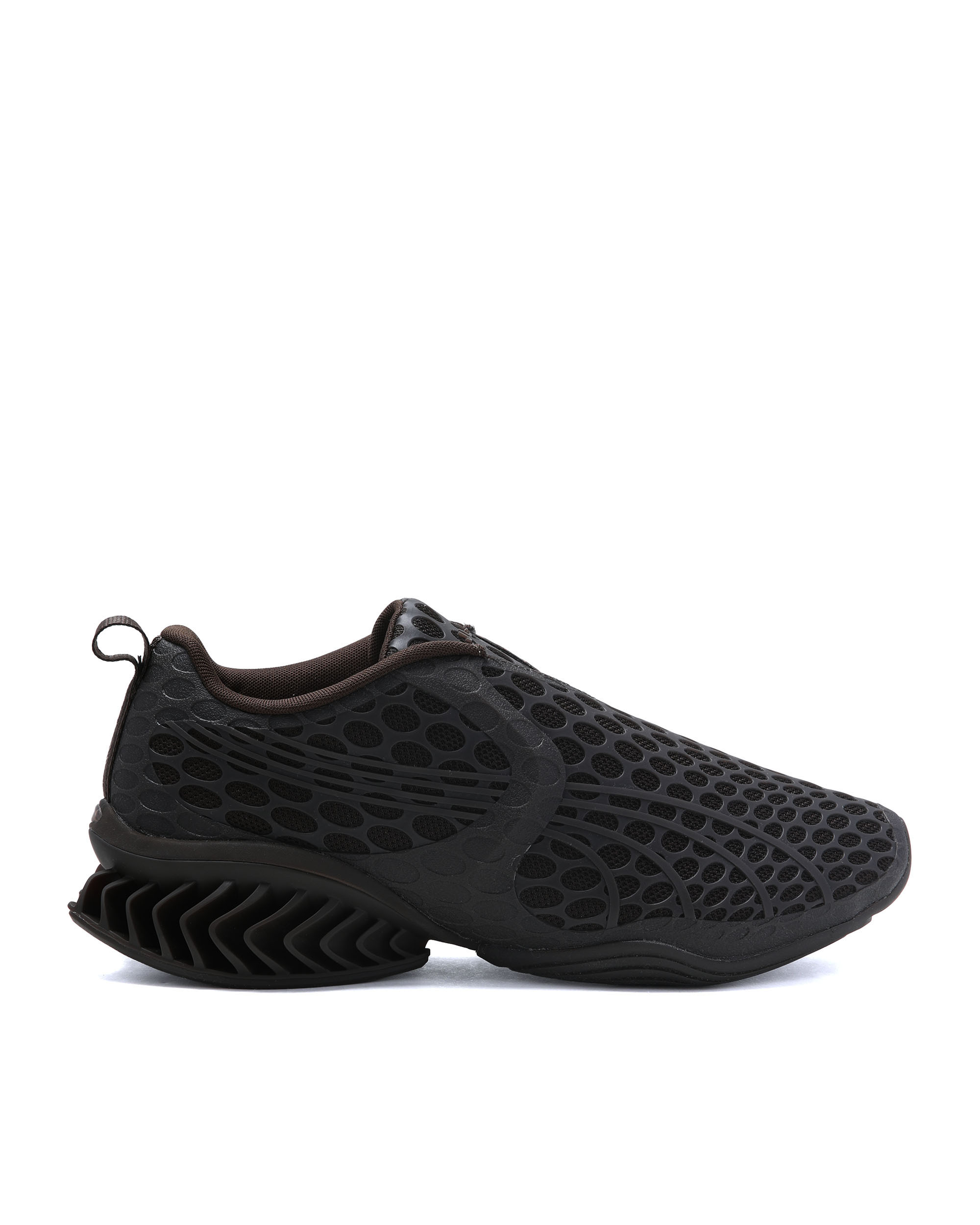
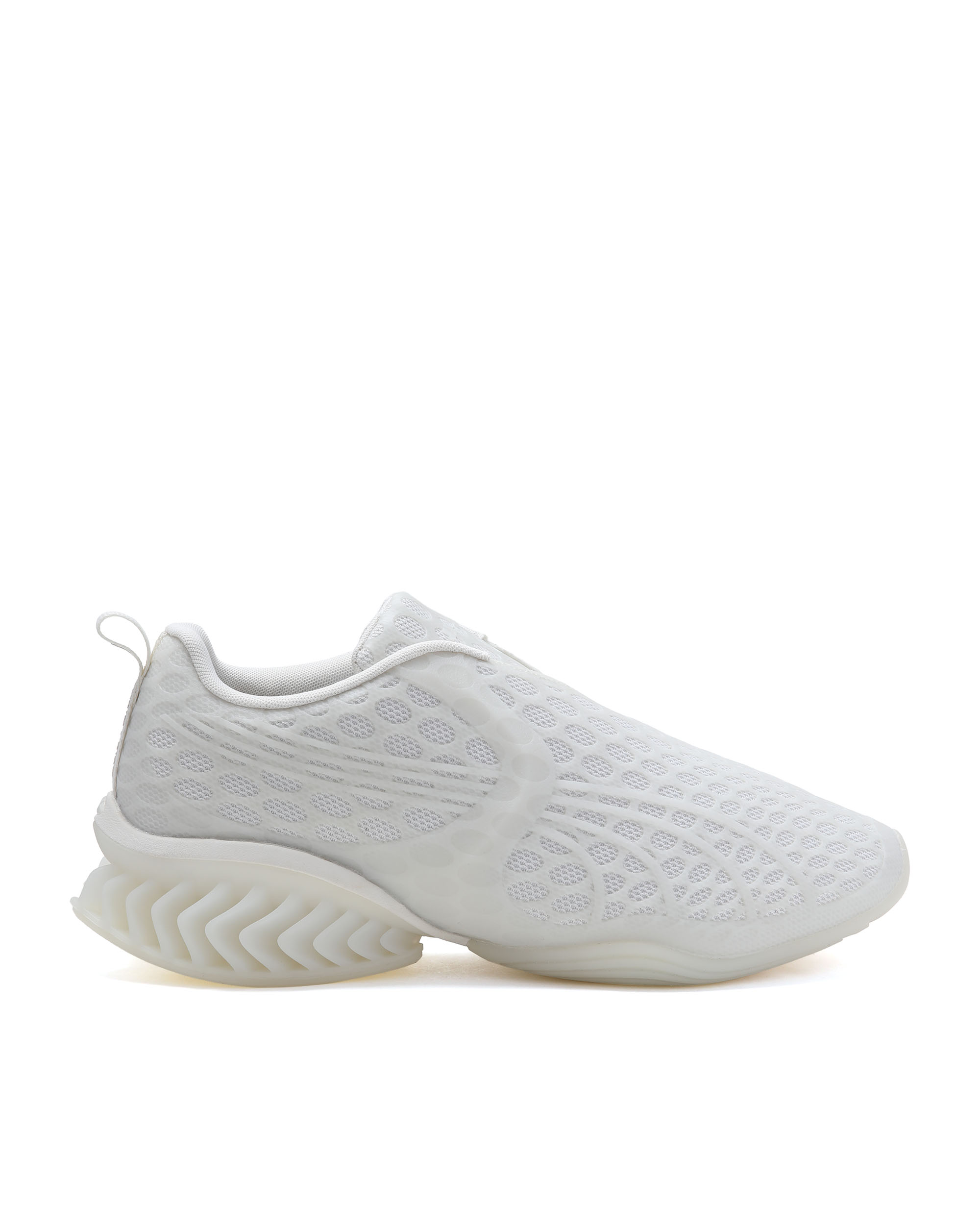
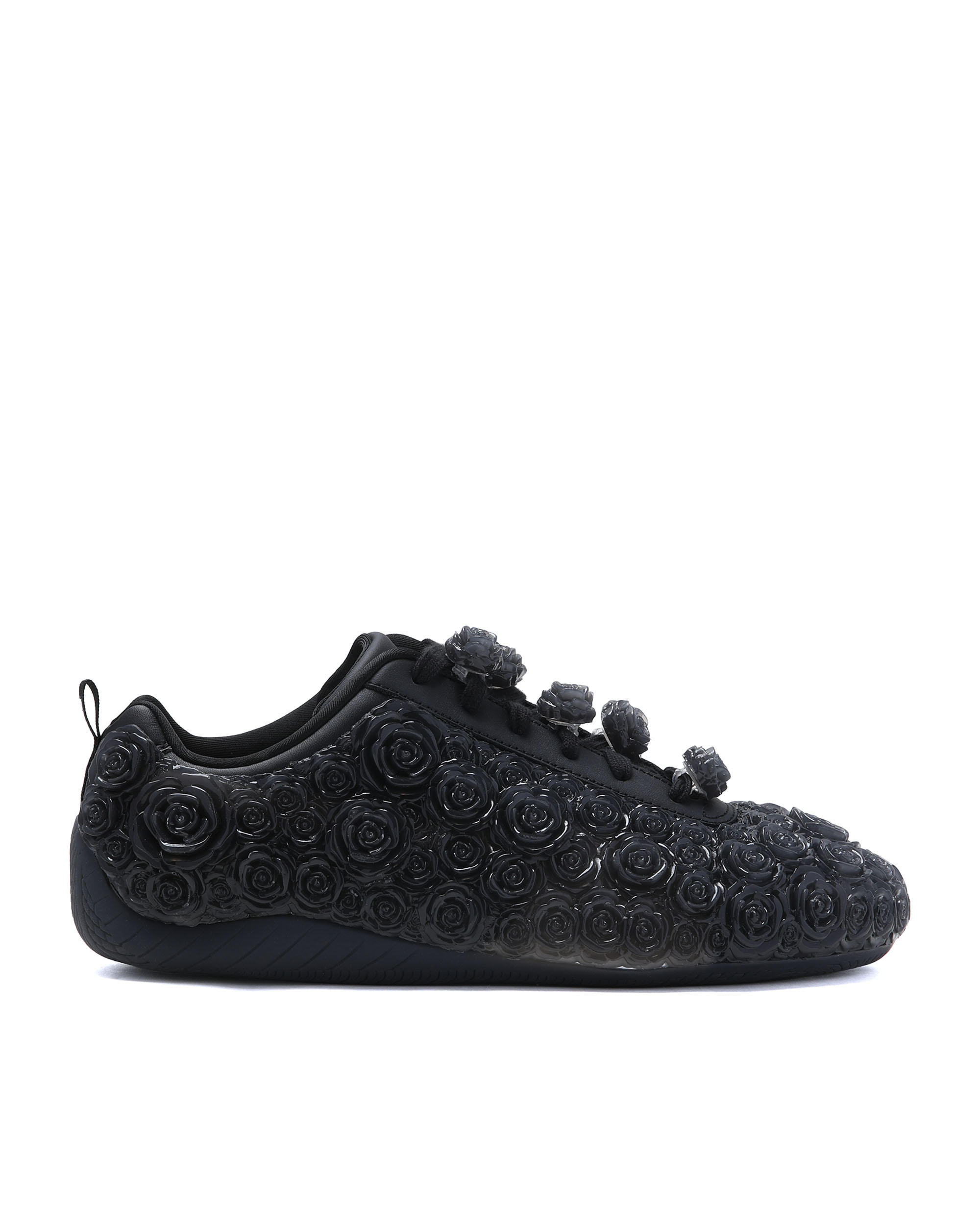
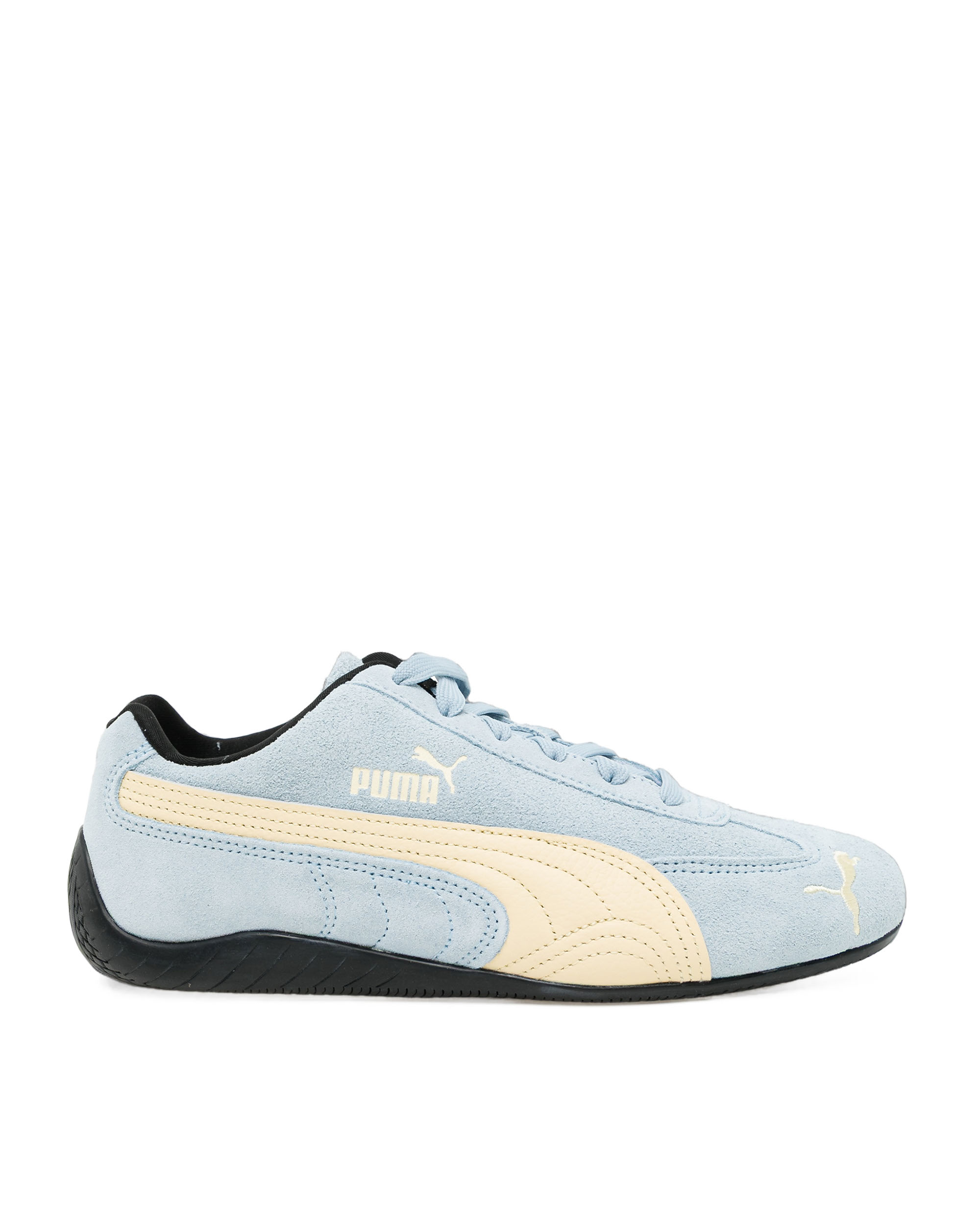
When a prototype escapes the lab and lands directly on the feet of the world’s fastest humans, the running world stops to stare. The PUMA Fast-R NITRO Elite Beta is precisely that kind of disruption—a shoe that doesn’t merely iterate on the supershoe formula but interrogates its very architecture. Arriving as PUMA’s first-ever racing model to feature a fully exposed carbon plate and an asymmetric lacing system, this Beta iteration is less a product refresh and more a manifesto on speed. It signals a bold shift for the German sportswear giant, moving from reliable contender to avant-garde innovator in the elite marathon conversation.
The running world has grown accustomed to a certain visual monotony—slabs of marshmallow-white foam, hidden plates, and a sameness that borders on corporate uniformity. The Fast-R NITRO Elite Beta shatters that silence with a silhouette that looks like it was pulled from a concept car reveal. This is PUMA refusing to blend in, and the result is nothing short of electrifying.
The Exposed Plate: Structure as Statement
At first glance, the Fast-R NITRO Elite Beta looks like it was sketched by a futurist who had just watched a Formula 1 qualifying session. The most arresting detail is the exposed carbon plate that snakes visibly along the medial side, not hidden beneath a thick slab of foam as is convention. This isn’t just a stylistic flourish; it’s a functional declaration. By leaving the plate visible, PUMA engineers have created a structural exoskeleton that enhances torsional rigidity and delivers a more aggressive toe-off. The plate works in concert with a dual-density midsole—a top layer of the ultra-soft NITRO Elite foam for cushioned impact and a stiffer bottom layer for propulsion. The result is a ride that feels both violently springy and remarkably stable, a sensation that rewards midfoot strikers with a pronounced, almost mechanical forward roll.
There’s something almost sculptural about the way the carbon curves along the arch, catching light mid-stride. It’s the kind of detail that makes you want to hold the shoe in your hands, turn it over, trace the exposed weave with a fingertip. In an era where performance tech is increasingly buried beneath layers of discreet foam, PUMA has chosen to wear its engineering on its sleeve—or rather, on its sole.
Asymmetric Lacing: Biomechanics, Perfected
The asymmetric lacing system is the second pillar of this design rebellion. Anchored by a wing-like structure that wraps the arch, the laces are angled toward the lateral side of the foot. This is not about aesthetics; it is about biomechanical efficiency. Because the foot naturally pronates during the gait cycle, traditional central lacing can create pressure points over the navicular bone. PUMA’s offset lacing pulls the medial side of the upper tighter, locking the heel and midfoot in place while relieving stress on the sensitive instep. This creates a glove-like fit that feels custom-mapped to the foot’s natural anatomy, allowing the athlete to turn over more efficiently without energy-sapping micro-adjustments.
Slip them on and the difference is immediate. There’s no fiddling, no re-lacing mid-run, no hot spots forming over the arch. The upper disappears around your foot in a way that feels almost bespoke—a quiet luxury that only reveals itself over the course of a long, hard effort.
A Cultural Disruption in the Supershoe Arms Race
Culturally, the Fast-R NITRO Elite Beta arrives at a pivotal moment. The supershoe arms race has plateaued; every brand now offers a pebax-foamed, carbon-plated marathon racer that looks eerily similar. PUMA’s decision to expose the plate is a direct challenge to that homogeneity. It echoes the brand’s heritage in disruptive design—from the iconic Clyde silhouette to the disc-lacing systems of the 90s—while firmly planting a flag in the modern performance era. This is a shoe for the athlete who rejects the notion that racing shoes must be a monochrome slab of foam. The Beta’s aggressive, almost skeletal profile has already made waves on the World Marathon Majors circuit, where the silhouette’s distinctive plate catches the camera flashes. It is a visual cue that performance and provocation are not mutually exclusive.
In a market saturated with safe, proven designs, the Fast-R NITRO Elite Beta stands as a defiantly engineered specimen—a reminder that the most exciting innovations often arrive from the margins, not the center.
Who Should Answer the Call
Who is this shoe for? It is not for the casual jogger. The Fast-R NITRO Elite Beta is a competition-day weapon engineered for sub-3-hour marathoners and elite 10K to half-marathon specialists who demand maximum energy return at threshold pace. The stack height is substantial, but the firm lower layer requires a runner with sufficient strength to compress the foam effectively. This is a tool for the athlete who is willing to adapt their stride to a machine designed to exploit the carbon plate’s leverage. Runners who favor a heavy heel-strike will find the geometry less forgiving; the shoe rewards those who attack the ground under their center of mass.
Why does it matter now? Because the running industry is facing a crisis of creative inertia. As World Athletics tightens regulations on stack heights and plate configurations, brands must innovate within constraints. PUMA has responded not by adding more foam, but by rethinking how the plate and the upper interact with the skeleton of the foot. The Beta designation implies an ongoing experiment—a promise that this is not the final answer but the first question.
For those chasing a personal best, it offers something rare: a genuine leap into the unknown, with the carbon plate leading the charge. PUMA has always been a brand that moves to its own rhythm—and with the Fast-R NITRO Elite Beta, it’s clear the beat has only gotten faster.