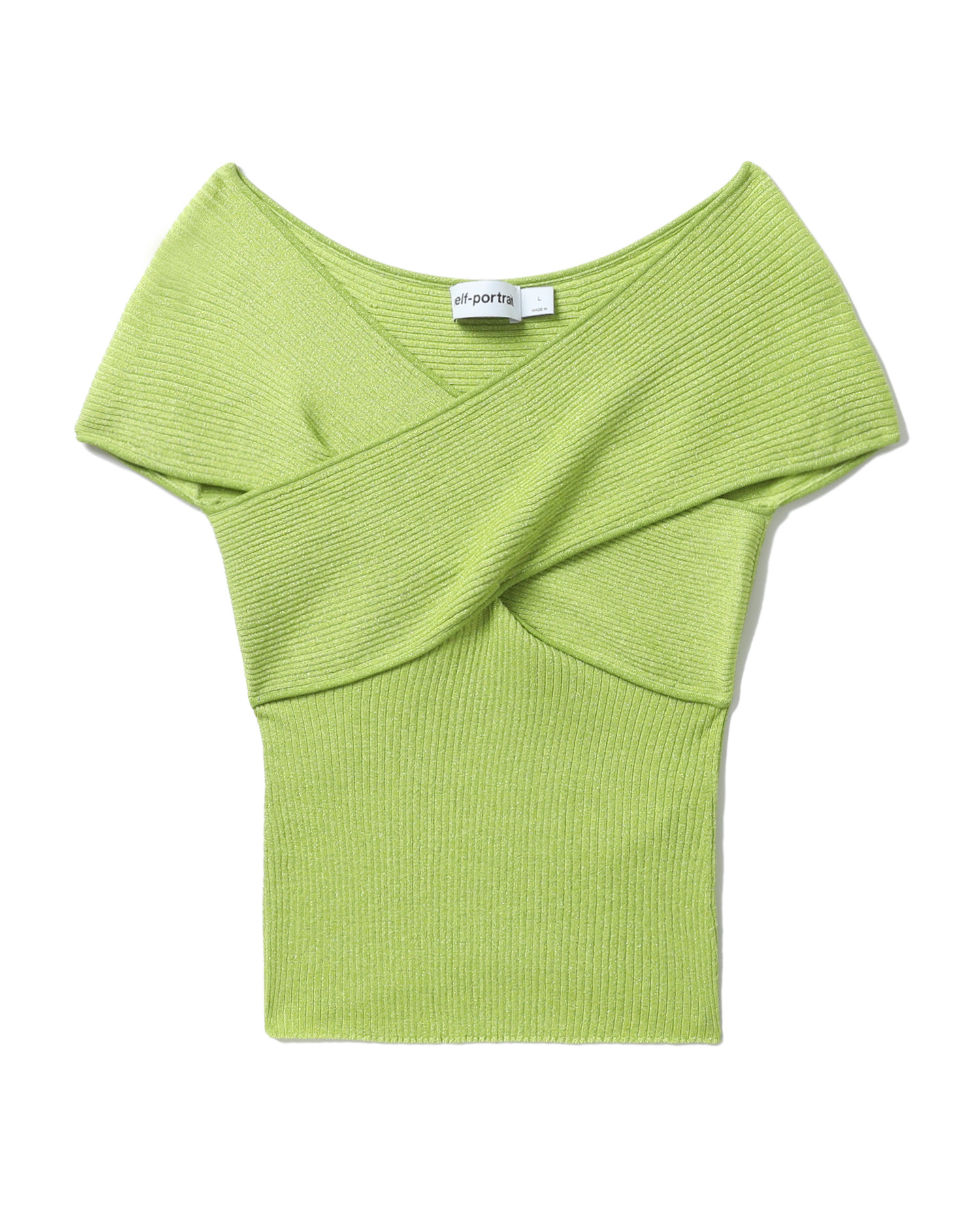
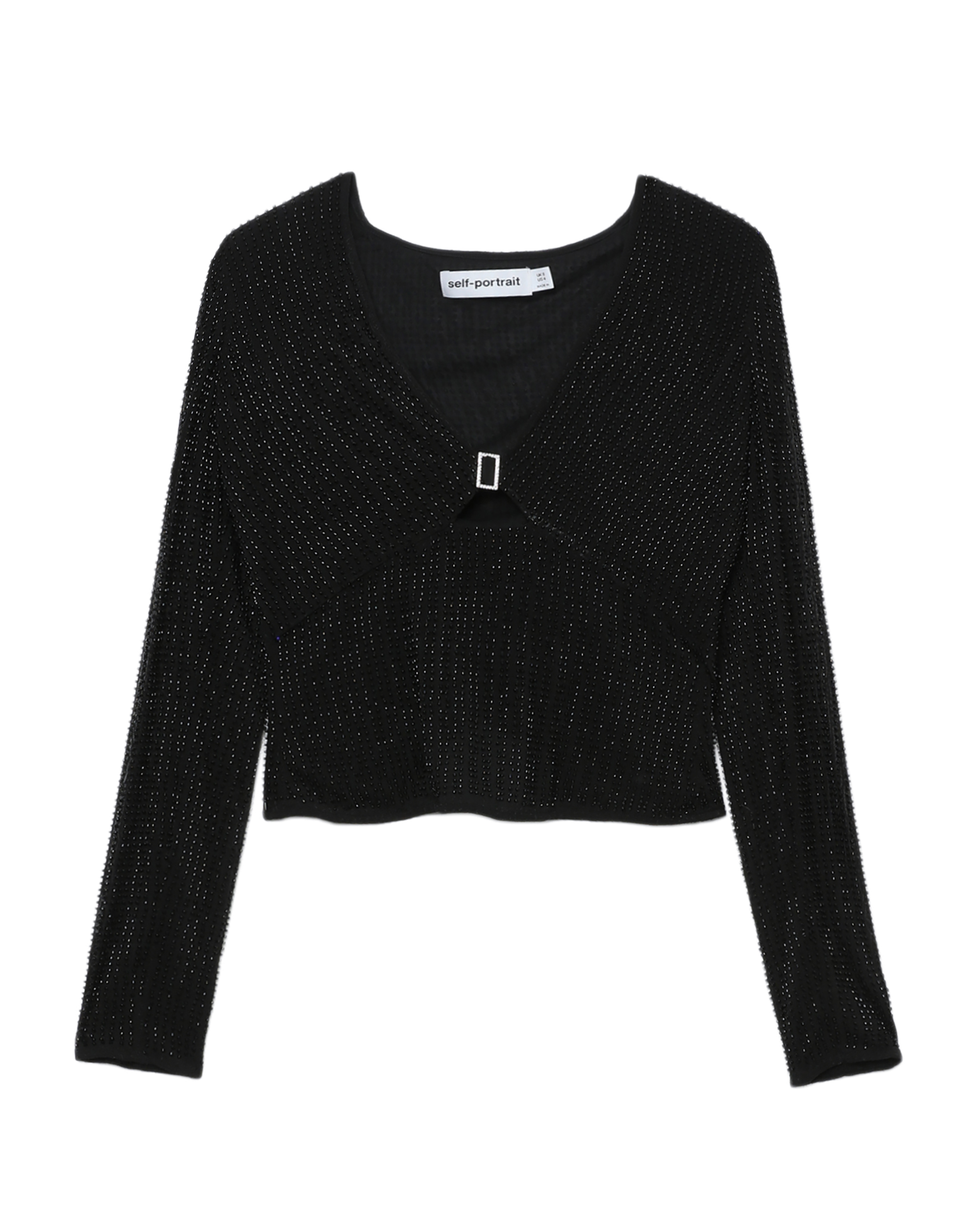
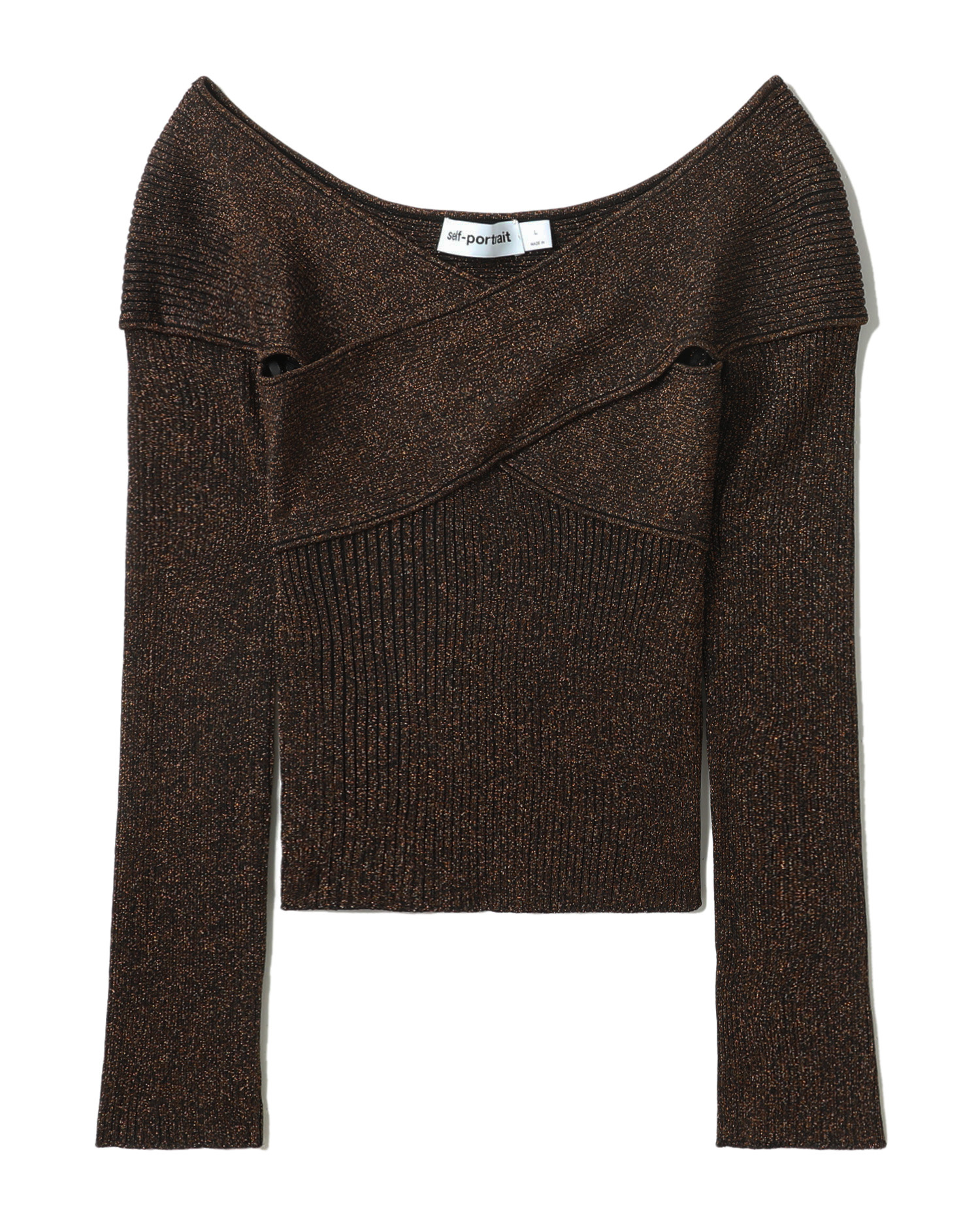
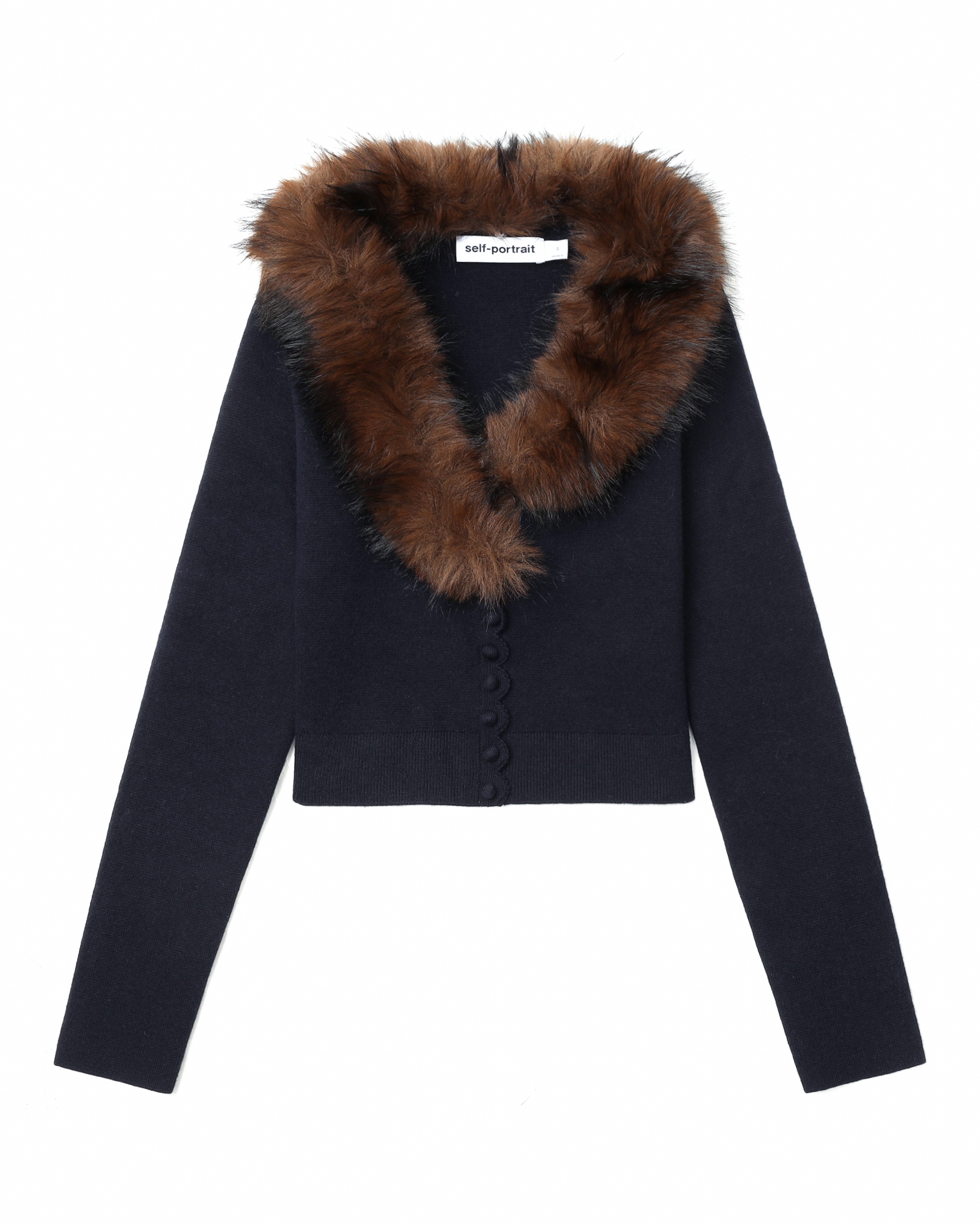
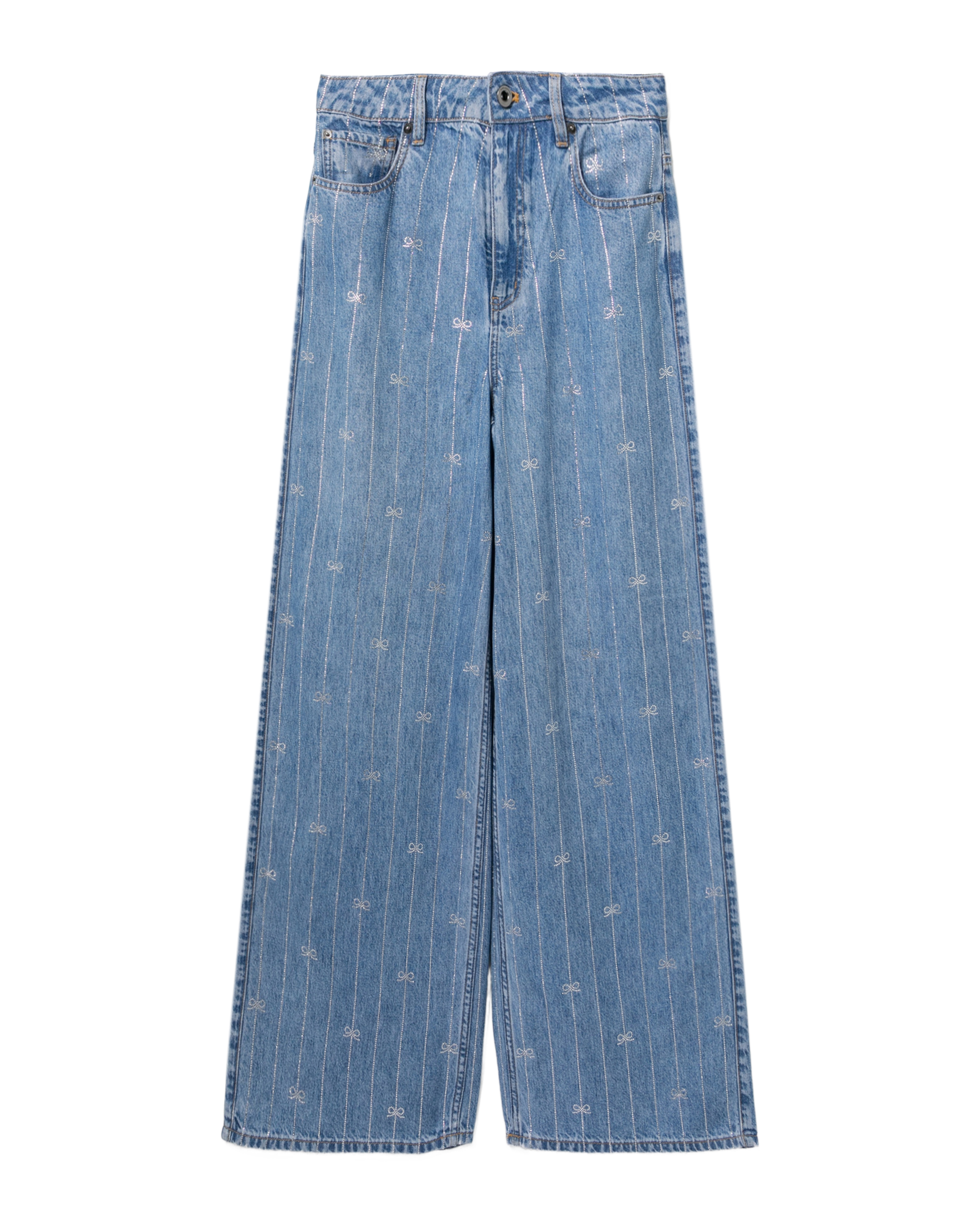
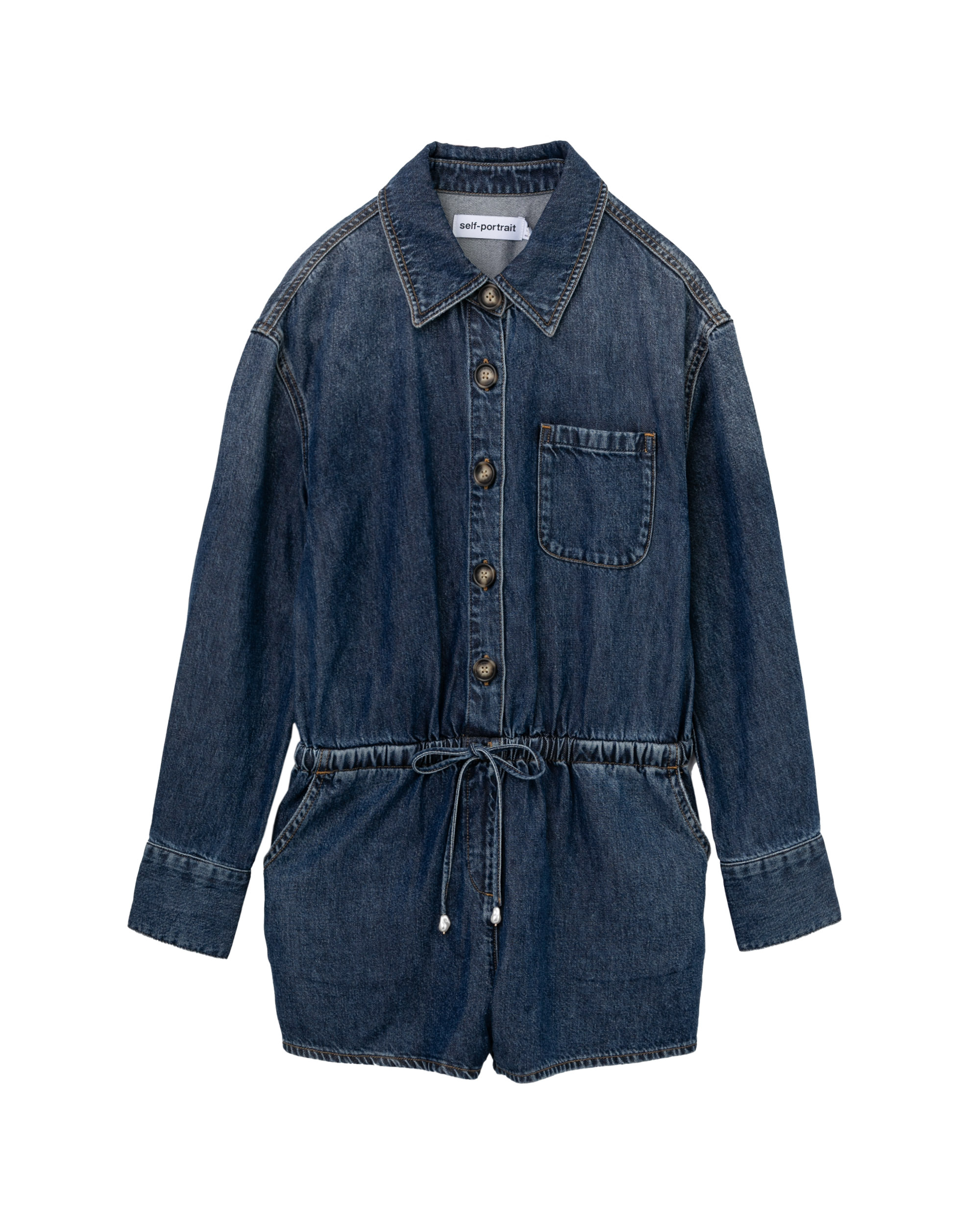
The self-portrait has never been more scrutinized—or more contested—than it is right now. And Self-Portrait, the London-born label that has spent years dressing women for the world's most photographed rooms, has chosen this precise moment to turn its gaze inward. Vogue's coverage of the Spring 2027 Ready-to-Wear season signals a sharpened new direction for the house: a move beyond the occasion-dressing formula that built its reputation and toward something more introspective, more architecturally considered. Where earlier collections leaned on the easy legibility of lace, guipure, and nipped-waist silhouettes, this outing reads as a deliberate recalibration—the signature femininity retained, but filtered through a cooler, more cerebral lens. The garment becomes a kind of self-portrait: a surface onto which identity is projected, composed, and performed.
What makes the shift feel earned rather than abrupt is the way it works through the details. Self-Portrait has long understood the semiotics of dressing—the way a collar, a cuff, a length of ribbon can signal belonging or aspiration—and Spring 2027 refines that fluency rather than abandoning it.
A New Precision in the Tailoring
The season's tailoring carries a newfound discipline: cleaner shoulders, elongated lines, a restraint that lets fabric and construction do the talking. It's a quieter kind of confidence, the sort that doesn't need to announce itself from across the room. The proportions feel considered rather than decorative, built around the body instead of layered over it—a subtle but meaningful recalibration for a house whose silhouettes have historically leaned toward the ornate.
Lace, Deployed With Discipline
The house's beloved lace persists, but it is handled with greater control. Here it's contrasted against crisp cotton poplin or fluid satin, so that texture becomes a compositional device rather than pure ornament. The effect is tactile and visual at once—the familiar romance of guipure undercut by something cleaner, almost architectural. What emerges is a wardrobe that feels less like a single occasion and more like a considered language: pieces that can be worn, recombined, and read differently depending on who is wearing them.
The Culture Is Looking in the Mirror, Too
The timing is impossible to ignore. This is a season in which the self-portrait—literal and metaphorical—has resurfaced across the culture with unusual force. Museums and galleries are revisiting the tradition with fresh urgency: Catharina van Hemessen, who signed her self-portrait in 1548 and is now the subject of renewed scholarly attention, stands as one of the earliest artists to depict herself at work; Vivian Maier's mid-century self-portraits continue to circulate and sell; a rare David Bowie self-portrait, complete with the artist's handprints, heads to auction at Sotheby's; and Issy Wood's suffocatingly revealing self-portraits have been praised as the work of the ultimate zillennial painter. Even the stage has taken up the theme, with *Frida…A Self Portrait* drawing audiences and critical attention in Washington. Against this backdrop, a collection built around self-presentation and the constructed image feels less like fashion's usual seasonal churn and more like a timely intervention.
Recognition Without Predictability
Self-Portrait is, of course, also a brand whose name has always carried a certain irony—the label as a frame for the wearer's own performance. That irony sharpens in Spring 2027. The collection is designed for a woman acutely aware of being seen, someone who moves between the charity gala, the boardroom, and the private dinner without changing register. It is telling that the brand's reach now extends across generations and geographies, worn by figures as varied as the Princess of Wales and Princess Rajwa of Jordan, the latter recently stepping out in one of the label's pieces during a charity event. That kind of visibility places Self-Portrait within a lineage of brands that function as social shorthand—instantly legible, quietly aspirational—while the Spring 2027 collection insists that legibility need not mean predictability.
Why it matters now is precisely this tension between recognition and reinvention. In an era when image-making is instantaneous and endlessly editable, a collection that interrogates the very idea of the self-portrait—who composes it, who signs it, who is permitted to be seen—carries unusual weight. Self-Portrait has chosen, this season, to look inward without losing its outward-facing polish. The clothes remain beautiful, wearable, and unmistakably of the house; but they also ask something of the wearer, inviting her to consider the portrait she is painting each time she steps into the room. For a brand whose name is a statement about representation itself, Spring 2027 is less a departure than a return to first principles—a reminder that the most compelling self-portrait is always the one still being composed.