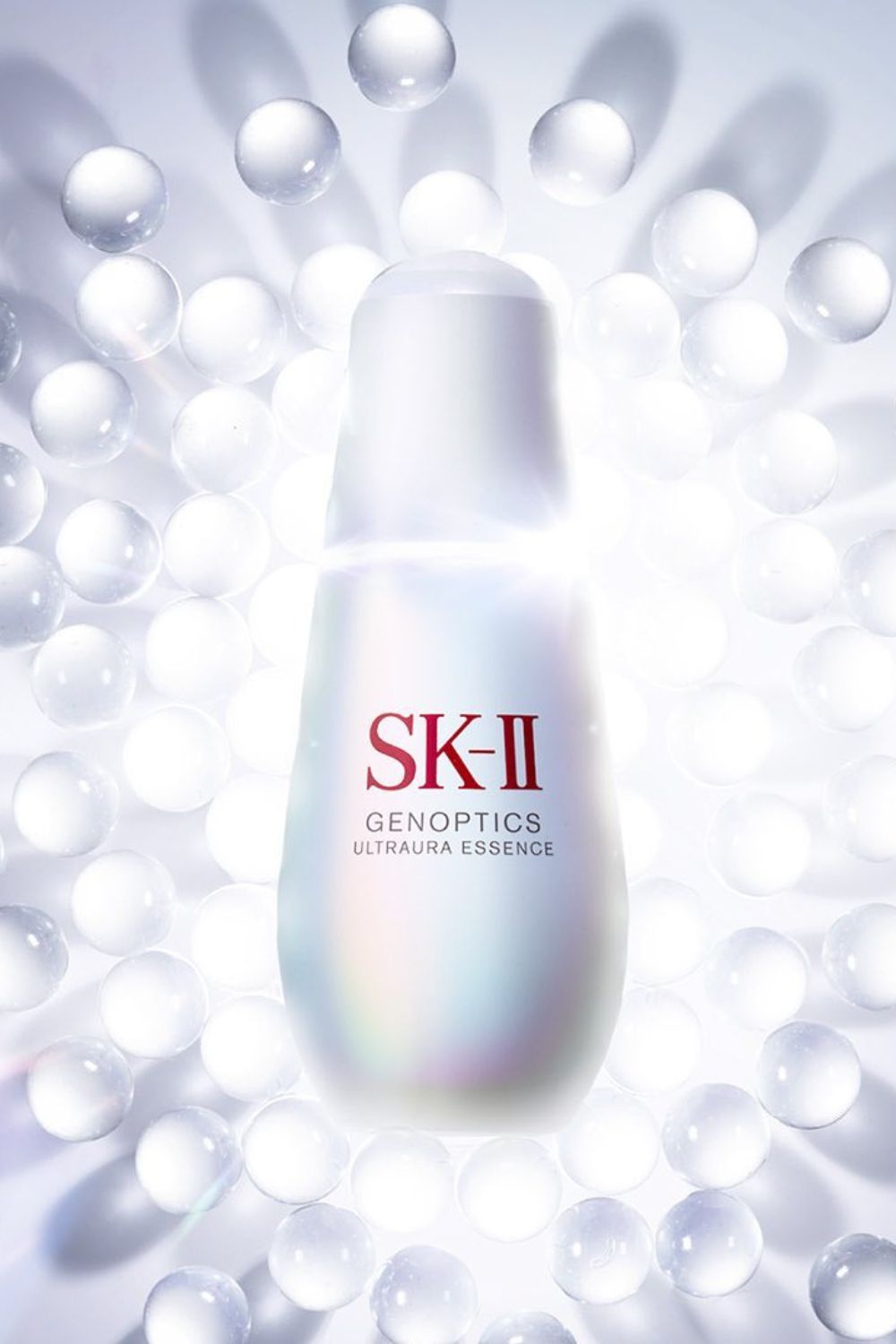
Forty years after a sake-brewing observation in Japan became one of skincare's most enduring origin stories, SK-II has done something deceptively difficult: made its founding ingredient feel new again. The SK-II First Treatment Serum, the brand's newest hero launch, sold out almost immediately upon debut — a rare feat for any prestige product, let alone one built on a four-decade-old molecule.
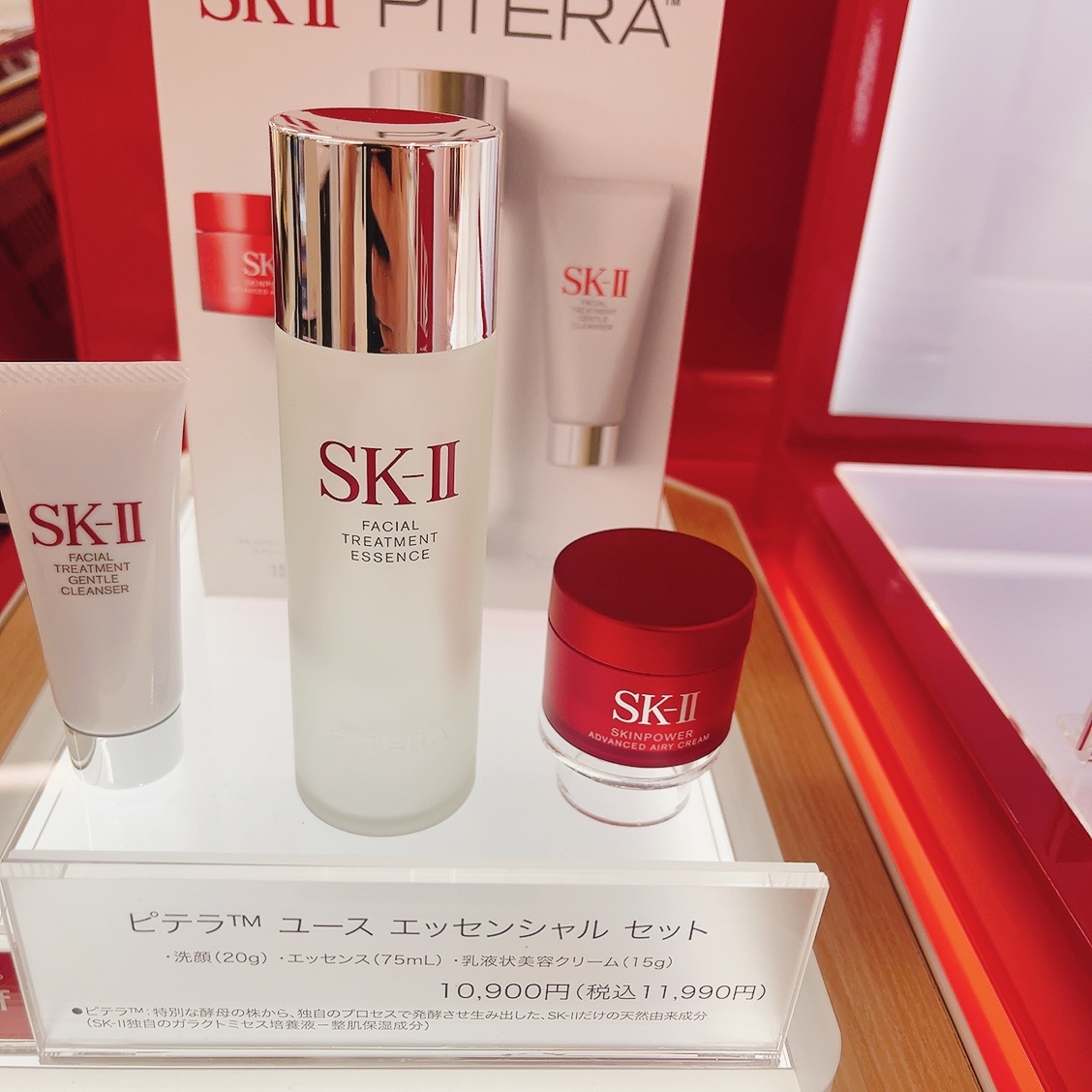
That sellout isn't nostalgia. It's proof that Pitera, the proprietary yeast-derived ferment at the heart of the house, remains one of the few ingredients in modern beauty that consumers treat as a category of its own.
A Concentrated Take on a Founding Ingredient
The First Treatment Serum is positioned as a concentrated expression of that legacy — a formula that leans on Pitera's signature blend of vitamins, amino acids, minerals, and organic acids, and pushes it toward visible renewal.
The texture is deliberately lightweight, designed to absorb quickly and layer under moisturizer without the heaviness that often accompanies high-concentration treatments. The packaging follows the brand's restrained, glass-and-matte aesthetic: quietly expensive, unmistakably SK-II, engineered to sit on a vanity rather than hide in a drawer. It's skincare as ritual object, and the brand knows its audience reads it that way.
Eileen Gu, "Free to Bare," and a Younger Global Face
What makes the launch land now, rather than five years ago, is context. SK-II has spent the past year reasserting its cultural position with unusual precision. The brand named world champion freeskier Eileen Gu as its global ambassador — her first global skincare partnership — and built the "Free to Bare" campaign around the idea that skin good enough to go without makeup is the ultimate luxury.
That message isn't new for SK-II, but the messenger is. Gu's cross-cultural appeal across China, the United States, and the wider athletic world gives Pitera a younger, more global face without cheapening the formula's scientific seriousness. The brand also deepened its travel-retail footprint through an expanded prestige agreement with Lotte Duty Free — a reminder that SK-II's most loyal buyers are often in motion, flying between Seoul, Shanghai, Tokyo, and Singapore, and expect to find the brand waiting for them at the gate.
The Rebound Nobody Saw Coming
The timing is also a quiet rebuttal. For years, SK-II was framed as a cautionary tale about a prestige label losing momentum in a shifting Chinese market. The 2024 rebound, driven substantially by middle-class buyers returning to trusted names, tells a different story: when the economy tightens, consumers don't abandon conviction — they concentrate it.
A product like the First Treatment Serum, which asks buyers to invest in one proven ingredient rather than a shelf of experiments, fits that mood exactly. SK-II's own archival marketing — the long-running campaigns that turned social pressure into a beauty conversation — already proved the brand understands how anxiety and aspiration coexist in its core markets. The serum is that understanding, bottled.
What It Isn't
It's worth noting what the First Treatment Serum is not. It is not a retinol, not an acid peel, not a trendy peptide blend chasing a viral moment. It is a slow, cumulative proposition — the kind of product that rewards consistency over weeks, not hours.
That makes it a harder sell in an era of instant-gratification skincare, and yet the sellout suggests the opposite: that a meaningful number of consumers are tired of novelty and want lineage. The First Treatment Serum is for the person who already knows what Pitera does for their skin and simply wants more of it, faster — and for the newcomer willing to begin at the source rather than the periphery.
Forty years is a long time to hold a room. SK-II's achievement with this launch isn't that it reinvented Pitera, but that it reminded everyone why no one else has managed to replicate it — and why, in a market flooded with imitations, the original still sells out first.



.jpg)
.jpg)
.jpg)
.jpg)
.jpg)
.jpg)