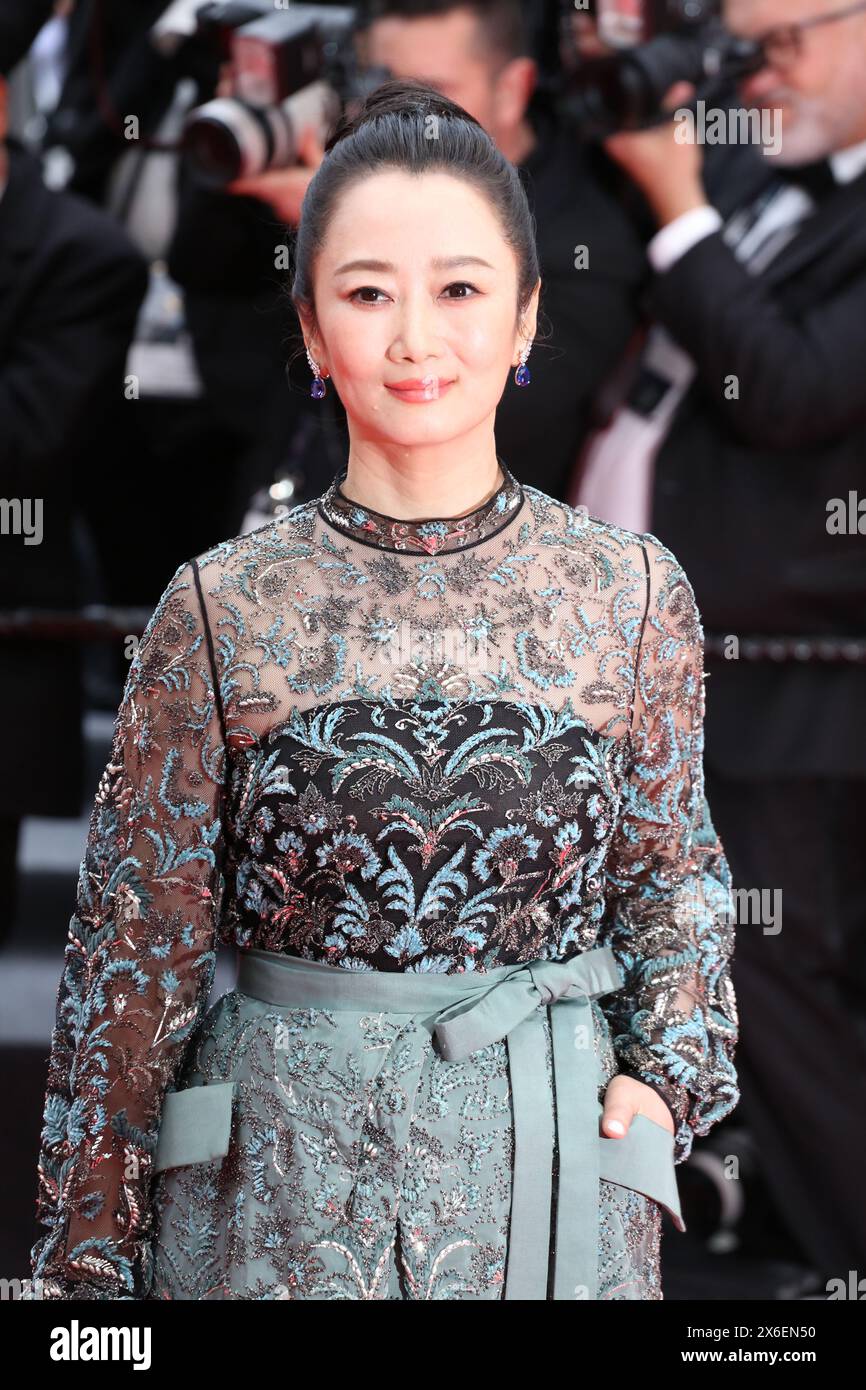
There is a particular kind of garment that refuses to announce itself, and the TAO Silk Wrap Dress belongs to that rarefied category. Cut from heavyweight mulberry silk with a fluid, weighted drape, it is the sort of piece that reads as an afterthought on the wearer and as a thesis on everyone else.
The wrap construction — a true wrap, not the decorative faux-ties that pass for one on lesser dresses — is engineered so the wearer controls the line: cinched high for a column silhouette, dropped lower for something more languid. The seams are French-finished, the interior clean enough to wear inside out, and the hem falls with a deliberate asymmetry that catches light without ever catching attention. This is quiet luxury in its most literal sense: the value is in the hand-feel, the weight, the behavior of the cloth, not the label.
A Material With a Lineage
Silk of this caliber is a material with a history. Mulberry silk at this weight — roughly 22 momme, dense enough to resist the cling that cheapens lighter weaves — has long been the fabric of formal restraint, from mid-century couture houses to the understated wardrobes of editors who understood that the best-dressed person in a room is rarely the loudest.
The wrap silhouette itself carries cultural weight across hemispheres: the Japanese kimono's crossover closure, the sarong's Pacific lineage, the Western robe's domestic ease. TAO draws from that inheritance without appropriation's clumsiness, letting the construction speak in a register that feels both rooted and modern. The Cannes-approved provenance is no accident — this is a dress built for the Croisette's particular arithmetic, where the camera rewards fabric that moves and punishes anything that tries too hard.
Built for the New Red Carpet
It matters now because the red carpet has changed its mind about what luxury looks like. The season's most-photographed moments have drifted away from embellishment and toward the quiet luxury register — the unlabelled, the unbranded, the pieces that photograph as well in a paparazzi frame as they do in a seated portrait.
The TAO Silk Wrap Dress is built for exactly that duality. Its palette is deliberately restrained — ivory, ink, a deep oxblood that reads black under flash — and its only ornament is the way the silk pools at the wrist and the small, concealed interior tie that keeps the whole architecture honest. Nothing about it asks to be decoded. Everything about it rewards a second look.
For the Woman Who Has Already Been Seen
Who is it for? Not, strictly, for the woman who wants to be seen. It is for the woman who has already been seen, and has decided that the next move is to be remembered.
It suits the creative director between seasons, the founder at a first investor dinner, the actor navigating the strange geography between a premiere and a morning-after brunch. It is a dress that travels — silk this weight resists creasing in a carry-on — and one that forgives the wearer's mood, dressing up with a heel and down with a flat without ever looking like it has been repurposed. The wrap closure is adjustable enough to accommodate a long dinner; the bias-cut skirt moves without requiring a stylist's intervention.
The Case for Keeping
The dress's real argument is temporal. Quiet luxury has become a marketing phrase so overworked that it has nearly lost its meaning, but the TAO Silk Wrap Dress restores the term to its original sense: luxury that is quiet because it does not need to be loud.
In a season of red-carpet moments that will be forgotten by the next awards cycle, this is the piece that stays in the wardrobe — and in the photographs — long after the trend cycle has moved on. That is the difference between a dress that is worn and a dress that is kept.