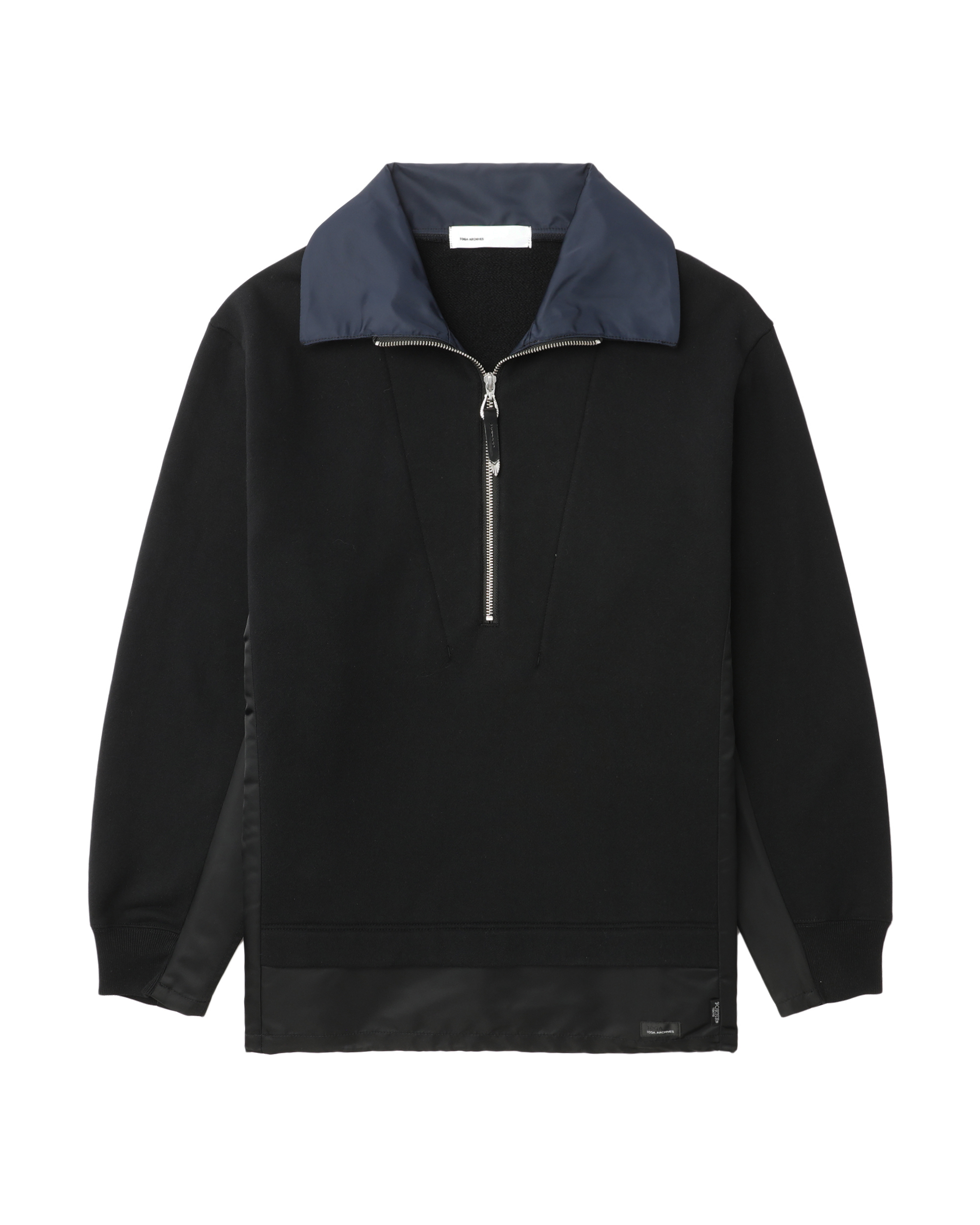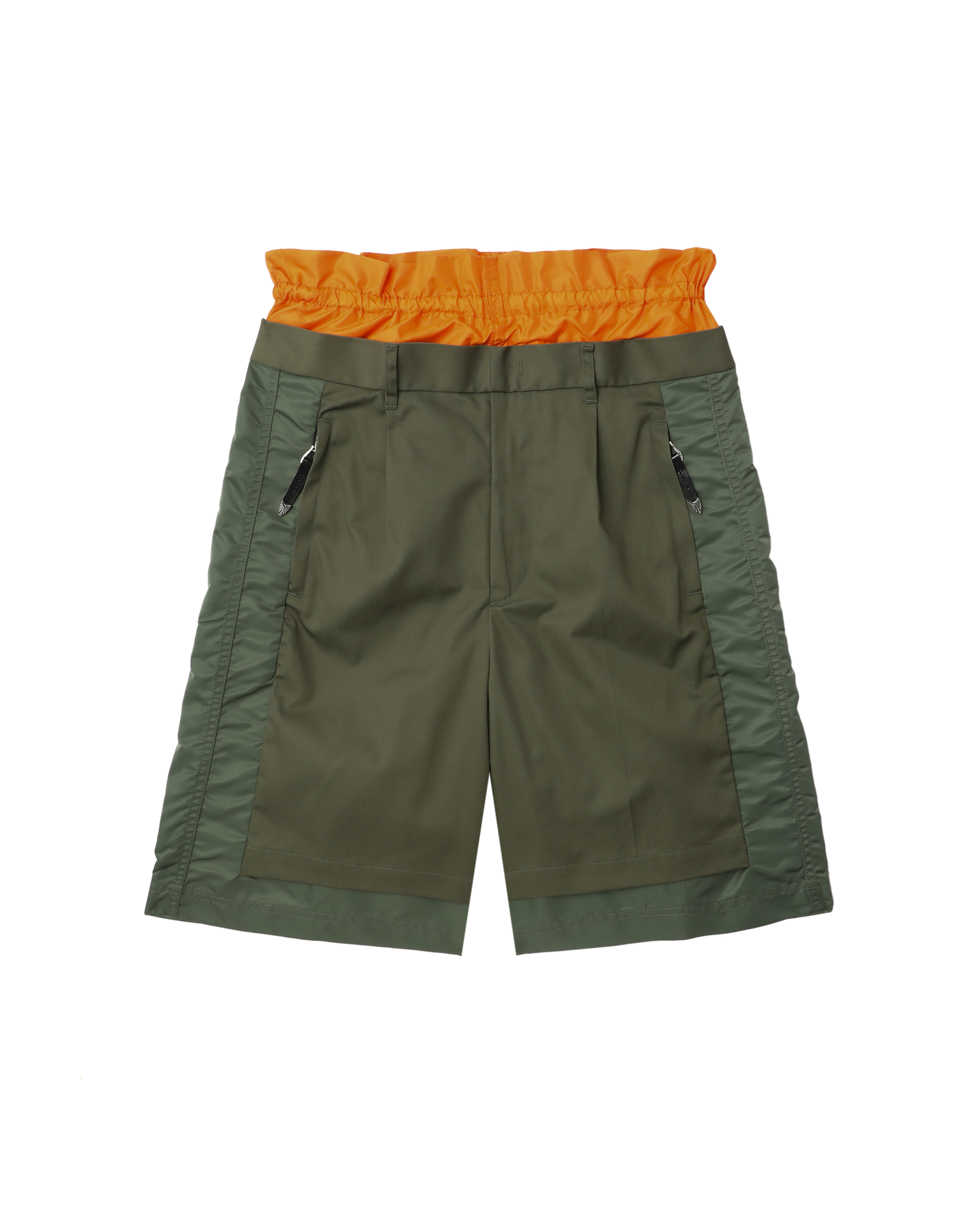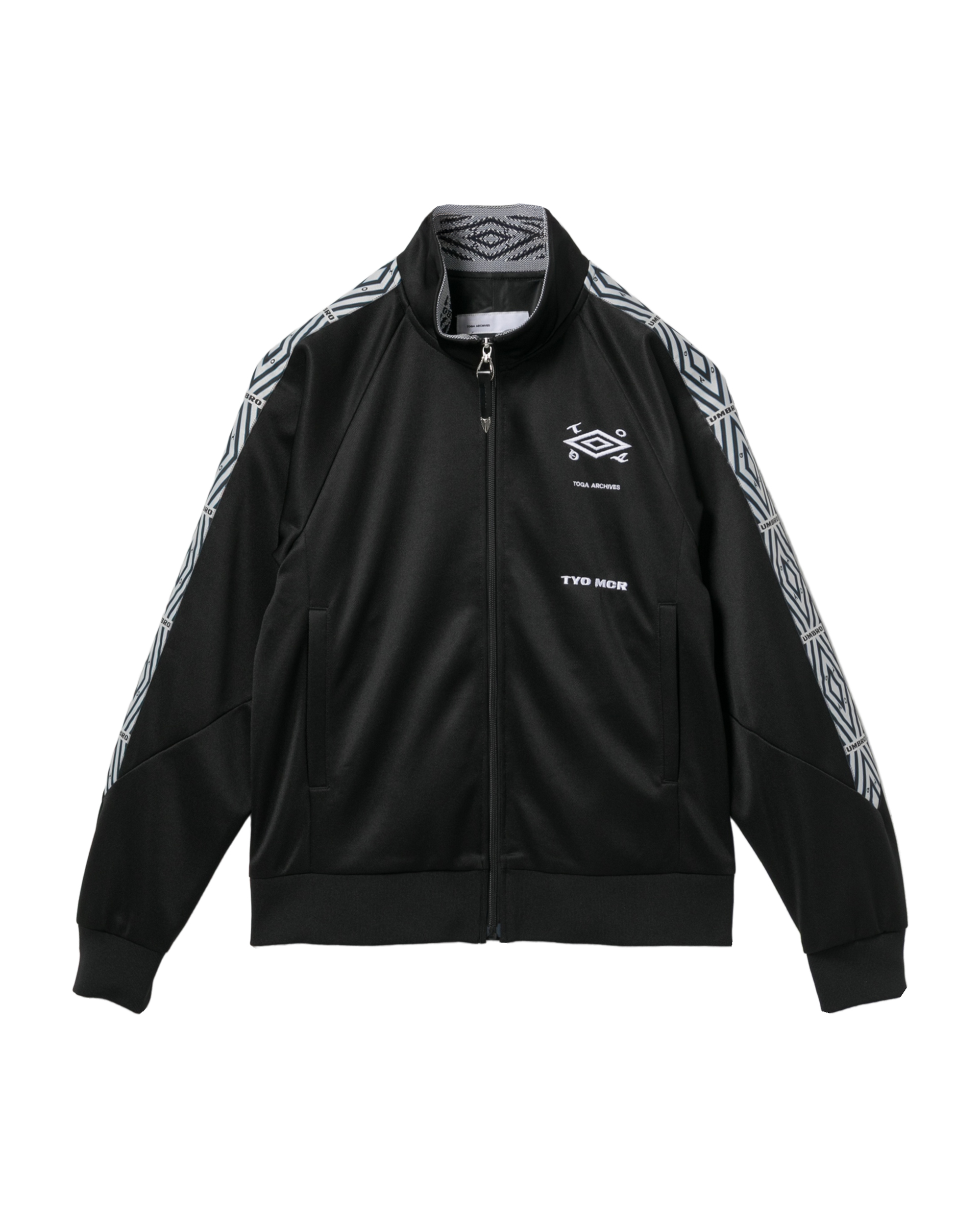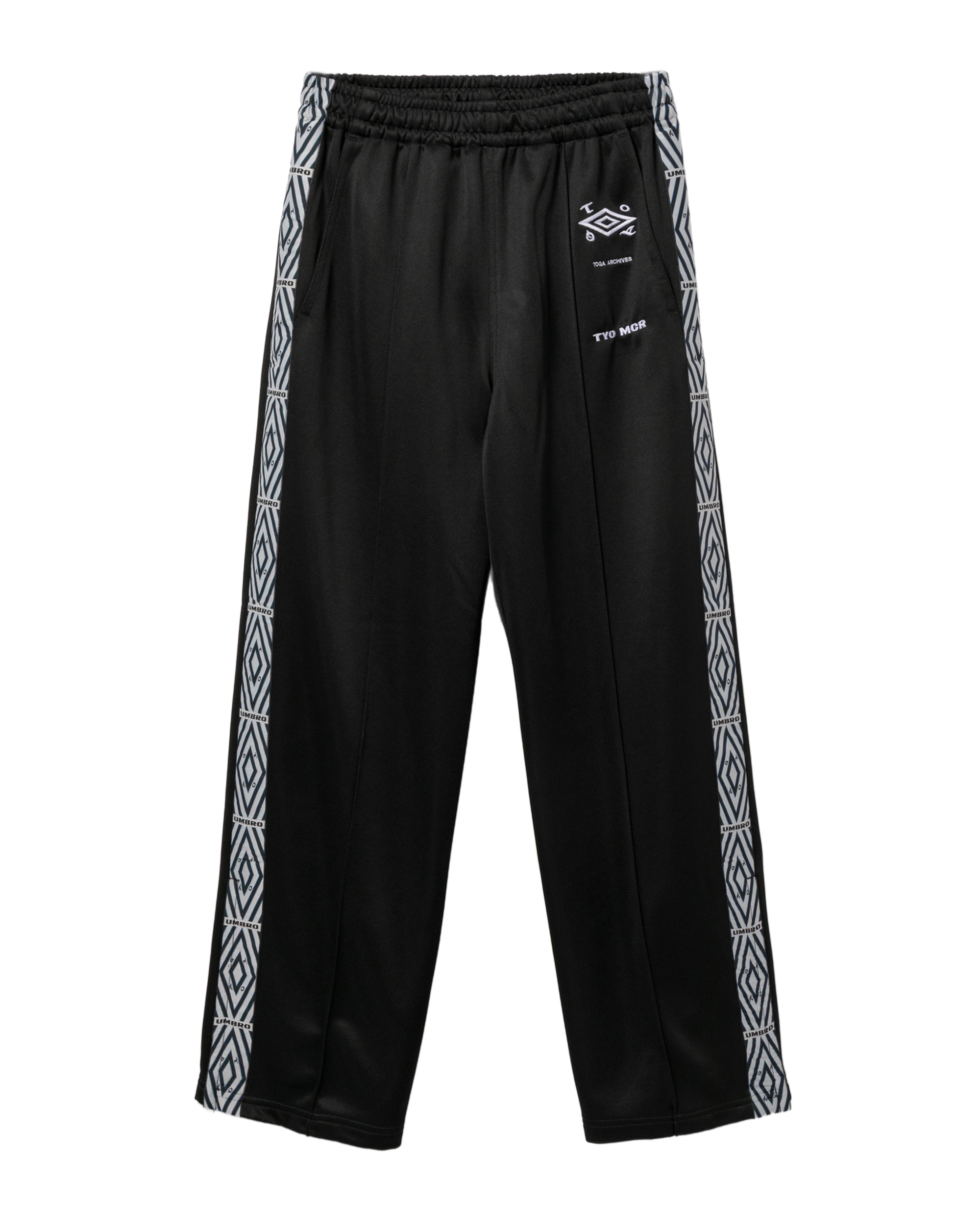
The most anticipated designer collaboration of the year has arrived, and it comes not from Paris or Milan but from Tokyo. TOGA ARCHIVES x H&M marks the Swedish retailer's boldest partnership to date, translating the singular vision of designer Yasuko Furuta into an accessible capsule that has already sent the fashion press into a frenzy. Vogue Scandinavia assembled nine of its editors to cherry-pick their favourite pieces, Harper's BAZAAR noted the collection's deep dive into the Toga archives, and Glamour UK catalogued every last item the moment it launched. For a label that has spent nearly three decades building a reputation as fashion's best-kept secret, this is the moment the wider world catches up.
Furuta founded TOGA in 1997, naming it after the draped garment of ancient Rome — a fitting origin for a designer whose work has always revolved around reinvention and the tension between past and future. From her base in Tokyo, she has cultivated a following drawn to her fearless layering, her sculptural use of denim, and her knack for making the subversive feel utterly wearable. The TOGA ARCHIVES line, launched in 2018, distills that philosophy into a wardrobe of elevated staples — sharp tailoring, artful shirting, and leather goods with a distinctly architectural bent. It is this archive, rather than a single season, that H&M has mined, giving the capsule a coherence and depth rare in the collaboration format.
The Design Language: Deconstruction, Precision, and Subverted Tropes
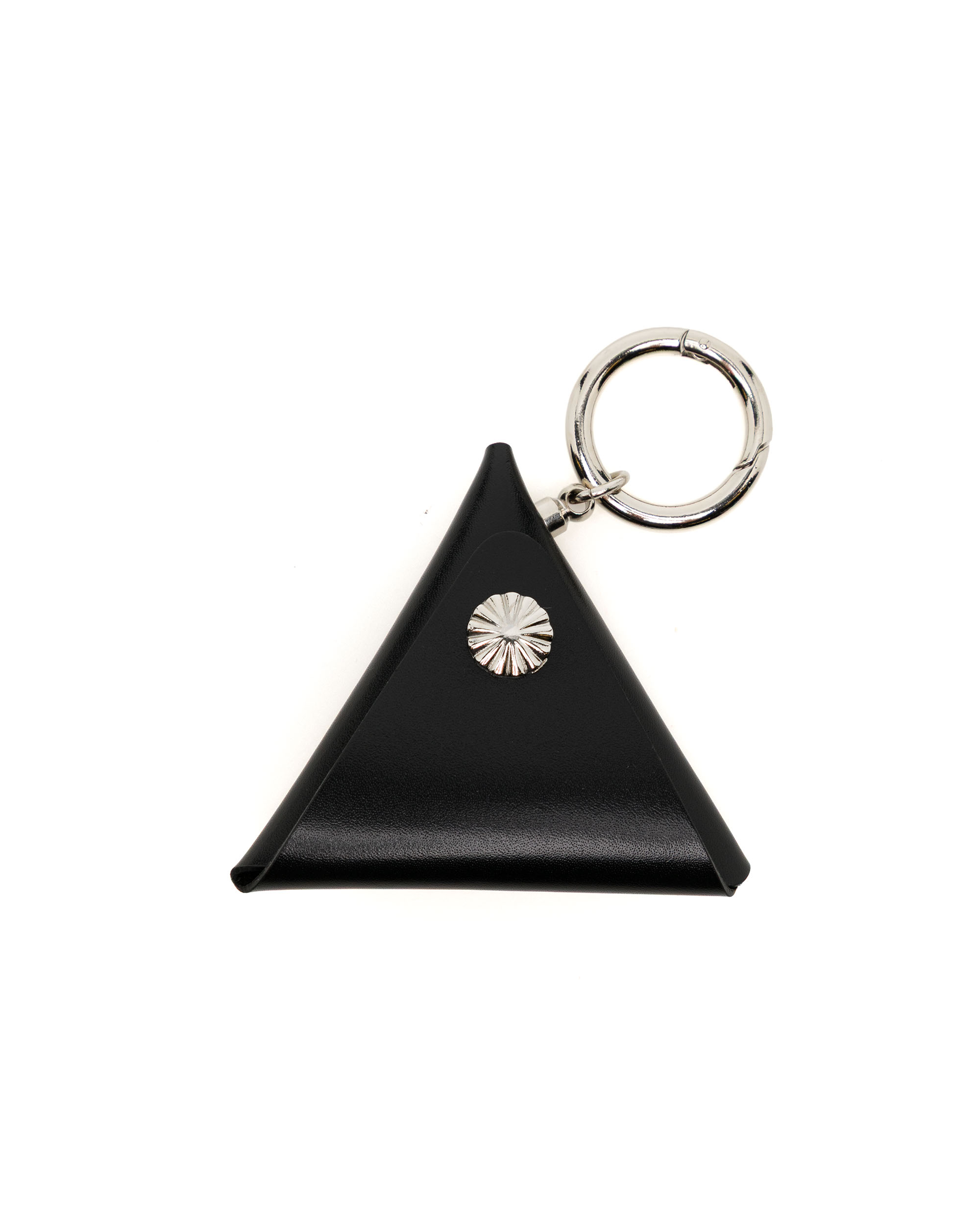
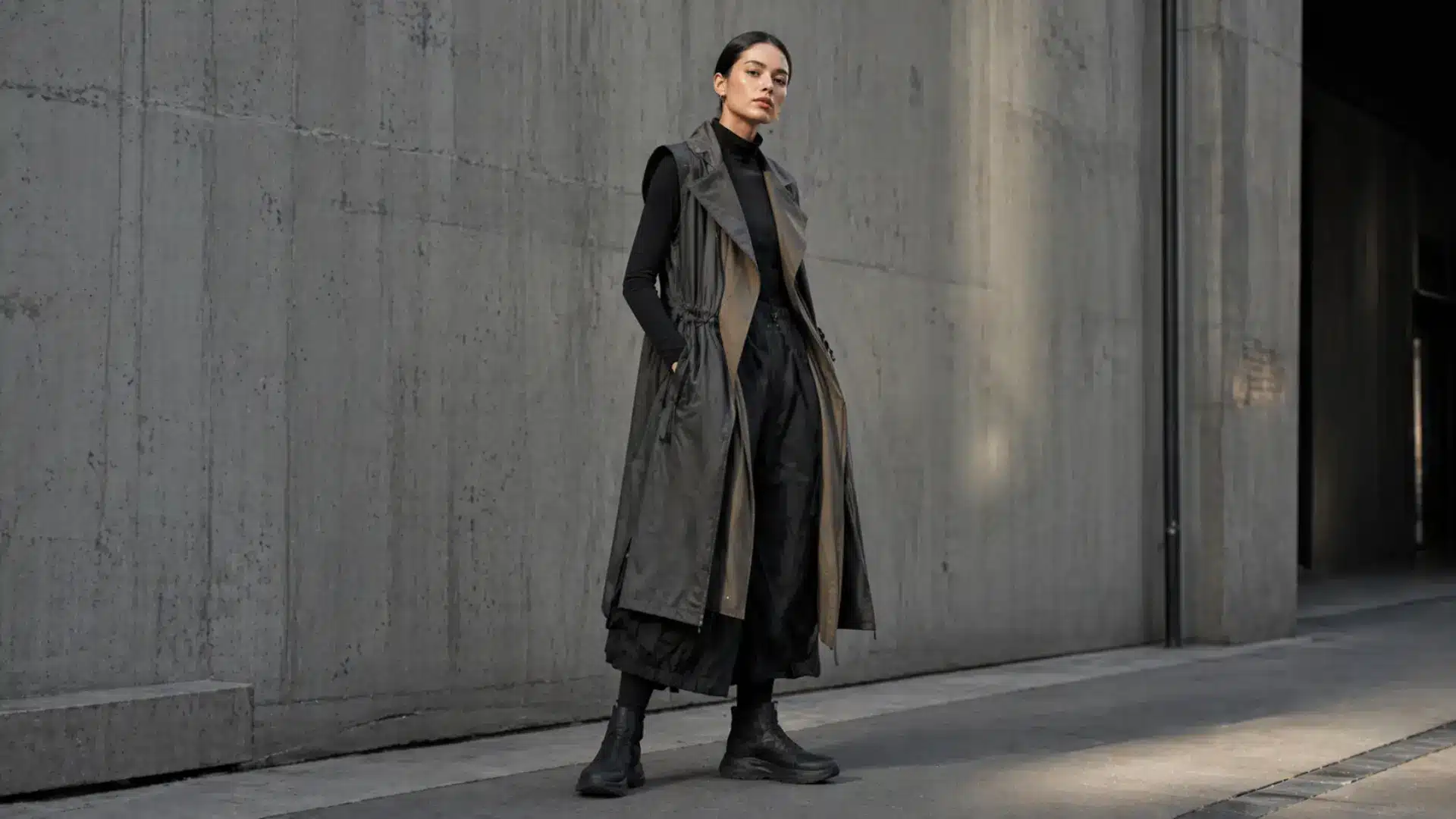
The design language here is unmistakably Furuta's. Deconstructed trench coats with asymmetric closures, panelled denim cut with an almost couture precision, and shirting spliced with contrast fabrics form the backbone of the collection. There are nods to the Western and military tropes she has long subverted, rendered in a palette of washed indigo, ecru, and deep black. Accessories — including leather bags and hardware-heavy belts — extend the story, while the collaboration's footwear counterpart, a reimagined ASICS GEL-CUMULUS 16 TG developed separately with the Japanese sportswear giant, speaks to the same cross-pollinating instinct that has seen TOGA partner with PORTER on seven consecutive collections and with Suicoke on a recurring sandal line.
The Cultural Moment: Tokyo Design's Renewed Global Pull
Culturally, the timing is impeccable. The capsule arrives as Japanese design commands renewed global attention, and as the market for intelligent, archive-minded clothing has never been hungrier. That Princess Rajwa of Jordan was photographed in Amman wearing soft tailoring from the broader Toga universe only underscores how far the label's influence now reaches — from Tokyo ateliers to royal engagements to the Middle East, where H&M has confirmed the collection will launch exclusively across the MENA region. This is not a novelty drop; it is a considered introduction of a major design voice to a mass audience.
Who It's For: Beyond Logos, Toward Intellectual Weight
Who is this for? It rewards the customer who has outgrown logo-driven dressing and wants garments with genuine intellectual weight — the architect, the gallerist, the creative director who understands that a draped wool coat or a spliced denim jacket does more work than any monogram. It is equally for the curious newcomer who has read the Vogue editors' picks and wants a first, affordable point of entry into Furuta's world. The sizing and price architecture of the H&M format make that possible without diluting the design intent, and the archive-derived approach means these pieces will not feel dated by next season.
Why it matters now is simpler: designer collaborations have become routine, but genuine cultural translation is not. TOGA ARCHIVES x H&M succeeds because it treats the high street not as a canvas for dilution but as a stage for amplification — bringing the layered, questioning, quietly radical spirit of Tokyo's most underrated atelier to a wardrobe near you. For anyone who has admired Furuta's work from afar, this is the moment to own a piece of it.