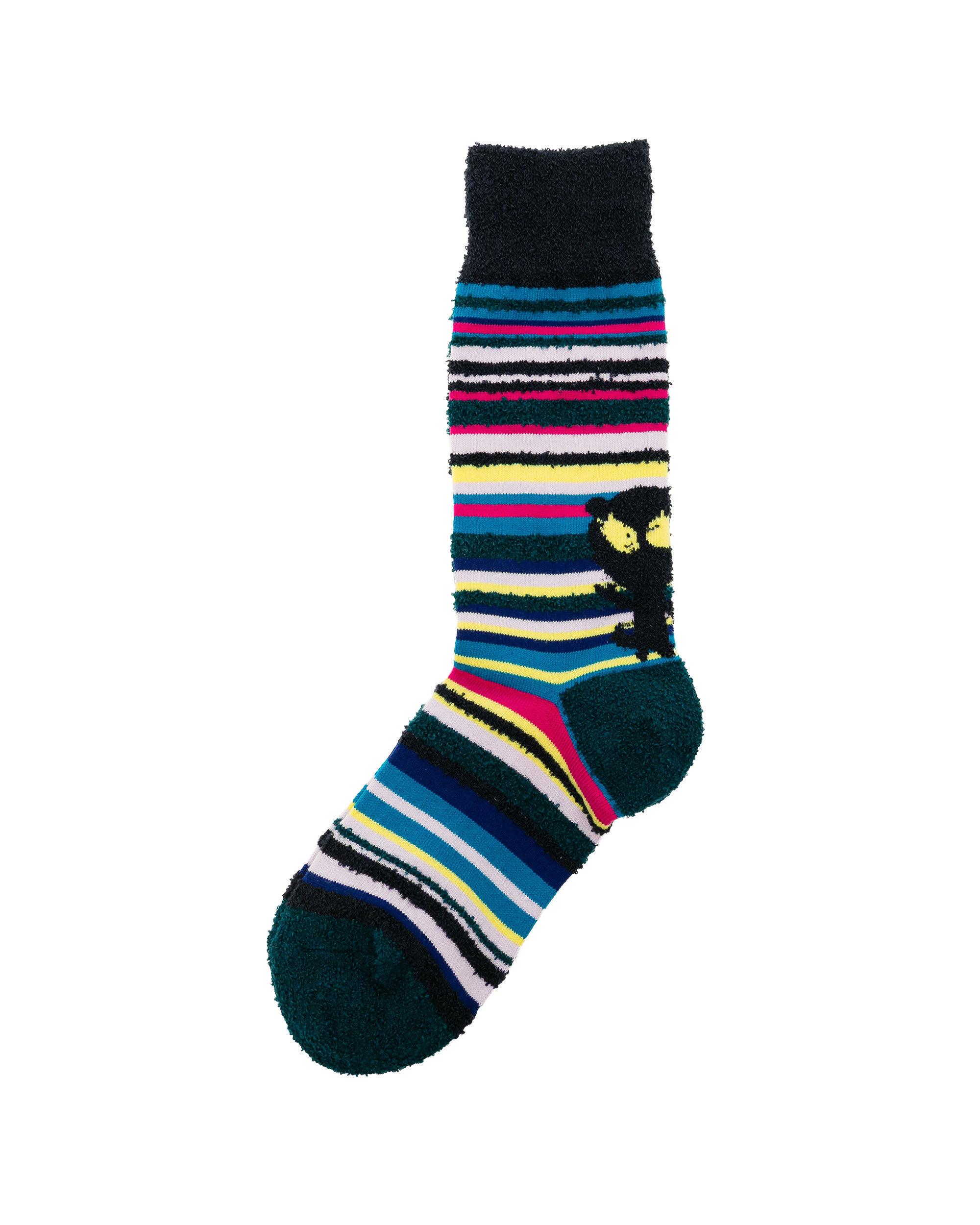
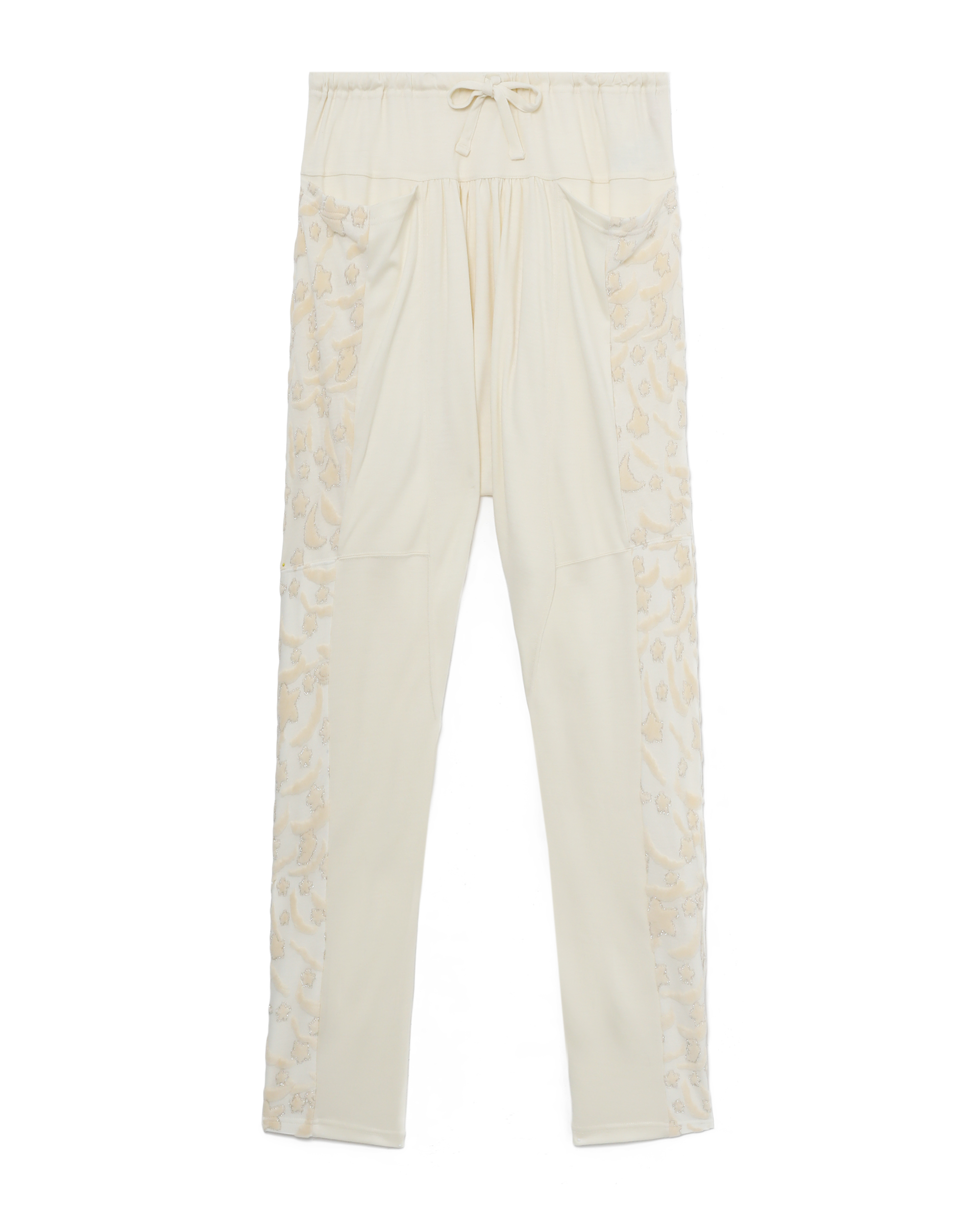
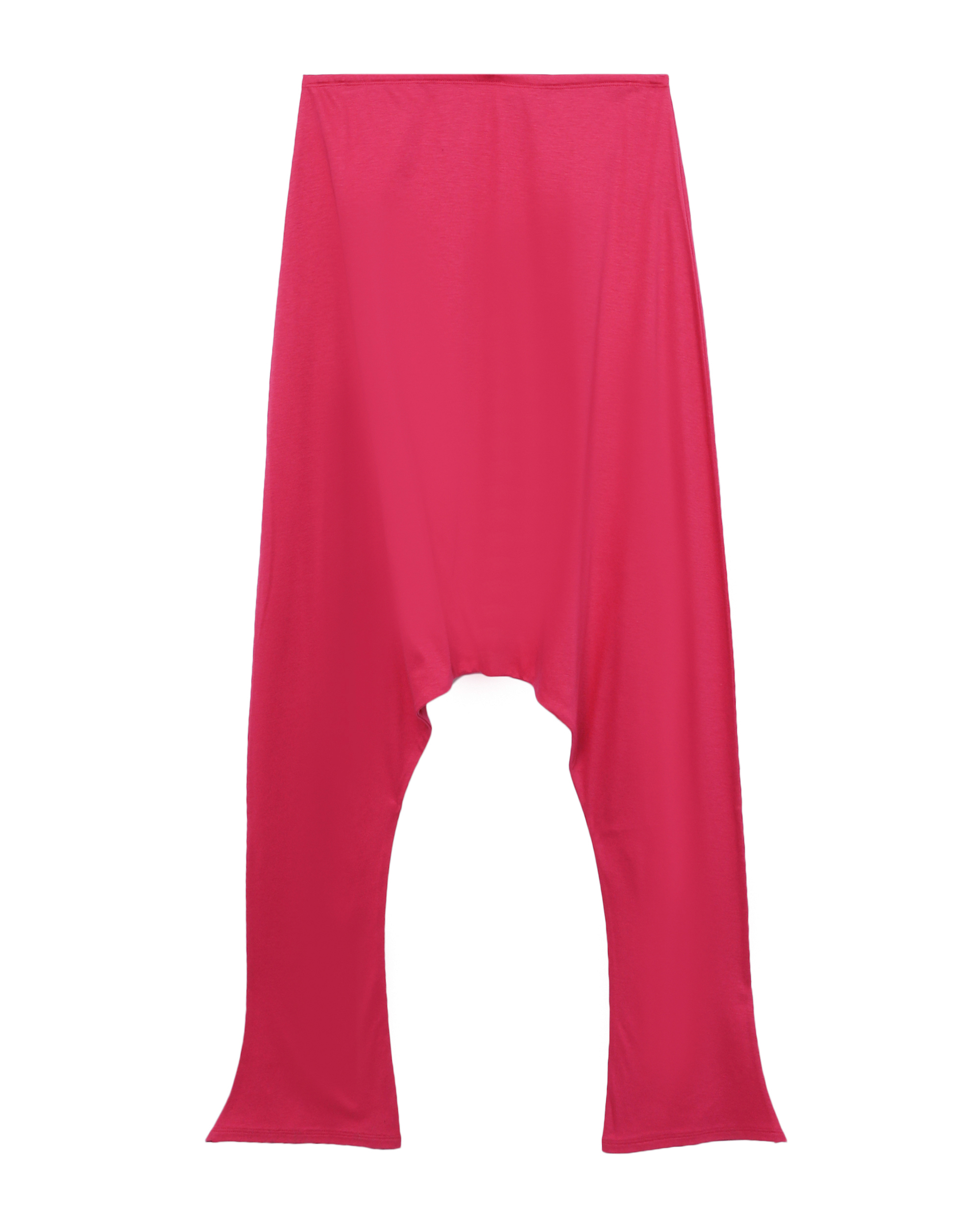
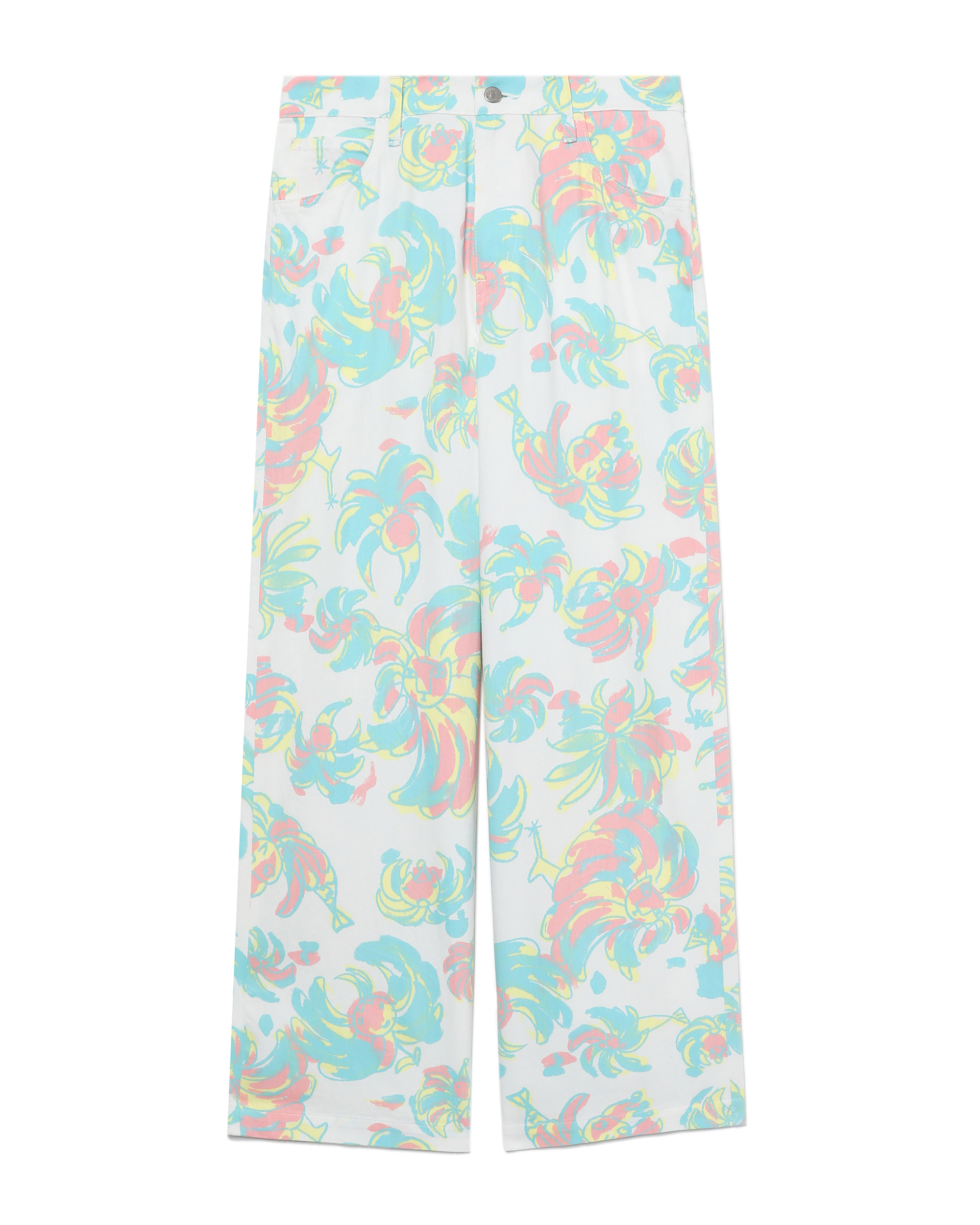
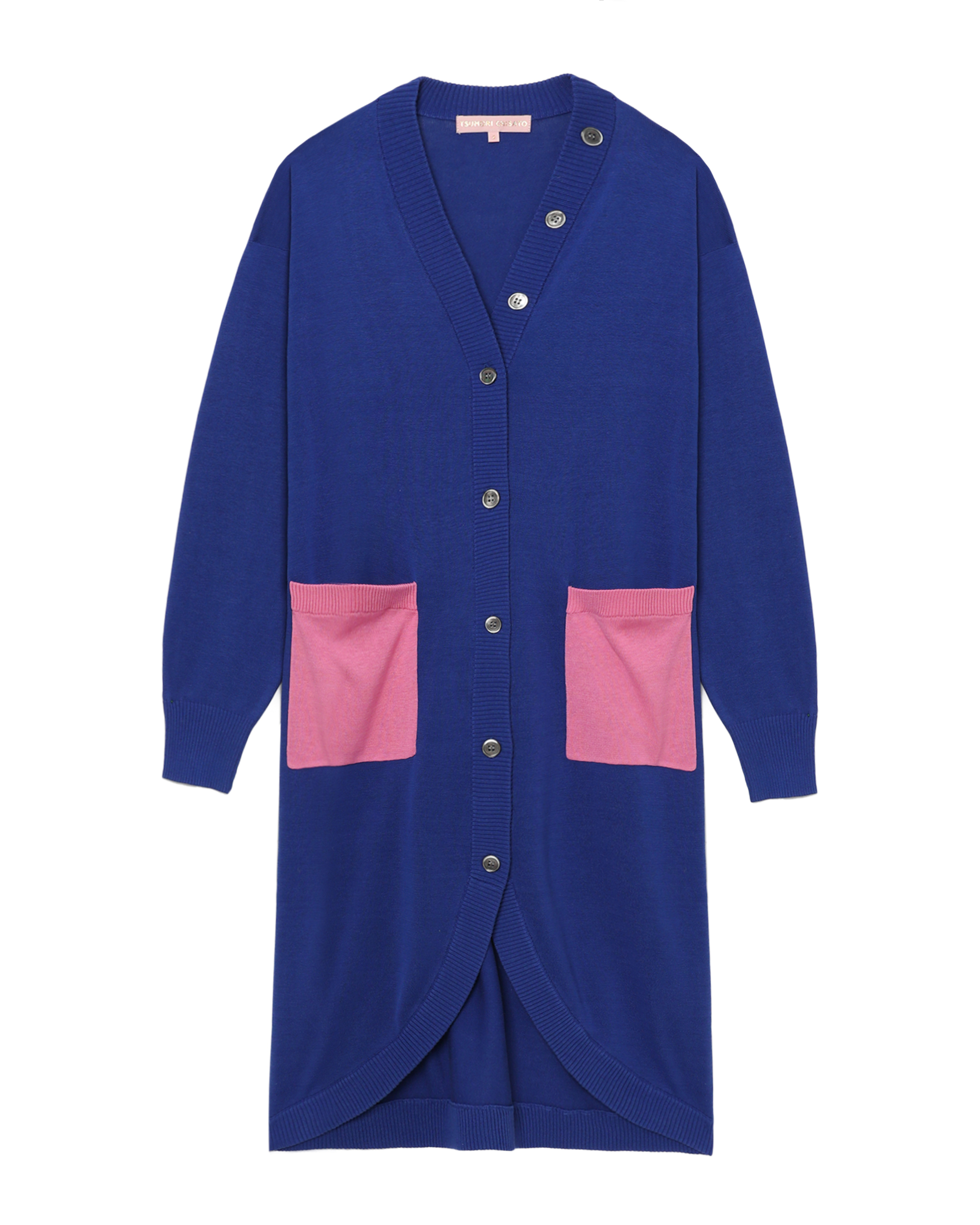
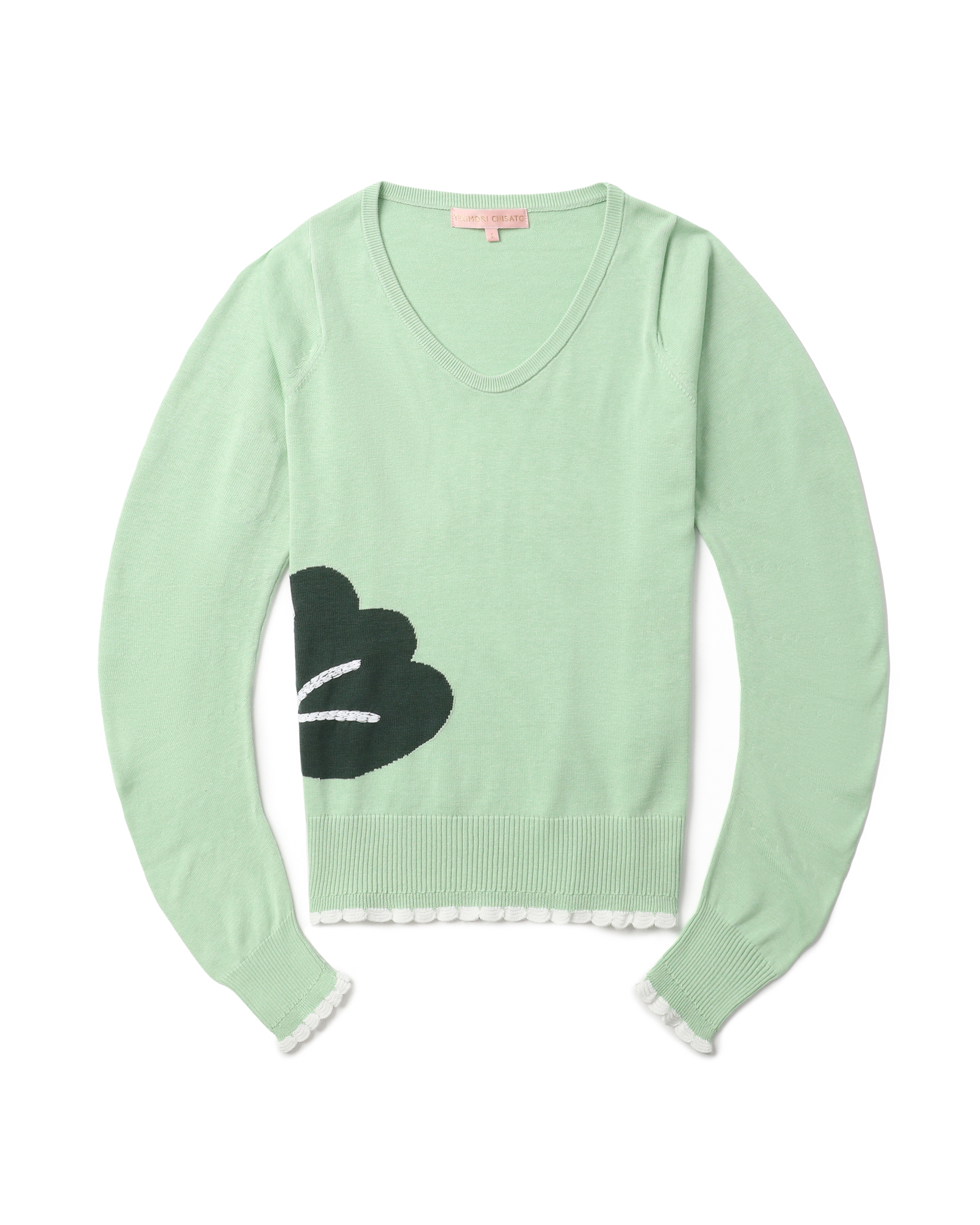
There is a particular kind of grief reserved for fashion houses that never scream. The ones that skip the algorithmic virality of a celebrity front row, that never bend to the whim of a TikTok micro-trend. They occupy a quieter stratum of the industry—one built on loyal clients, precise draping, and a singular, uncompromising artistic vision. The news that Tsumori Chisato has discontinued its ready-to-wear line is not merely a corporate restructuring; it is the closing of a chapter in a fashion language that has grown increasingly rare. This wasn't a bankruptcy or a scandal. It was a deliberate, almost silent withdrawal—a decision that speaks volumes about the tectonic shifts in the global fashion ecosystem, particularly for independent Japanese labels that once defined an era of whimsical, avant-garde elegance.
To understand the weight of this loss, you have to revisit the world Chisato Tsumori built. A protégé of Issey Miyake, she launched her eponymous label in 1990, and from the outset, her work was a study in poetic contradiction. Her garments were not the austere, architectural minimalism of her mentor. Instead, they were a riot of watercolor washes, hand-drawn illustrations, and a playful, almost childlike wonder—executed with the precision of haute couture. The collections that graced the Paris runways, from the Spring 2012 show with its floating, ethereal silhouettes to the Fall 2016 lineup that played with trompe l'oeil effects and kinetic pleating, were never about loud logos or overt sexuality. They were about a personal, intimate dialogue between fabric and wearer. Her Spring 2015 collection featured painterly florals that seemed to bloom directly onto silk crepe, while Fall 2017 offered a darker, more introspective palette of midnight blues and charcoal greys, still punctuated by her signature unexpected ruffles and asymmetric cuts. This was fashion as a private joy, not a public spectacle.
The Economics of Beauty
The discontinuation of the ready-to-wear line is a stark indicator of the economic reality facing mid-tier designers. The fashion industry has bifurcated into hyper-luxury conglomerates—who can absorb the cost of marketing blitzes and celebrity gifting—and ultra-fast fashion giants who churn out disposable copies within weeks. In between lies a precarious middle ground, where Tsumori Chisato resided. The brand was beloved by a devoted international following, but in an era where the "it-bag" and the logo-heavy sneaker dominate sales sheets, the subtle art of a hand-painted print on a perfect silk blouse struggles to maintain commercial velocity. The pressure to produce four to six collections a year, to feed the content-hungry beast of Instagram lookbooks and influencer seeding, becomes a financial drain for a house that prides itself on craftsmanship. The news articles tracking her later shows—the Resort 2019 and Spring 2021 collections—hint at a brand still creating beautiful work, but the absence of cultural buzz around them is deafening. The runway shows became less about the clothes and more about a nostalgic nod to a bygone era of fashion week.
A Silent Farewell
What makes this death so quiet is the dignity with which it was executed. There was no grand farewell tour, no celebrity-studded final show to capitalize on the emotional capital of the brand. It was a business decision, communicated through trade publications like FashionNetwork, rather than a headline-grabbing announcement in Vogue. This restraint is, in itself, a final artistic statement. Tsumori Chisato refused to turn her own legacy into a marketing stunt. She chose to let the garments speak—or rather, to go silent on their own terms. The brand will likely continue through licensing and perhaps a focused accessories line, but the soul of the house, the ready-to-wear that told stories of drifting clouds and imaginary gardens, is no more. For those who wore her pieces, the loss is deeply personal. You cannot replace a Tsumori Chisato dress with a logo tee; you cannot find her specific shade of periwinkle or her precise, irregular hemline in the fast-fashion bins.
The Void Left Behind
Her exit leaves a void that is not merely commercial but philosophical. It signals the end of an era where a designer could build a global career on artistic merit alone, without the backing of a luxury group. The quiet death of Tsumori Chisato's ready-to-wear is a somber lesson in the economics of beauty—a reminder that in the relentless churn of modern fashion, the most delicate voices are often the first to be silenced. But perhaps there is also a lesson in her restraint. In an industry that screams for attention, Tsumori Chisato chose to whisper. And in that whisper, she built a world—one that will linger long after the noise fades.