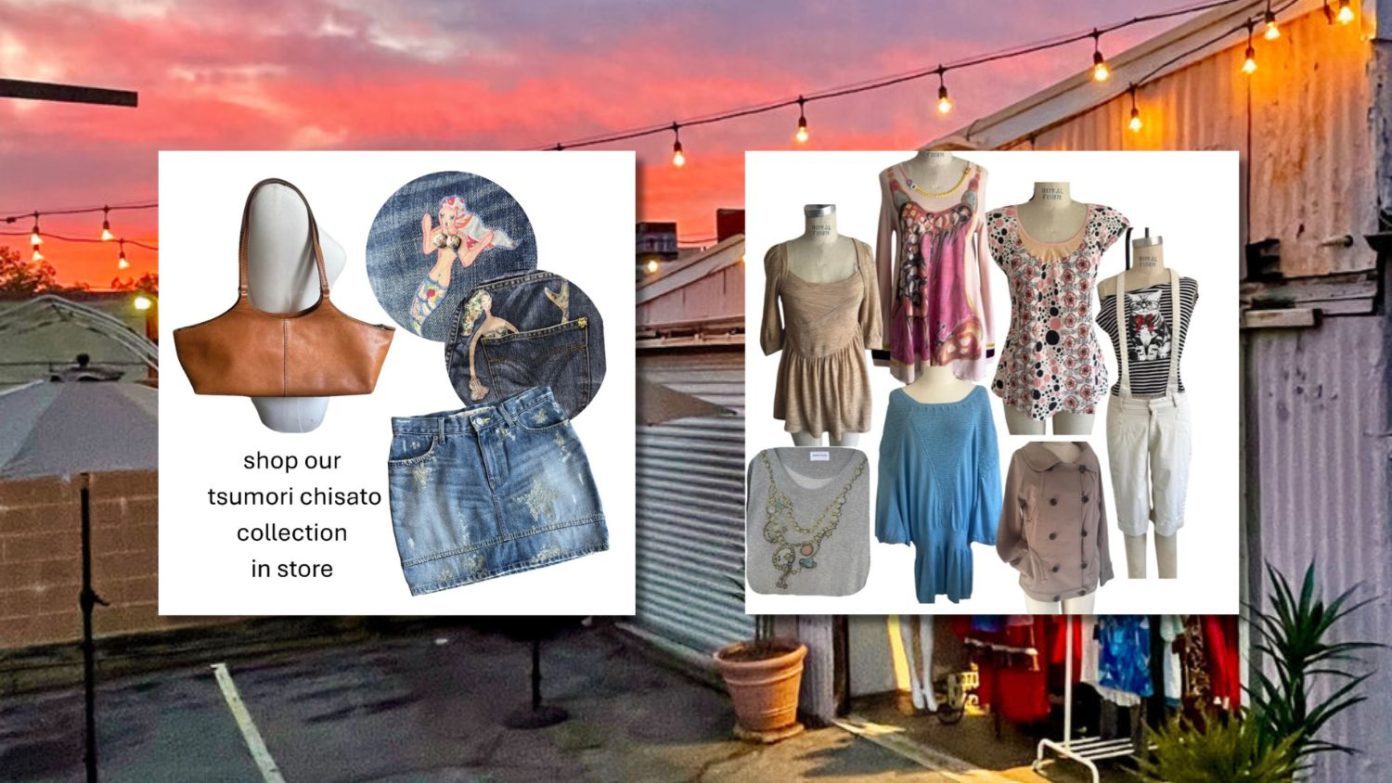
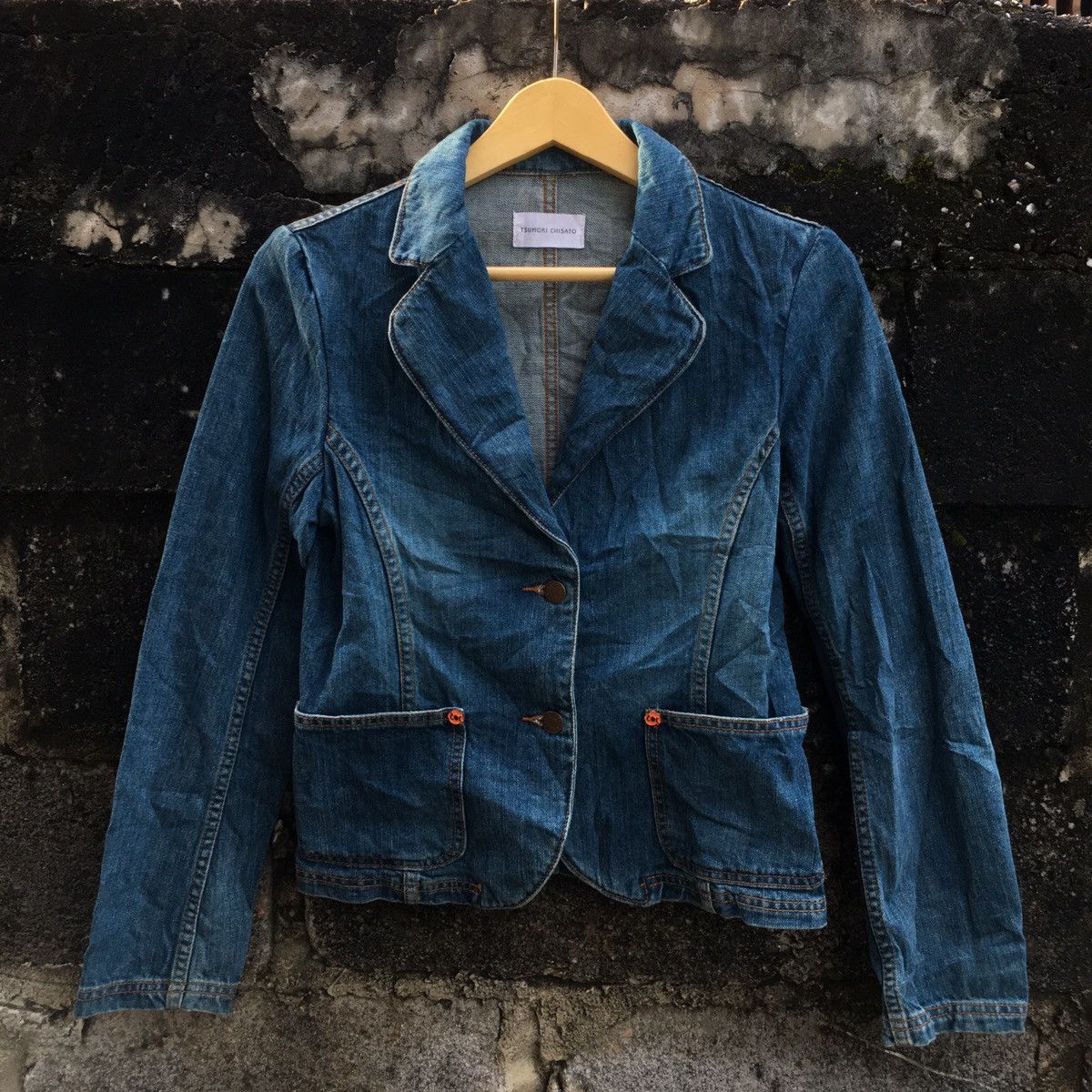
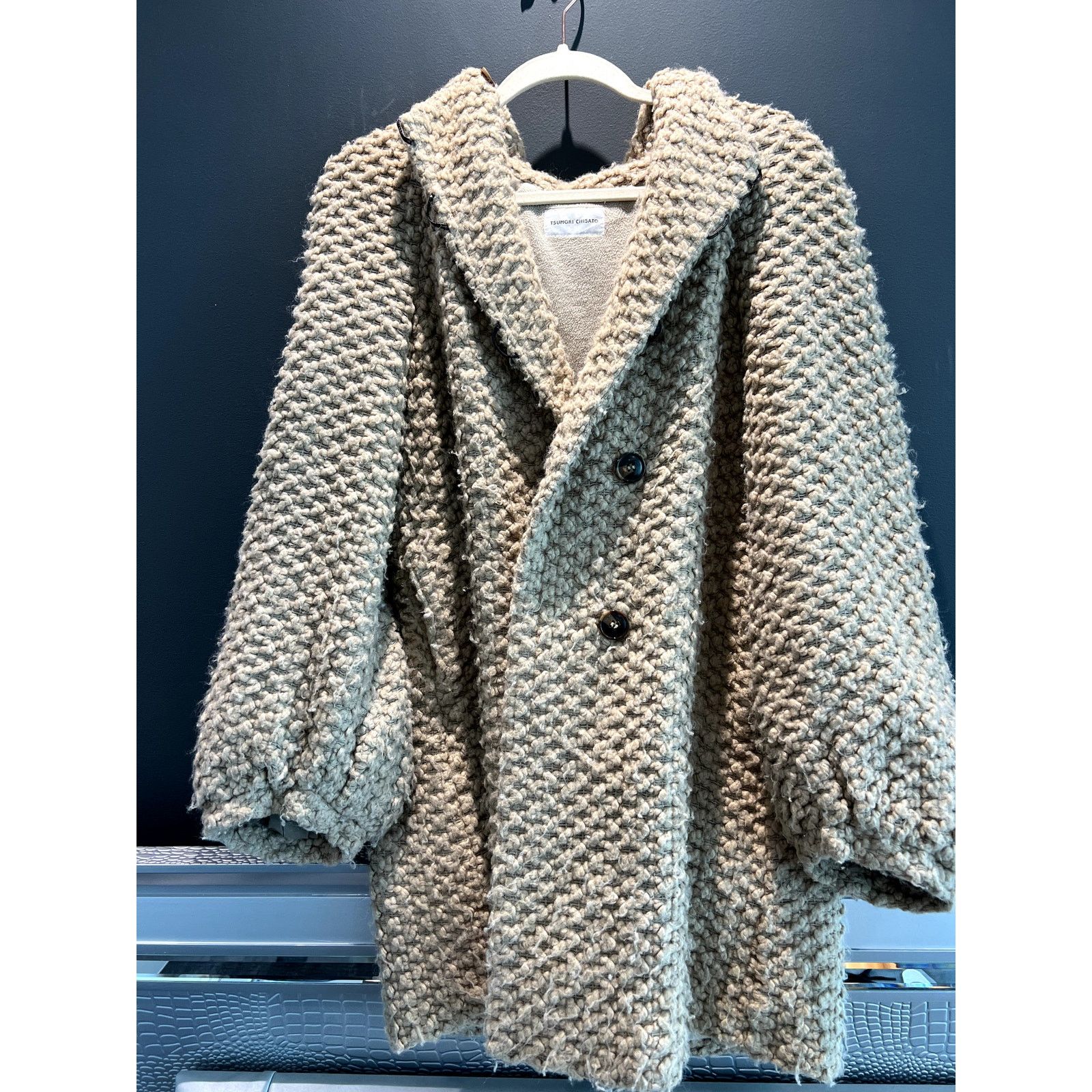
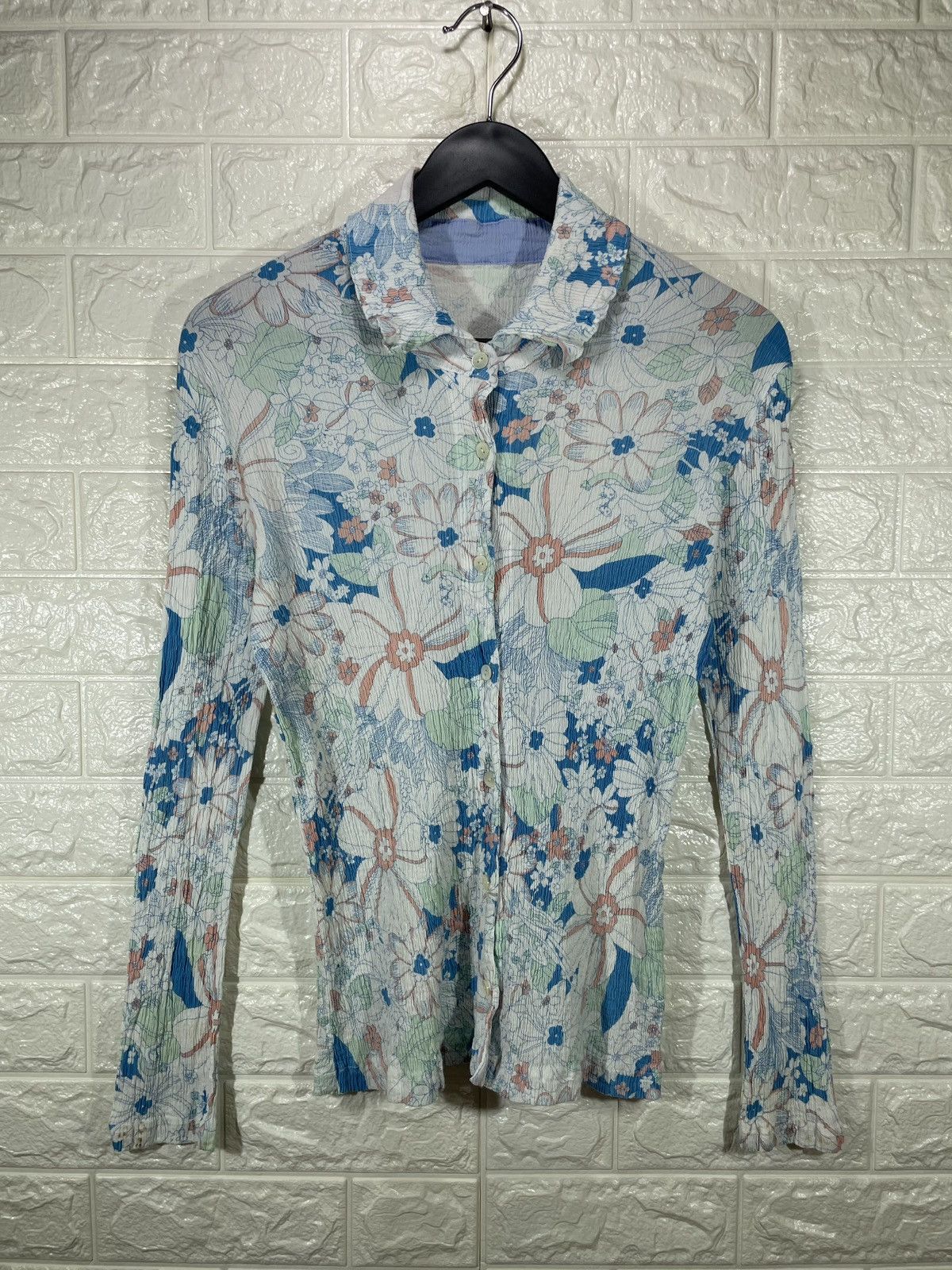
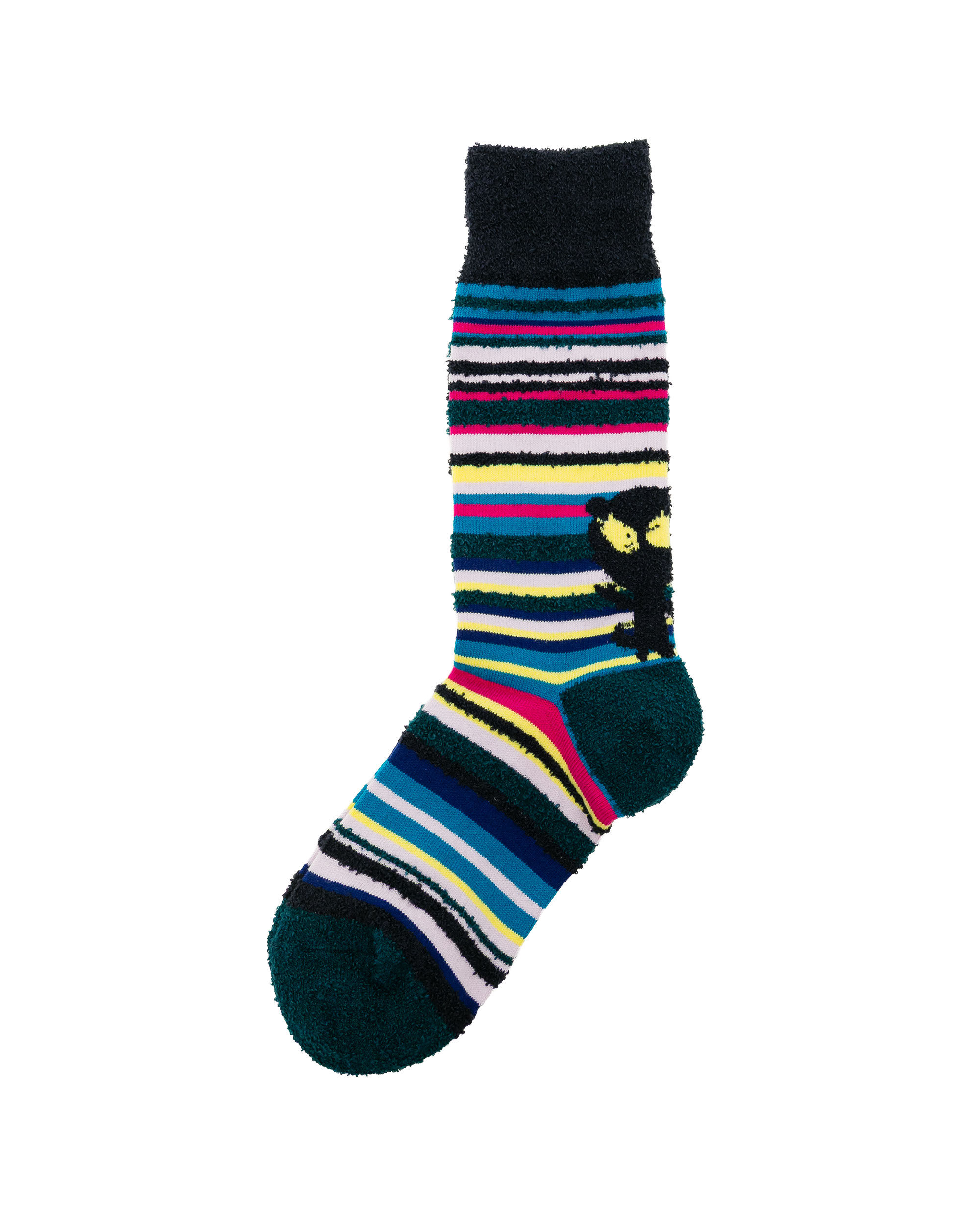
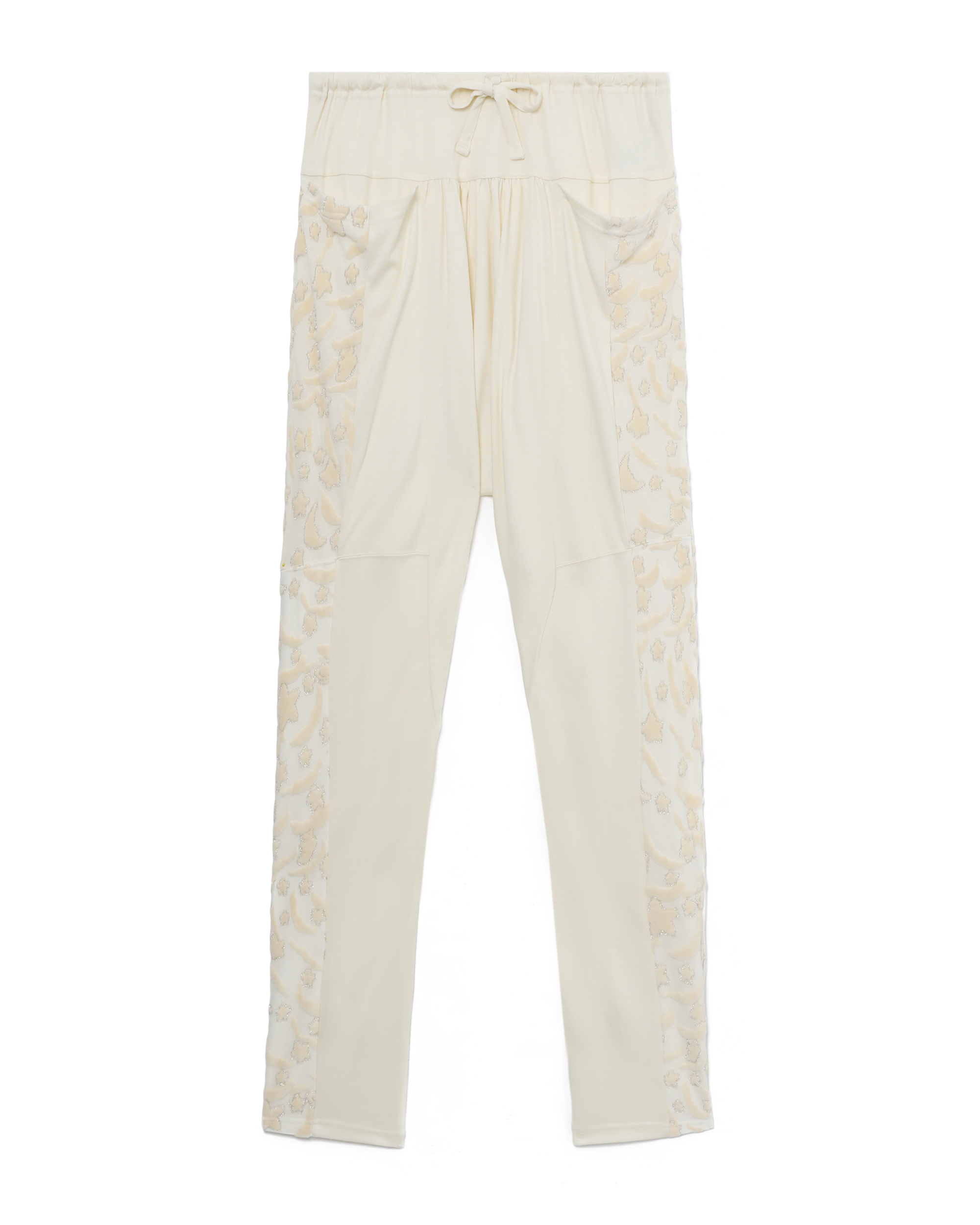
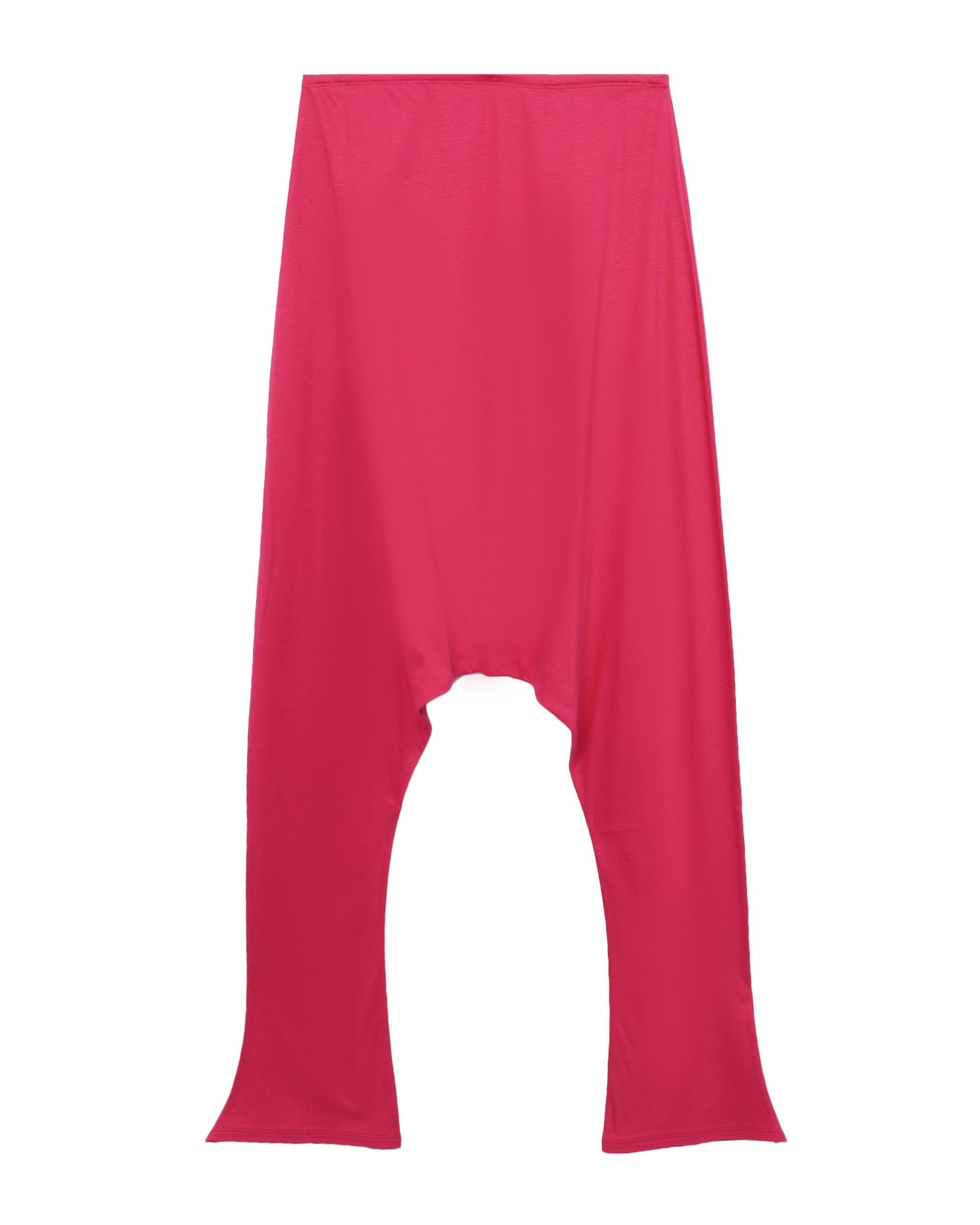
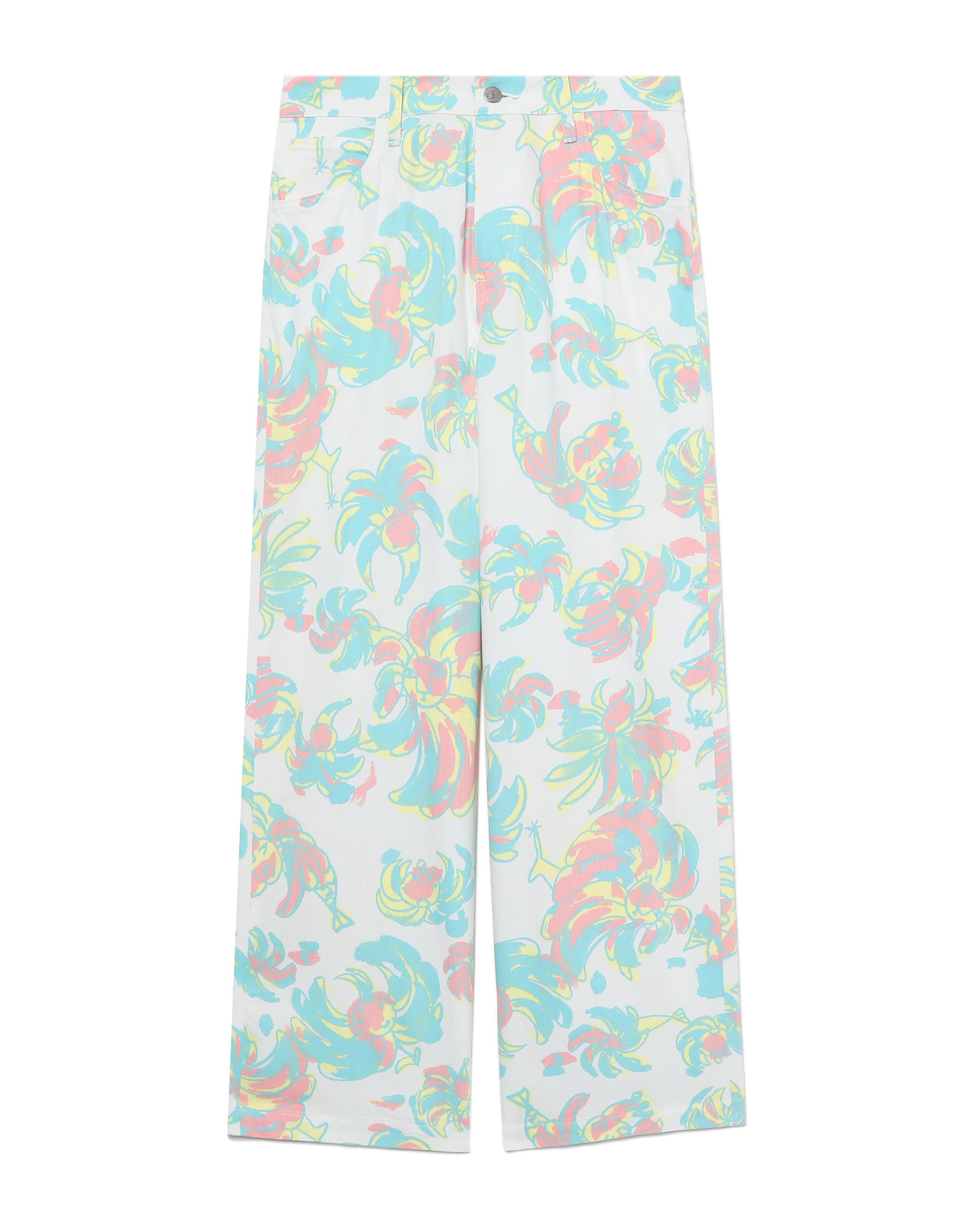
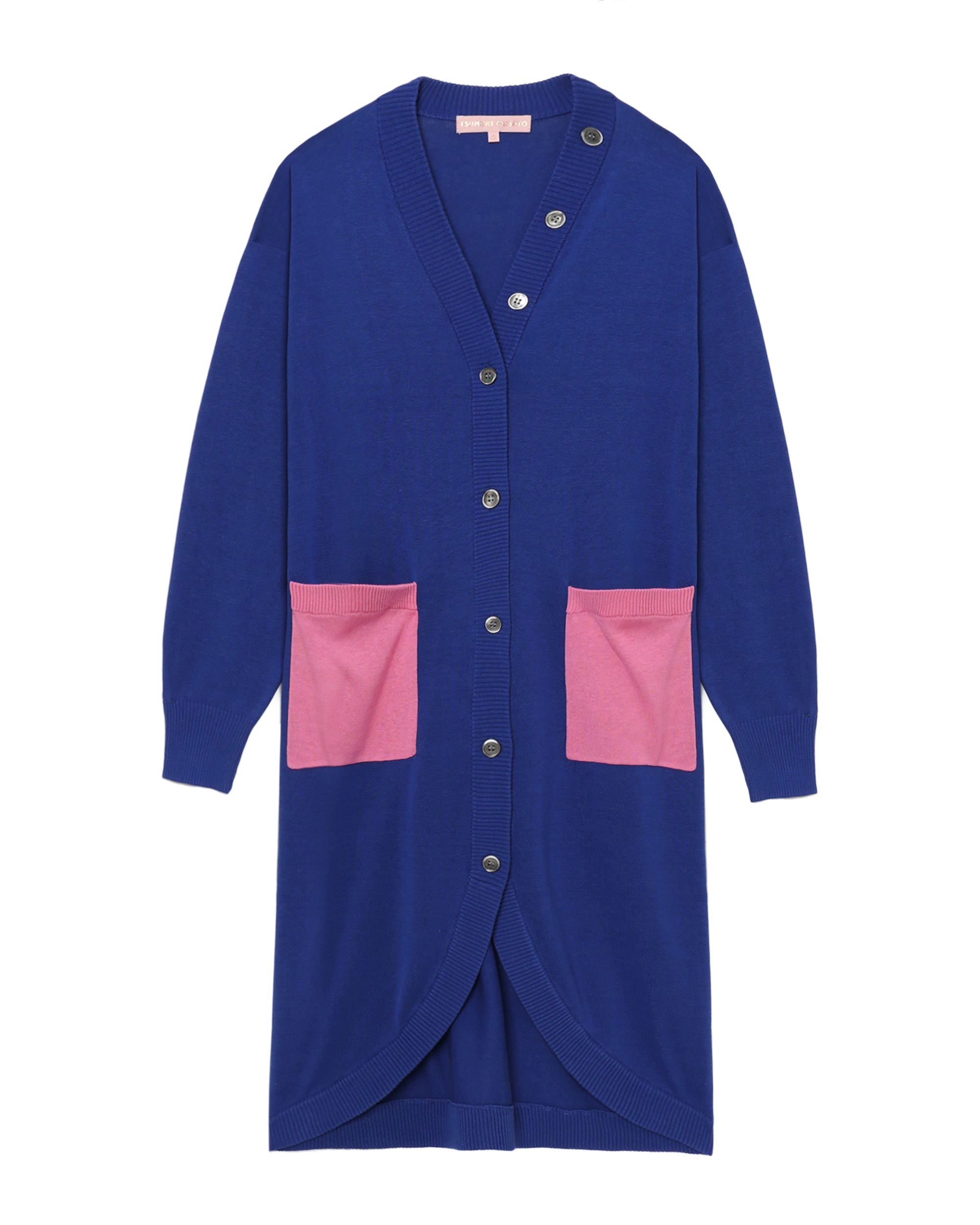
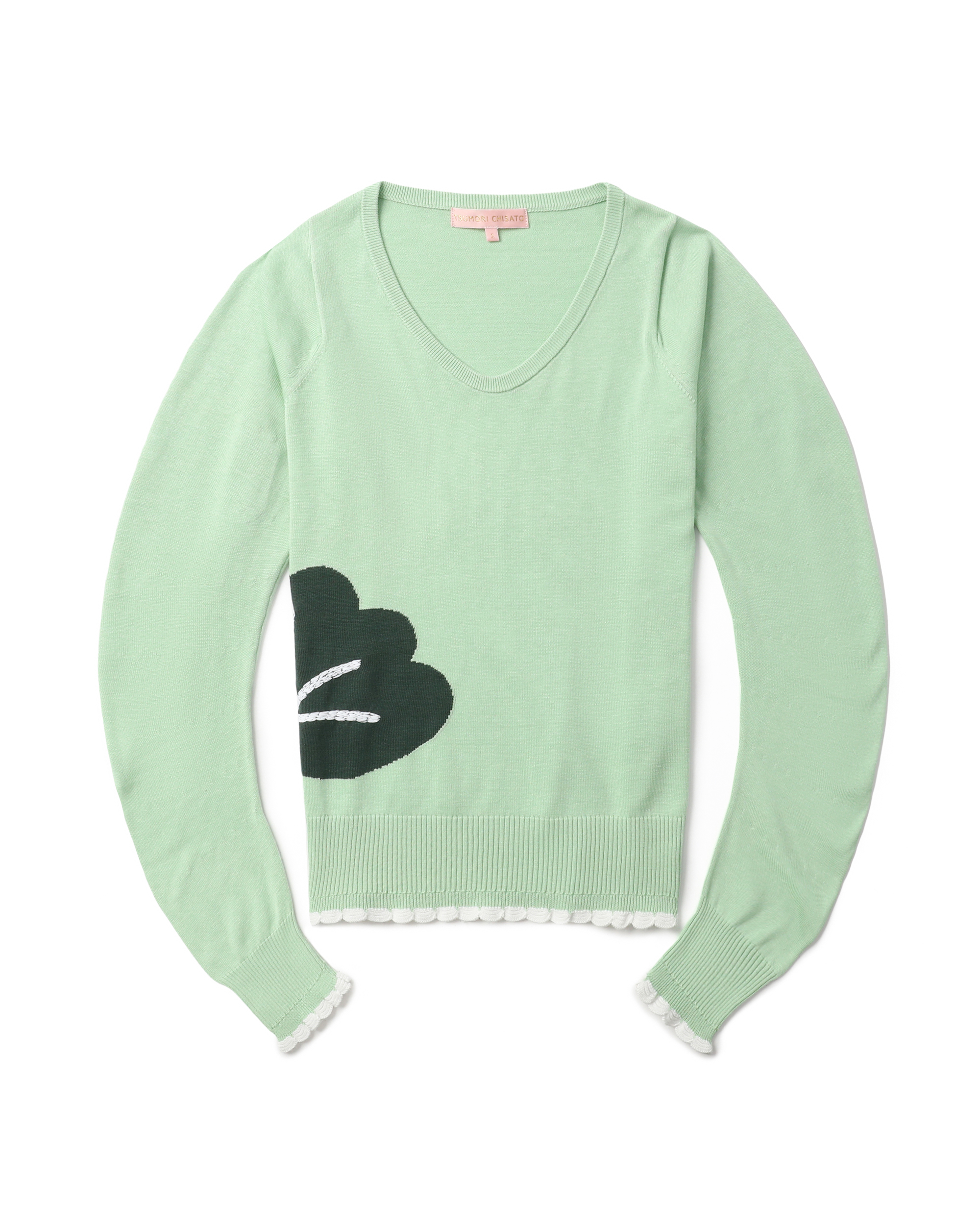
For decades, Tsumori Chisato has been fashion's most delightful secret — a designer whose work rewards those who pay close attention, whose clothes are worn by people who dress for the sheer pleasure of it. Now, in a rare and welcome development for collectors and devotees alike, Hotbox Vintage in South Pasadena has debuted a dedicated Tsumori Chisato vintage collection, offering unprecedented access to archive pieces from one of Japan's most imaginative and quietly influential designers. For anyone who has admired her work from afar — or watched her kaleidoscopic collections march down Paris runways season after season — this is the moment to act.
To understand why this collection matters, you have to understand the designer. Chisato Tsumori trained under Issey Miyake, an apprenticeship that instilled in her a rigorous sense of textile and form. But where Miyake pursued the sculptural and the conceptual, Tsumori Chisato took those lessons and ran in a wildly different direction — toward joy, toward narrative, toward the kind of clothing that feels like a storybook illustration brought to life.
From Miyake's Atelier to a Language of Her Own
Since founding her label in 1990 and showing in Paris from 2001 onward, Tsumori Chisato has built a body of work defined by hand-drawn prints, saturated color, eclectic layering, and a magpie's eye for global reference — Alpine folk motifs, African textiles, Japanese anime, Parisian bohemia, all collapsed into garments that are unmistakably, irrepressibly hers. It's a vocabulary that reads as pure delight on the surface and reveals real discipline underneath: the trained hand of a designer who learned form before she let herself play with it.
Why This Archive Matters
What makes the Hotbox Vintage collection genuinely significant is the scarcity it addresses. Tsumori Chisato has never been a mass-market name in the United States; her pieces were produced in limited quantities and distributed selectively, which means her archive has remained largely out of reach for American shoppers. Vintage and resale channels have historically offered only scattered, one-off finds — a blouse here, a dress there, often with provenance uncertain. A curated collection changes that equation entirely. It gives collectors a considered cross-section of her output, the kind of access that turns a cult admiration into an actual wardrobe.
For those who have followed her collections through the seasons — the exuberant print work of her Spring 2012 and Spring 2014 ready-to-wear shows, the inventive layering of her Fall 2016 and Fall 2017 runways, the playful escapism of her Resort 2019 outing — the appeal is obvious. These are clothes that photograph beautifully but were always designed to be lived in.
The Details That Make a Piece Collectible
The design details are what elevate a Tsumori Chisato piece from merely colorful to genuinely collectible. Her garments are built around original textile design — prints drawn by hand and developed specifically for each collection, never pulled from a stock archive. Look for the signature eclecticism: asymmetric hemlines, unexpected fabric juxtapositions, embroidery and appliqué worked into everyday silhouettes, and a proportion philosophy that favors ease without ever sacrificing wit.
Her clothes flatter a wide range of bodies precisely because they were never built around a single rigid ideal; they drape, they layer, they move. The materials, too, reward close inspection — soft cottons and jerseys printed with extraordinary care, wools and knits that hold color with remarkable depth.
A Singular Cultural Position
Culturally, Tsumori Chisato occupies a singular position. She emerged from the same Tokyo creative milieu that produced Miyake, Yohji Yamamoto, and Rei Kawakubo, yet she chose a different path — one of optimism and accessibility rather than austerity and intellectualism. In an era when fashion discourse so often privileges the severe and the conceptual, her work is a reminder that serious design can also be joyful.
That sensibility has aged extraordinarily well. The pieces in this collection don't read as dated; they read as prescient, arriving at a moment when the market has rediscovered appetite for expressive, individualistic dressing after years of minimalist uniformity.
Who is this collection for? In truth, it's for anyone who has grown weary of the sameness of contemporary retail. It's for the collector who understands that Tsumori Chisato's archive is finite — that these garments will not be made again — and for the wearer who wants clothing with a point of view. It's for those who remember her Paris shows and those discovering her for the first time.
Why it matters now is simple: the resale market has finally caught up to her reputation, and opportunities like the Hotbox Vintage debut are precisely how a cult favorite becomes a properly recognized one. Archive access is fleeting. The pieces are here, they are rare, and they will not wait.