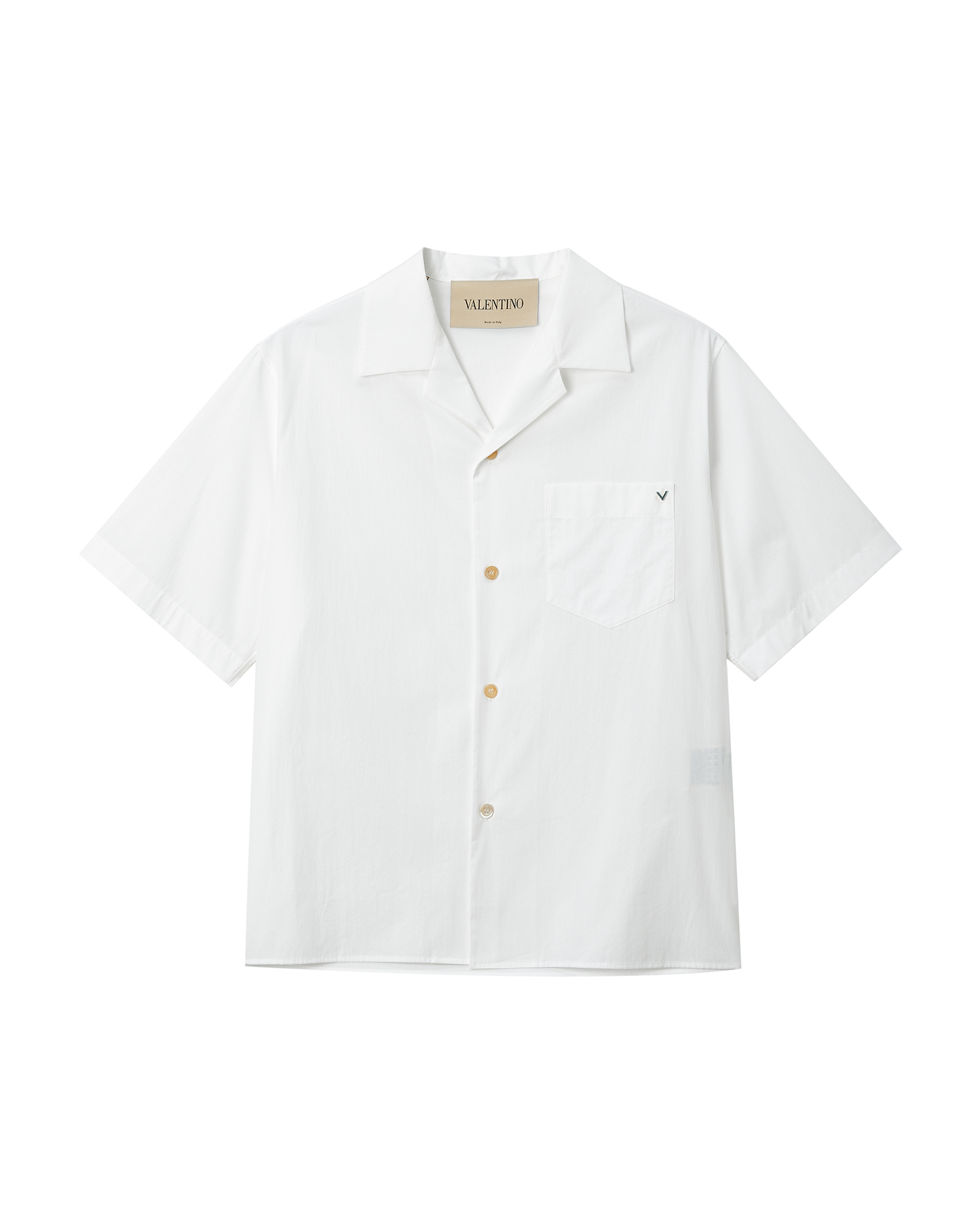
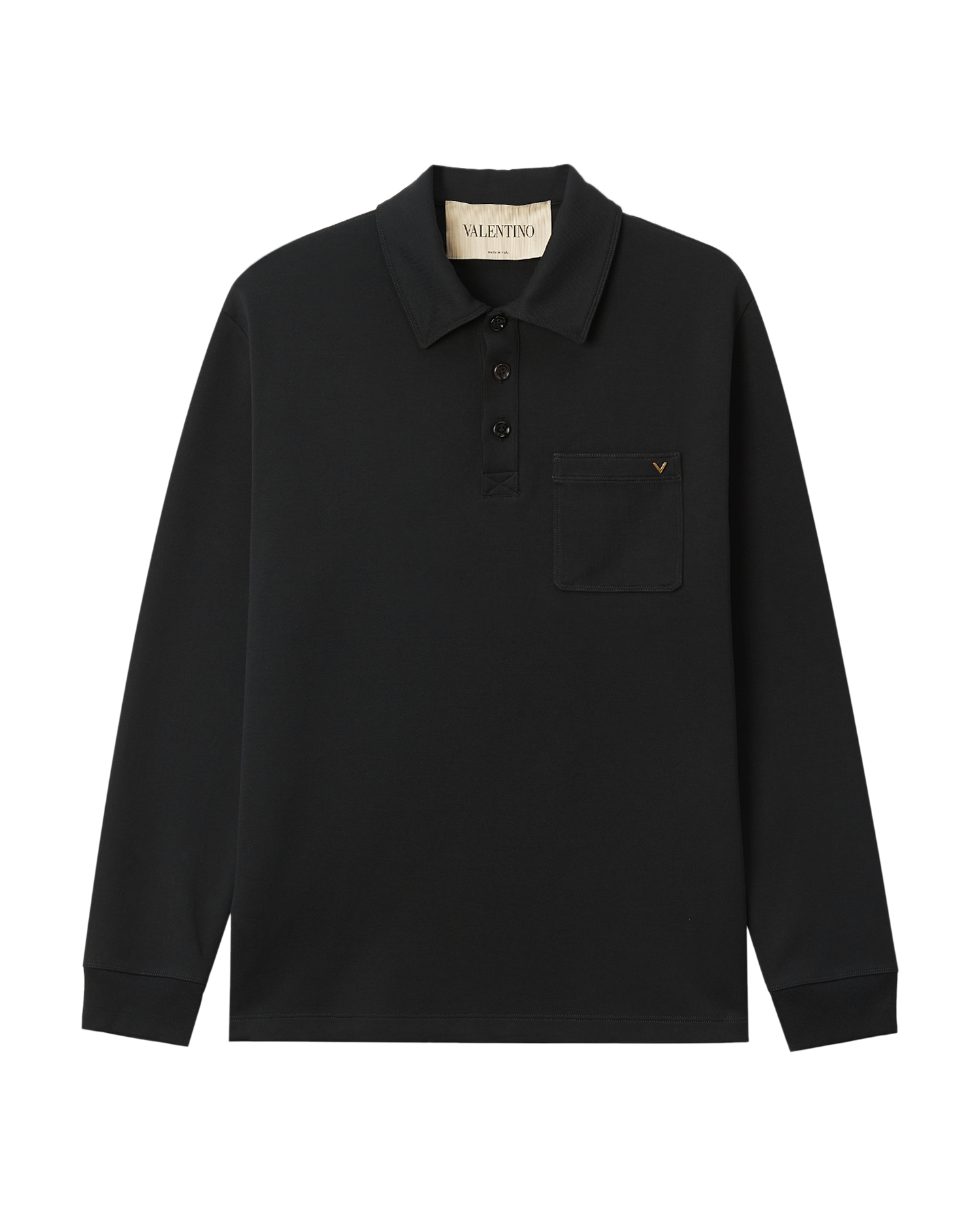
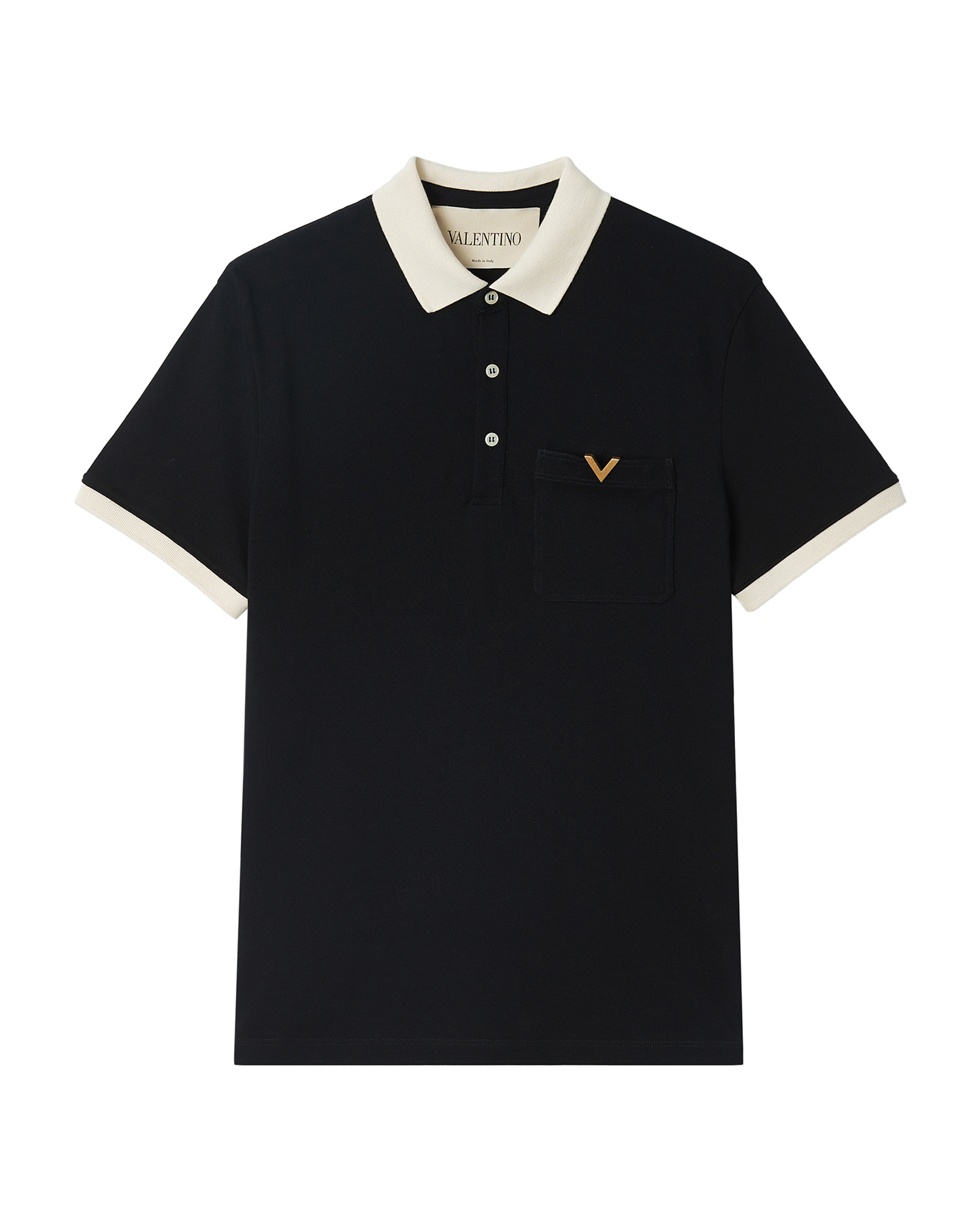
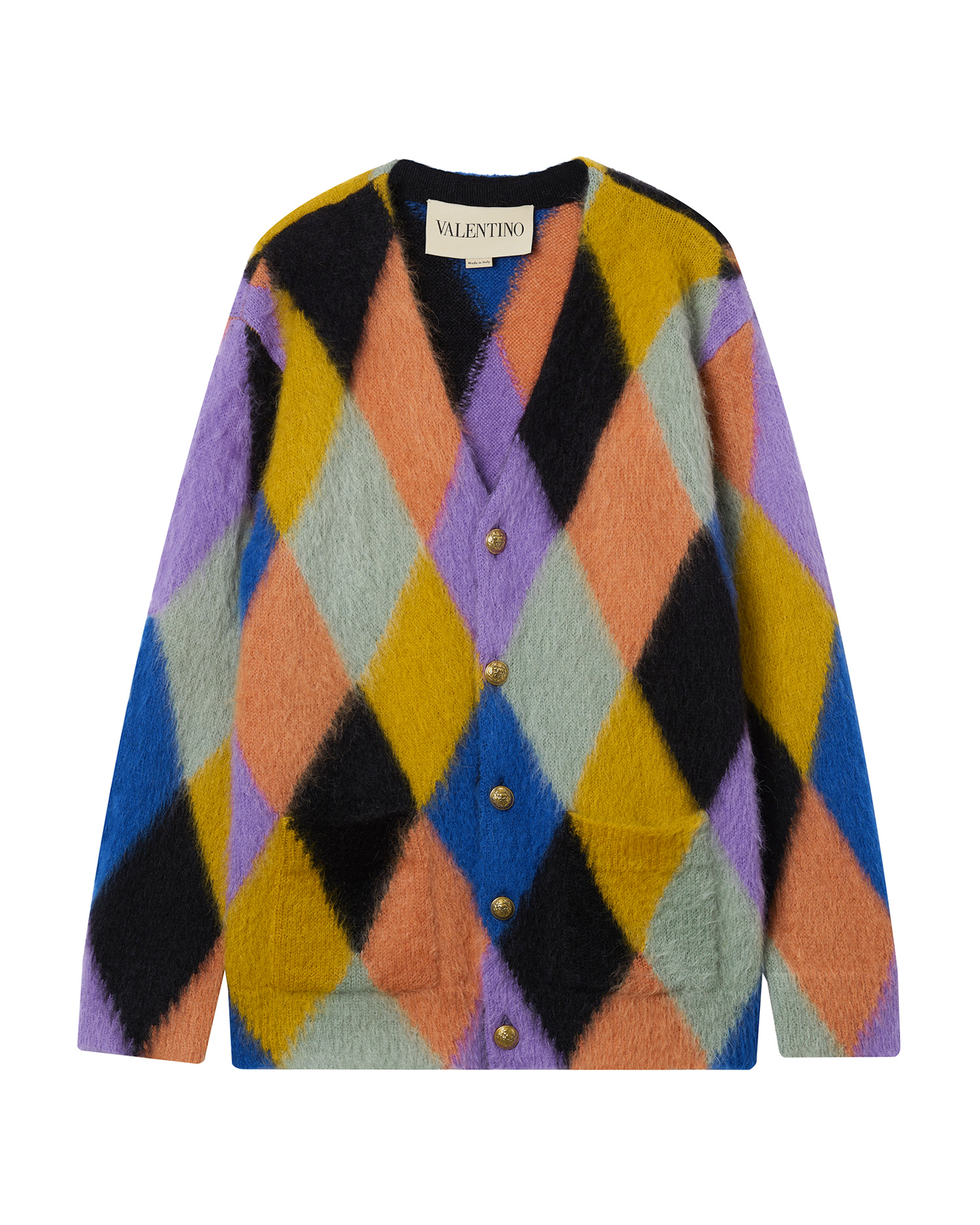
The invitation was not a ticket but a text—and the front row arrived carrying books they had not read. At Valentino’s Spring 2027 Ready-to-Wear show, creative director Alessandro Michele staged a collection built on a deliciously perverse premise: that the unread book, spine out and pristine, is the season’s most potent status symbol. Under the banner of what the house called the “Antibiblioteca,” guests were asked to bring a volume of their choosing. The resulting parade of pristine hardcovers—held like clutches, tucked beneath arms, stacked as accessories—became the show’s defining image long before the first look cleared the runway.
Vogue chronicled the literary procession; the fashion world, in turn, chronicled the fashion world. It was a masterstroke of staging, and the clothes rose to meet it.
The Book as Ornament
The Antibiblioteca conceit is pure Michele: erudite, romantic, and just ironic enough to sting. Where a traditional bibliophile’s library celebrates the read and the dog-eared, the Antibiblioteca celebrates the aspirational—the book as object, as ornament, as promise deferred. That tension ran through the garments themselves. Michele sent out layered silk and chiffon in faded manuscript tones—sepia, foxed cream, ink-black—cut into flowing dresses that moved like turned pages.
Tailoring appeared softened and scholarly: oversized blazers with the worn-in ease of a favorite reading chair, waistcoats rendered in jacquard that recalled antique endpapers, and sheer blouses gathered at the throat in a gesture somewhere between a cravat and a bookmark. The palette held to the library’s own—oxblood, bottle green, parchment, and midnight—punctuated by sudden flashes of marigold and cerulean, the color of marginalia scribbled in a borrowed book.
Accessories That Keep the Secret
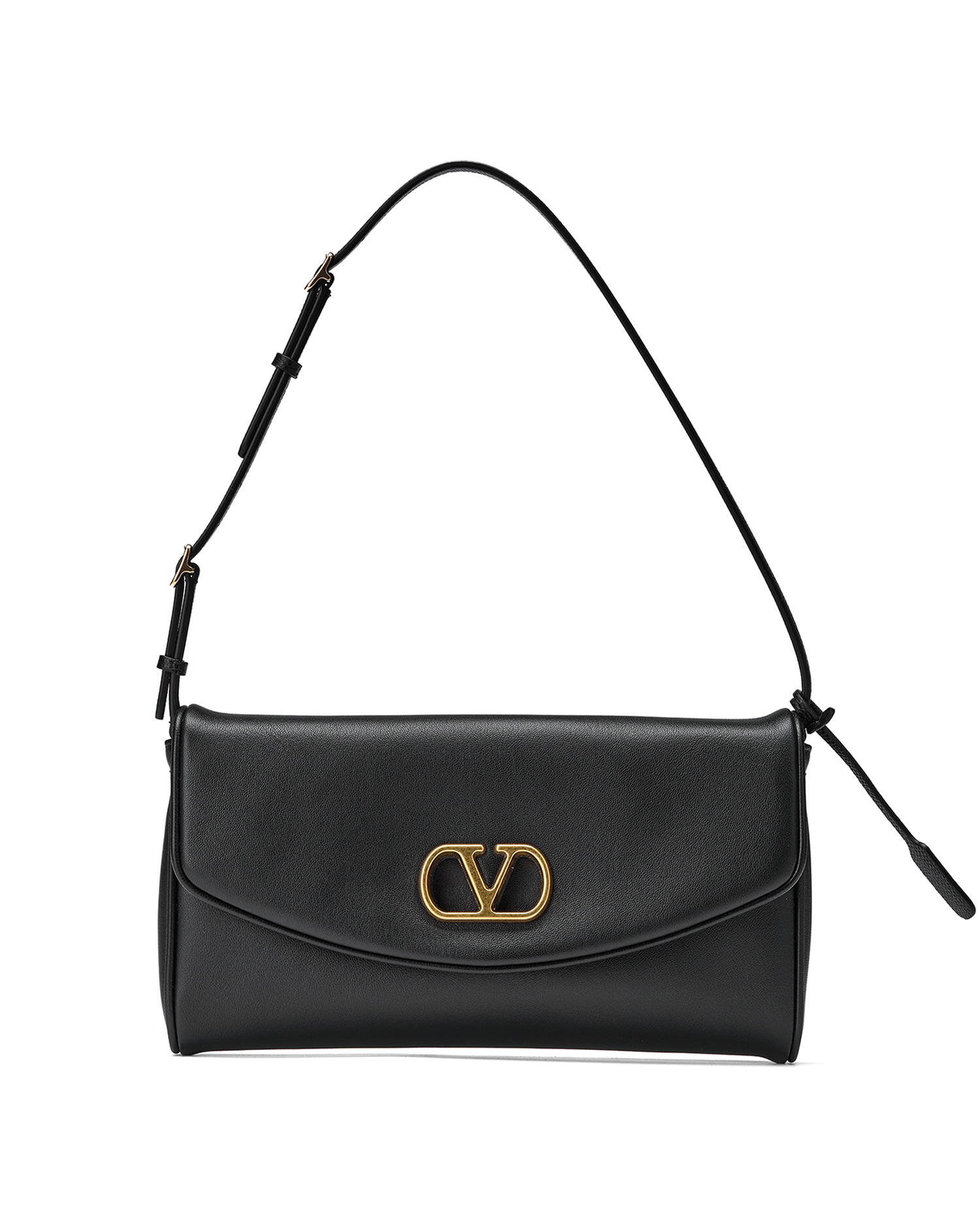
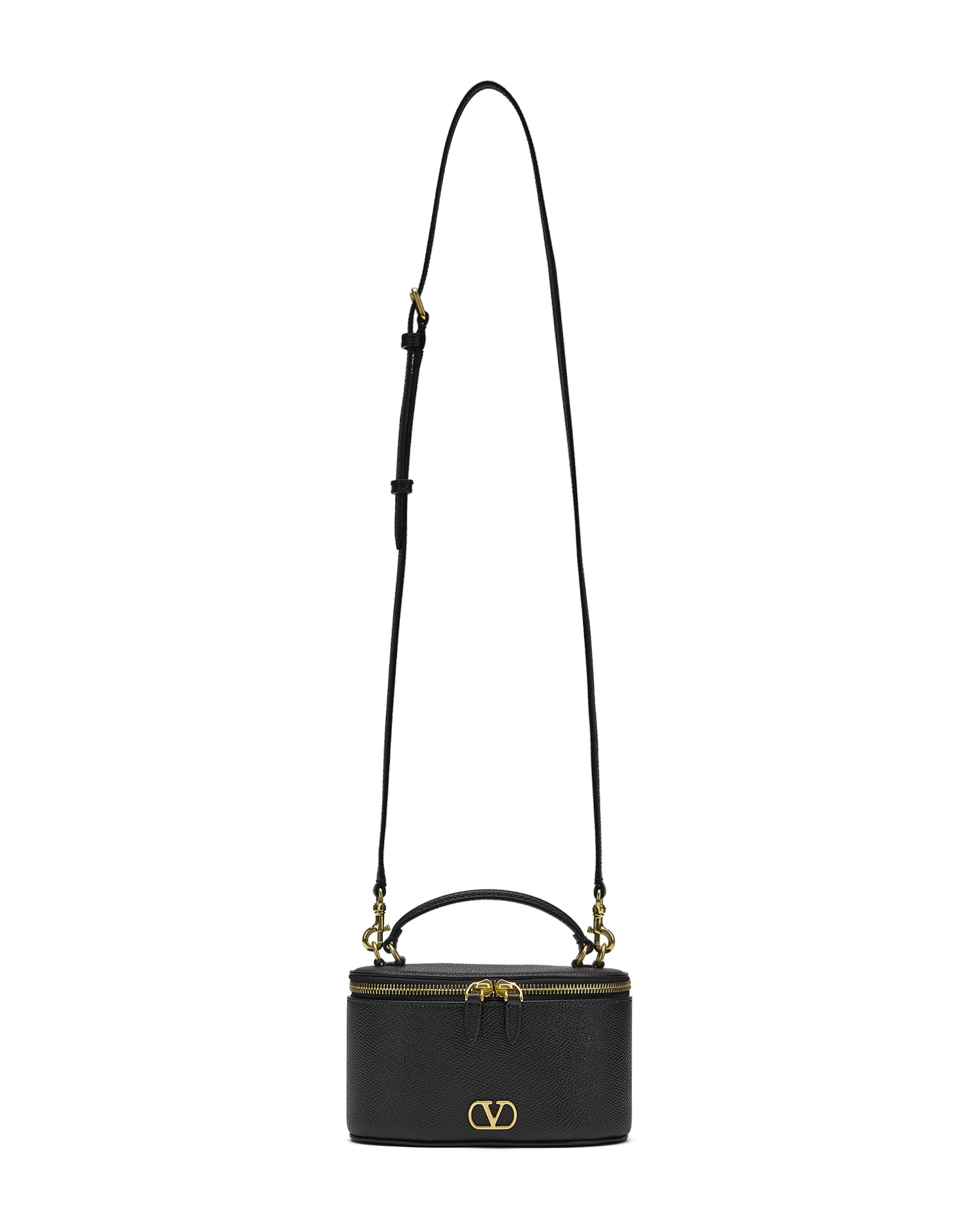
Accessories leaned into the theme without tipping into costume: slim leather satchels sized to a single novel, spectacle-adjacent eyewear, and stacked signet rings that glinted like gilded page edges. Each piece felt tactile and deliberate, as though designed to be handled as much as worn—objects with the quiet weight of a book you have been meaning to open.
Reading the Room
What elevates the collection beyond a clever set piece is its cultural timing. Valentino’s season arrives amid a broader reckoning with reading itself—the aestheticization of bookshelves, the rise of the “shelfie,” the book as interior decoration and social signal. The Antibiblioteca does not merely acknowledge this; it turns the mirror and asks the wearer to enjoy the vanity.
Yet the house’s recent cultural reach has been genuinely literary and genuinely artful: a Valentino and Ewa Juszkiewicz exhibition drew acclaim for wedding couture to the painter’s unsettling, hair-obscured portraits—another meditation on surface, concealment, and the romance of the unfinished. Michele’s Spring 2027 continues that conversation, positioning Valentino as a house that treats intellect as an aesthetic and irony as a luxury good.
For the Woman Who Reads Reviews as Closely as Novels
This is a collection for the woman who understands that a pristine dust jacket can say more than a highlighted passage. It suits the collector, the hostess, the creative director who curates her coffee table with the same rigor as her wardrobe. It is not, emphatically, for the literalist—the Antibiblioteca rewards those who grasp that the unread book is a gesture, not a confession. In an era when attention is the scarcest luxury and taste is performed as much as possessed, Michele has located the perfect emblem: the book you meant to read, carried beautifully, worn like an intention.
Why it matters now is precisely this: fashion has grown weary of logomania and hungry for meaning, however playfully worn. Valentino Spring 2027 offers a collection that is wearable, romantic, and quietly cerebral—one that trusts its audience to get the joke and to look extraordinary while getting it. The Antibiblioteca is less a library than a mood, and the mood is unmistakably Valentino: learned, longing, and gorgeously unresolved.