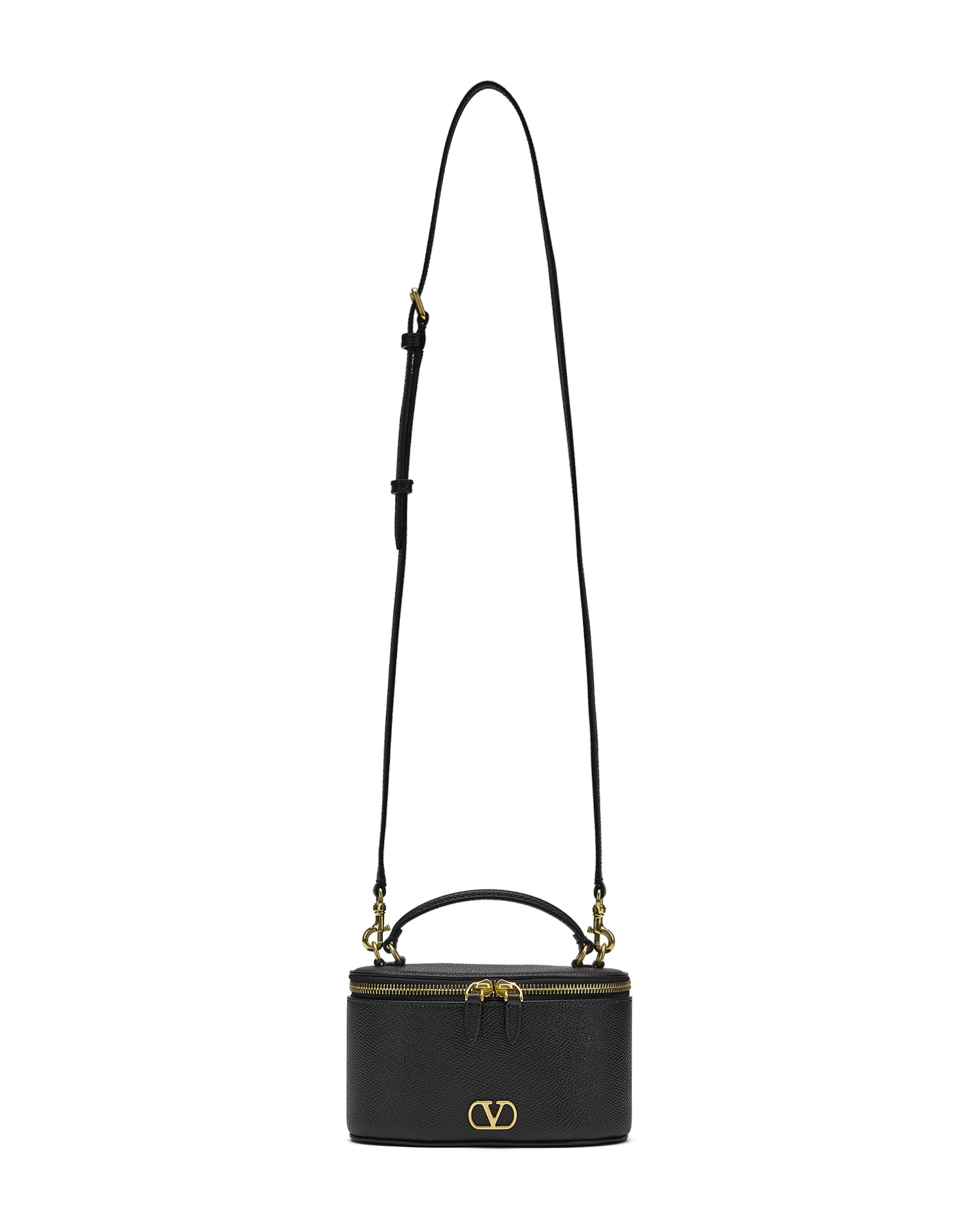
For nearly a decade, the Valentino Garavani Rockstud occupied a curious position in the fashion consciousness: instantly recognizable, endlessly photographed, and yet, by the late 2010s, quietly dismissed by the very style arbiters who had once championed it. The pyramid studs that debuted in 2010 became a victim of their own ubiquity — and of a luxury market that had begun to prize the understated over the emphatic. But fashion has a long memory and a short attention span, and under the stewardship of Alessandro Michele, the Rockstud has been resurrected with an almost archaeological reverence. What was once a logo of excess is now a talisman of conviction.
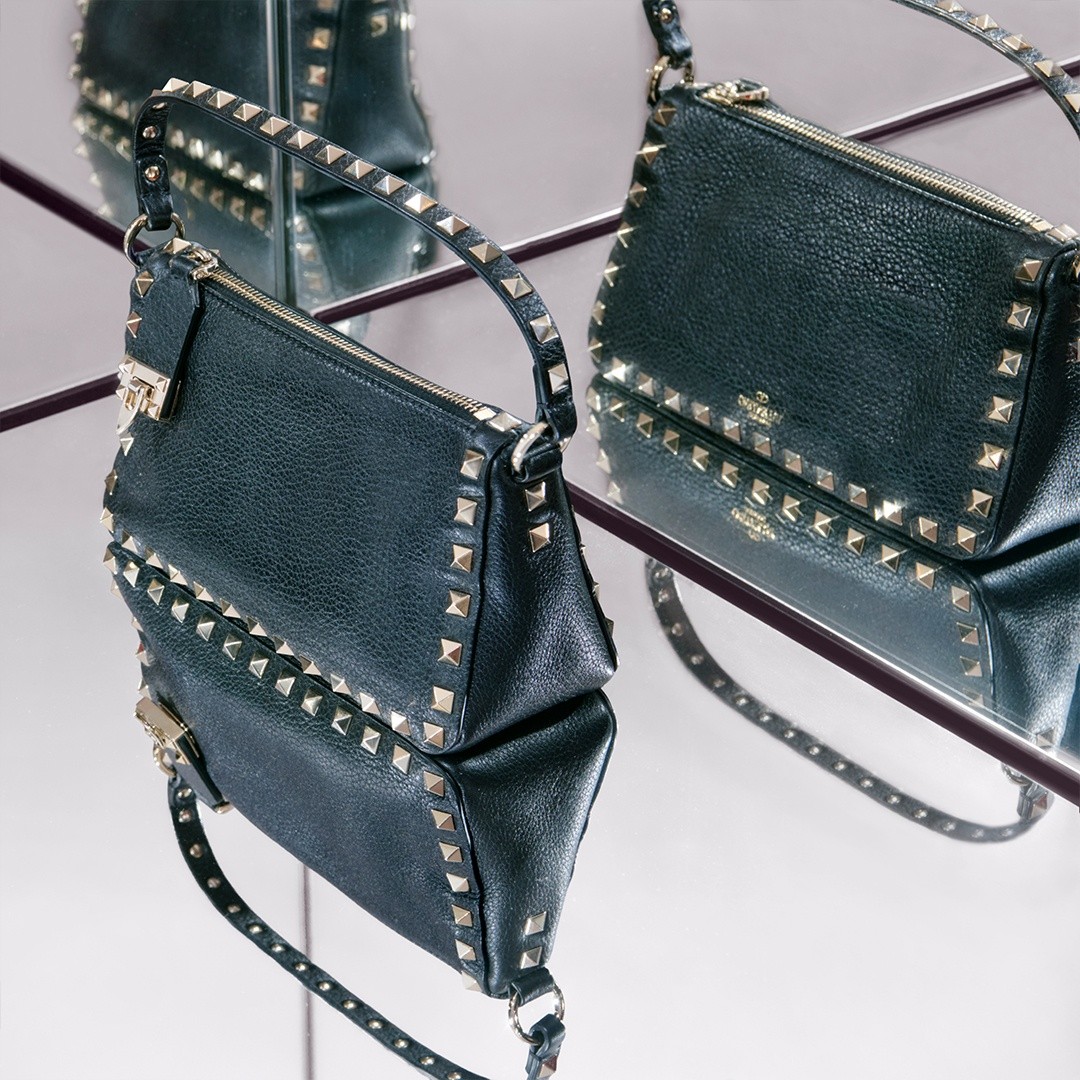
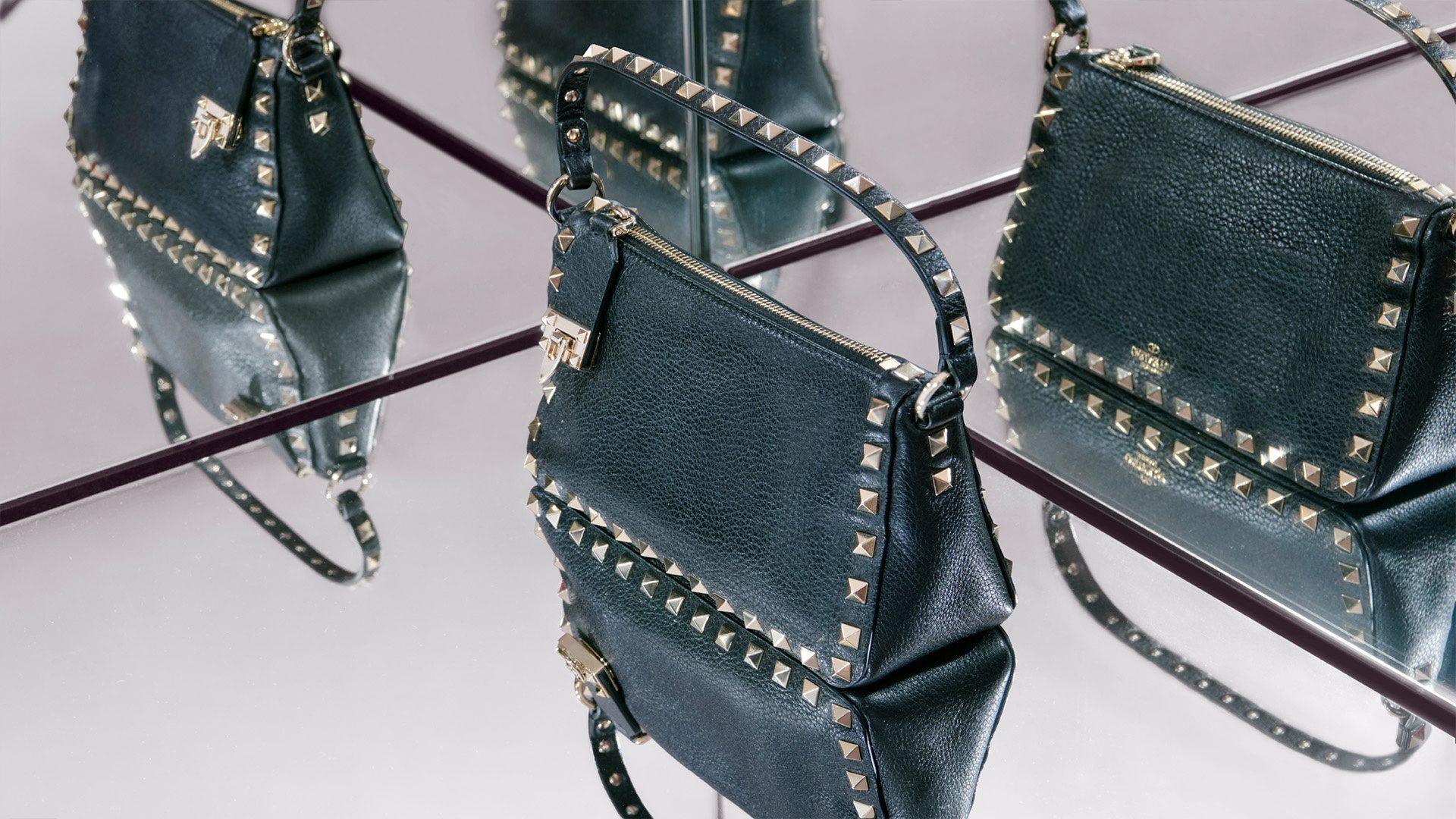
The revival is not a reissue. Michele, who took the creative helm at Valentino in 2024, has approached the Rockstud as a living archive rather than a nostalgia exercise. The signature pyramid studs, still cast in metal and hand-applied along the bag's trim, have been recalibrated — slightly softened at the edges, more deliberately spaced, rendered in tones that range from polished gold to a burnished, almost antique brass. It is a bag that understands its own history and chooses to refine rather than repeat it.
The Archive, Recalibrated
What separates this chapter from a simple comeback is the hand at work. The leathers are the quiet luxury of the Valentino atelier: supple Roman nappa, buttery to the touch, with a structure that holds the bag's silhouette without rigidity. The Rockstud23 and its kin retain the detachable chain strap and the turn-lock closure that made the original so functional, but the proportions have been subtly retuned — a touch more compact, a touch more deliberate. Run a thumb along the trim and the studding reads as craft rather than decoration, each pyramid set by hand in an era of the printed and the pasted. Nothing here shouts. Everything here insists.
The Cultural Pendulum
Culturally, the Rockstud's return lands at a precise moment. The pendulum of taste has swung back toward the declarative — logomania receding, but ornamentation returning under the banner of personal style. The bag has re-entered the conversation through the most credible channels: Elle Fanning wearing custom Valentino for a photocall, McKenna Grace at a London premiere, and a Spring 2027 ready-to-wear collection that framed the Rockstud as an object of romance and intellect rather than mere status. Michele's Valentino is a literary one — guests at his shows carry books, not just bags — and the Rockstud now reads as a character in that narrative: a piece with a past, worn by people who choose their accessories with intention.
Who It's For Now
Who is this bag for? Not, as it happens, for the woman who bought it in 2012. It is for the collector who understands that a recognizable object can be recontextualized by the hand that made it — who wants the detachable strap for a crossbody day and the top-handle silhouette for an evening, who values the hand-finished studding as a marker of craft. It is for those who have grown tired of the stealth bag and its whispered codes, and who find in the Rockstud a more honest proposition: a bag that says what it is, and says it with conviction.
Heritage Without Heaviness
Why it matters now is simpler still. In a market saturated with quiet luxury and its inverse, the Rockstud occupies a rare middle ground — heritage without heaviness, statement without shout. Michele has not asked us to forget the bag's ubiquity; he has asked us to reconsider it. The studs still catch the light the way they always did. The difference is in the eye doing the looking.
That, in the end, is the philosophy made physical. Michele's Valentino is built on the idea that an object can carry memory and still feel new — that romance and intellect are not opposites but companions. The Rockstud is no longer a trend. It is a classic, and classics are not revived so much as re-read. This is the season we begin reading it again.