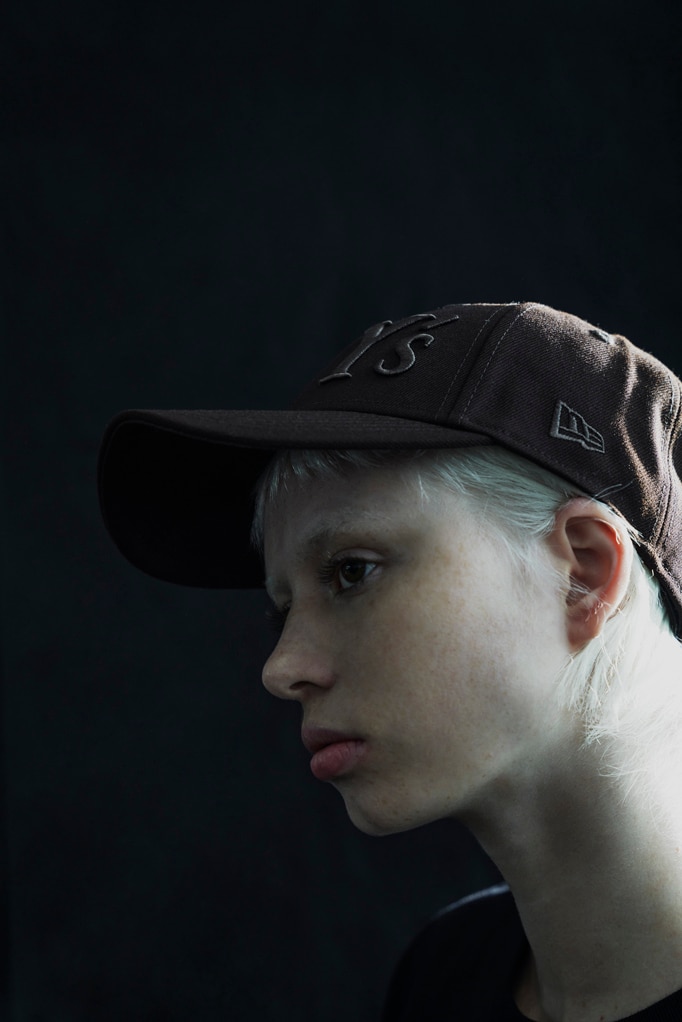
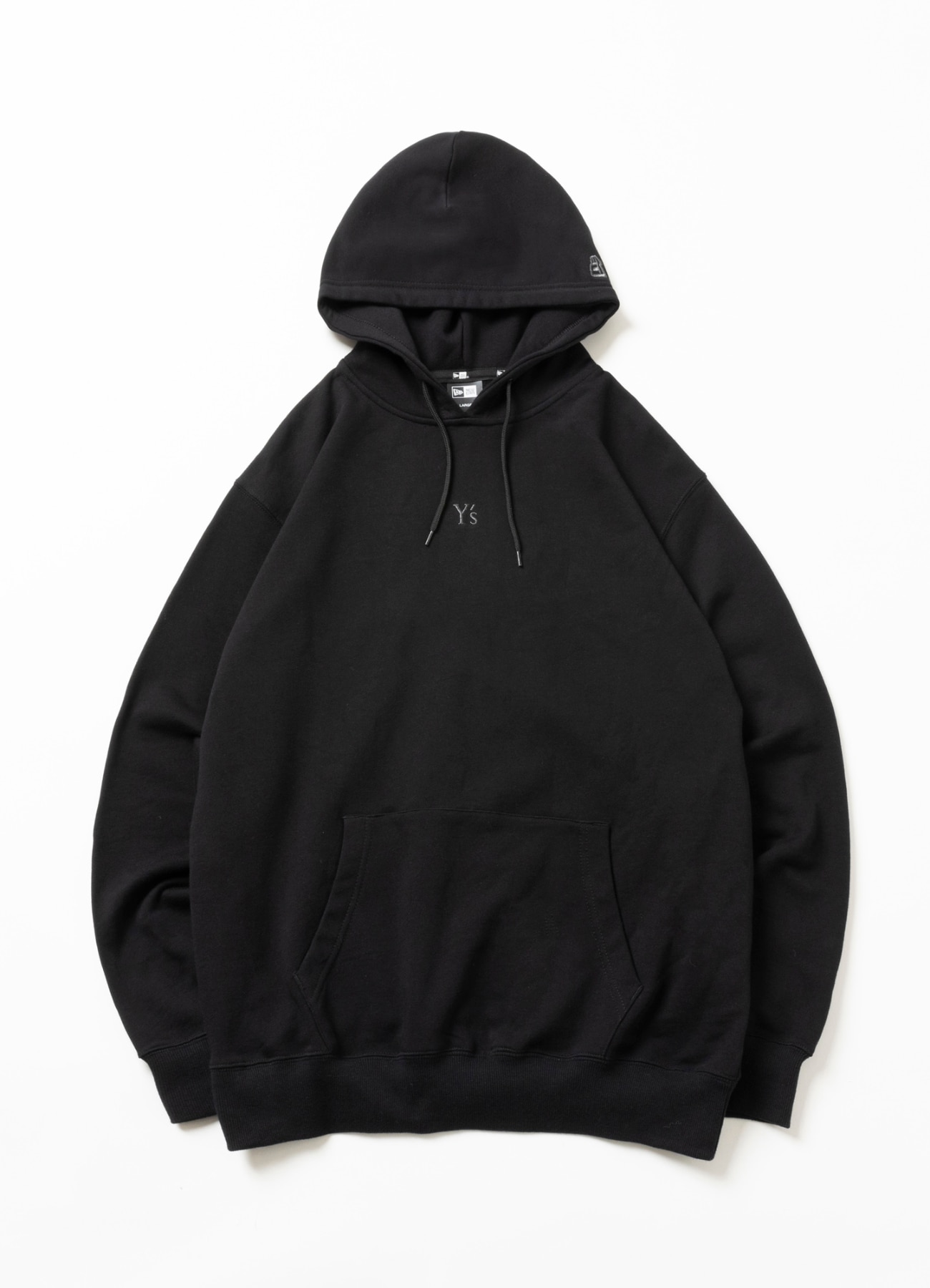
In a fashion landscape increasingly dominated by the loud and the logoed, the return of the Y’s x New Era FW26 capsule collection arrives as a quiet act of defiance. The collaboration, reigniting a partnership that has long simmered beneath the surface of mainstream awareness, represents something increasingly rare: a meeting of two institutions that understand restraint as a form of power.
Yohji Yamamoto’s Y’s line—the diffusion arm of his sprawling design universe—has always occupied a particular space, more accessible than his mainline yet never diluted in intent. Paired with New Era, the American headwear titan whose 59FIFTY silhouette has become a global signifier of subcultural credibility, the capsule offers what might best be described as subversive everyday armor: garments and accessories designed not to shout, but to endure.
The Design Language: Deep Blacks and Deliberate Restraint
The collection’s design language is unmistakably Yohji. Expect deep blacks, asymmetric proportions, and the kind of draped, forgiving silhouettes that have defined the designer’s work for over five decades. New Era’s contribution—its signature 9FORTY and 59FIFTY cap forms, alongside apparel staples—is recalibrated through Y’s lens: weathered fabrics, tonal embroidery, and subtle co-branding that rewards the close observer rather than the passing glance.
Materials lean toward heavyweight cottons and washed twills, fabrics that soften with wear and develop the patina that Yohji devotees prize. The palette is deliberately narrow—ink, charcoal, off-black—a reminder that Yamamoto has never been interested in seasonal novelty for its own sake.
Where Japanese Restraint Meets American Sportswear
Culturally, the collaboration sits at an intriguing intersection. New Era’s caps have long been adopted by hip-hop, skate, and streetwear communities as totems of belonging; Y’s brings to that vocabulary a distinctly Japanese sensibility of *ma*—negative space, intentional emptiness—and a European tailoring discipline. The result is sportswear stripped of its aggression, elevated into something almost monastic.
It is telling that this partnership returns at a moment when fashion’s pendulum is swinging back toward understated, wearable garments after years of maximalist excess. The capsule speaks to a consumer who wants clothing that functions as uniform rather than costume—pieces that integrate into a life rather than interrupt it.
Who It’s For: The Loyalist and the New Convert
Who is this collection for? Certainly the Yohji loyalist, who understands that Y’s has always been the gateway: a way to enter the designer’s world without committing to the mainline’s often prohibitive pricing. But it also speaks to a younger generation discovering Yamamoto through archival imagery and resale platforms—readers of *Highsnobiety* who may have encountered the recent provocation asking whether Yohji had “gone SKIMS,” a question that misunderstands his project entirely.
Yamamoto has never chased the market; the market has, eventually, come to him. This capsule is for the person who wants a New Era cap that doesn’t announce itself, a hoodie whose weight and cut betray an obsessive attention to detail, a piece of everyday armor that feels earned rather than acquired.
Continuity Over Comeback
Why does it matter now? Because the collaboration represents a continuity of vision in an industry addicted to reinvention. Y’s and New Era first connected years ago, and this FW26 return is less a comeback than a reaffirmation—a signal that certain partnerships deepen rather than dissipate.
In a season crowded with hype-driven drops and algorithmic trend cycles, the capsule offers something sturdier: garments built to be worn for years, not photographed for weeks. It is Yamamoto’s quiet insistence that clothing should serve the wearer, not the other way around.
That ethos—restraint as power, endurance over ephemera—has animated Yamamoto’s work for over five decades. In 2026, it feels less like nostalgia than like radical common sense. The Y’s x New Era capsule doesn’t ask to be noticed. It asks to be worn, and worn again, until the fabric tells its own story.