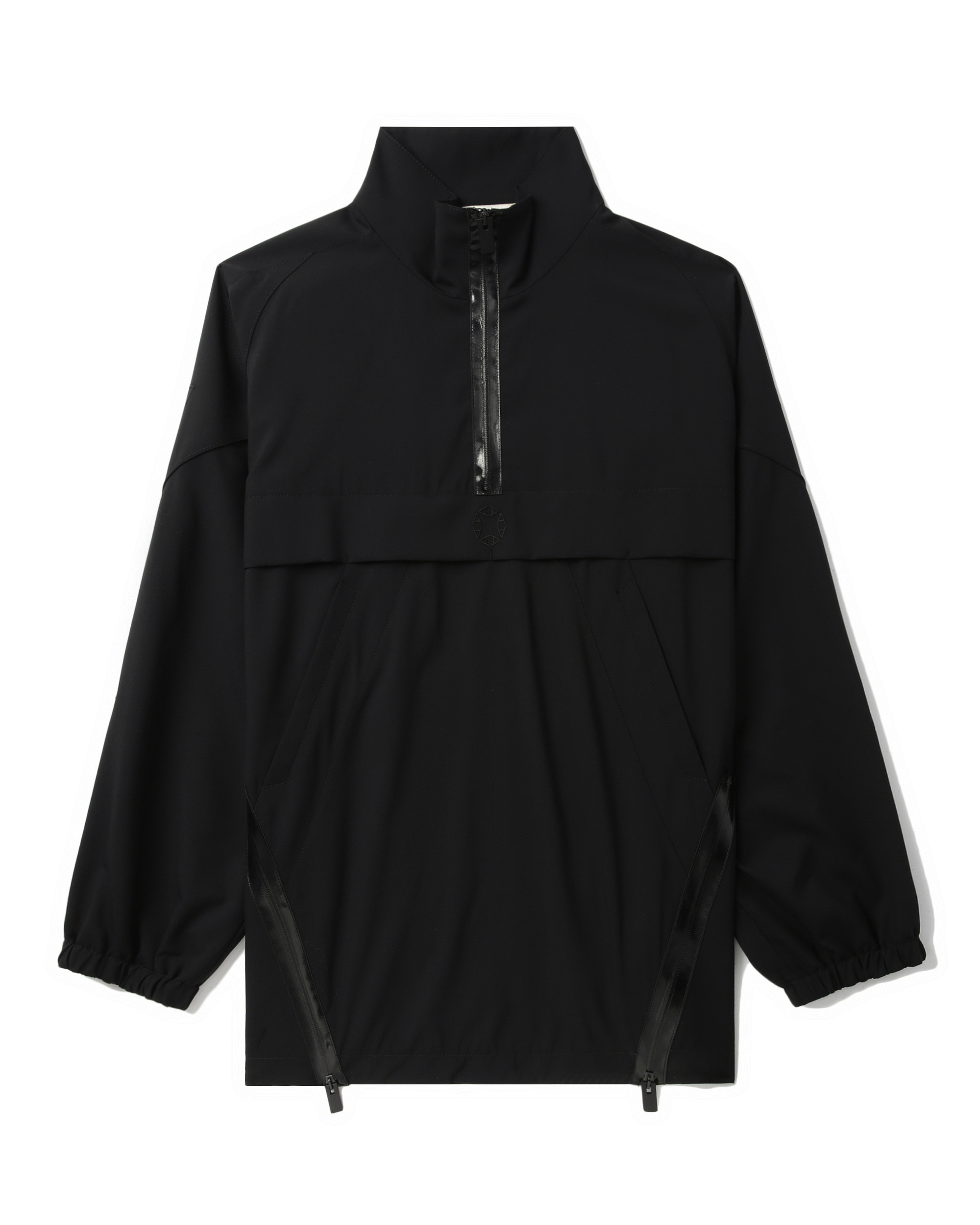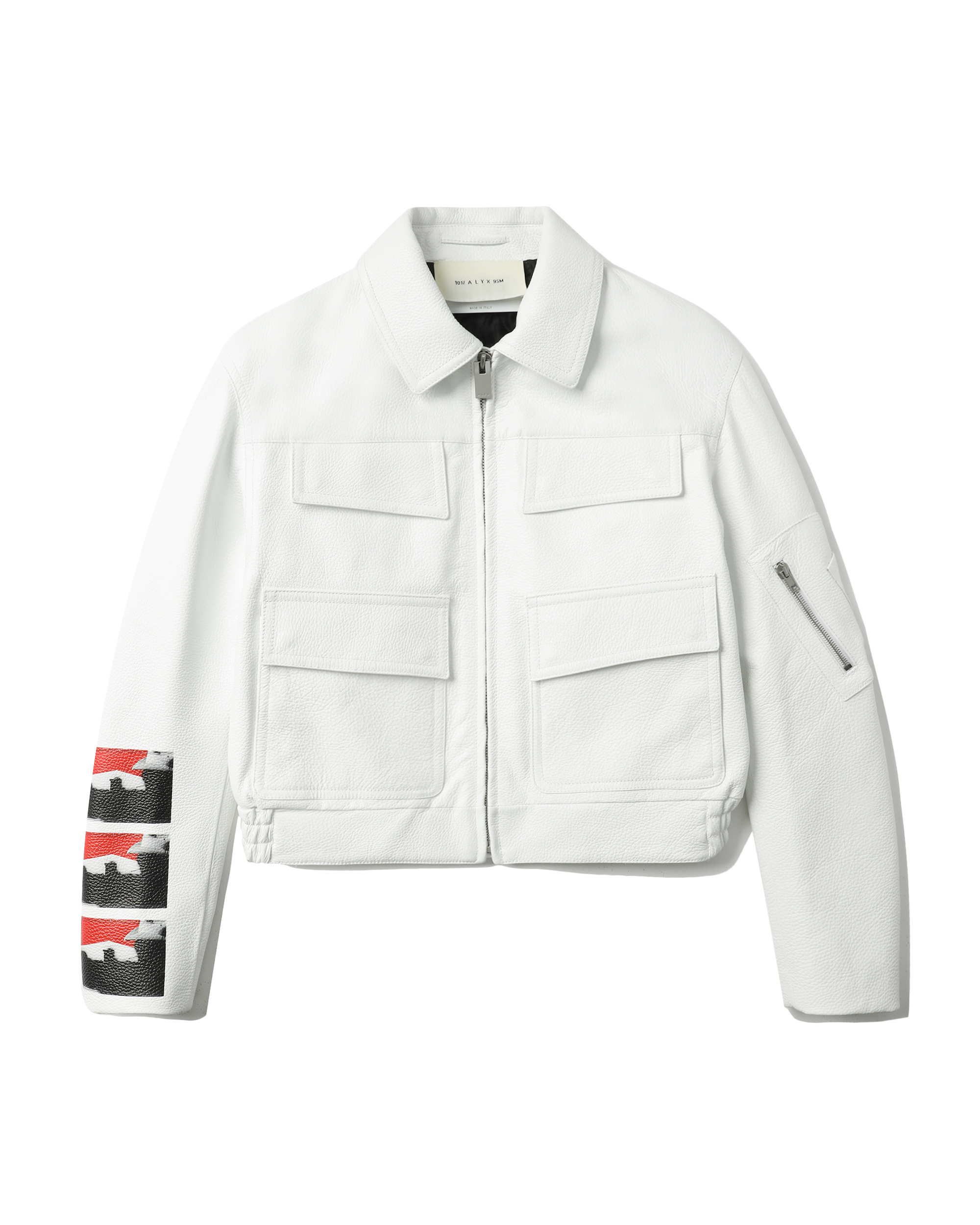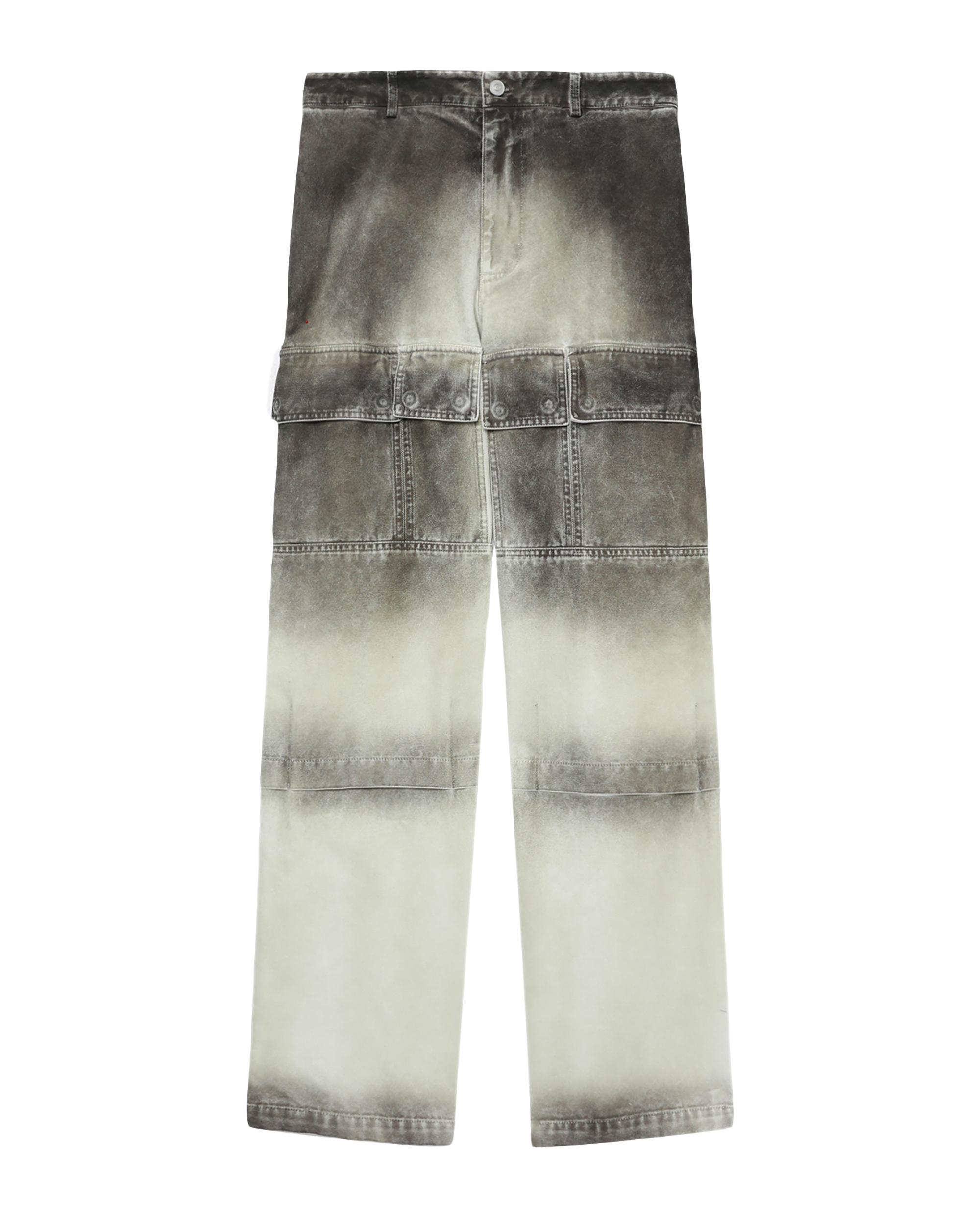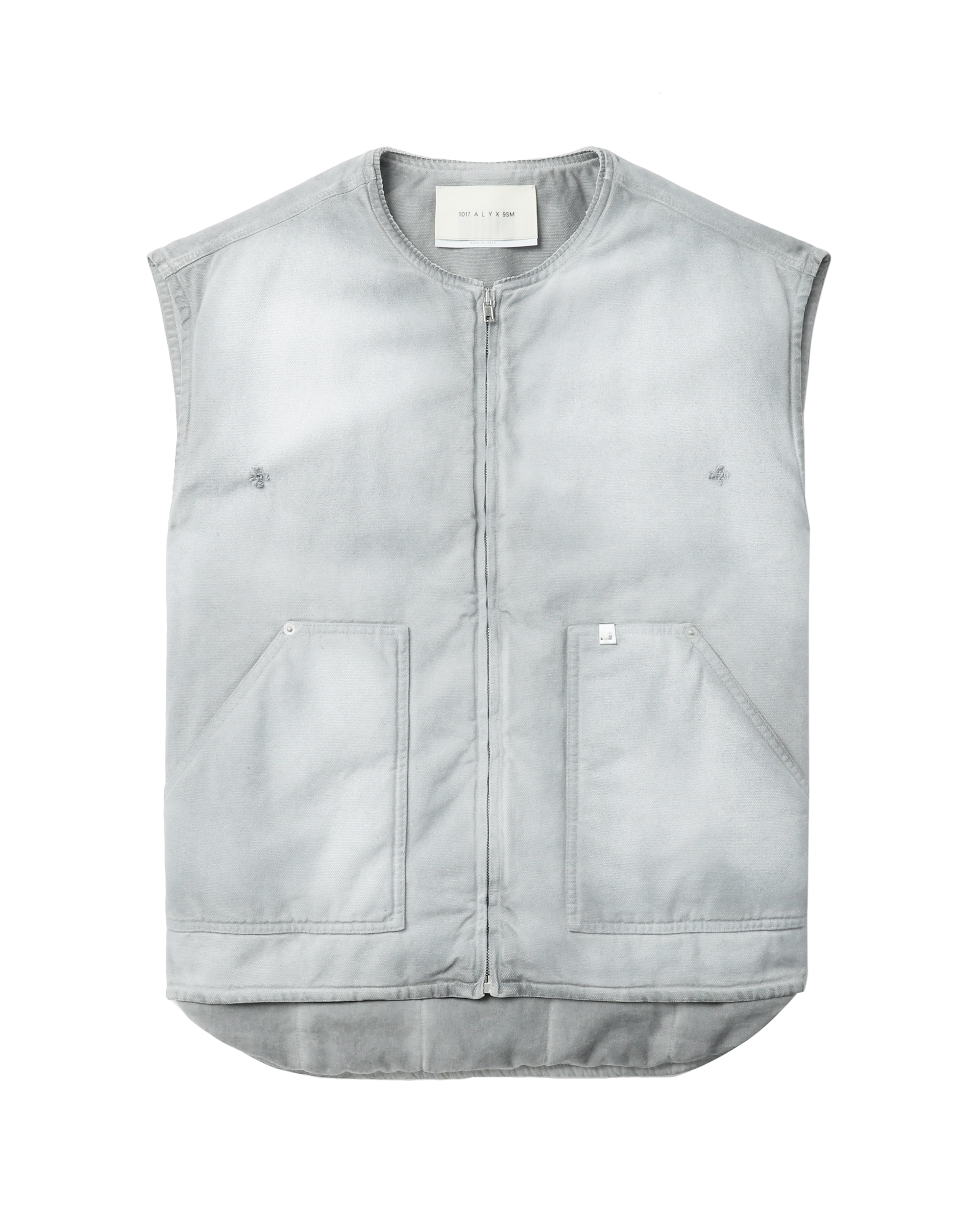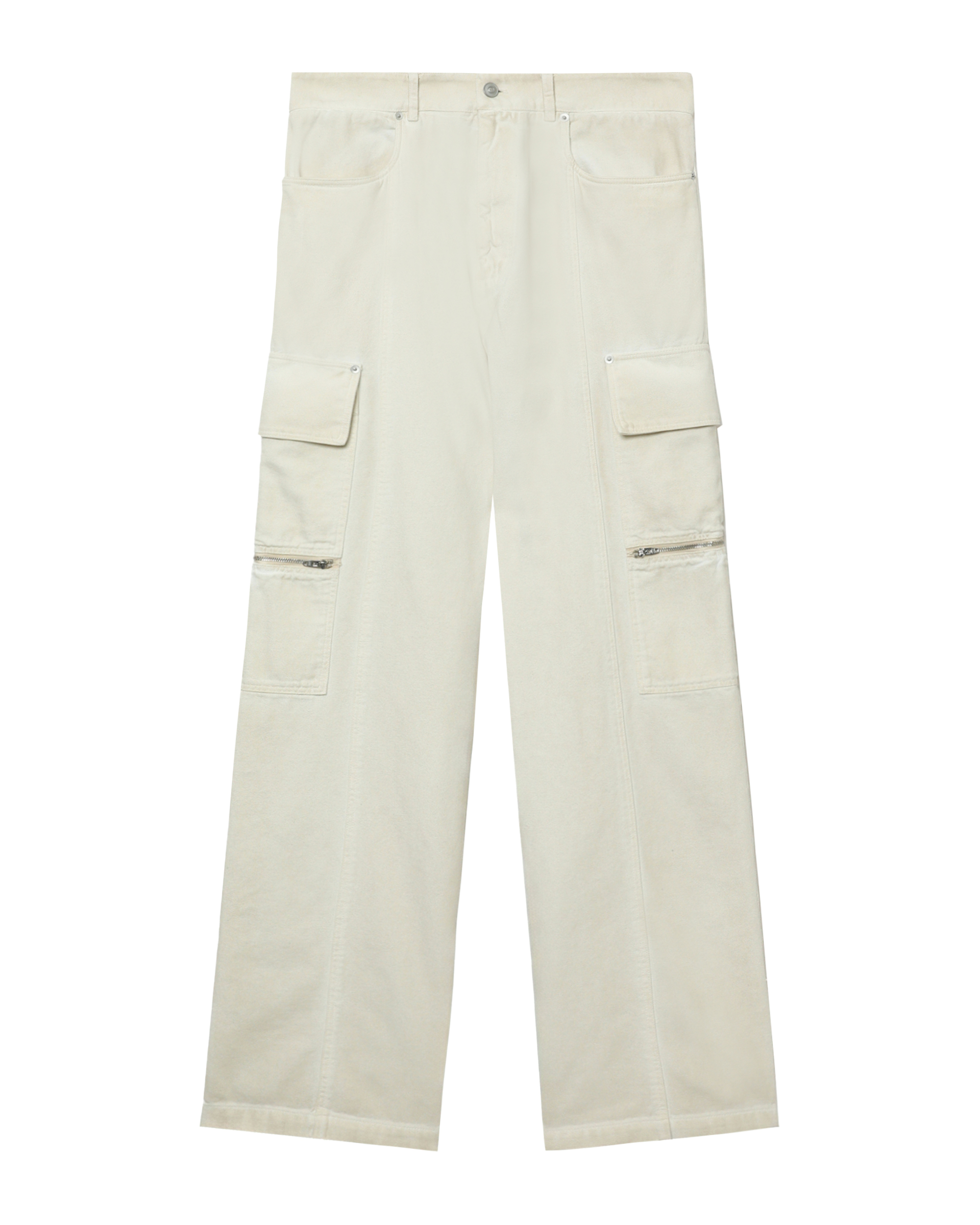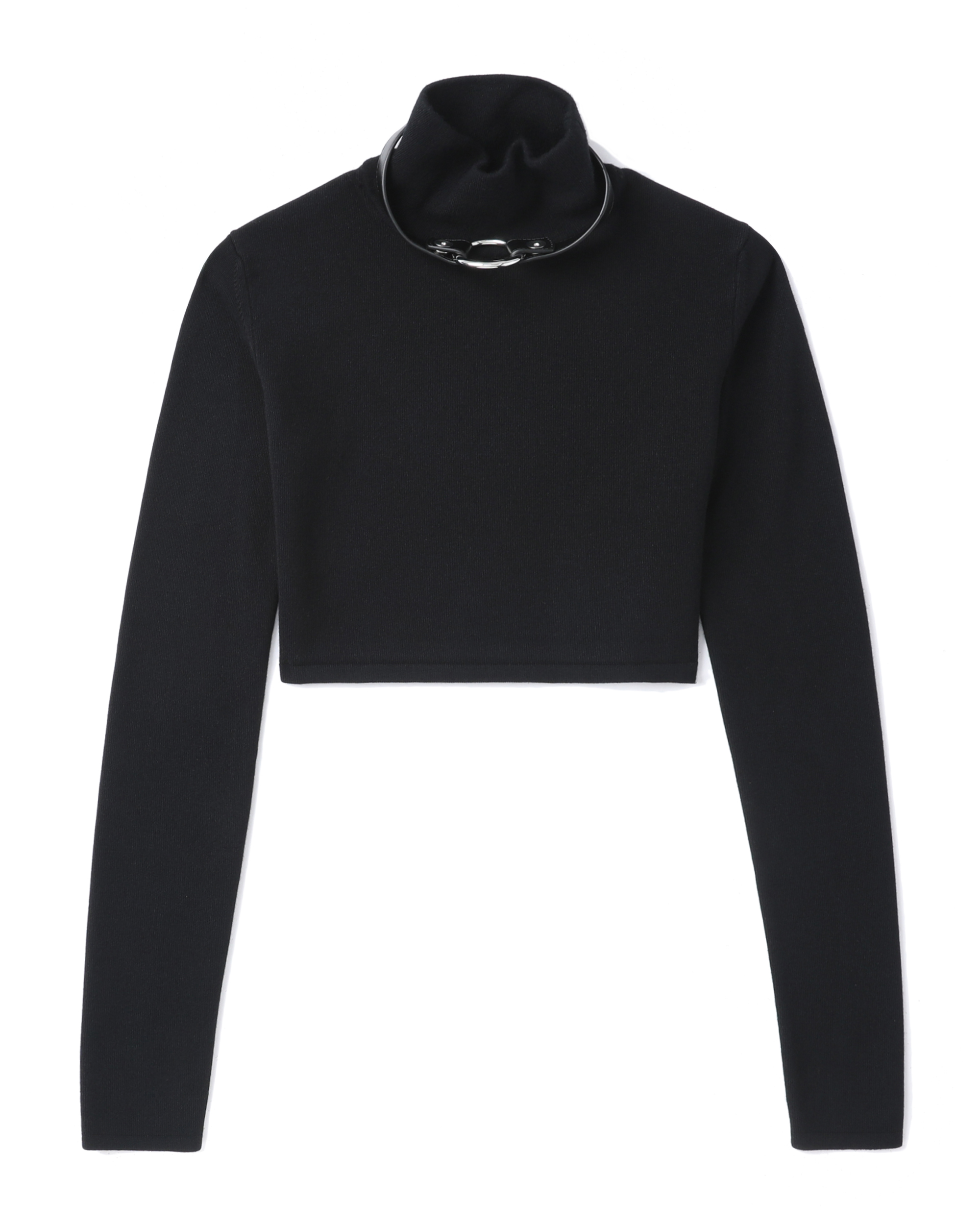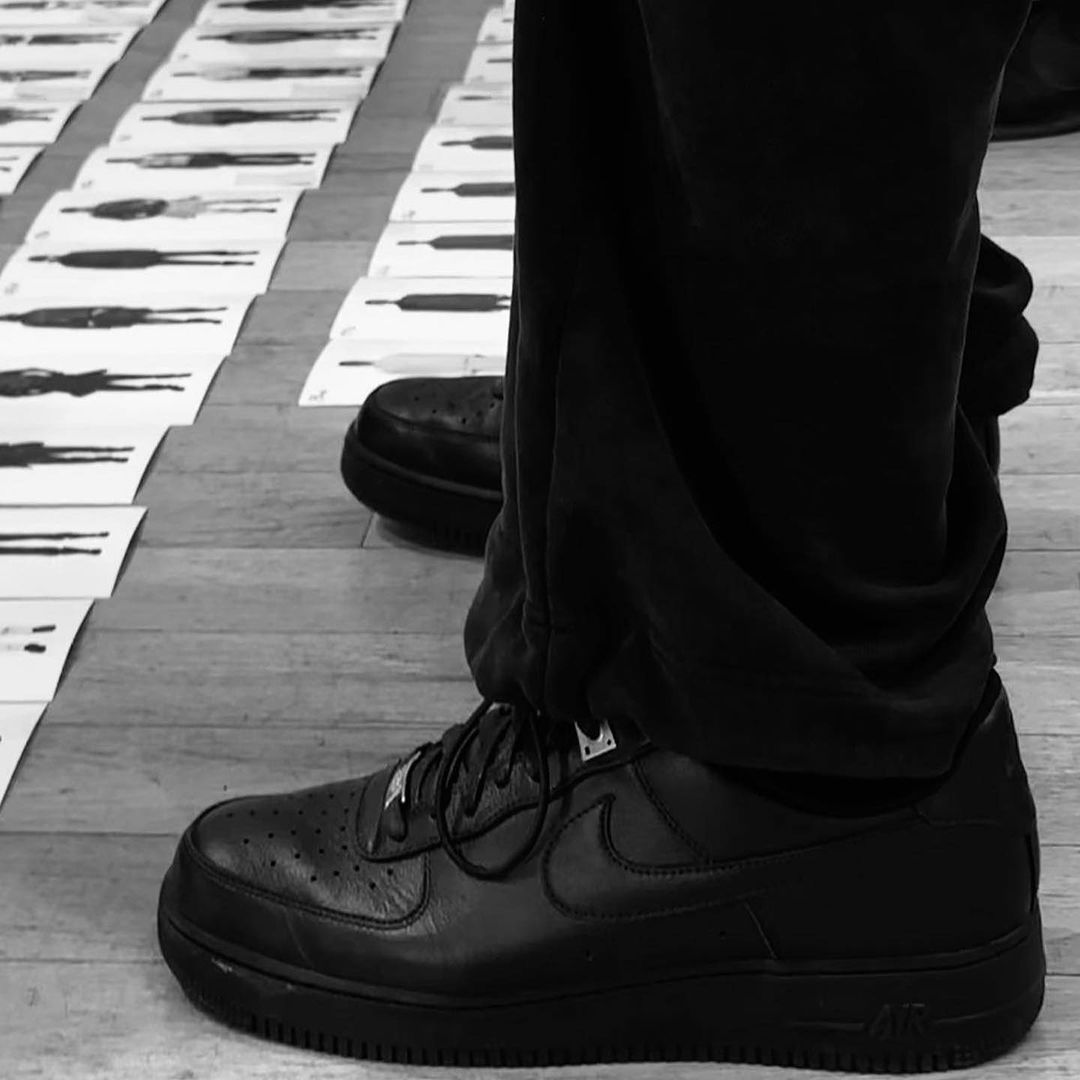
There is a moment in fashion when a brand stops trying to be new and starts trying to be true. For Matthew M. Williams, that moment came wrapped in pre-scuffed leather and frayed edges, delivered in the form of the distressed 1017 ALYX 9SM x Nike Air Force 1 Low. This wasn't just a sneaker drop; it was a manifesto. The deliberate decay, the manufactured wear, the almost confrontational lack of polish—this was the physical evidence of a house in transition, learning to live with its own history while staring down an uncertain future.
This is not the ALYX that first commanded attention with the visceral clink of the rollercoaster buckle. That version was a disruptor, a streetwear-adjacent cult favorite built on scarcity and raw industrial energy. The new ALYX, however, is something else entirely: a house learning to breathe. Backed by the strategic majority stake from Hong Kong entrepreneur Adrian Cheng, Williams has been forced to pivot from the adrenaline of disruption to the discipline of longevity. And the distressed Nike collaboration is the perfect metaphor for this new era—a brand that has been through the wringer, worn down by market pressures, and emerged with a more textured, nuanced perspective.
The Beauty of Entropy
In the pre-Cheng days, ALYX's power lived in a pristine, machined perfection—the cold, polished metal of signature hardware against technical fabrics. It was sterile, precise, almost intimidating. The new design language embraces the opposite. By releasing a sneaker that looks like it has already lived a life, Williams is suggesting a brand that has been seasoned, not damaged. The wear and tear is not a flaw; it is a narrative. It signals a deliberate pivot away from the "newness" of luxury toward a story of authenticity that can only be earned through time—or, in this case, fabricated to look like it.
This shift moves the label from the sterile showroom to the gritty reality of the street. It is a subtle acknowledgment that the future lies not in the exclusivity of the past but in the accessibility of a shared, lived experience. The shoe is not broken; it is seasoned. And in a market saturated with sterile collaborations, a sneaker that looks like it has a story to tell is perhaps the most compelling investment piece of all.
A Calculated Confidence
This strategic pivot is visible across the broader collections, particularly in the SS23 "MOTION" show and the subsequent menswear lines that have moved toward a "minimalism with soul." The investment from Cheng has allowed Williams to expand his operational bandwidth, shifting the label's headquarters to Milan and refining a supply chain that can support this new, more mature creative output. The frantic energy of the early seasons has been replaced by a calculated confidence—the kind that comes from knowing exactly what you stand for.
The distressed Nike project is a key part of this recalibration, functioning as a bridge between the brand's streetwear roots and its ambitions as a full-fledged luxury house. It is a product that can be merchandised in a high-end boutique while still resonating with the sneakerhead community that built the brand's initial hype. The wear and tear is not just a design detail; it is a commercial strategy that allows the brand to occupy two seemingly contradictory spaces at once. It acknowledges the Nike relationship that dates back to the early days of the label while simultaneously signaling a departure.
The Luxury of Use
Furthermore, the collaboration underscores a deeper shift in how Williams approaches the concept of the "luxury good." With the Audemars Piguet Royal Oak collaborations and the reduction of the brand's moniker to 1017 ALYX 9SM, there is a clear effort to codify a design language that transcends the trend cycle. The distressed sneaker, in this context, is a study in contrast—it is the everyday, wearable counterpart to the high-complication watch. It democratizes the brand's ethos while the watches solidify its high-end credentials.
The new strategy is about building a holistic wardrobe, not just a collection of statement pieces. By allowing the Air Force 1 to look broken-in, Williams is suggesting that true luxury is not about preservation but about usage. It is about the patina of life that forms when a design is truly integrated into one's daily existence. The "damage" on the shoe is a visual representation of the friction between creative integrity and commercial scalability.
The Storyteller's Shoe
Ultimately, the distressed Air Force 1 is a clever piece of business disguised as a piece of art. It acknowledges the brand's heritage while simultaneously signaling a departure. As Williams sets his new strategy, he is essentially telling the consumer that he understands the pressure, the wear and tear of running an independent label in a conglomerate-dominated world. The shoe is not broken; it is seasoned. It is a testament to survival.
In a market where every drop promises something new, the most radical move is to embrace what is worn. The new ALYX is learning that true luxury is not about preservation but about use, not about perfection but about story. And in that shift, Williams has found a way to make damage look like destiny.