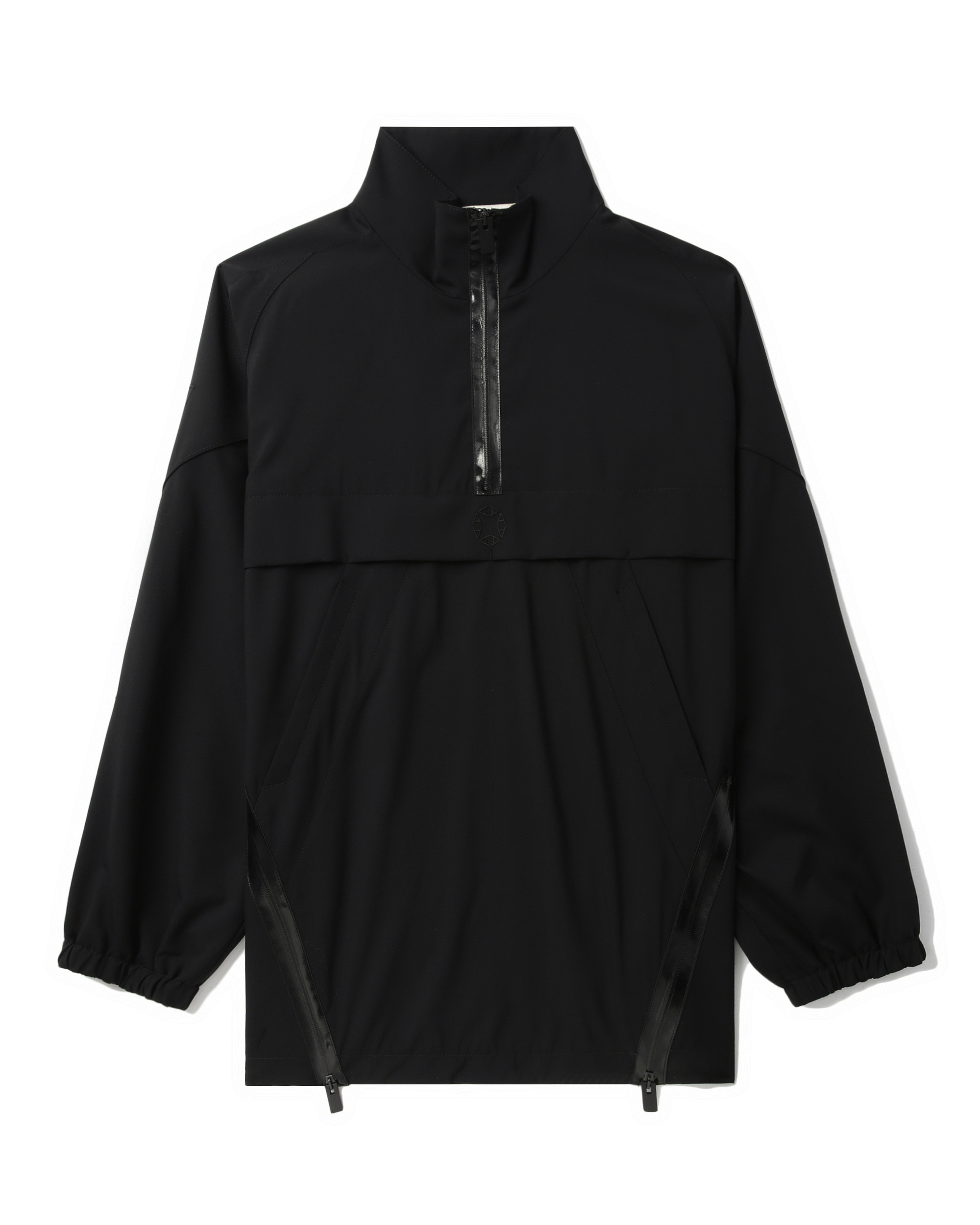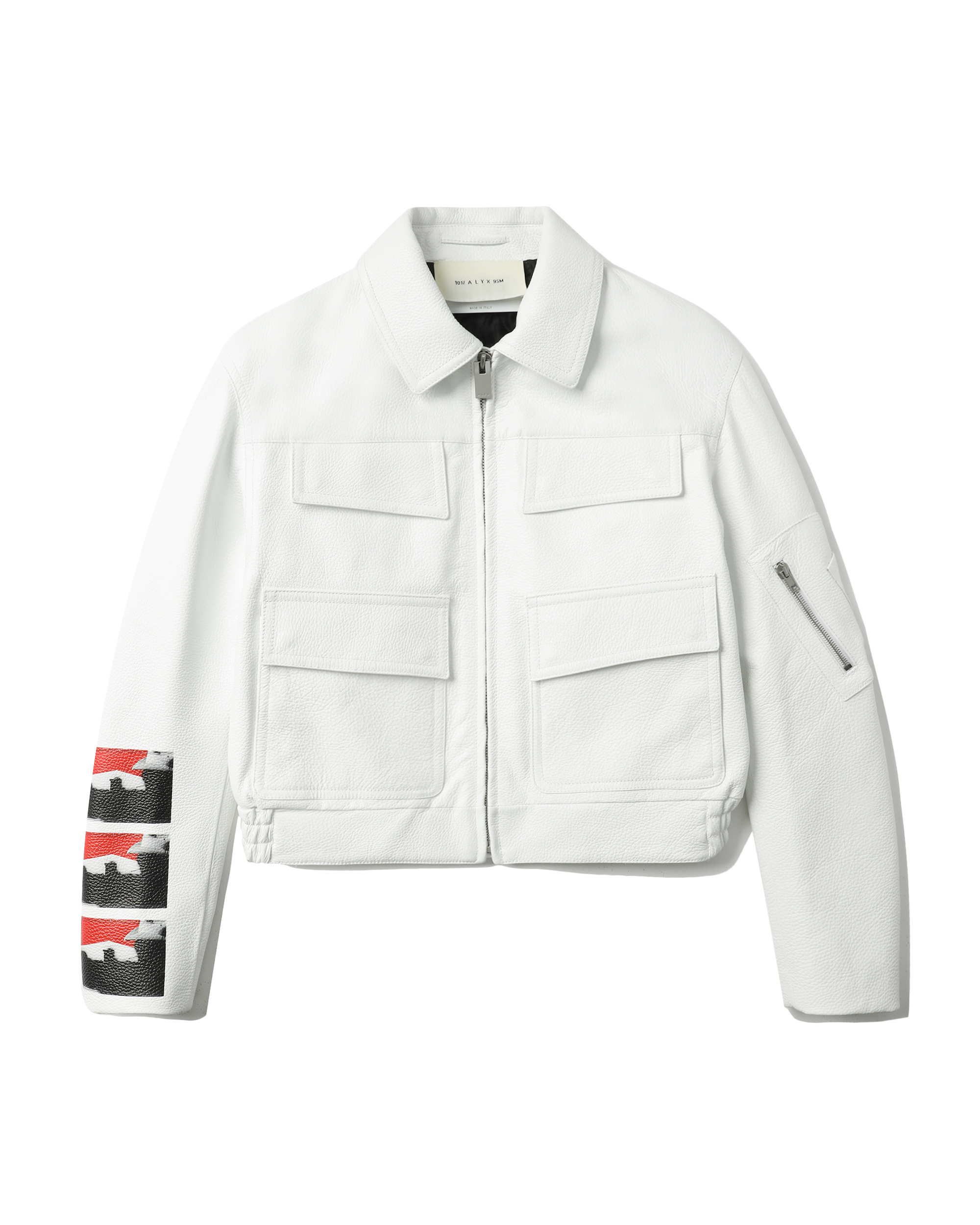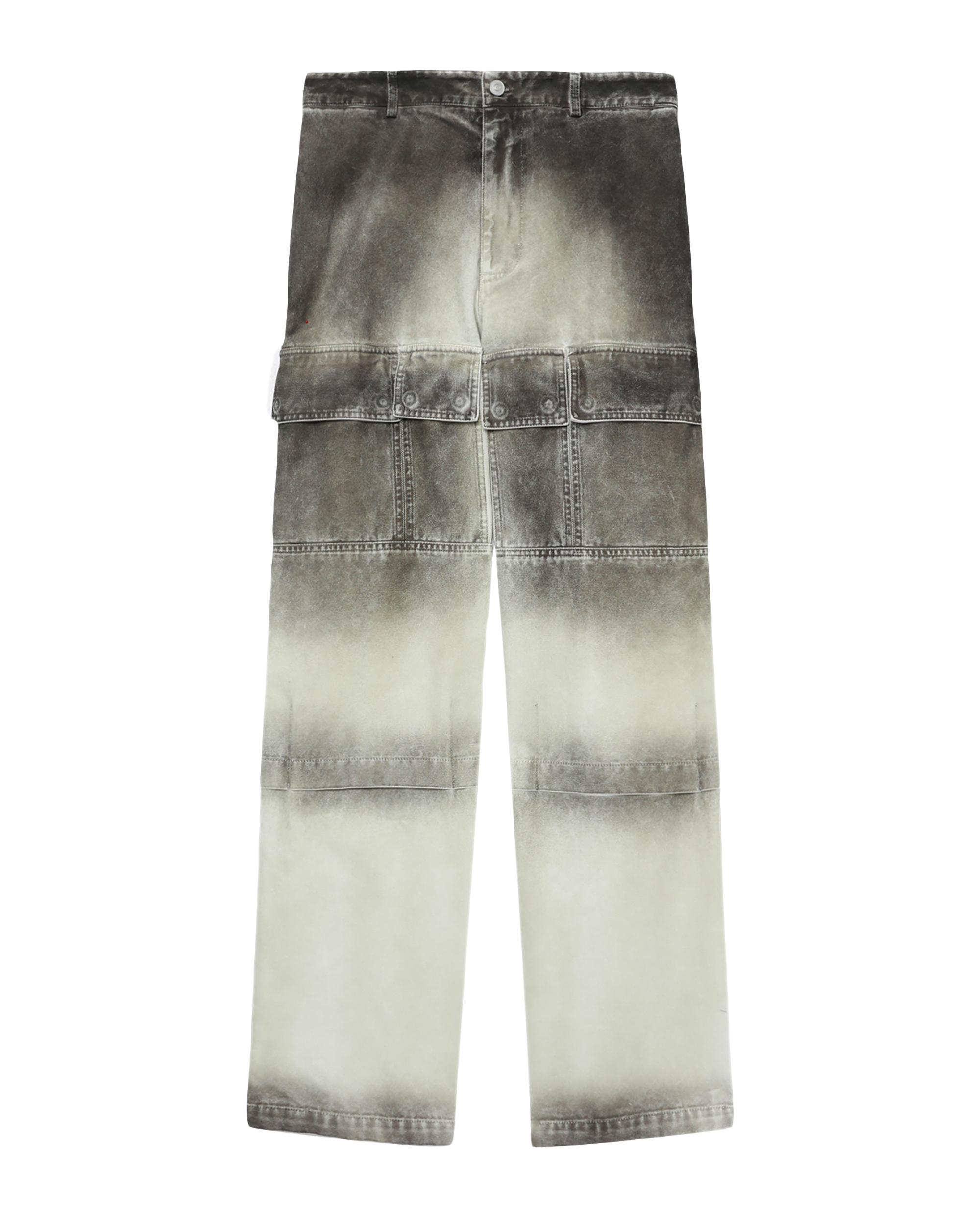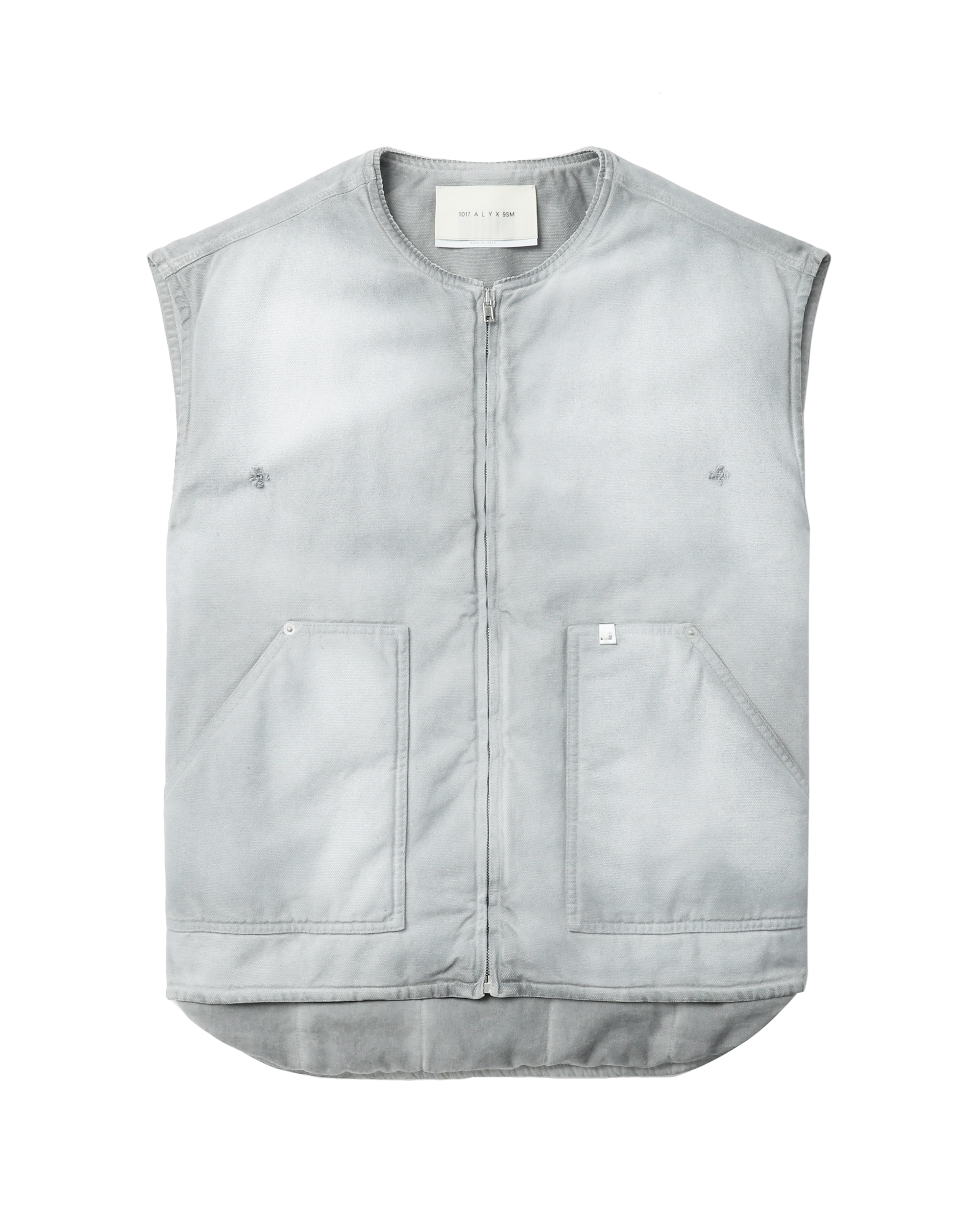
There is a particular kind of alchemy that happens when a brand built on chrome-plated hardware and industrial grit decides to soften its edges—not to sand them down, but to sharpen them into something more dangerous. For 1017 ALYX 9SM, the recent recalibration feels less like a pivot and more like a surgical evolution. When Matthew M. Williams relocated his label’s heartbeat to Milan for the SS23 "MOTION" showcase, he wasn’t just swapping one fashion week calendar slot for another. He was declaring a definitive divorce from the hype-driven cadence of Parisian streetwear and entering into a marriage with the atelier-obsessed soul of Italian luxury. And with the financial might of Hong Kong entrepreneur Adrian Cheng behind him—a man whose fortune is as much about building cultural infrastructure as it is about moving product—Williams has found the scaffolding to execute this vision without the suffocating pressure of seasonal sell-through. Together, these two moves have quietly repositioned ALYX from a cult favourite into a formidable player in the upper echelons of contemporary luxury, a space where the price point is justified by narrative, not just novelty.
The Milanese Translation
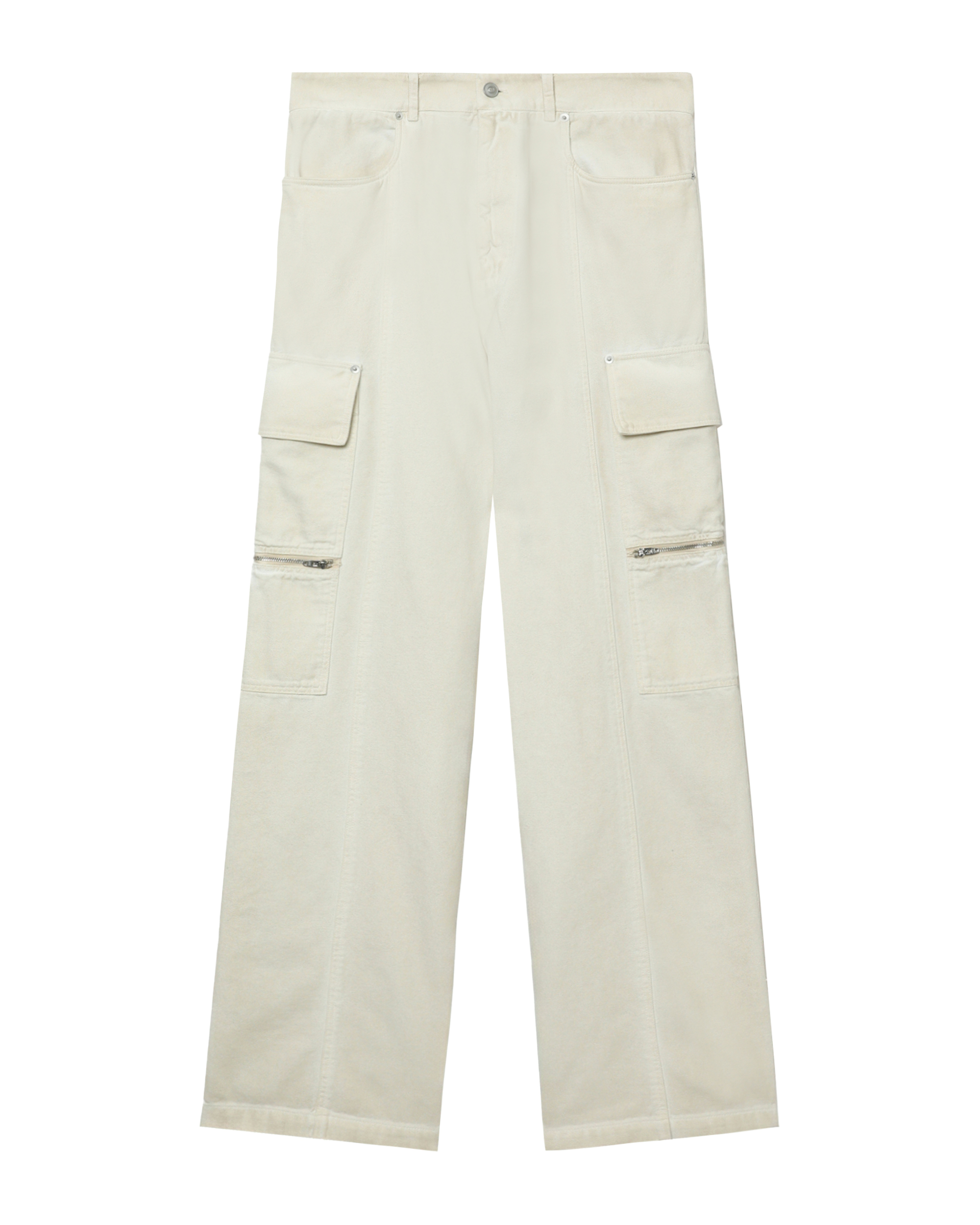
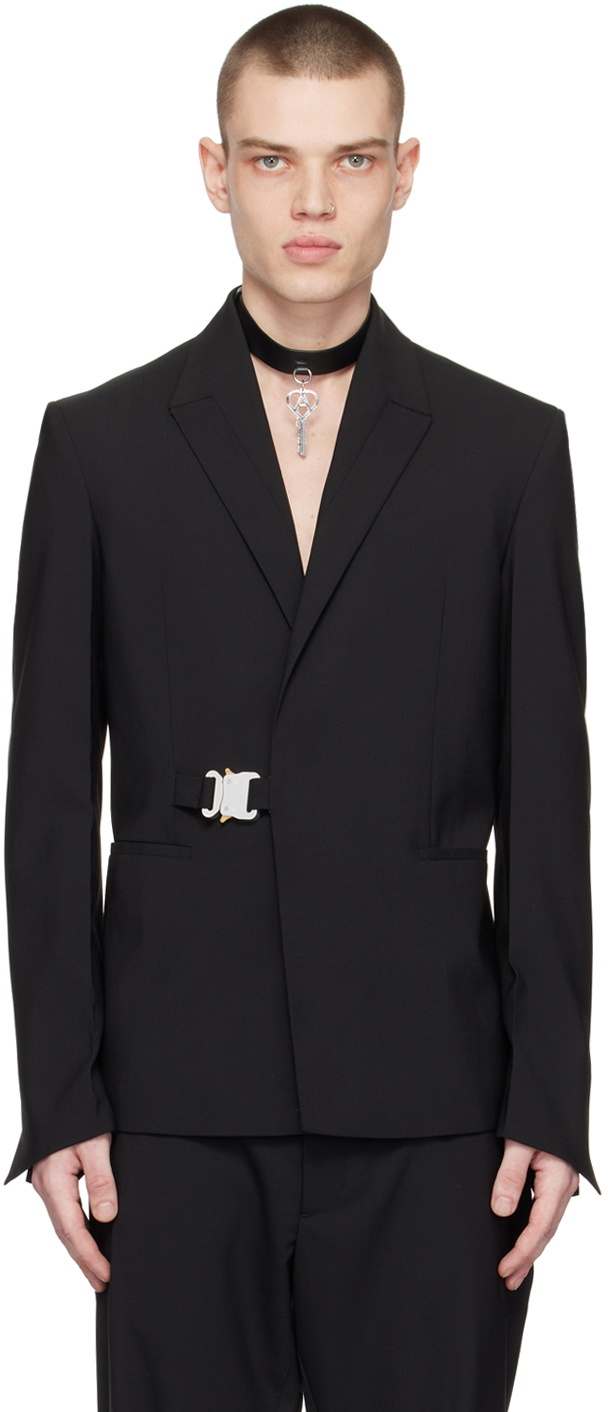
The Milan shift is profound because it alters the material reality of the garments themselves. Paris, for all its romanticism, has become synonymous with a certain type of high-fashion streetwear that thrives on logos and instant recognition. Milan, conversely, is the city of the *sartoria*—a place where the quality of a shoulder seam or the drape of a technical wool is scrutinised with almost religious fervour. By moving his presentations to the Lombardy capital, Williams has forced his audience to engage with the construction of the pieces rather than the spectacle of the setting. The SS23 "MOTION" collection, with its focus on fluidity and kinetic energy, read entirely differently against the backdrop of Milanese minimalism. It was no longer about the alien hardware that made the brand famous; it was about the silhouette, the movement, and the tactile sensation of the fabric. This is the language of quiet luxury, translated through a distinctly subcultural lens. It is a bold gambit—betting that the consumer who once sought the instant gratification of a viral drop is now hungry for the permanence of a well-considered wardrobe.
The Capital of Culture
But a shift in geography without a shift in capital is merely a relocation. The investment from Adrian Cheng is the second half of this power play, and arguably the more consequential. Cheng, the heir to the New World Development empire, is not your typical passive investor. His K11 brand is a testament to his belief that retail spaces must be cultural destinations, blurring the lines between museum, mall, and gallery. His backing of ALYX is a validation of the brand's intellectual property, not just its revenue potential. This injection of funding allows Williams to do something that is increasingly rare in the turbulent post-pandemic fashion economy: control his own destiny. With Cheng's resources behind him, the label can afford to invest in the finest Italian mills, secure the most skilled artisans, and maintain a strict distribution strategy that prioritises the integrity of the product over the volume of the sell-out. This is the infrastructure that allows a brand to whisper rather than shout, to build a relationship with the customer based on longevity rather than the adrenaline of a five-minute drop.
Beyond the Hardware
The recent collaborations further underscore this elevated trajectory. The partnership with Audemars Piguet to create bespoke Royal Oak models is not a streetwear mash-up; it is a horological statement. It places ALYX in a conversation with the most rarefied echelons of watchmaking, a world where heritage and precision are paramount. This is a far cry from the sneaker collaborations that defined the brand's early years. While the Nike Air Force 1 collaborations remain a commercial pillar, they are now part of a broader ecosystem that includes pieces like the END. Mono Mule, inspired by underground club culture. This eclectic mix—from high-complication timepieces to distressed sneakers—showcases a brand that is confident in its ability to move between the club floor and the boardroom.
The New Architecture of Desire
The strategy is clear: by anchoring the brand in Milanese craftsmanship and securing the financial backing of a global culturalist like Cheng, 1017 ALYX 9SM is no longer just a label that makes clothes. It is an entity that defines a lifestyle, oscillating between the brutalist edge of its origins and the polished, soulful minimalism of its future. Williams has always understood that the most compelling fashion is a study in contradictions—the coldness of metal against the warmth of skin, the rigidity of structure against the freedom of movement. Now, with Milan as his stage and Cheng as his patron, he has created a brand that can exist simultaneously in the worlds of haute horology and underground club culture, whispering its authority to those who are patient enough to listen.