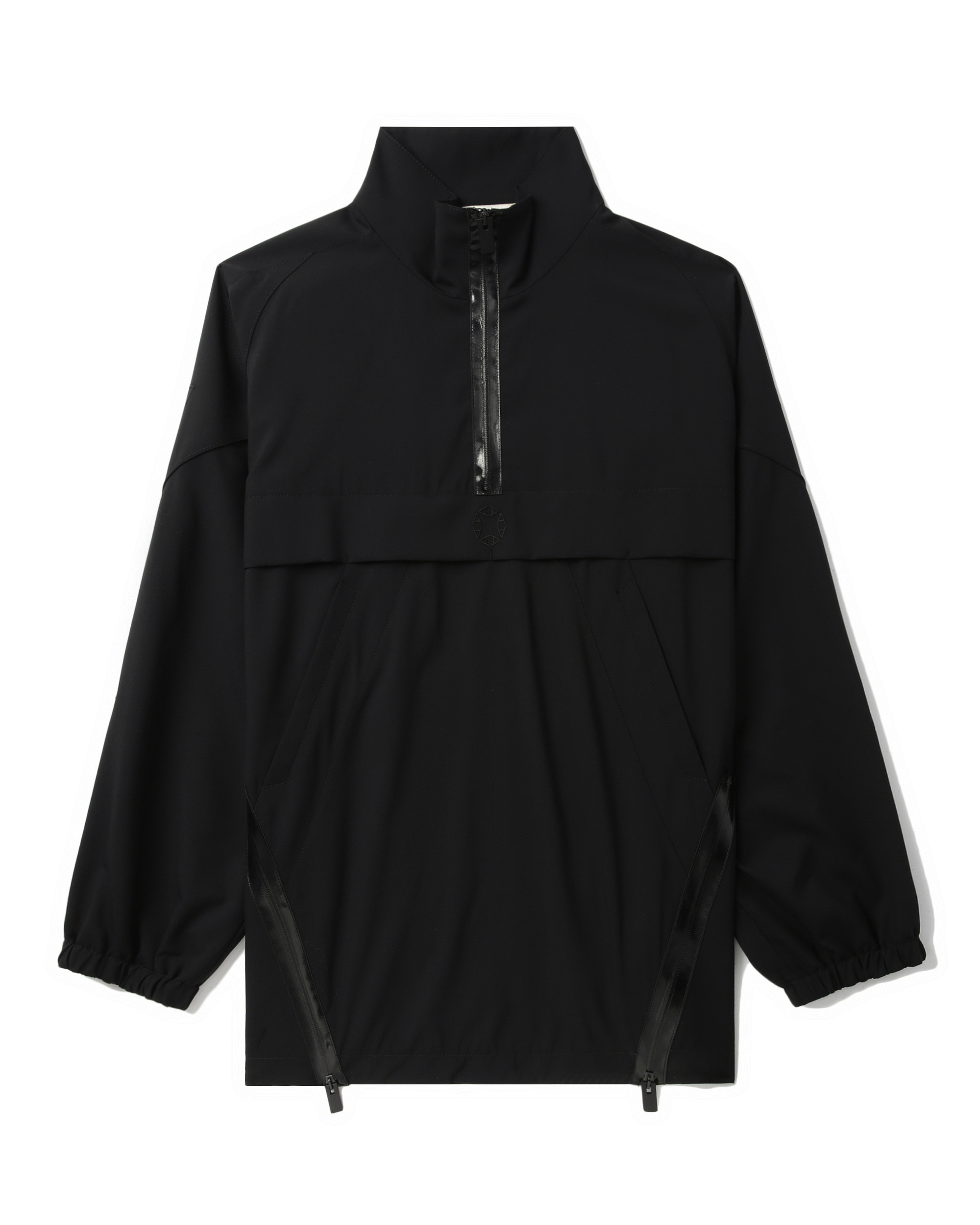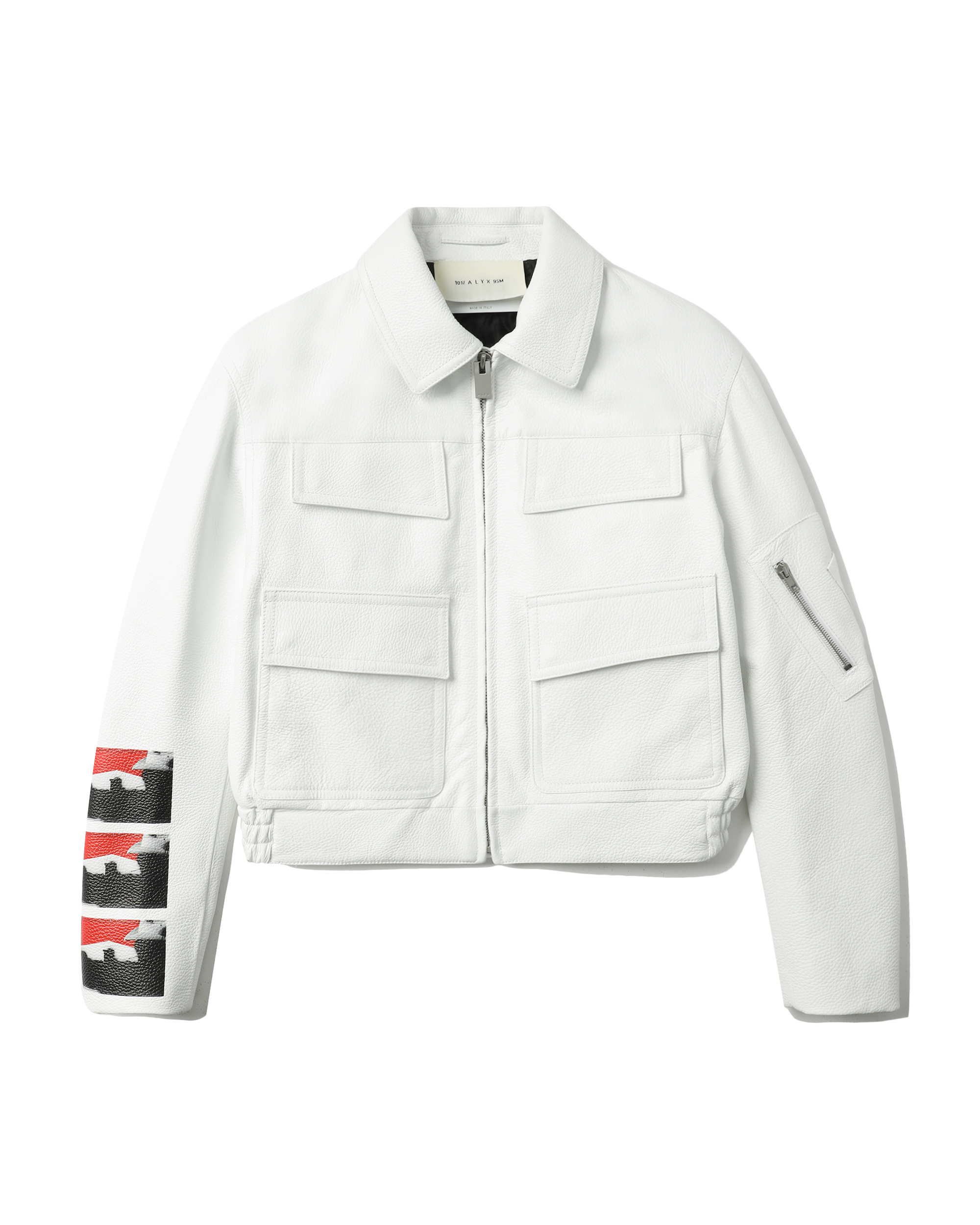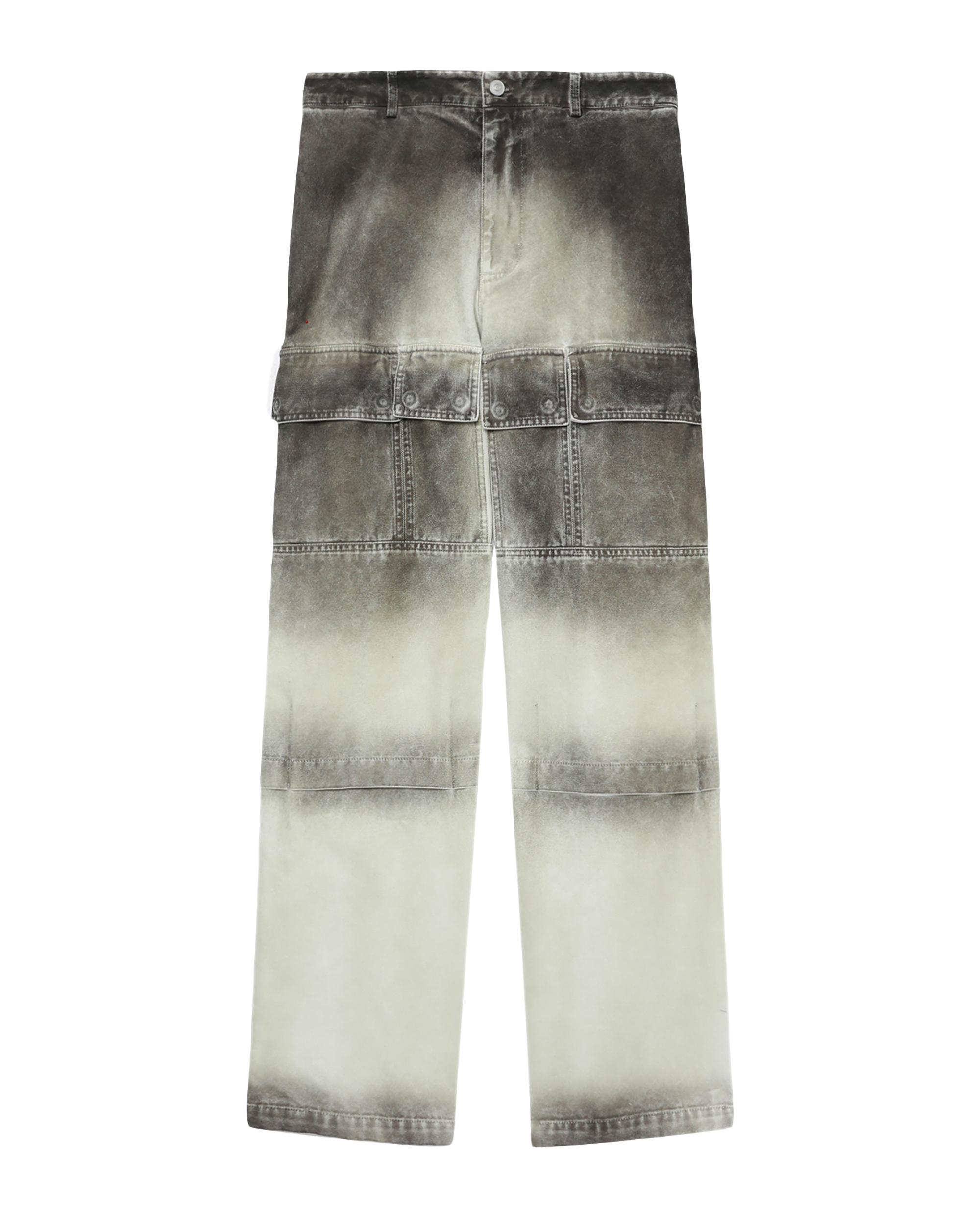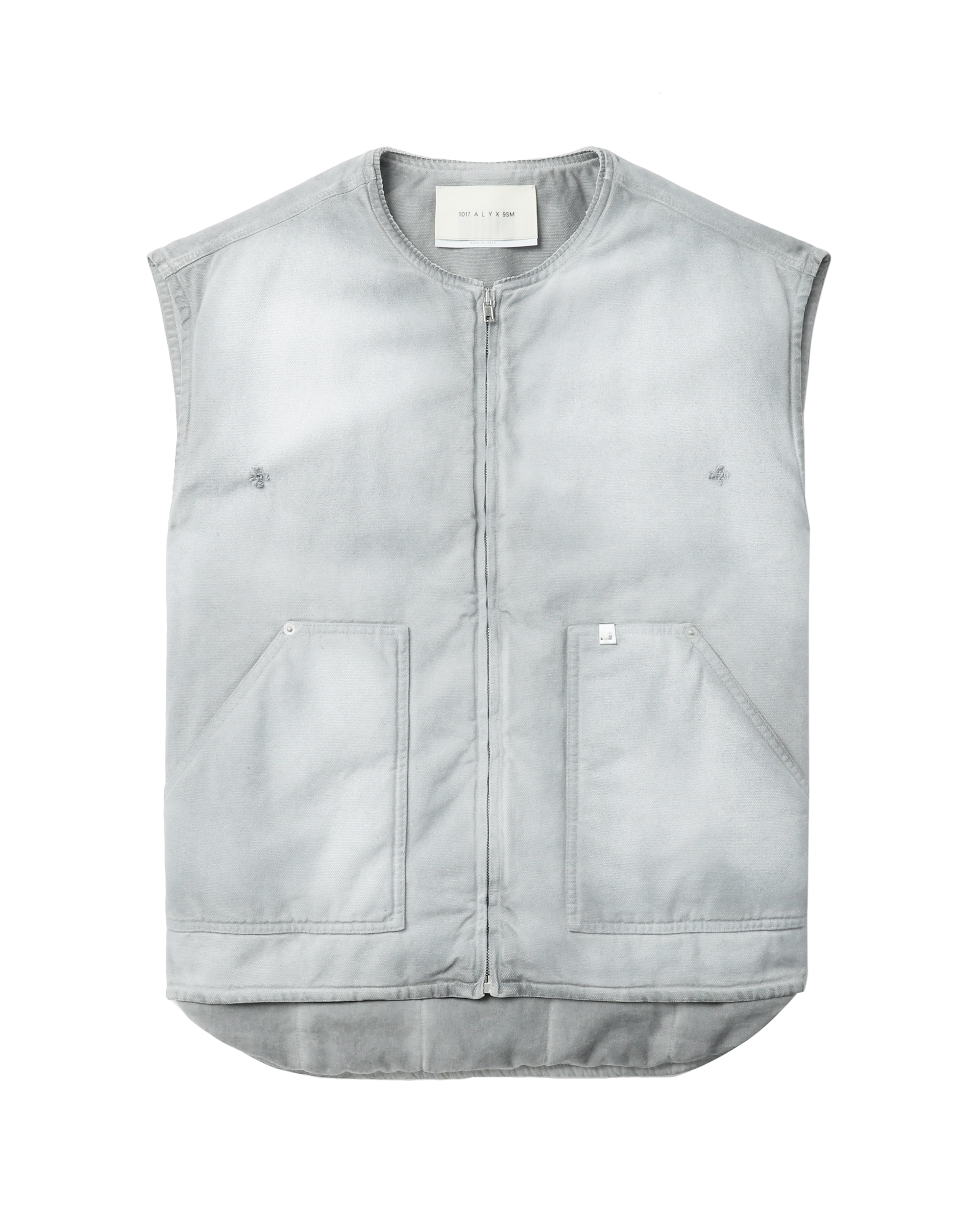
When Matthew Williams founded 1017 ALYX 9SM in 2015, he built a label on a singular proposition: that industrial hardware could be rendered luxurious without sanding away its severity. The rollercoaster buckle, lifted from amusement park safety restraints, became a signature — a piece of functional machinery transposed onto belts and bags, its cold precision deliberately at odds with the softness of fashion. Williams's clothes, and later his tenure at Givenchy, carried that same tension: safety pins, technical webbing, anodized finishes, a palette drawn from machinery and military surplus.
So when Audemars Piguet — a maison whose Royal Oak effectively invented the luxury steel sports watch in 1972 — invited Williams into its atelier, the pairing was less a collision than a convergence. Both parties had spent decades arguing that industrial materials, treated with sufficient rigor, could become objects of desire.
A Bracelet That Speaks Williams's Language
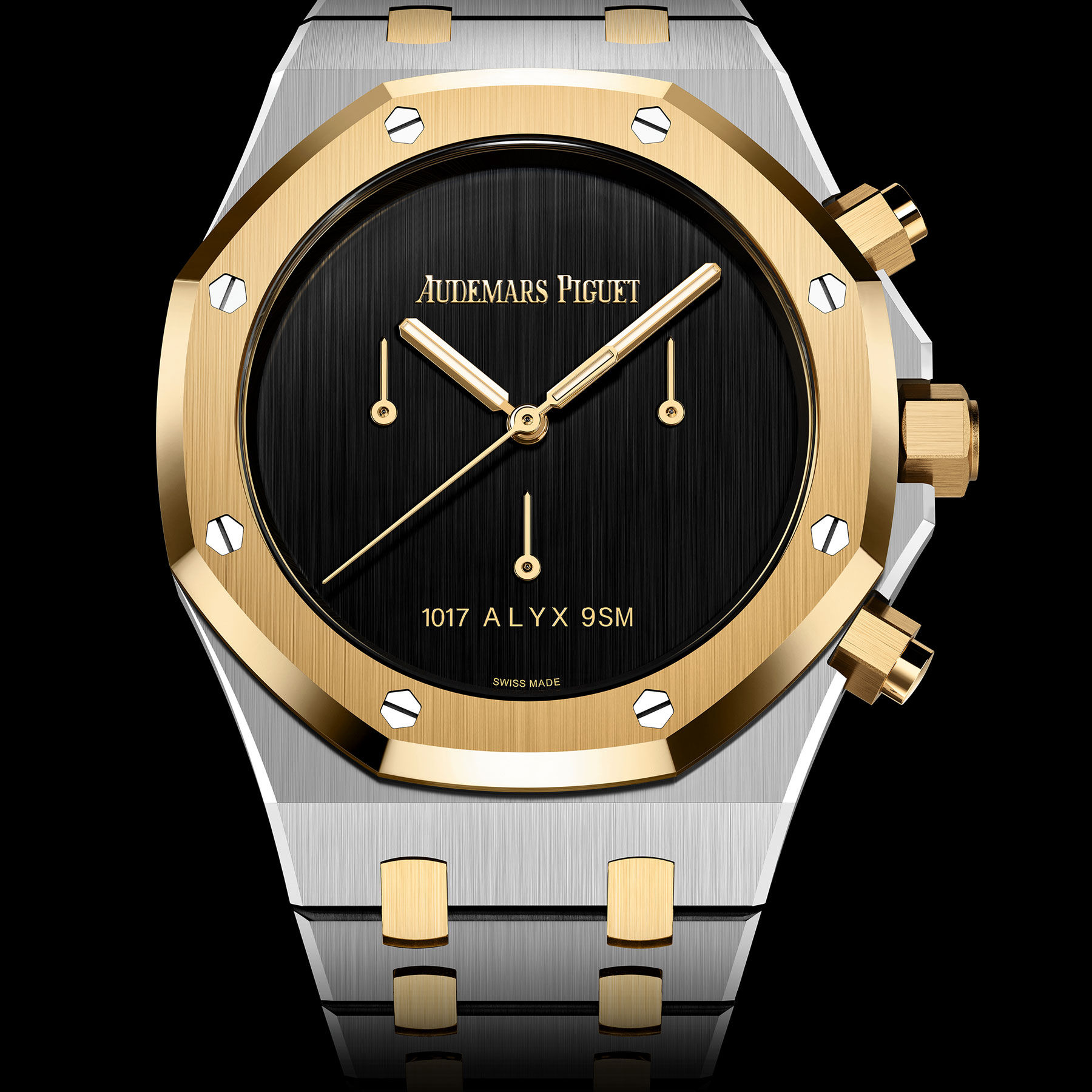
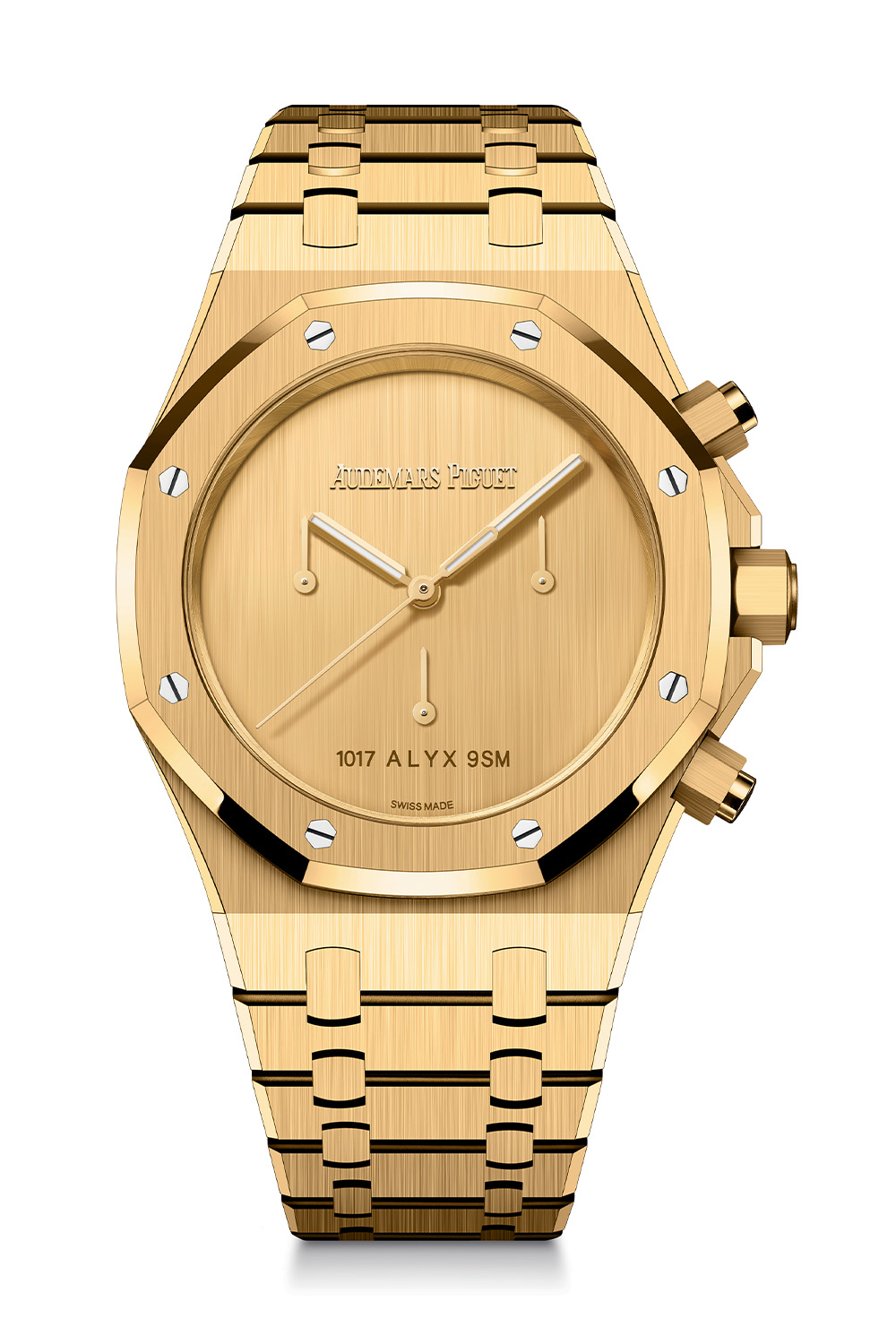
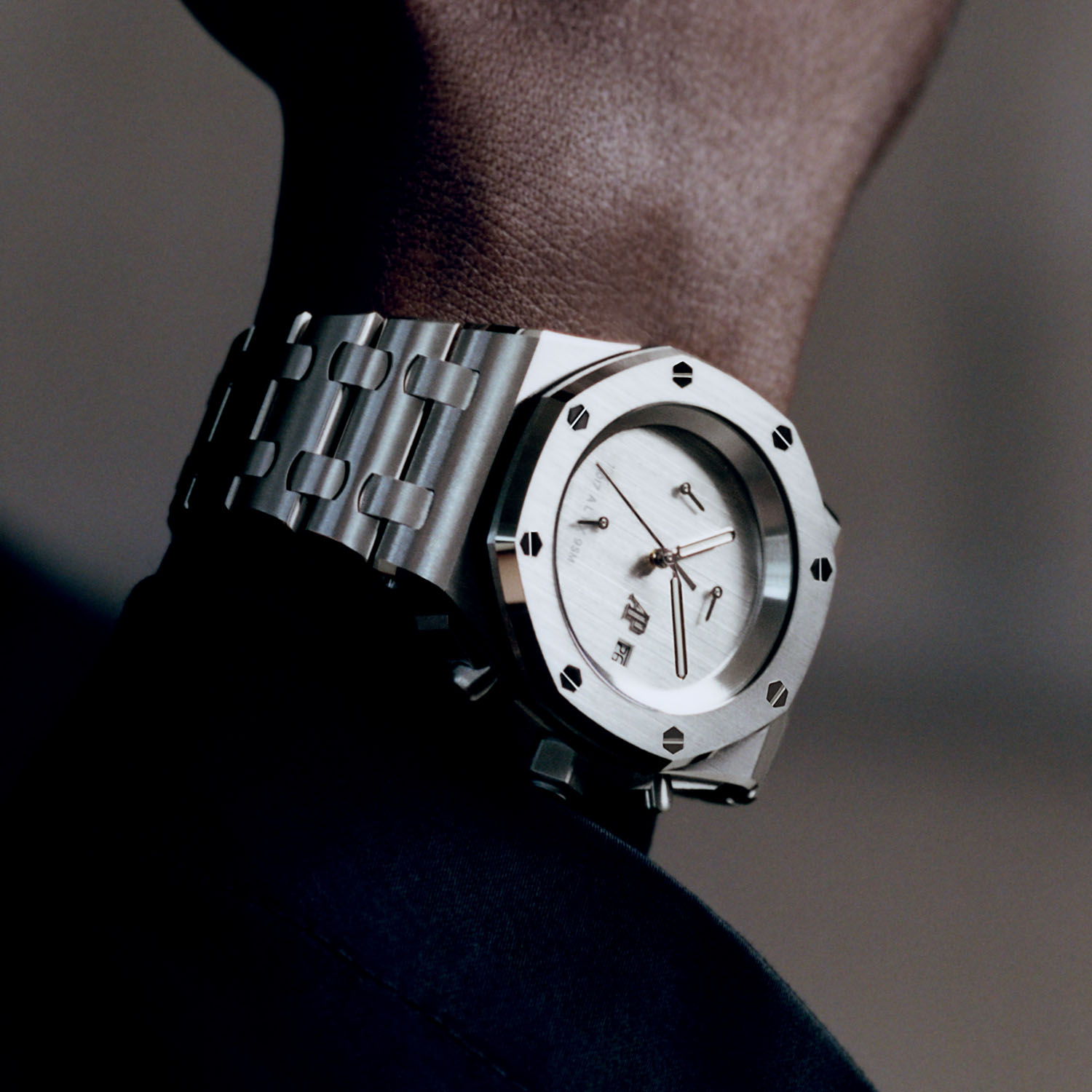
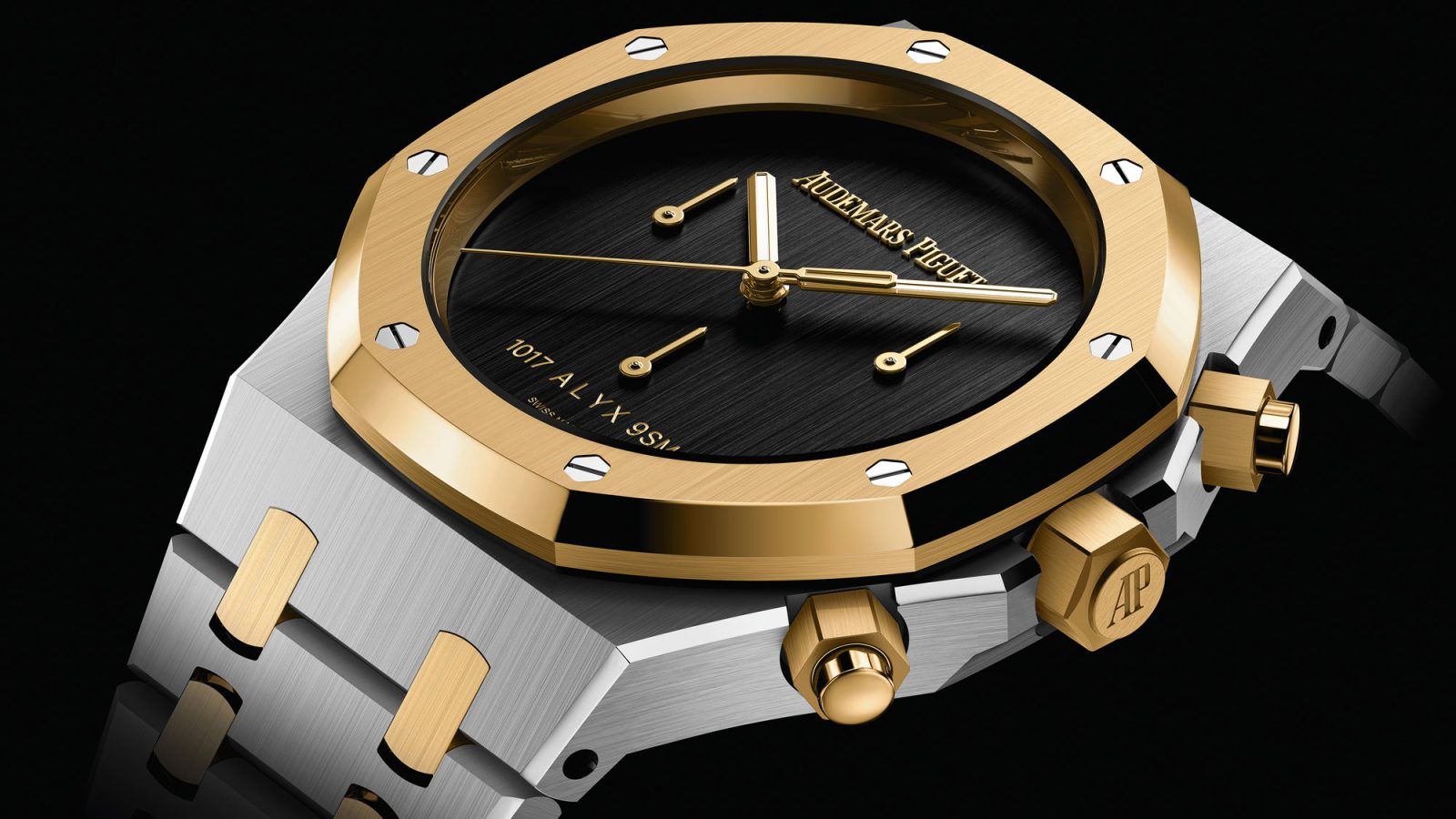
The resulting 1017 ALYX 9SM x Audemars Piguet Royal Oak is not a fashion watch with a designer's logo stamped on the caseback. It is a genuine reworking of Gérald Genta's octagonal icon, and it begins with the bracelet — the element Williams understood best. Where the standard Royal Oak tapers its links in a gentle, almost jewelry-like descent, this version keeps the architecture but darkens and texturizes it, pushing the brushed finishing toward something closer to blasted steel.
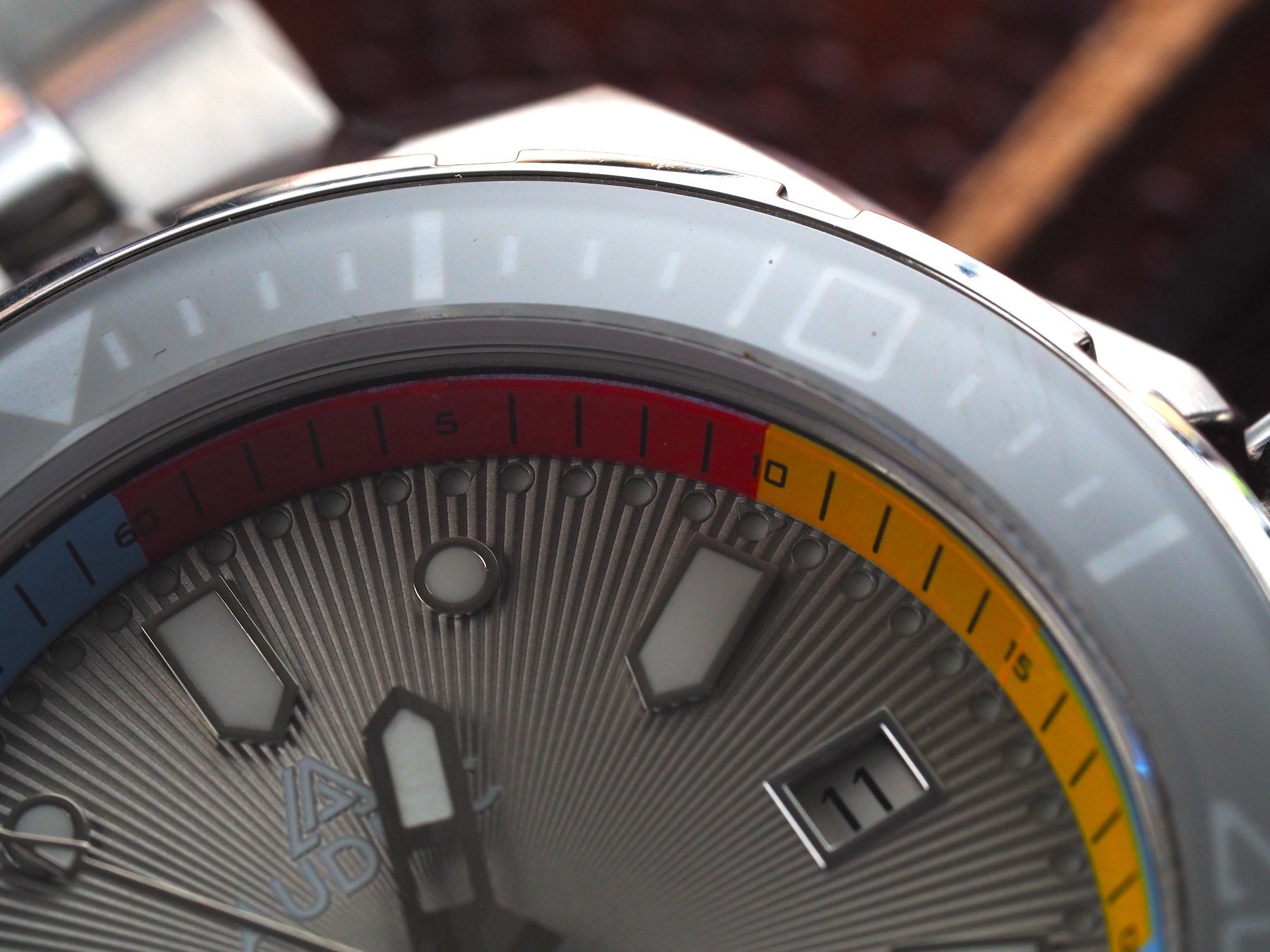
The titanium and black ceramic construction reads tactical rather than precious, its low sheen absorbing light instead of throwing it back. The signature octagonal bezel remains, of course, secured by its eight hexagonal screws — the detail that gave the original its name and its cult — but here the contrast between case and bezel is heightened, the geometry sharper, the whole object feeling less like a dress watch and more like a component engineered to survive something.
The Dial Argues Back
The dial continues the argument. Rather than the tapisserie guilloché that collectors fetishize, the surface is rendered in a matte, near-monolithic black, with indices and hands stripped of ornament and legibility privileged over decoration. Flip the watch and the exhibition caseback reveals the calibre within — a self-winding Audemars Piguet movement, finished to the house's exacting standards, its rotor and bridges visible.
This is the crucial detail. Williams did not ask AP to compromise its watchmaking; he asked it to dress that watchmaking in his language. The Swiss manufacture credentials are intact. The haute horlogerie is not a marketing claim layered over a fashion object — it is the foundation, and the brutalist shell is built around it rather than over it.
A Design Problem, Not a Distribution Strategy
Culturally, the release lands at a specific and telling moment. The luxury watch market has spent the past several years in open dialogue with streetwear and contemporary fashion, from collaborations with music figures to resale-driven mania around steel sports models. Much of that activity has been transactional — a logo swap, a limited run, a queue.
What distinguishes the 1017 ALYX 9SM x Audemars Piguet Royal Oak is that it treats the collaboration as a design problem rather than a distribution strategy. Williams's industrial vocabulary and AP's horological vocabulary are genuinely reconciled; neither is asked to perform the other's role. The result belongs to both, and to neither entirely.
It is also, notably, a watch that resists the prevailing aesthetic of its category. Where much contemporary luxury leans into warmth, nostalgia, and softness, this piece is unapologetically hard — matte, monochrome, almost severe. That severity is the point. It will appeal to the collector who already owns the classics and wants something that refuses to flatter them, and to the 1017 ALYX 9SM client who understands the rollercoaster buckle as more than a motif. It is not a starter Royal Oak, nor an entry point into watch collecting. It is a statement for someone who has already decided what they value: precision, restraint, and the beauty of things built to function.
Machinery, Handled With Care
That such an object exists at all says something about where luxury is heading. The old borders — between fashion and horology, between industrial design and fine craftsmanship, between the street and the atelier — have thinned to the point of irrelevance, and the most interesting work now happens in the overlap. The 1017 ALYX 9SM x Audemars Piguet Royal Oak sits squarely in that overlap, a steel-and-ceramic argument that machinery, handled with enough care, becomes heirloom.