Matthew M. Williams has spent his career making hardness feel like luxury. From the rollercoaster-buckle belts that defined early 1017 ALYX 9SM to his tenure at Givenchy, his vocabulary has always been industrial: carabiners, tactical webbing, hardware that looks like it was pulled off a climbing rig rather than a runway. So when news broke that he was turning his attention to the Royal Oak — Gérald Genta's 1972 icon, the watch that practically invented the luxury sports category — the question wasn't whether it would be interesting. It was whether he'd have the nerve to strip it bare.
He did.
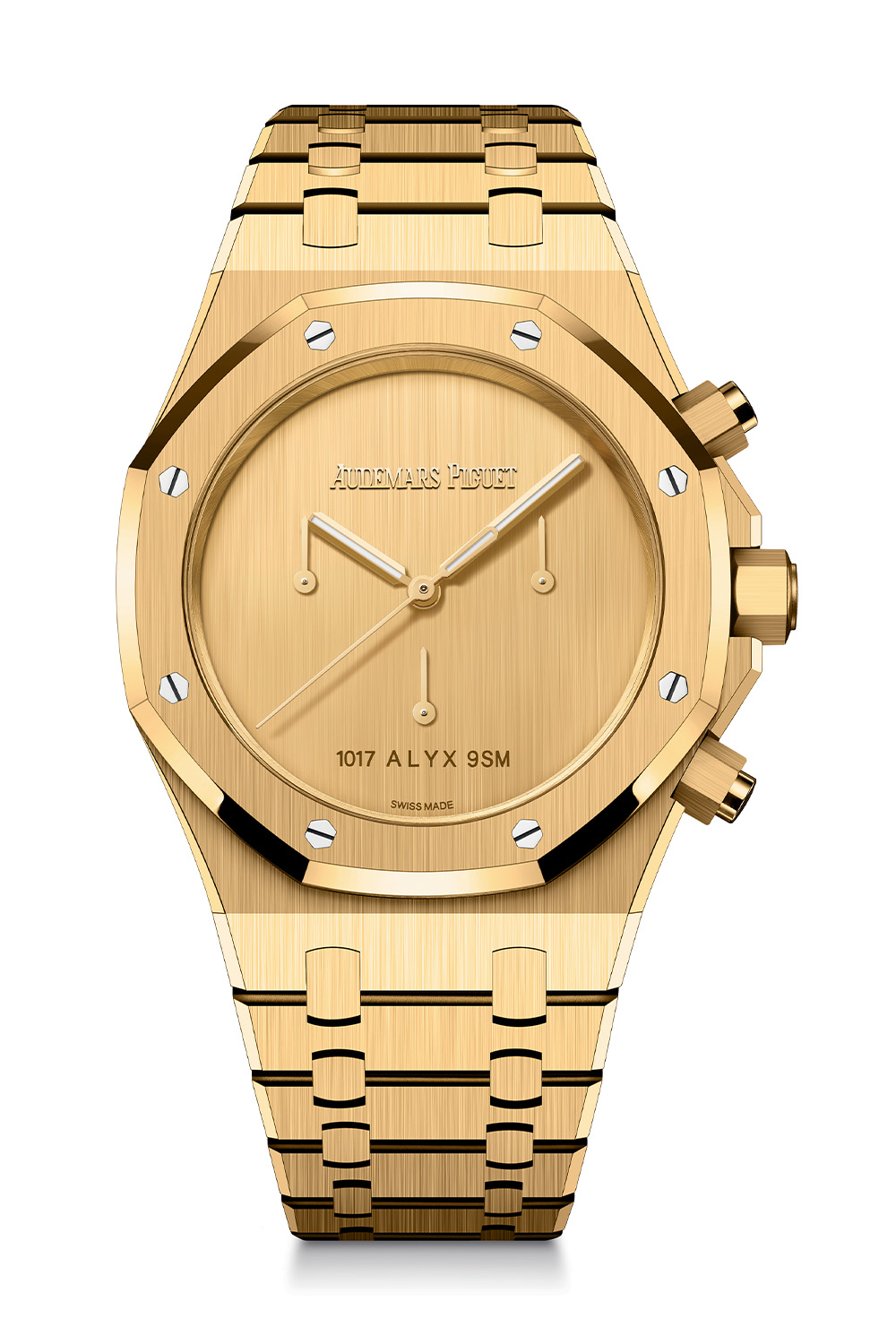
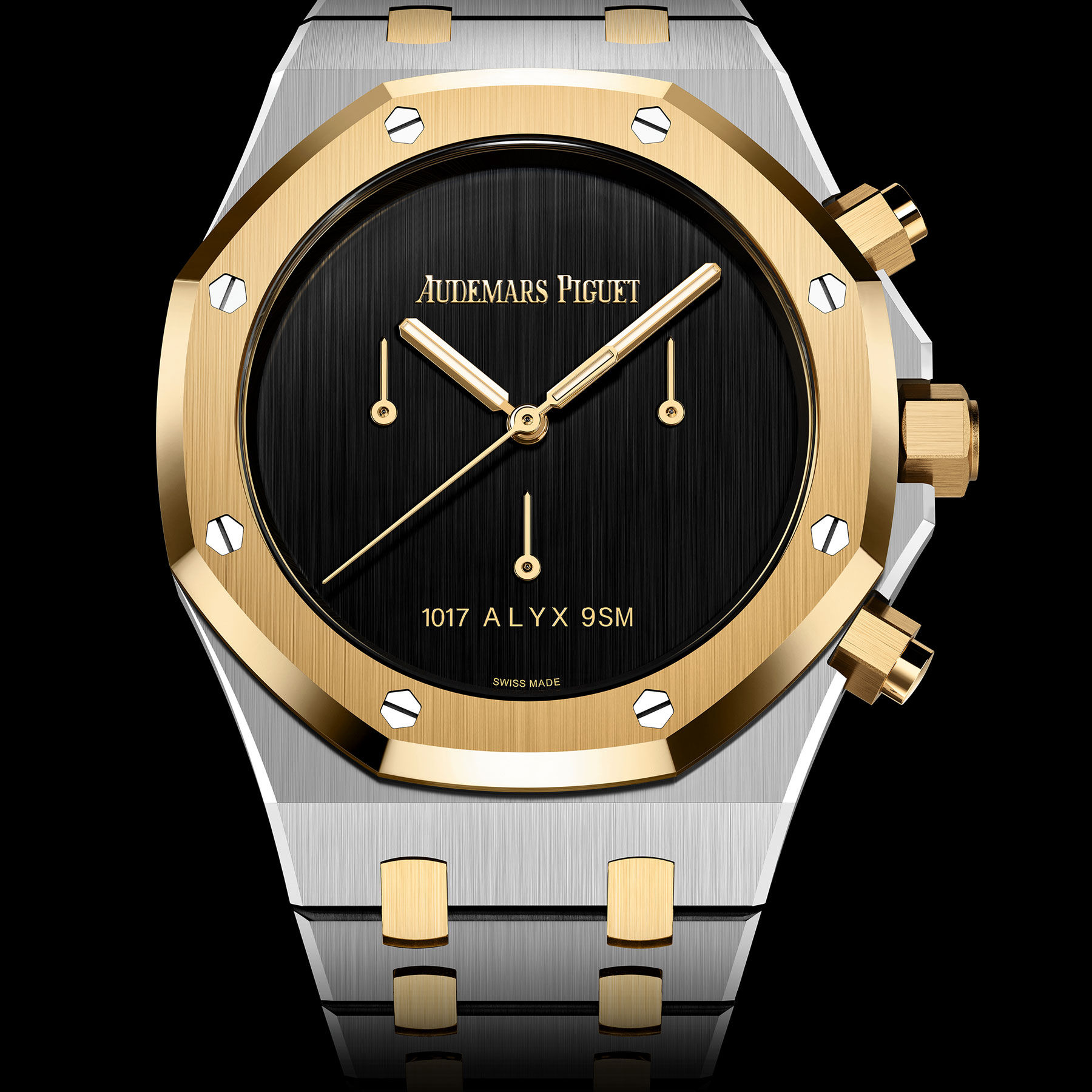
This is not a licensed fashion watch with a designer logo stamped on the dial. The 1017 ALYX 9SM x Audemars Piguet Royal Oak is a genuine dialogue between a 150-year-old Swiss maison and a designer whose sensibility was forged in California skate parks, Berlin techno basements, and the atelier of Givenchy. The result is a collection that spans five references, anchored by the Royal Oak and its larger Royal Oak Offshore sibling, with a pièce unique Royal Oak Chronograph sitting at the summit. It is, quietly, one of the more radical things to happen to Swiss watchmaking in years.
The Sandblasted Gesture
What Williams has done is deceptively simple. He has removed the Royal Oak's most recognizable finishing — the polished bevels, the mirror chamfers, the jeweler's gleam — and replaced it with a uniform, matte, sandblasted surface. The iconic octagonal bezel, the tapisserie dial, the integrated bracelet: all present, all rendered in a single tonal treatment that reads closer to a machined aerospace component than a luxury timepiece.
On certain references, the dial itself is pared back to a minimalist, almost sterile field, letting the geometry of the case do the talking. The effect is monastic. It is also unmistakably ALYX. Where the standard Royal Oak polishes its industrial origins into jewelry, this version leaves them raw.
A Brand Built for This Moment
The crossover between streetwear and haute horlogerie has, until recently, been largely performative — a rapper's wrist shot, a capsule hoodie with a watch-shaped graphic. The ALYX collaboration is different. It arrives at a moment when 1017 ALYX 9SM has solidified its position as one of the few independent labels genuinely shaping the direction of contemporary menswear.
The brand's SS23 "MOTION" show in Milan, its Fall 2023 men's collection, and the SS24 outing that Highsnobiety declared "on lock" have all reinforced Williams's ability to move between the brutal and the refined without losing either. His Pre-Spring 2025 collection, described by WWD as "minimalism with soul," suggests the designer is only becoming more precise. Add to that the backing of Hong Kong entrepreneur Adrian Cheng, who took a majority stake in the label, and the infrastructure now exists to pursue projects at the scale of a Swiss watch partnership.
Why the Royal Oak Was the Only Answer
The Royal Oak is, of course, the correct canvas. Designed by Gérald Genta in 1972 and famously dismissed as a "jumbo" oddity before becoming the defining luxury sports watch of the modern era, it has always carried a whiff of the industrial — its exposed hexagonal screws, its porthole silhouette, its refusal of the round case. Williams's sandblasted treatment doesn't fight that heritage; it excavates it.
It is the same watch, and a completely different one. That tension — between recognition and estrangement — is exactly where ALYX operates best.
Who It's For
Not the traditional collector who measures value in finishing and resale curves, though they will certainly take notice. It is for the person who came to watches through fashion — through ALYX's Mono Mule, through the Moncler Genius collisions, through the END. collaborations rooted in underground club culture — and who wants a timepiece that speaks the same language.
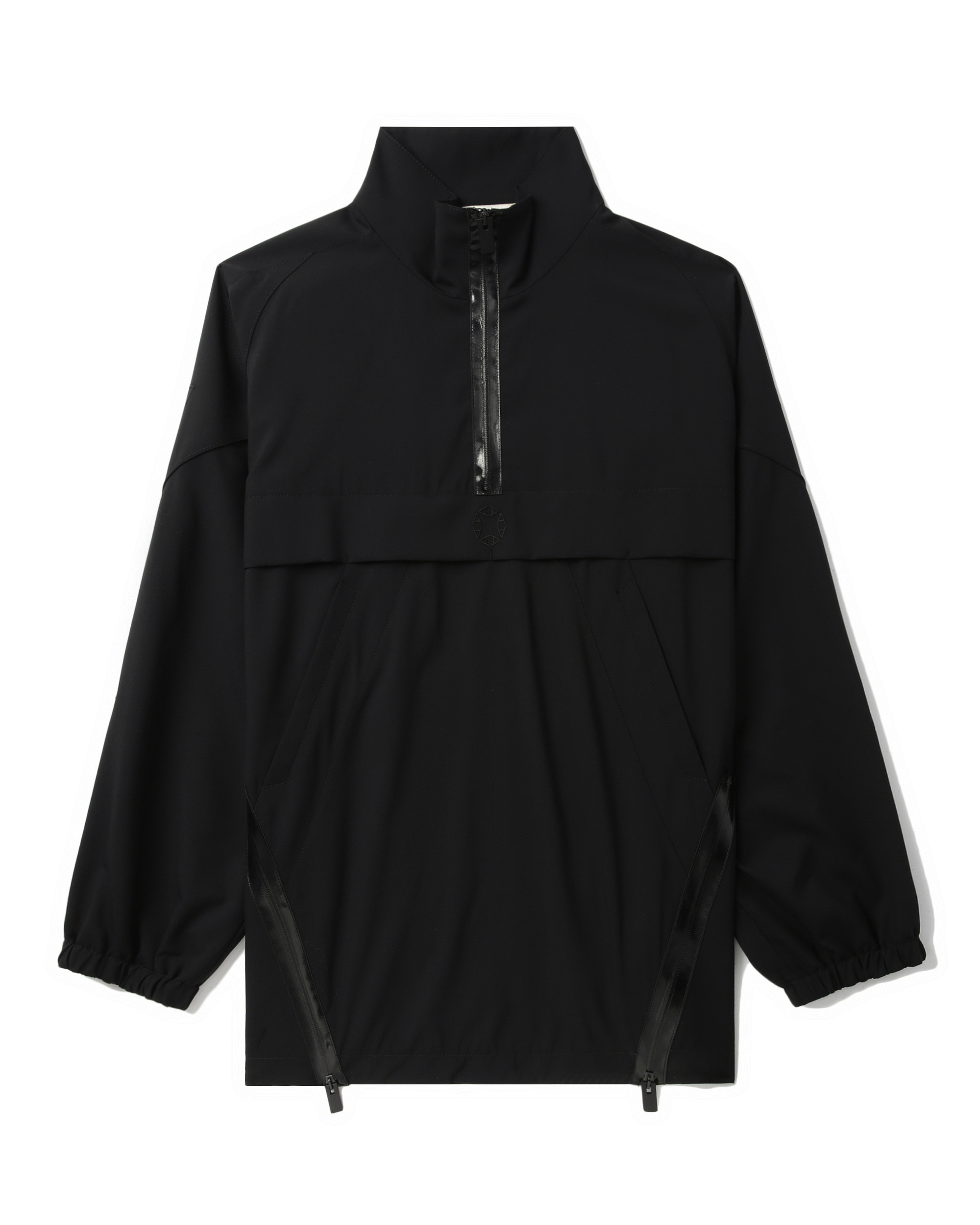
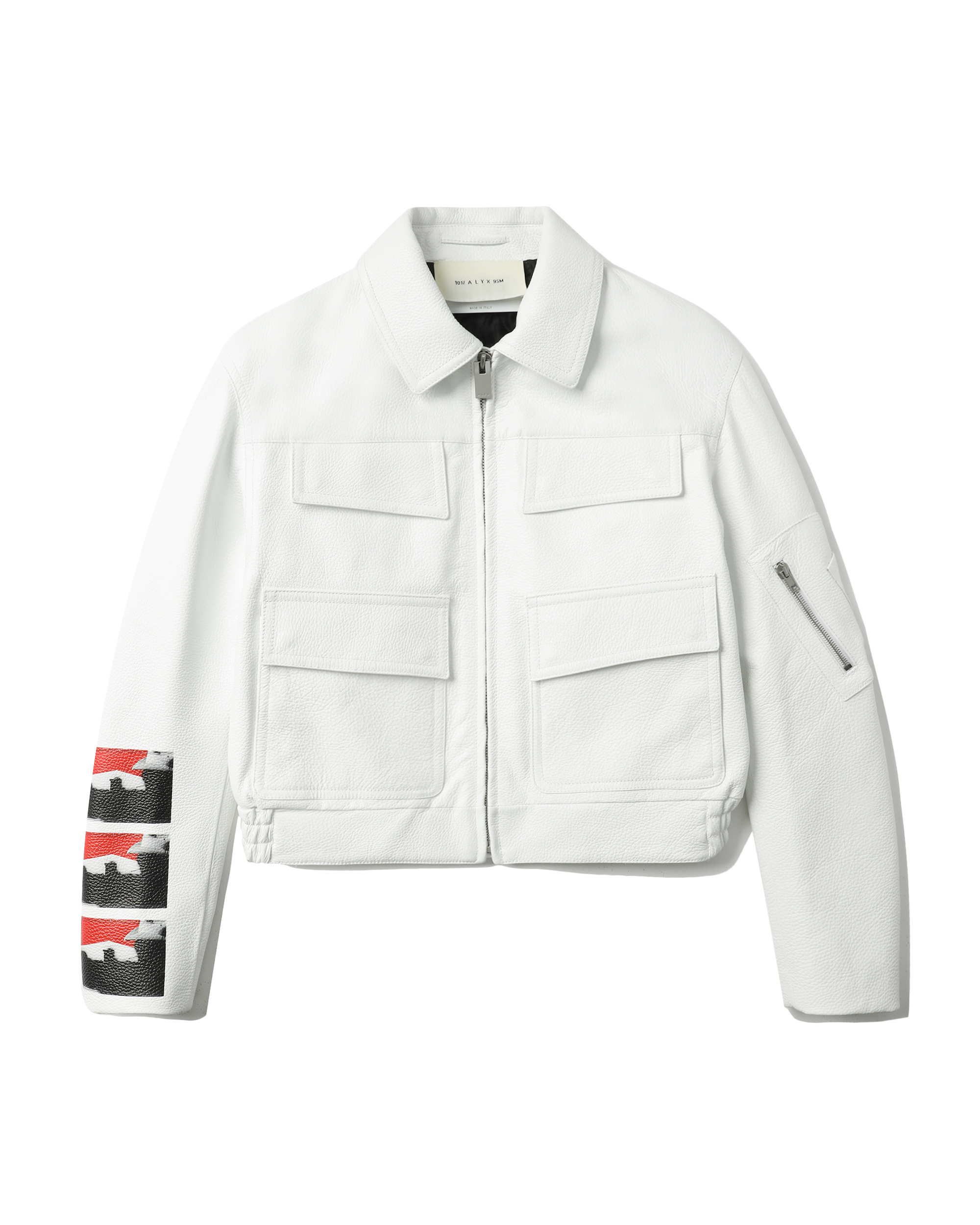
It is for someone who understands that a Royal Oak worn with a technical jacket and a pair of weathered trousers is a more interesting proposition than one worn with a suit. And it is for the growing cohort of buyers who treat watches as they treat clothing: as a statement of taste, not just of wealth.
What Williams has produced with Audemars Piguet is a rare thing in the current market — a collaboration that does not dilute either party. The Royal Oak remains a Royal Oak; ALYX remains ALYX. But the intersection is a watch that looks like nothing else in the boutique: severe, matte, architectural, and entirely of its moment. In an era when every brand is chasing a streetwear halo, this is what it looks like when the halo is earned rather than rented. The 1017 ALYX 9SM x Audemars Piguet Royal Oak is not a trend piece. It is a thesis statement, and it is already defining the terms of the conversation.