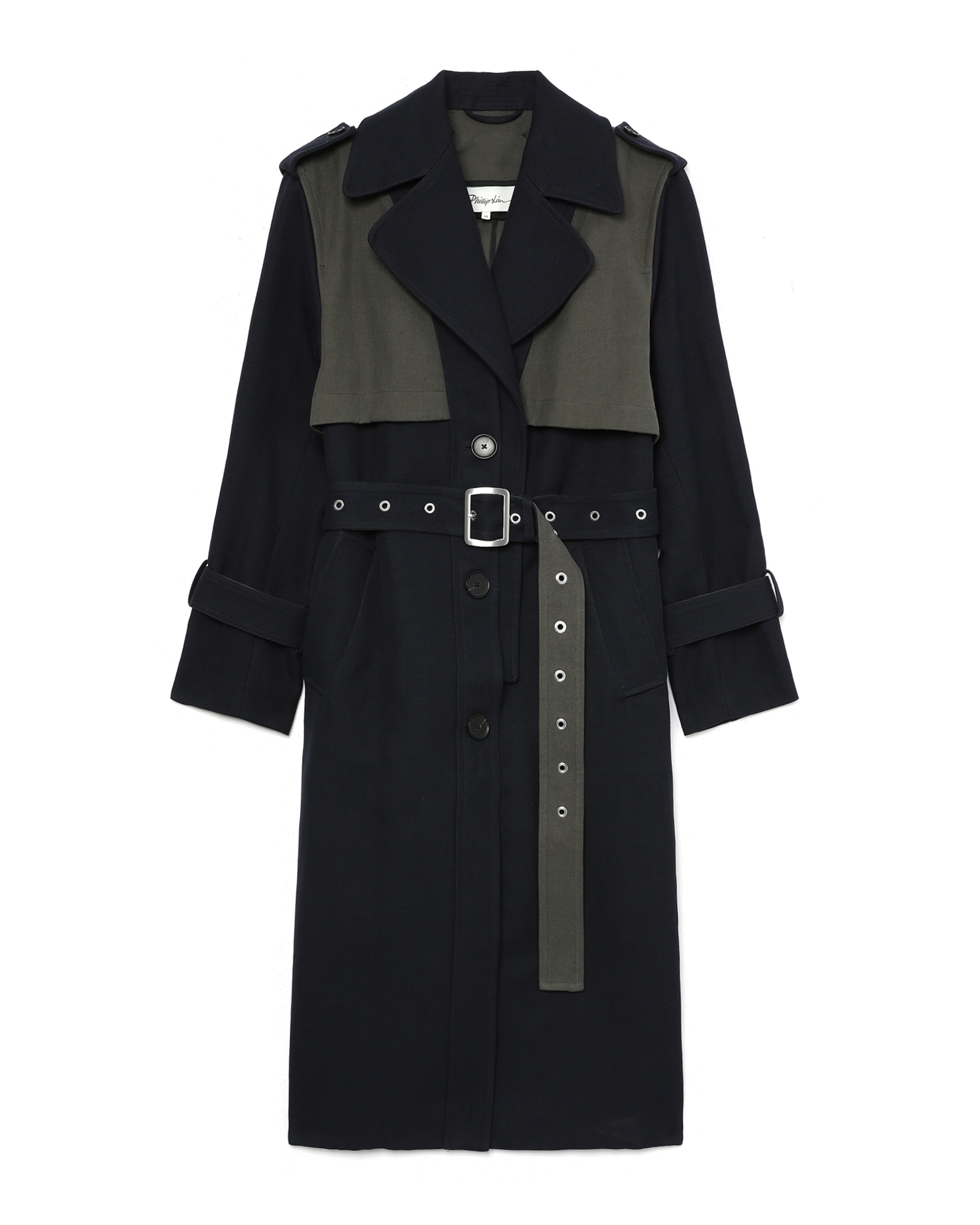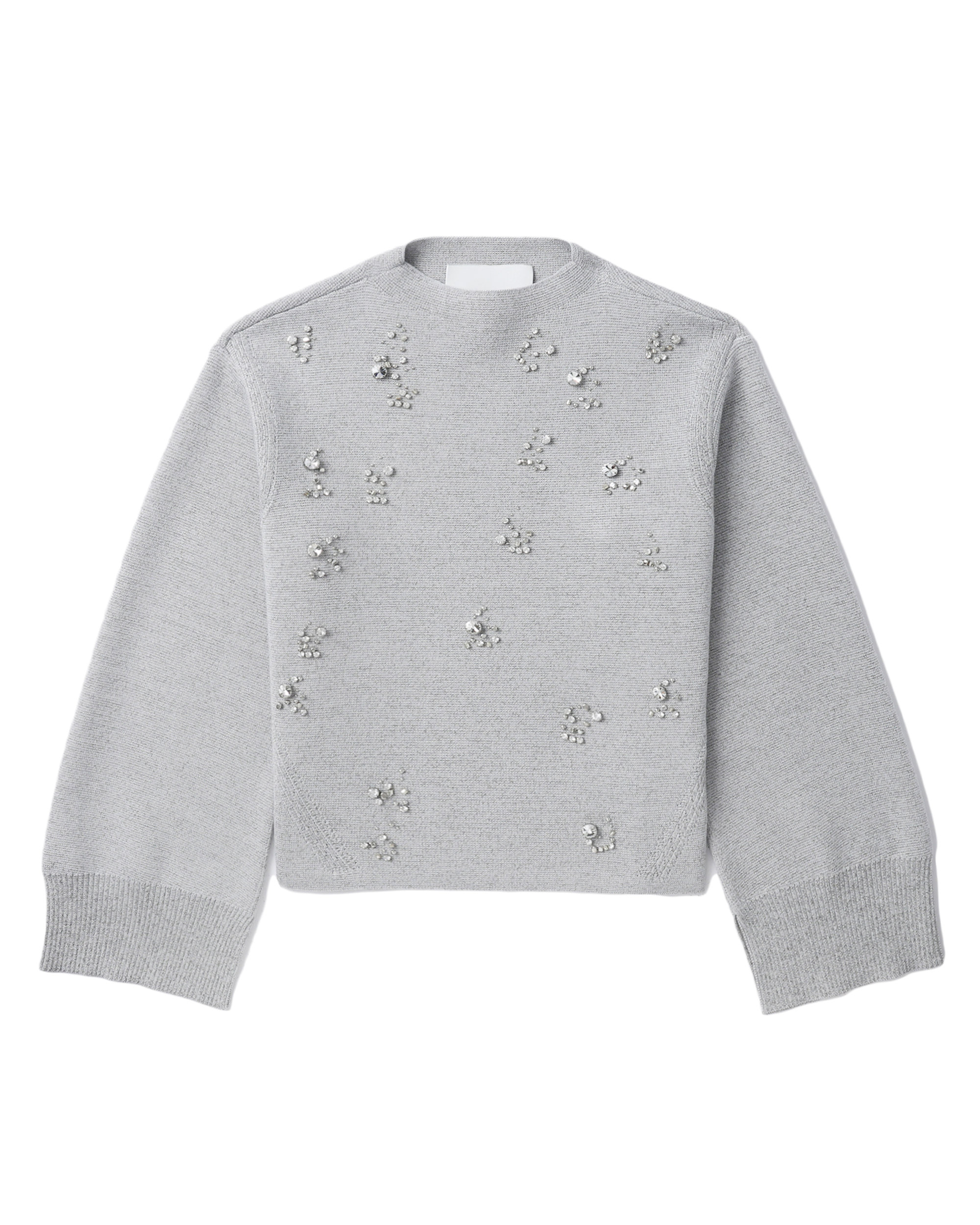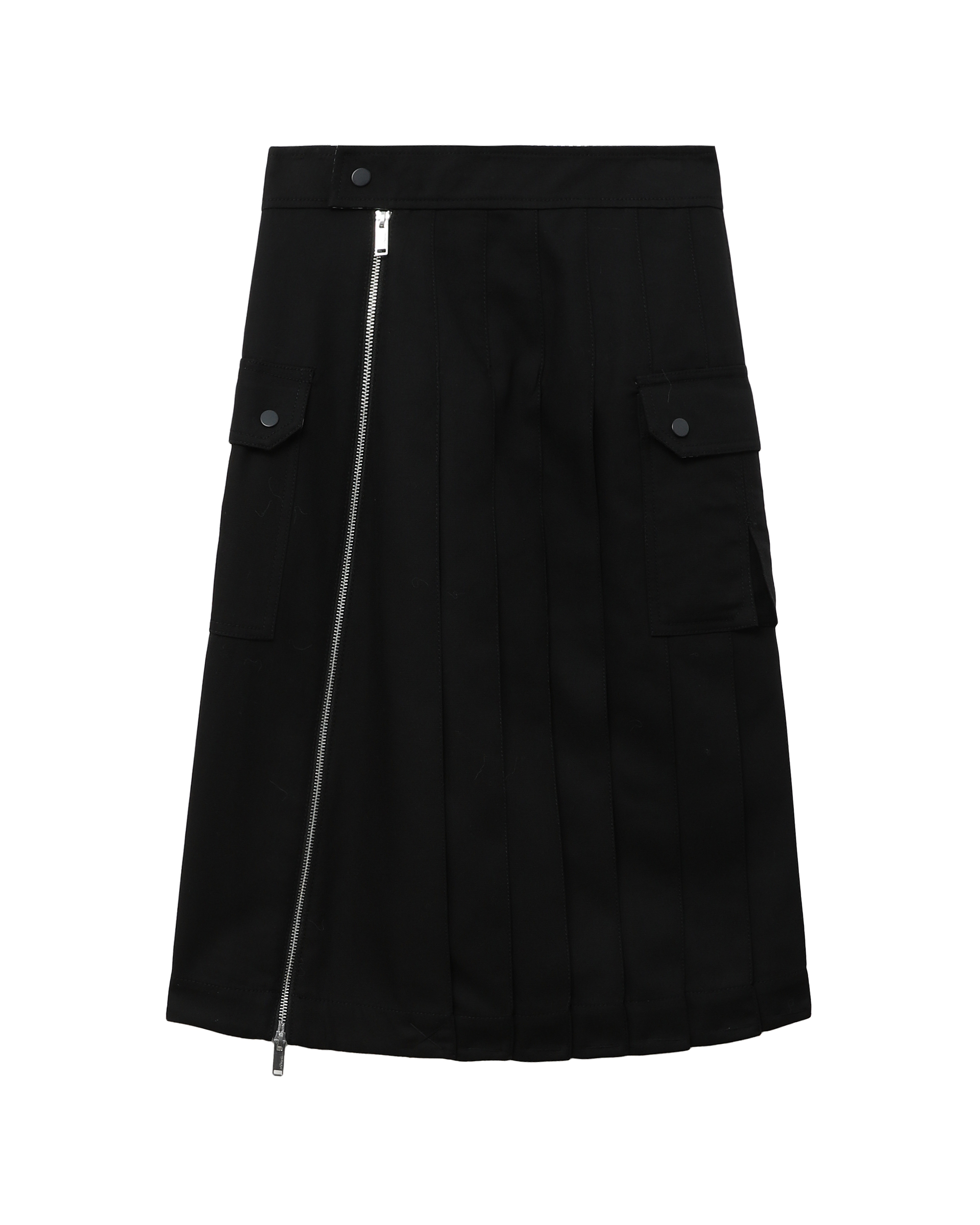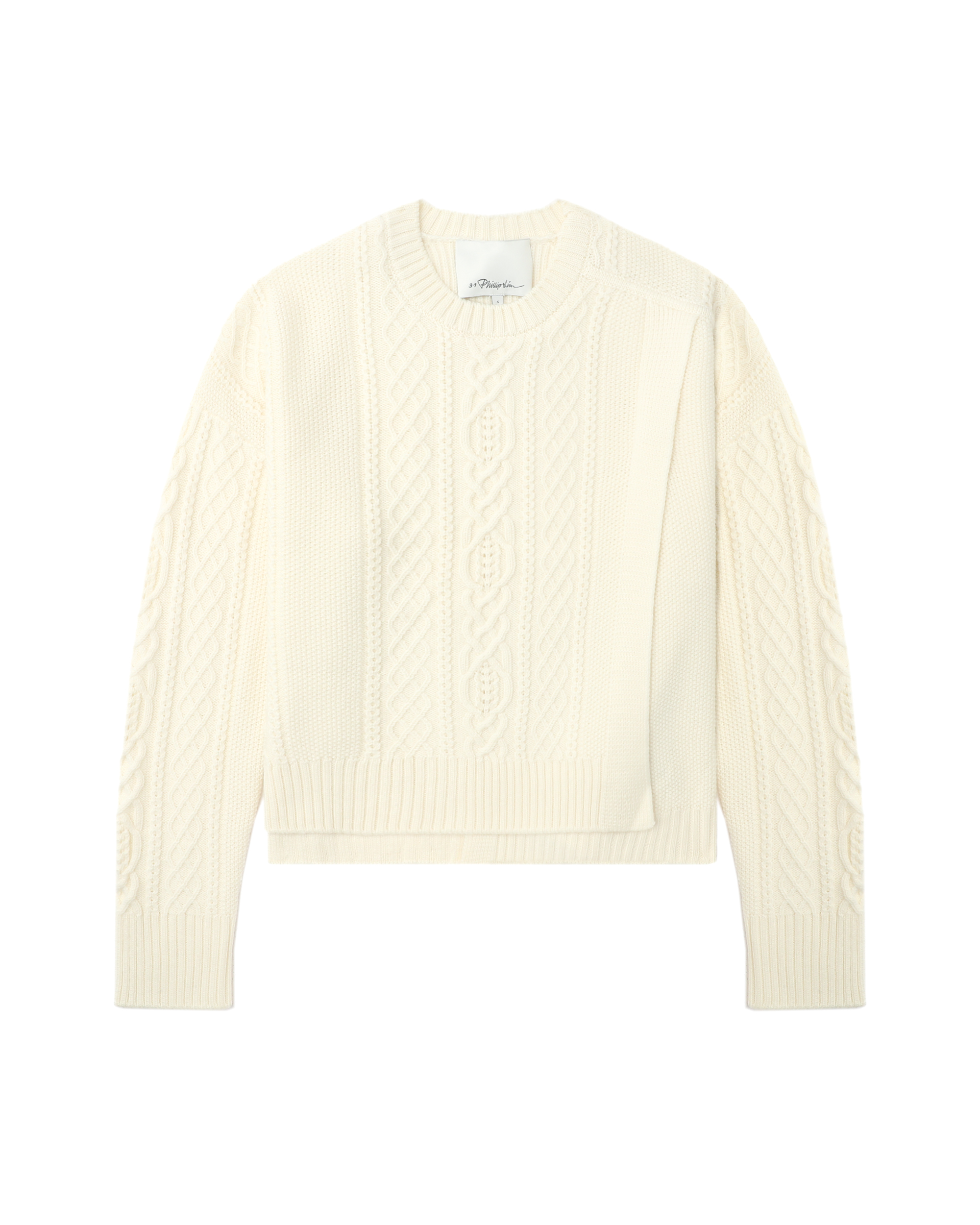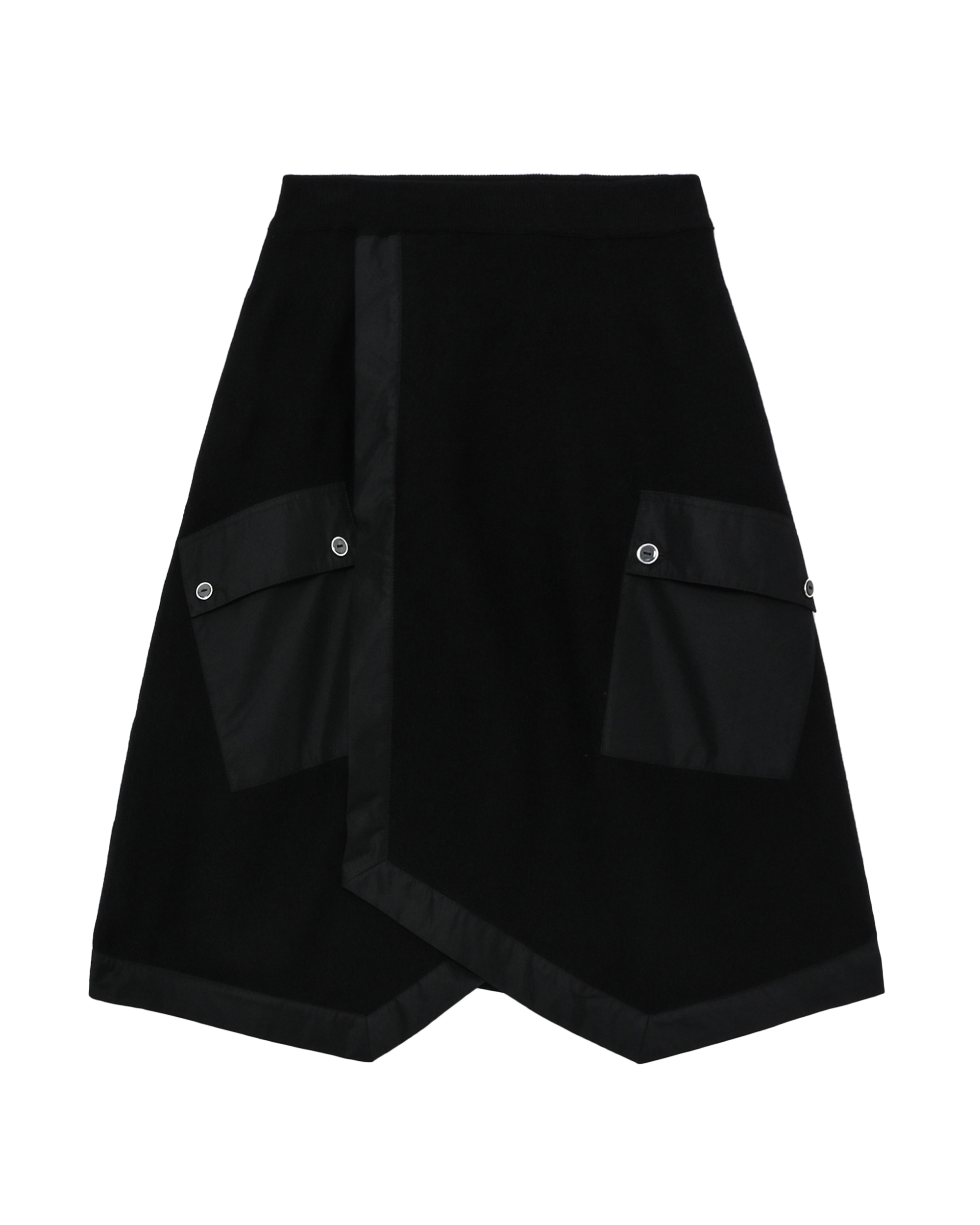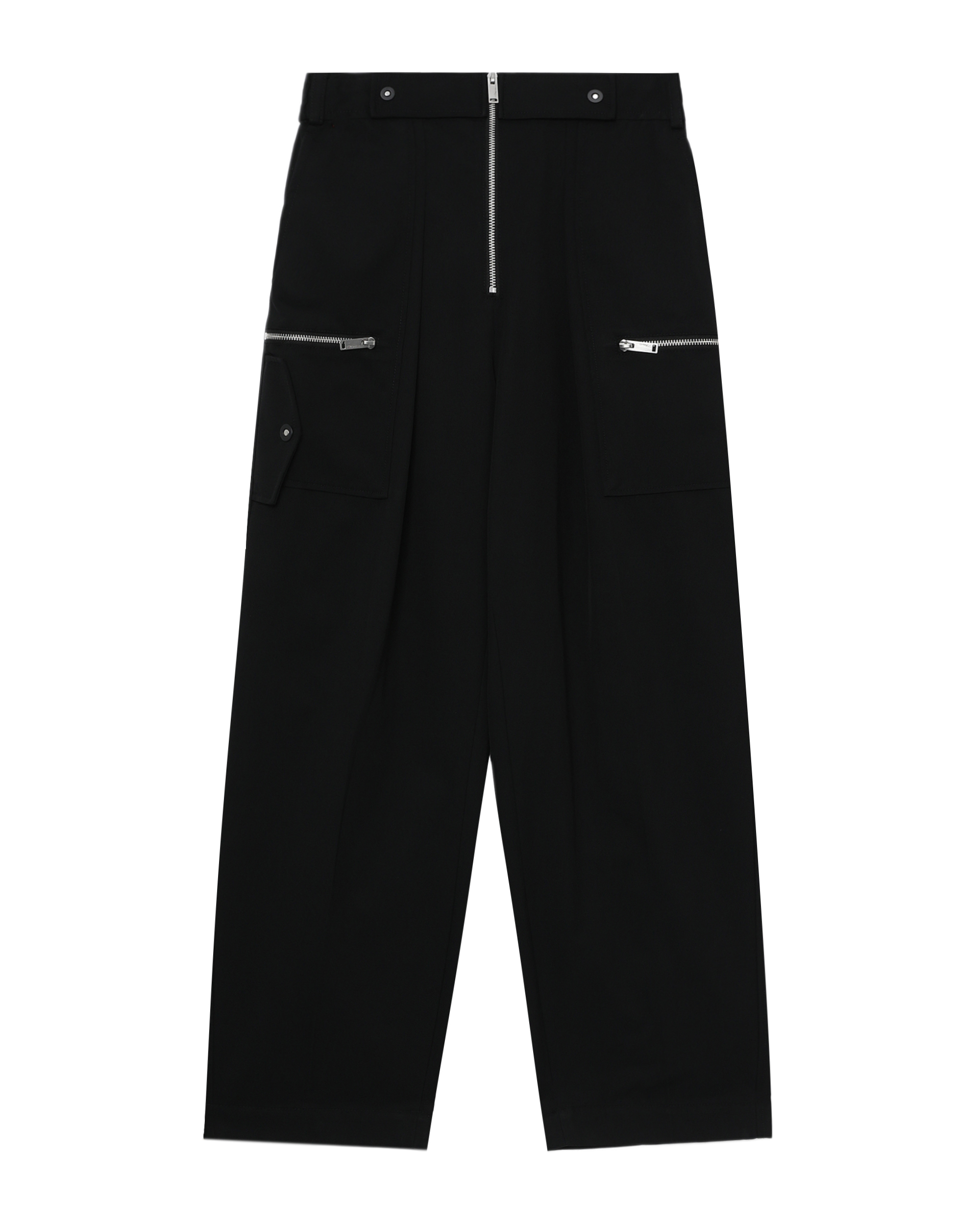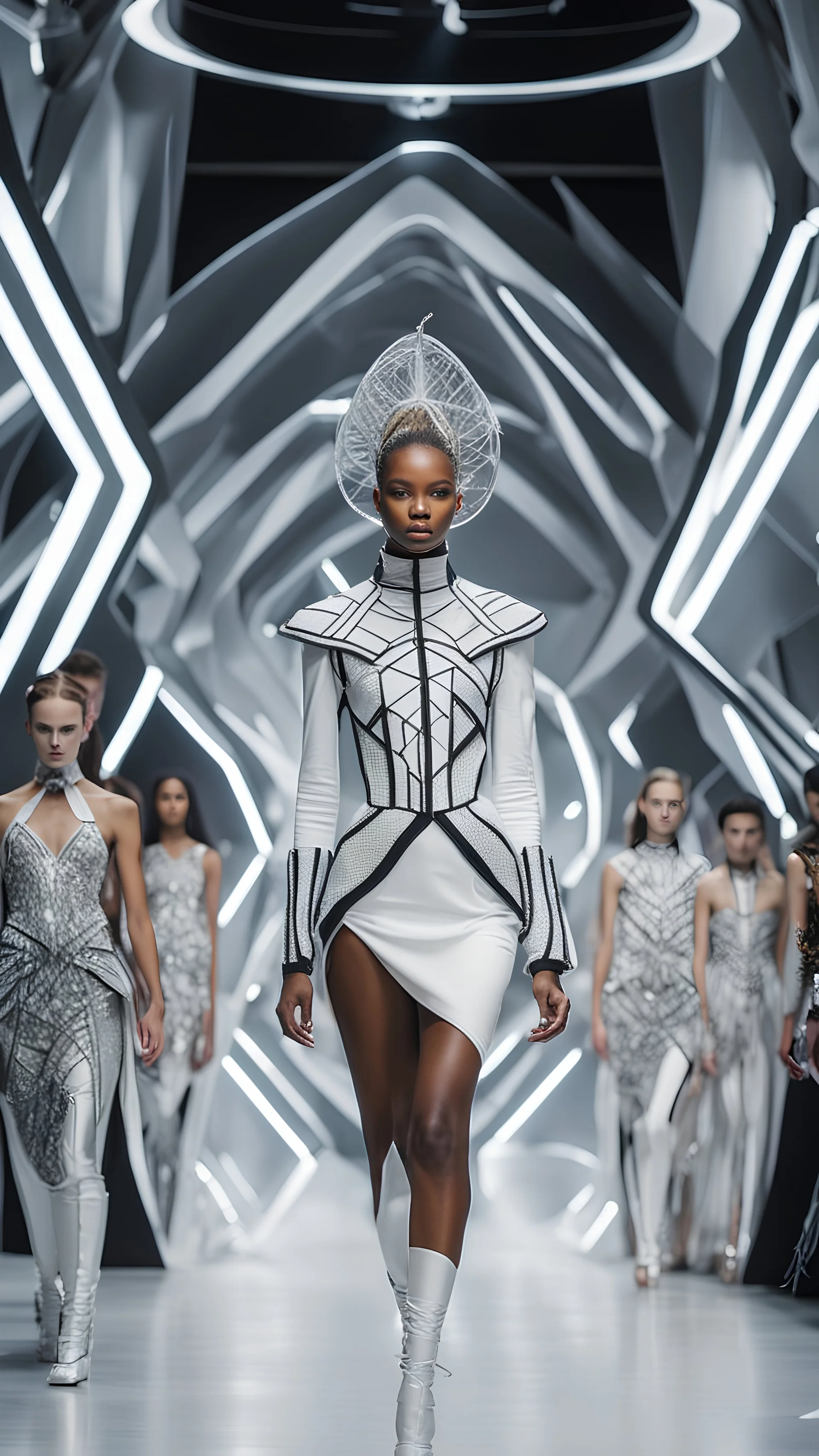
There was a time when the runway was a room, a tent, a singular moment witnessed by a few hundred. That era is over. Today, fashion’s most thrilling stage is not physical at all—it’s the glowing portal of a screen, and the audience is a continent. When 3.1 Phillip Lim chose JD.com as the launchpad for its latest presentation, it wasn’t just streaming a show. It was staging a takeover of the digital ecosystem itself, turning the platform into a living, breathing runway where commerce and couture collapse into a single, pulsating beat. The brand’s showcase—dubbed ‘Cool, Easy, Chic’ by the platform—was less a passive viewing and more a declaration: luxury no longer waits for the seasons; it moves at the speed of a click.
The brilliance of this collaboration lies in its refusal to separate the fantasy from the transaction. For too long, digital showcases have been treated as a pale echo of the physical event—a thing to watch, admire, then forget. 3.1 Phillip Lim shattered that passive model. By embedding the collection directly within JD.com’s shopping interface, the brand created a "see-now, buy-now" feedback loop that converts the adrenaline of a runway reveal into instant consumer action. Gone is the agonizing lag between aspiration and acquisition. A shopper in Shanghai can now feel the same electric pulse as an editor in Paris, the same urge to own, to wear, to be first. This is not convenience; it is capture. Attention is the most valuable currency in modern luxury, and the metaverse is the high-speed exchange where it is traded.
The Art of Digital Seduction
What elevates this move from clever marketing to cultural statement is the brand’s deep understanding of its audience. The Chinese consumer is notoriously discerning, digitally fluent, and—above all—hungry for authenticity. 3.1 Phillip Lim did not simply import a Western show wholesale; they curated an experience tailored to the platform’s ecosystem, recognizing that in the metaverse, context is king. The presentation’s aesthetic, which drew subtle inspiration from the stark, emotional landscapes of Georgia O’Keeffe at dusk, was rendered with a visual acuity that translates beautifully on screens. The structured neutrals and fluid silhouettes—pieces that Taraji P. Henson has embraced for her own red-carpet moments—are not just garments. They are digital artifacts, designed to be viewed, shared, and coveted within a virtual space. By partnering with JD.com, the house of Lim is effectively saying that its future is not a retreat from the physical, but a bold expansion into a realm where the digital is the primary stage.
A New Chapter, A New Vision
This launch also arrives at a pivotal moment for the label, which is undergoing a creative evolution under the new leadership of Head of Design Michelle Rhee. Her vision, as shared with industry insiders, is one that respects the brand’s utilitarian-chic DNA while pushing toward a more fluid, forward-thinking expression. Launching this new chapter on JD.com is a deliberate alignment of the brand’s internal renaissance with its external digital ambitions. It is a signal that the house is not looking backward, but rather leveraging every available tool to build a new narrative. The metaverse strategy here is not about gimmickry; it is a coherent extension of a brand philosophy that champions ease and wearability, now delivered with the speed of a click.
The Runway Is Everywhere
For the consumer, the barrier between the fantasy of the runway and the reality of the wardrobe has never been thinner. For the industry, it is a resounding confirmation that the brands which will thrive are those unafraid to treat the metaverse not as a distant concept, but as the most immediate, intimate, and commercially potent runway they will ever know. The house of Lim has not just stepped onto that runway; it has staked a claim as one of its most fluent natives. In a world where attention is the ultimate luxury, 3.1 Phillip Lim has figured out how to hold it—one click, one garment, one instant at a time. The future of fashion week isn’t in a tent. It’s everywhere.